Urban Exploration - The purely terrifying coal mine
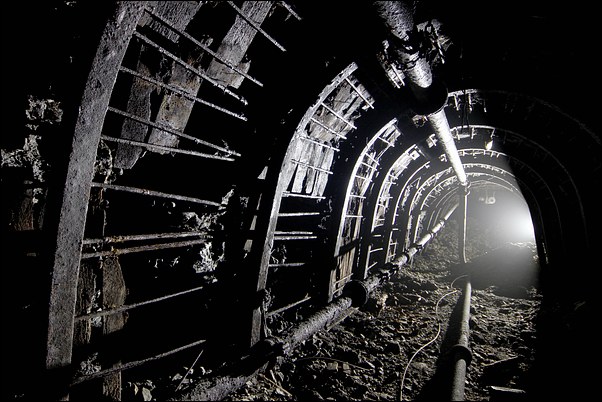
This documentary dates back to 2003. The original photos, all of relatively poor quality, were replaced following an investigation carried out in late 2017 and early 2018. This entire set of pages has undergone a complete renovation due to the mediocrity of the early shots. This page concerns an anthracite mine located in Belgium; its location will not be disclosed due to the inherent danger of such a site, which cannot exactly be described as remarkably stable.
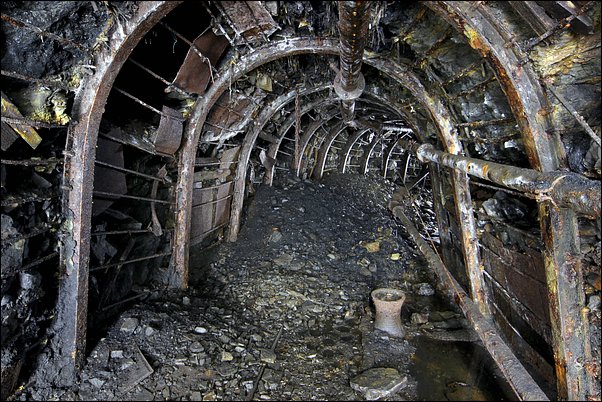
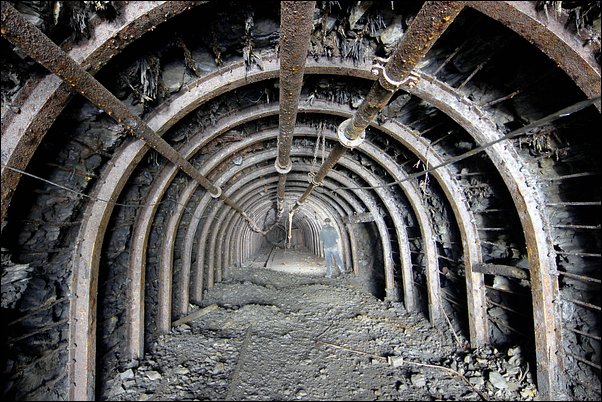
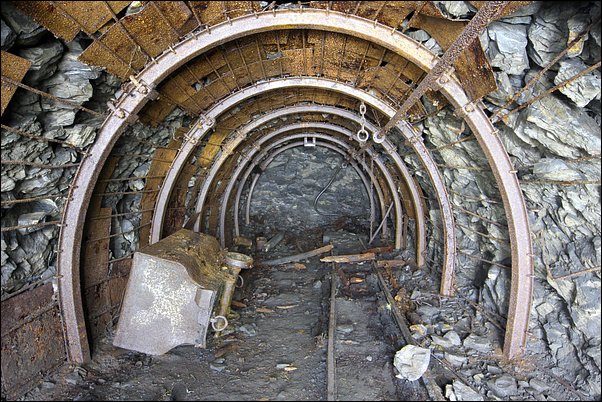
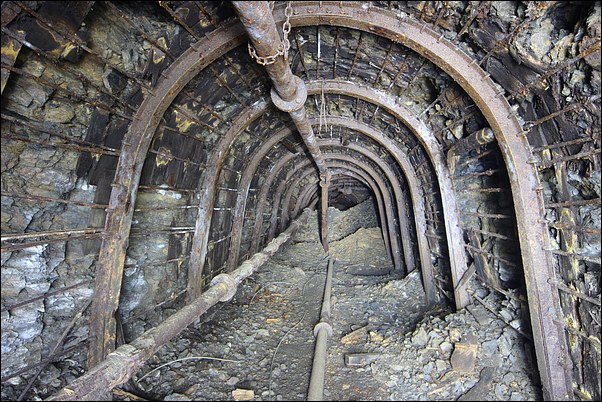
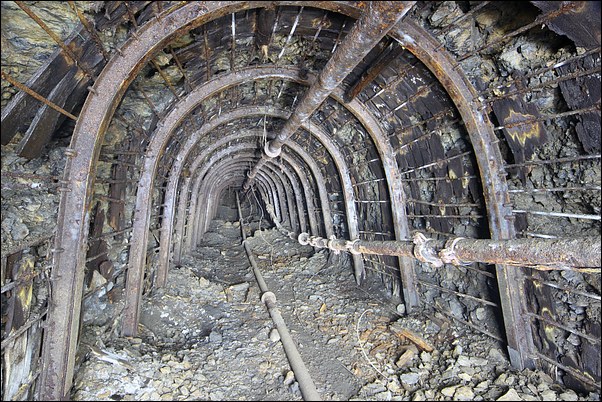
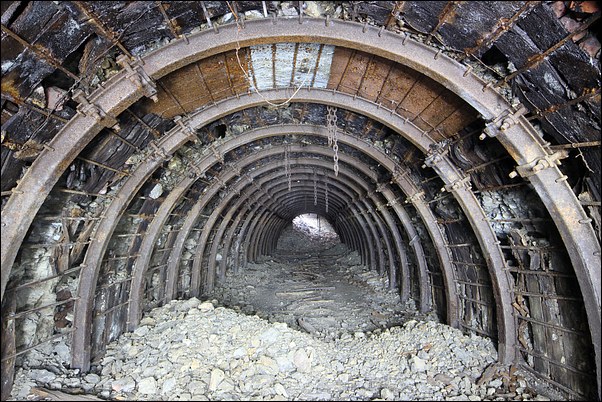
While not a full mine complex in itself, it is primarily a high-quality *bouveau* (cross-cut adit) that led to an extraction shaft. To be precise, a mine is specifically dedicated to the extraction of ore (in this case, on this concession, anthracite). A *bouveau* is a mining term for a main haulage or circulation gallery. At this site, the layout is simple: the deep shaft surfaced in an area that was difficult to access from the outside. Consequently, an internal inset (shaft station) was built, allowing materials to be brought directly to the surface area. The gallery presented here is just that: a tunnel that received materials at the shaft head, allowing the mine cars to exit horizontally into the daylight.
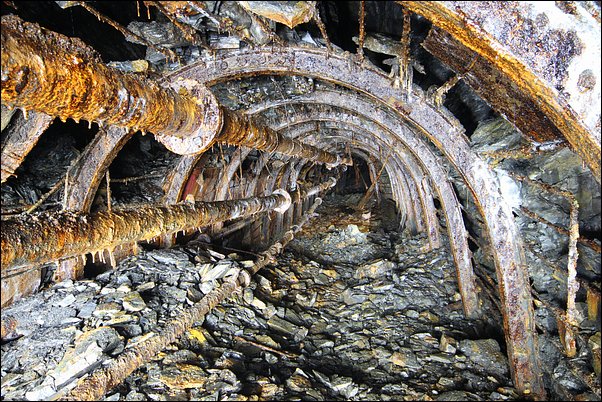
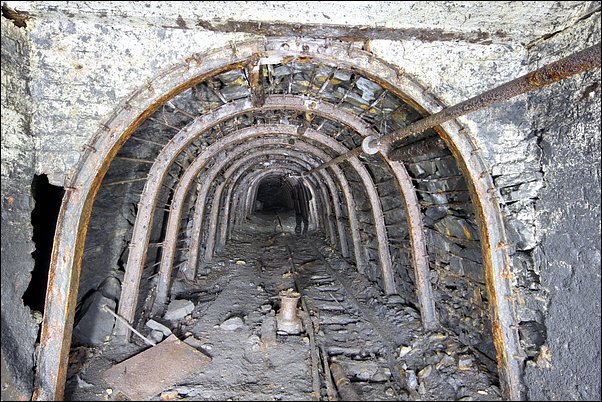
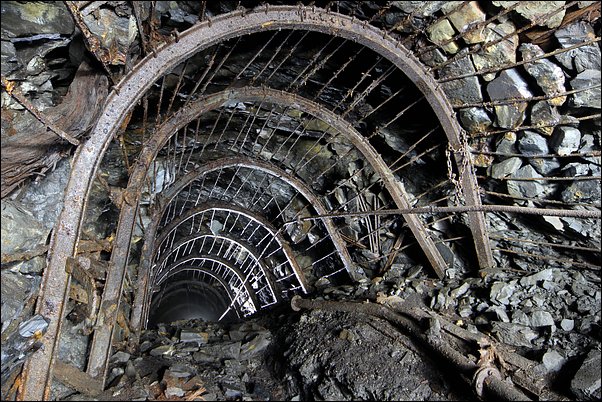
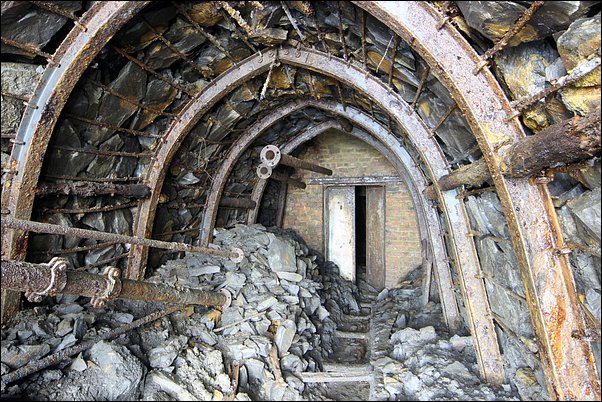
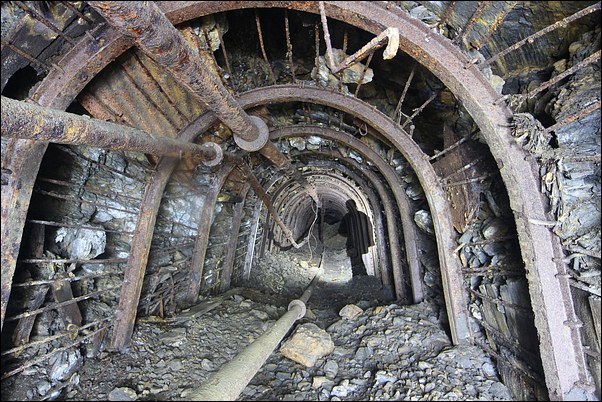
In 2003, the entrance was a cavity hidden in the vegetation, covered with branches and completely undetectable to anyone unfamiliar with it. By squeezing through this difficult access point, one reached an arched haulage gallery. Today, the entrance has become a large collapse sinkhole - unstable and unpleasant.
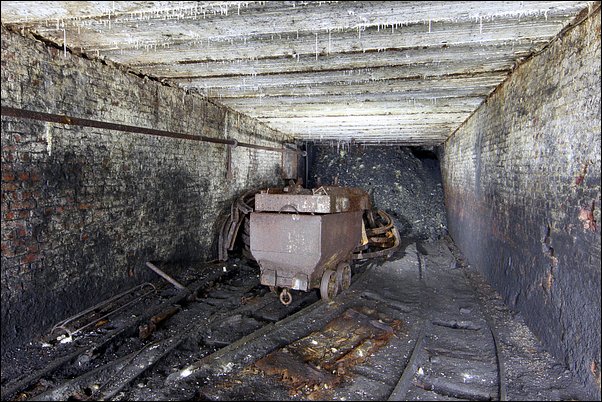
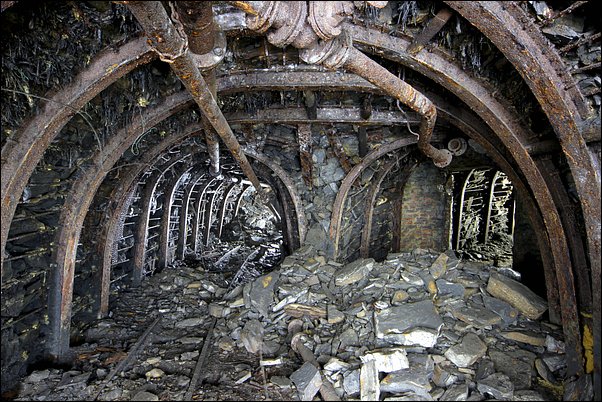
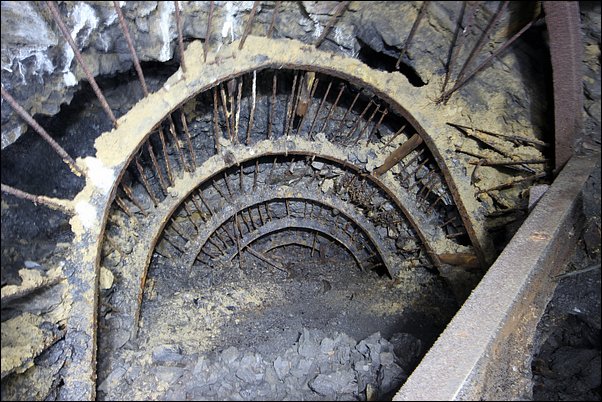
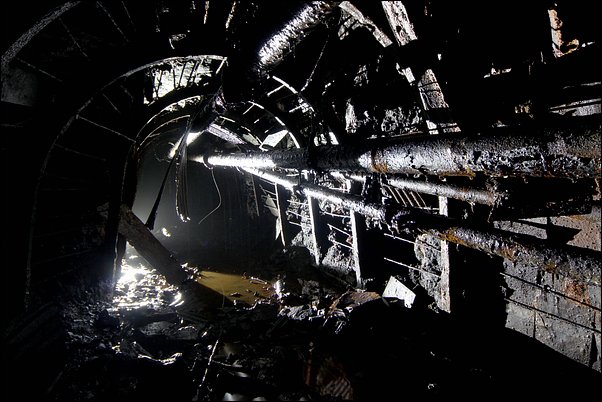
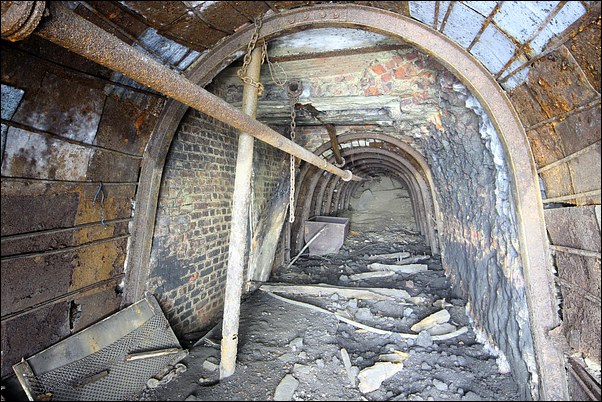
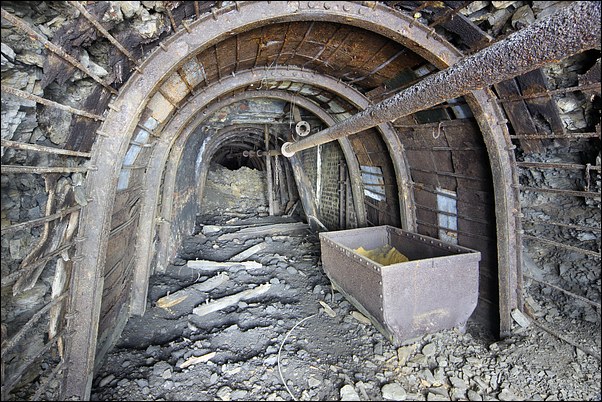
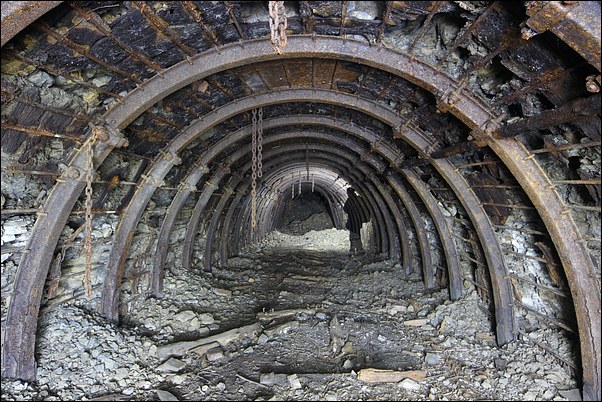
In 2003, we provided the following description: there are numerous cave-ins; after a few meters, the air circulation becomes catastrophic. The visit is interesting but extremely dangerous due to very low oxygen levels. Among other things, one finds two mine cars, an object resembling a water tank, rails, the remains of a shaft station, and a beautiful vein of anthracite visible behind the arching - black, shiny, almost greasy. There is also a capstan, as the cars were pulled by cables. This place is saturated with . Breathing becomes abnormal after the first squeeze, and the situation is extremely dangerous after the second. It is an unhealthy gallery. At the level of the old shaft station, which is now filled in, one mine car and a few arches remain.
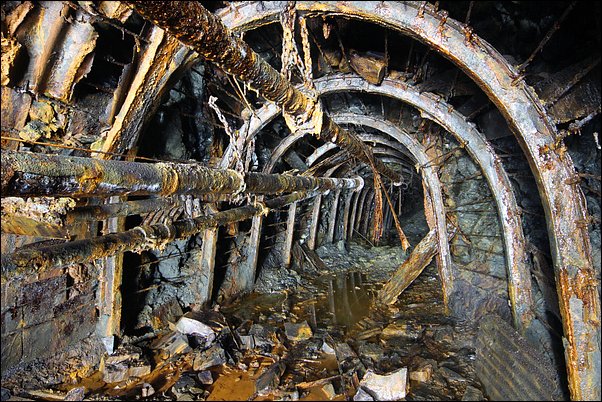
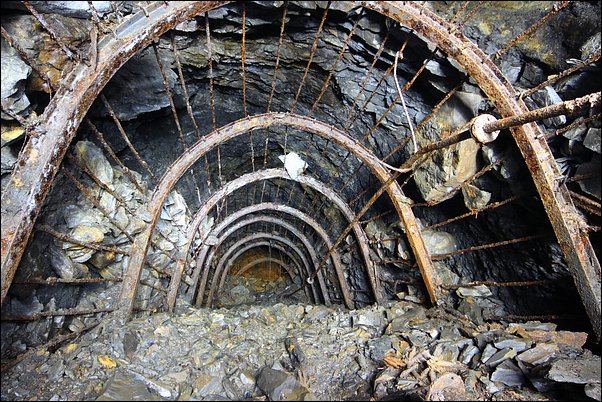
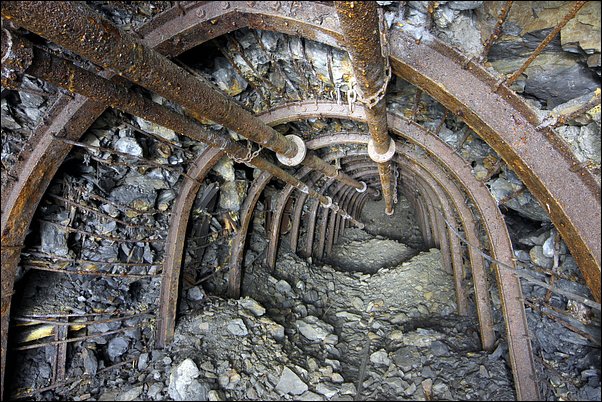
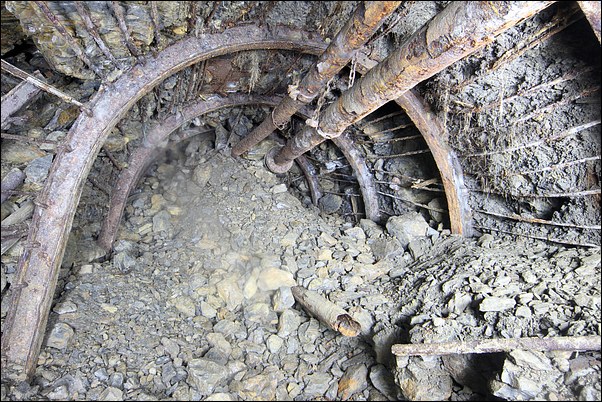
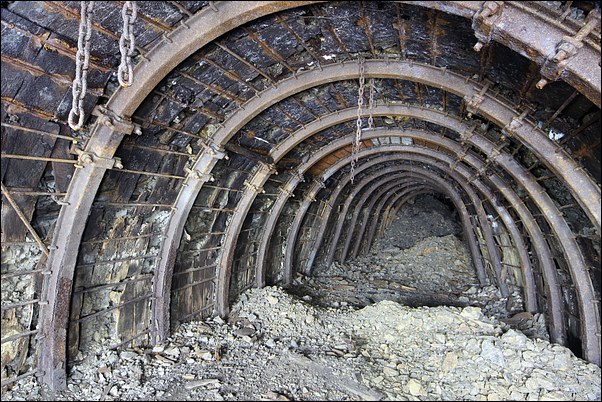
This already bleak description worsened in certain respects by 2017. We conducted on-site investigations following a recorded surface subsidence. The instability, in particular, is even worse. The first squeeze has collapsed over a length of approximately 5 meters. Digging creates an unstable situation; the squeeze is prone to closing up naturally within a few days. However, the air was generally good during our two visits.
We therefore present below the final photos of the underground site. As of today, the gallery is sinking into total oblivion. There is no need for a lengthy explanation regarding the state of this underground site; the gloom speaks for itself.