Urban Exploration - The Goss Factory in Montataire
This page is dedicated to Loan Datichy. To her future - may it be a radiant one.
Foreword
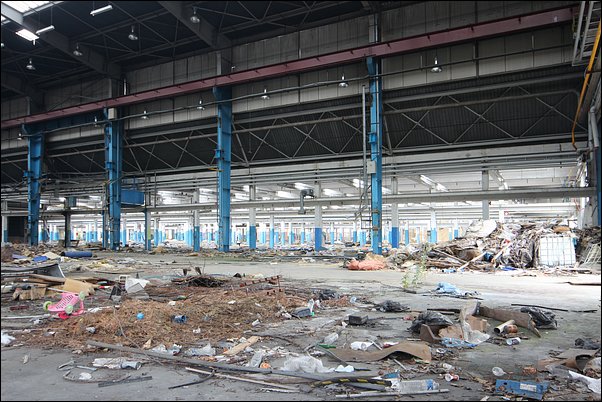
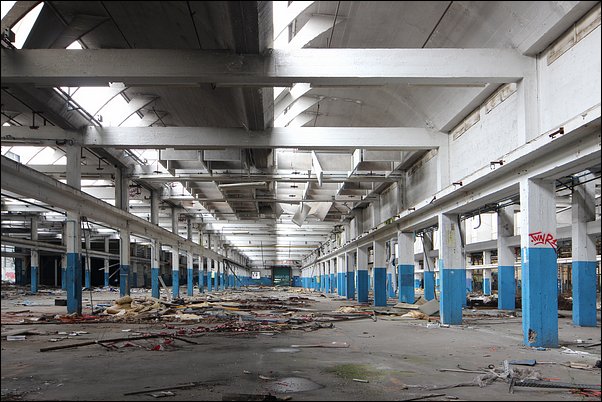
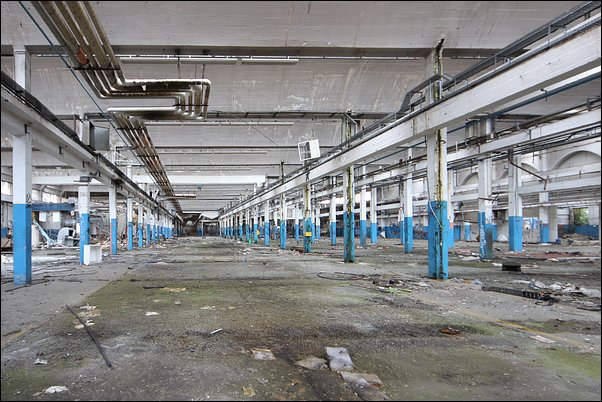
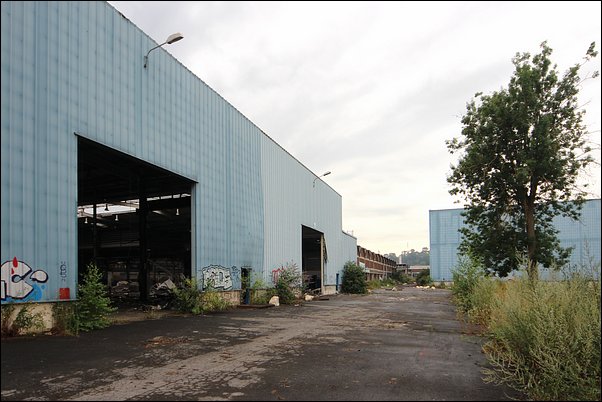
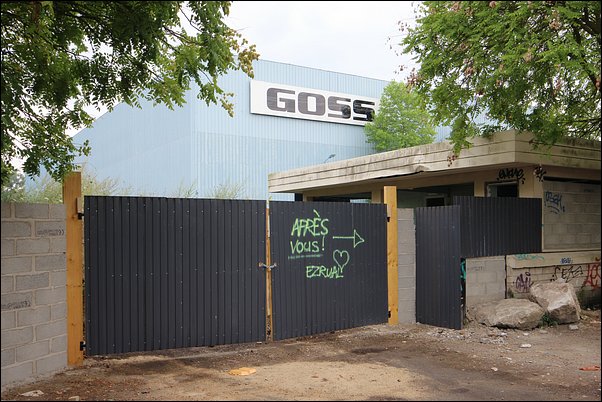
This page is a short documentary on the industrial remains of Goss Printing, located in Montataire. It is a vast industrial site that closed its doors in July 2013. This plant was dedicated to the manufacturing of printing presses - more specifically, web offset presses for newspaper printing.
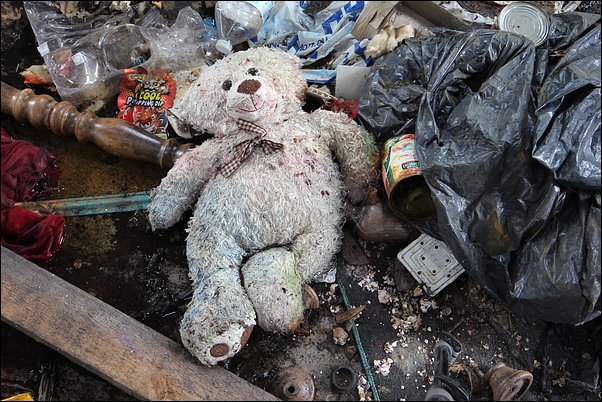
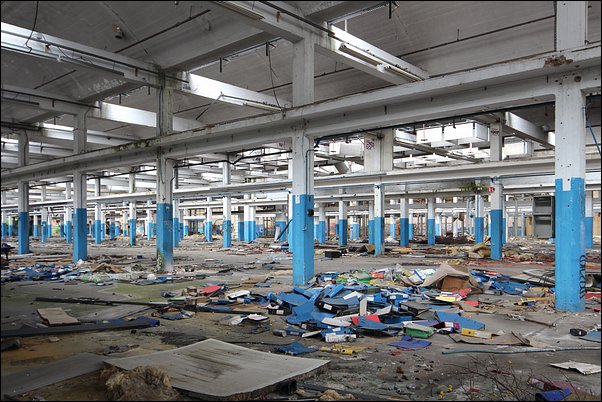
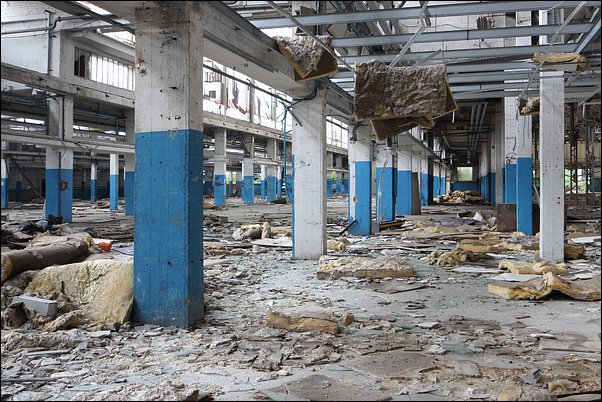
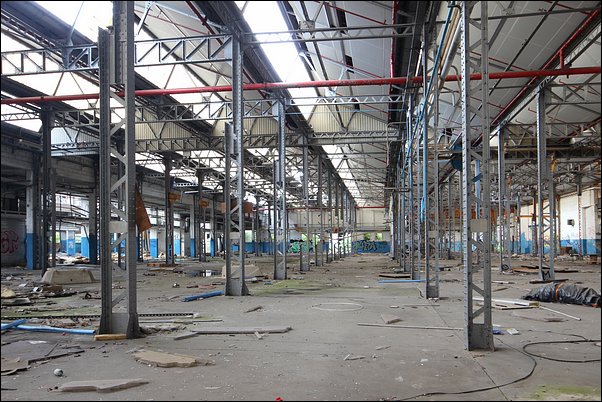
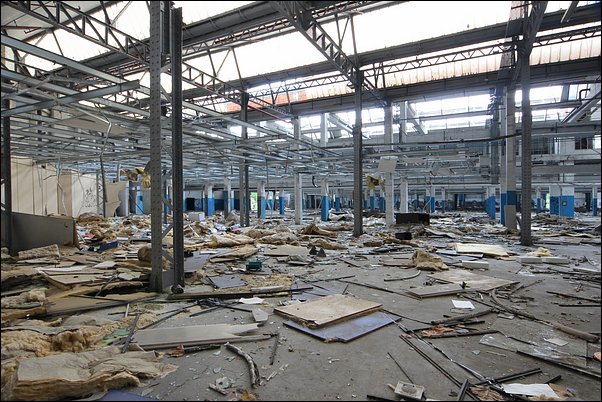
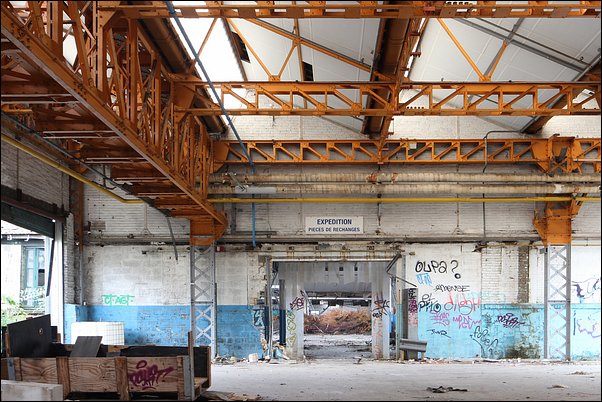
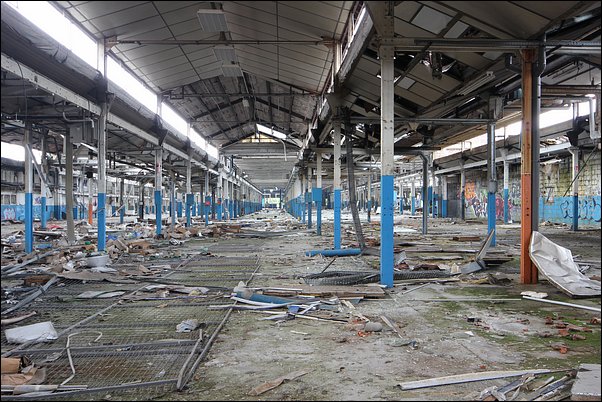
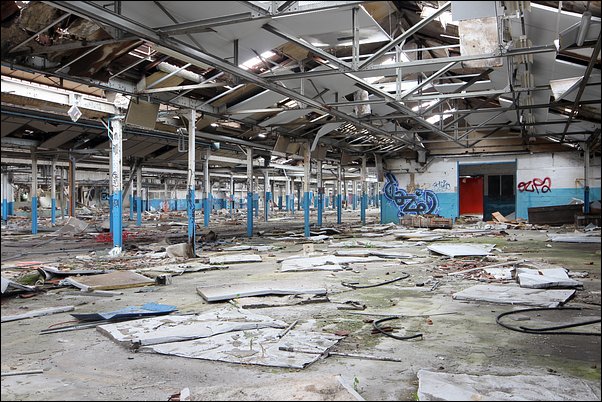
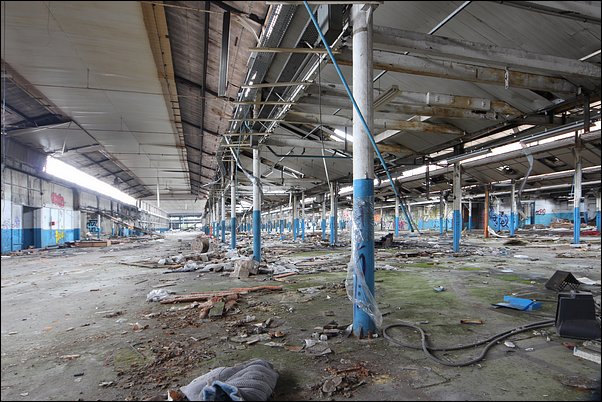
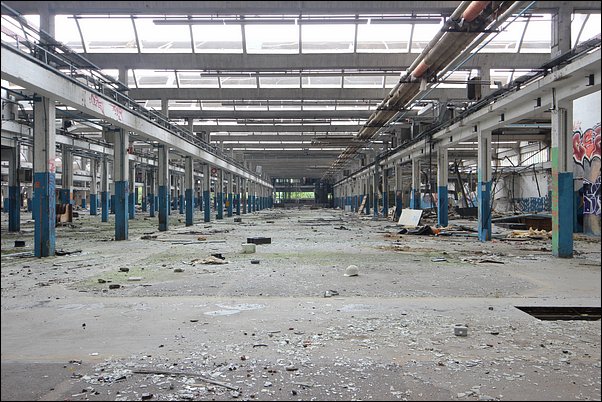
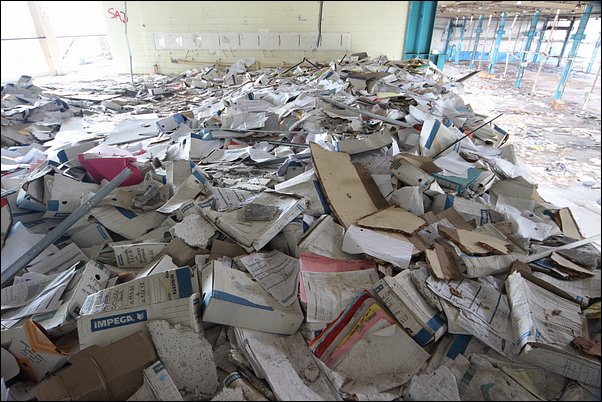
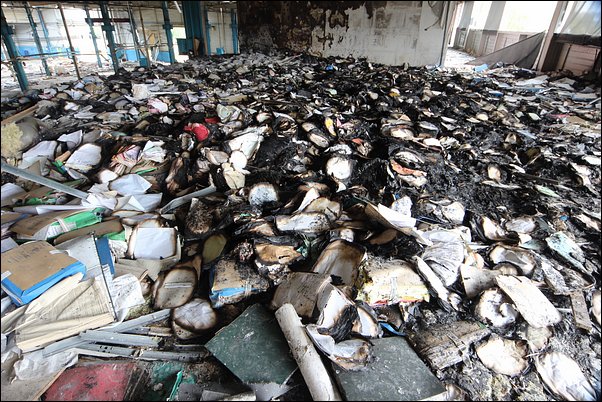
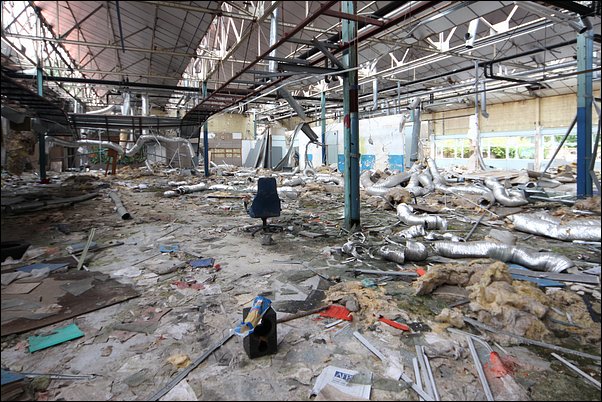
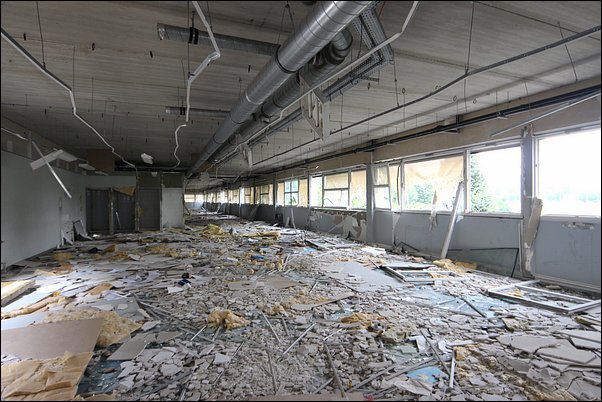
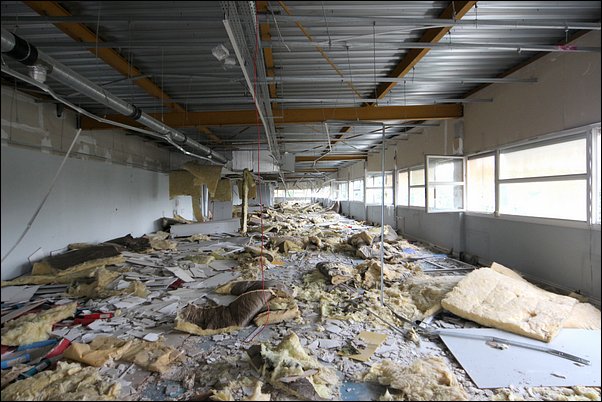
The overall appearance of the factory is extremely dismal. These are vast halls, completely stripped of any industrial relics. Colossal quantities of waste are scattered throughout. The facilities have been looted to the extreme; everything is trashed, down to the last piece of concrete. Intensive scavenging has led to mounds of debris. Curiously, the space has been used for the extreme dumping of green waste, which has been set on fire. Following interventions by police and firefighters, squatters reportedly pelted the authorities with stones.
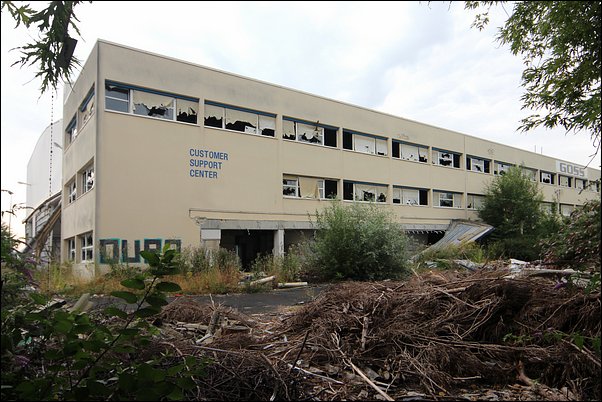
I intended to spend four hours on-site to produce a high-quality feature, with careful treatment and perhaps even a staff list; however, in less than an hour, I had already finished, as not a single interesting space revealed itself. Following this, I headed to the building across the street: the Customer Support Center. Interestingly, the site is split in two by the road. The administrative building is utterly devoid of interest and is, furthermore, heavily squatted.
This factory is cursed.
Having finished my bleak assessment, I made my exit. My gaze was drawn to a building on the right. I stubbornly insisted on visiting it (what a deplorable idea). In the tall grass, I failed to see an open manhole - the cover having been stolen. Consequently, I fell into it like a dead man. During the fall, by reflex, I twisted my body. As a result, my thigh absorbed the shock and my hips jammed; with my arms, I managed to catch myself on the ground surrounding the manhole. The impact was extremely violent, and I screamed in pain. I wanted to drag myself onto a pile of debris, but I immediately heard footsteps in the broken glass - junkies were running toward me. I fled at top speed to avoid being robbed.
Once clear of the site, I had the chance to look at the injury. It's not pretty, but I am alive and not more injured than that - just a large, very painful bruise. I count this as good news, suddenly dreaming that this piece of filth factory be razed to the ground. Desperate to leave this hell zone, I limped away.
History
This utterly ravaged site does not deserve more than a few historical fragments, written more to ease my conscience than out of any real motivation to highlight this place.
Historically, this was the Marinoni factory, a name still revealed by a few faded, degraded letters on the roof. Located near the Montataire station and thus ideally situated, this industrial site produced letterpress machines. Throughout various ownership changes, the factory was known as Voirin, Marinoni, Harris, Heidelberg, and finally, Goss.
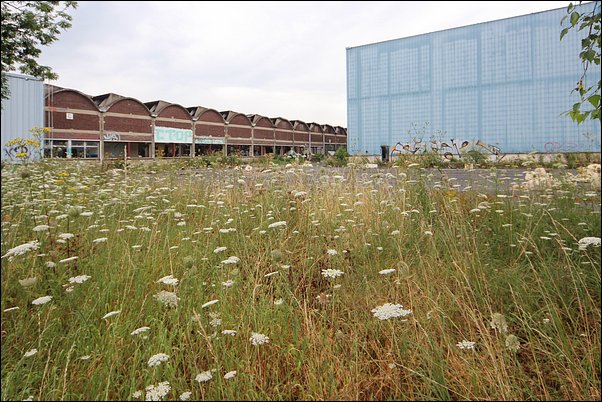
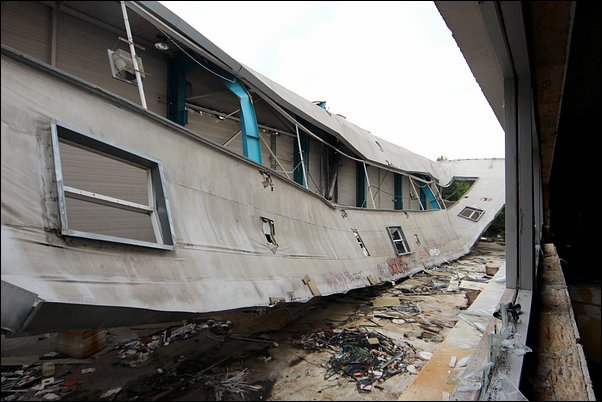
The factory was founded by Jules Voirin between 1892 and 1893, with expansions occurring between 1893 and 1913. During the First World War, the factory was requisitioned to produce shell heads as a matter of urgency. Following this, in 1919, negotiations took place with Hippolyte Marinoni. The two companies merged in 1923, and the corporate monogram became an interlaced 'V' and 'M'. The founder, Hippolyte Marinoni - inventor of the four-cylinder rotary press - brought the company to fame. The company flourished, eventually using only the letter 'M' as its monogram. Between 1920 and 1926, an expansion project was entrusted to Gustave Perret, who implemented parabolic "shed" roofs - quite unique of their kind. These industrial structures are currently degraded and in a state of extreme urgency.
In 1944, following aerial bombardments, the factory suffered significantly, with several installations destined for the scrap heap. The destroyed sections were rebuilt by the Perret agency using sawtooth shed roofs. In 1950, the company was still breaking records, notably by launching the first multi-color web offset machine, used to print Reader's Digest. However, in 1968, temporary financial difficulties arose. The company passed into the hands of the giant Harris Intertype. The administrative building was constructed in the 1970s, and the site was then called Harris-Marinoni Montataire.
In 1988, the Harris group was bought by the German company Heidelberg Druckmaschinen, and the site changed its name to Harris-Heidelberg. This marked the end for Marinoni, though the letters still stand proudly (or rather, melancholically) on the roof. In 2004, the site was purchased by the American company Goss International. At that time, approximately 700 employees worked on-site. The abandonment of the site began in 2013, and the company finally closed its doors for good in July 2013. At that date, the remaining 240 employees were laid off.
During the bankruptcy of this local site, a myriad of subcontractors were dragged down in the wreck. Indeed, through a predatory practice, Goss continued to order from all its suppliers for a year without paying the invoices.
Since 2016, the vast industrial site has been the subject of a redevelopment project into a business incubator. During our visit in 2018, not a single excavator was present. The site is a theater of squats, looting, fires, violence, and local tragedies. On July 11, 2018, the factory experienced yet another fire set by vandals.
On Thursday, April 5, 2018, a young teenage girl fell from the factory roof from a height of 9.50 meters. The roof collapsed under her feet. This 12-year-old was seriously injured and had to be airlifted to the Amiens hospital. At the time, her condition was very worrying, and she received intensive care. Suffering from multiple traumas, the young girl has since recovered, to the great joy of her loved ones. She is no longer in the hospital and is walking again. The force of nature has succeeded in healing her. Fortunately, the news is good.
While we usually position ourselves as defenders of heritage, this page is a plea for action to be taken.