The Source: A Curious Abandoned Manor
We received a traveler's photos and his narrative within the forsaken walls, and we have compiled a historical summary from them.
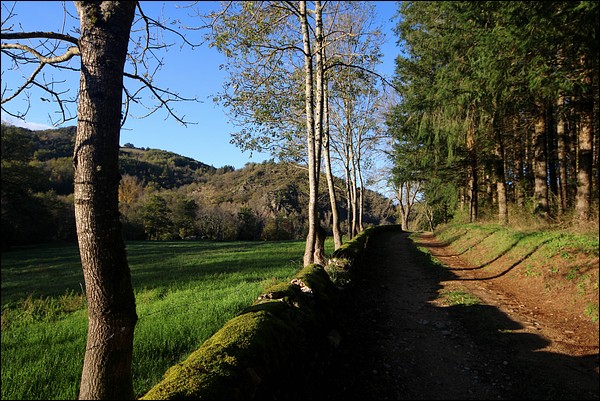
Should you harbor an aversion to dense mysteries, this page is certainly not for you. Herein lies the documentation of a forsaken house, tucked away in a remote corner of the countryside. More isolated than this - nestled at the furthest reaches of a dead-end path - is scarcely imaginable. It evokes the profound stillness of a thebaid, a sense of being at the world's end, utterly removed from civilization. One must truly be "in the know" to stumble upon it. The original explorer discovered it merely while walking their dog; even then, it was only sighted from the opposite bank of the river. An unparalleled talent for discovery? Unquestionably so.
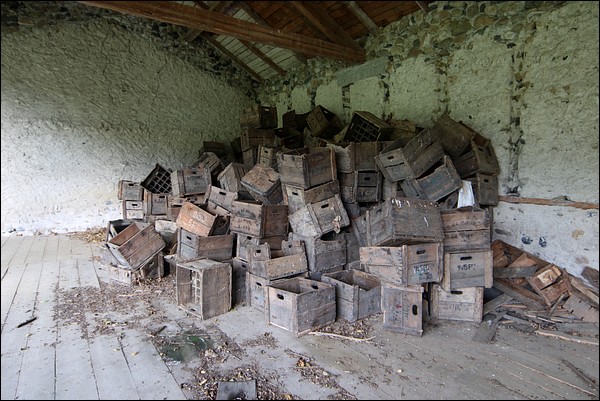
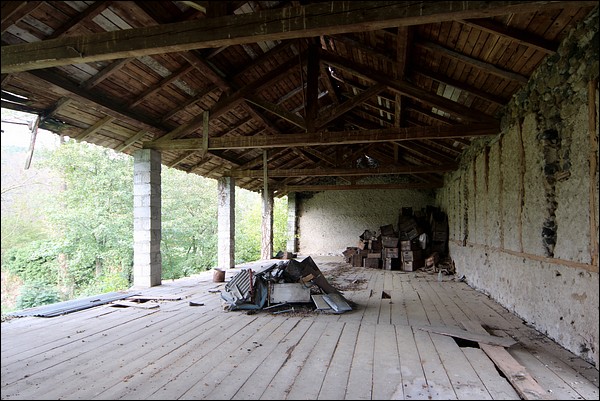
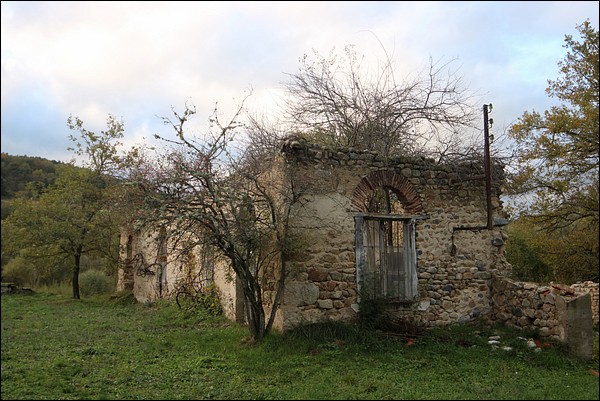
The site was once a 19th-century artisanal or industrial facility dedicated to bottling mineral water, then reputed to cure colic. Operations continued until 1966. Within a barn, one finds a Veritable mountain of crates once used for storing bottles. There remain the ruins of a chapel - quite picturesque, in fact - and several vestiges of a former mill.
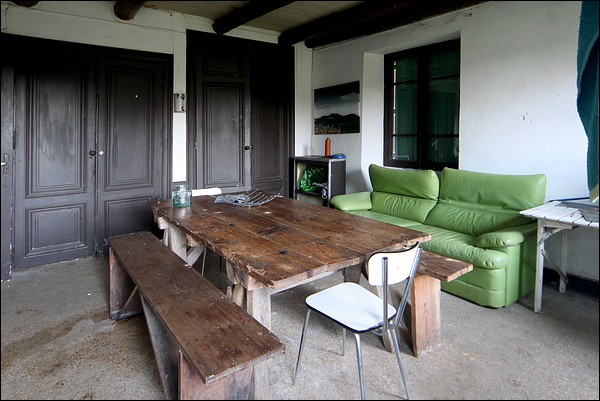
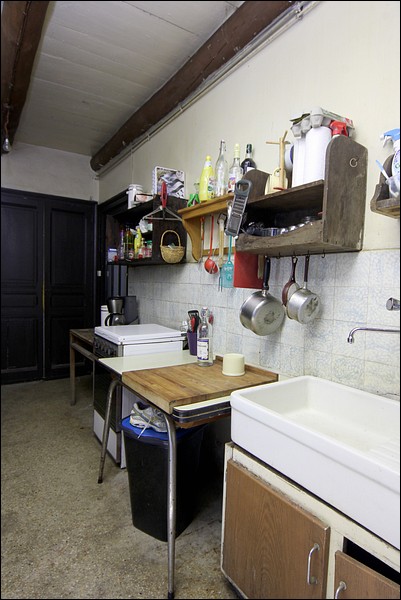
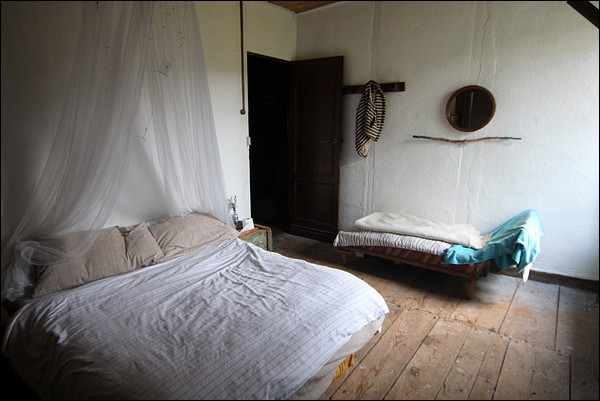
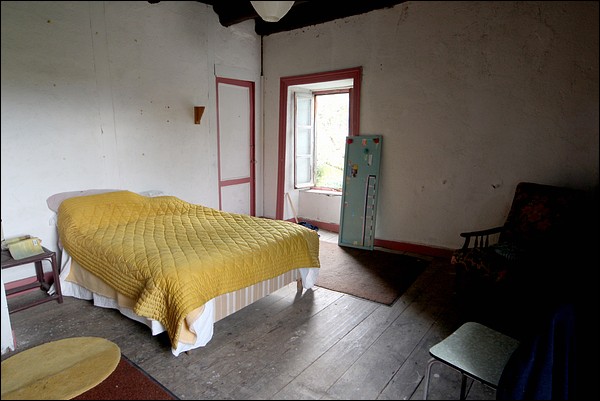
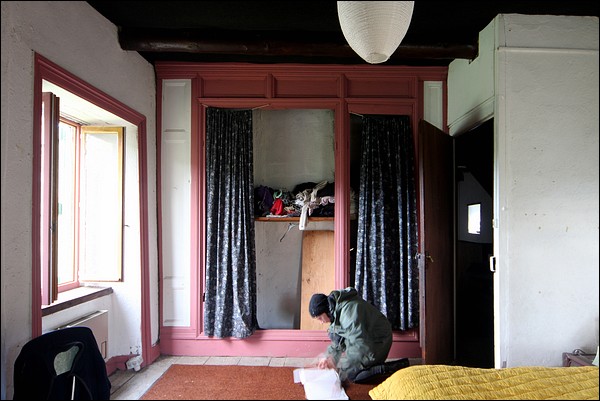
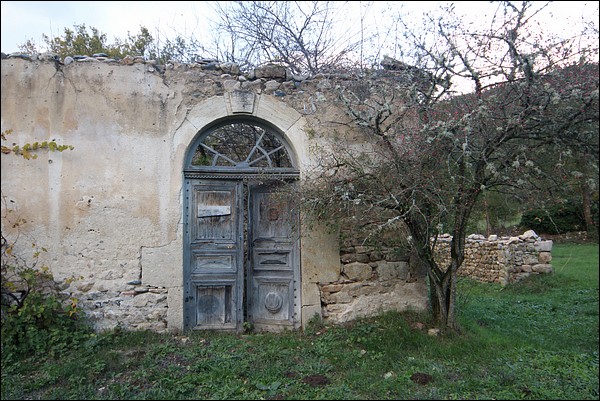
And then, there is the house... a total enigma. According to the accounts shared with me, one of the windows is suffering a severe collapse, primarily from within. Humidity permeates the structure, and the frost violently dislodges the stonework. The shutters are held in place by blue livestock twine; even so, it would take very little for the entire assembly to collapse, as it seems to endure by mere providence. Consequently, the house stands open to the elements, a most unfortunate circumstance.
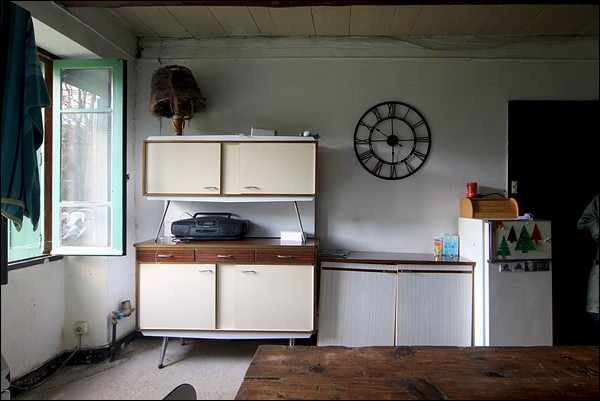
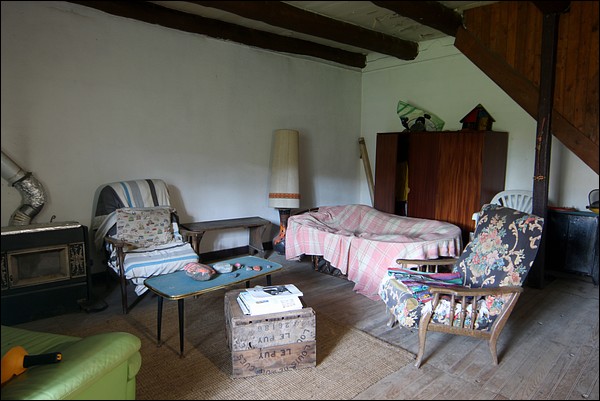
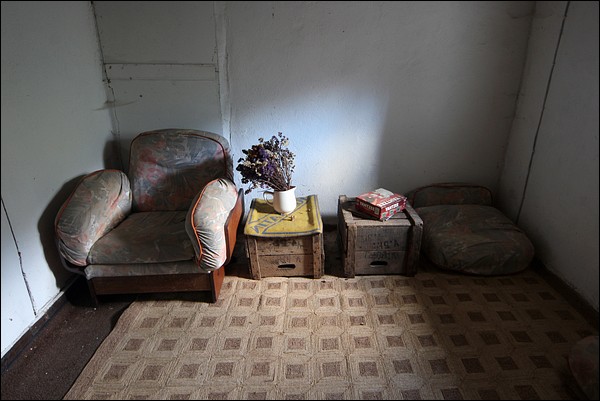
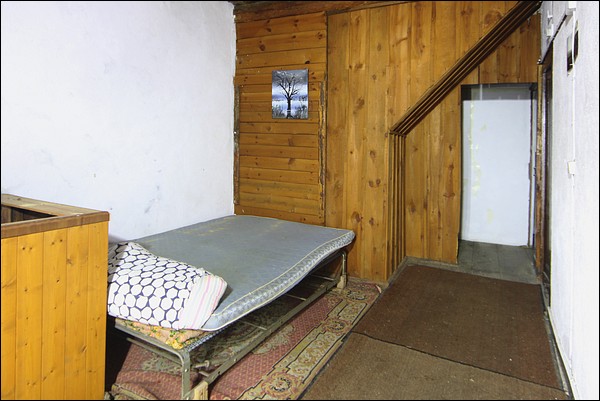
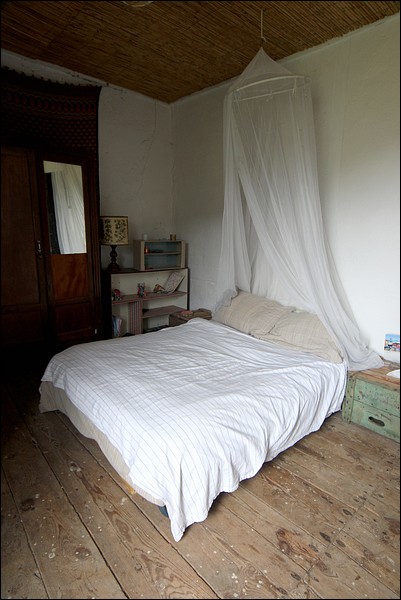
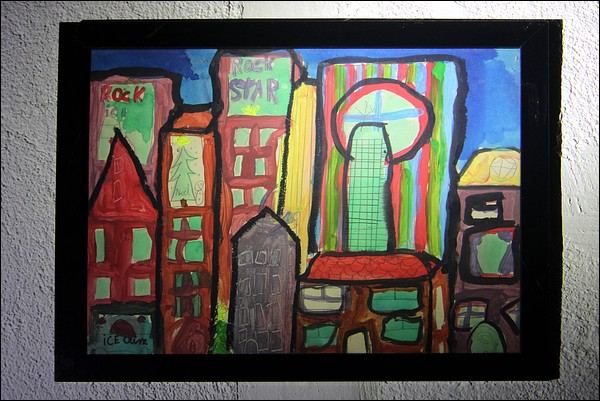
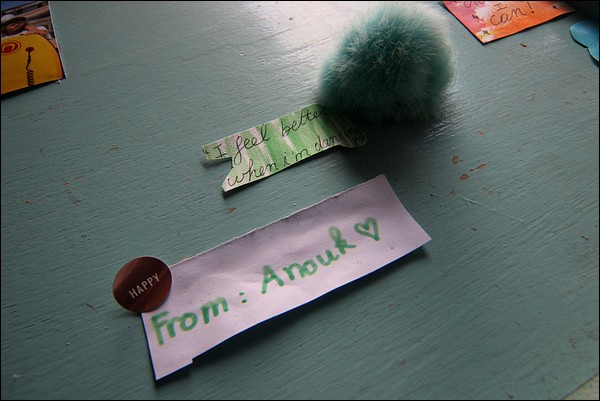
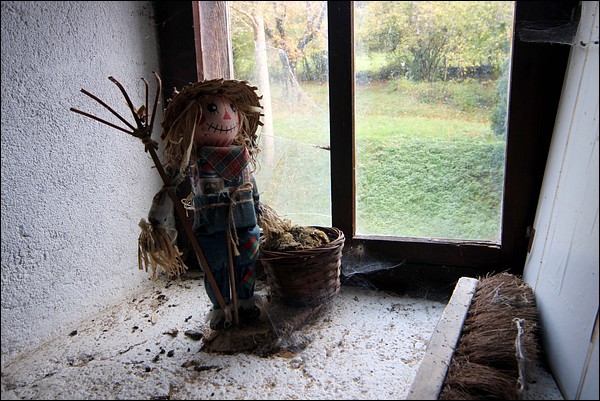
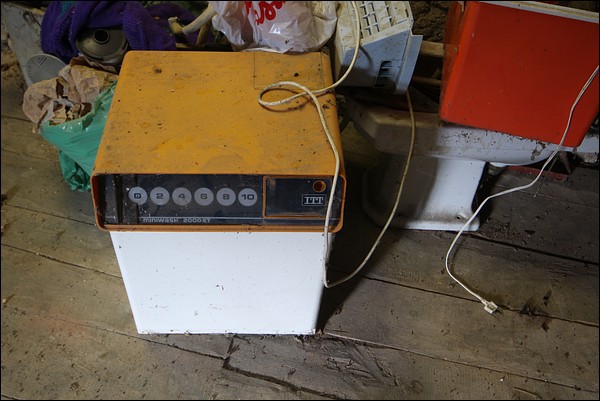
The state of the roof, and of the bedding as well, precludes any healthy habitation. It is a ruin. The issues with dampness are deeply concerning. No trace of an owner (neither correspondence nor invoices) could be found, yet there is an abundance of English literature interspersed with French volumes. The surrounding bric-a-brac defies explanation.
The visitor's primary hypothesis, as presented during the exploration, is as follows: it is an abandoned site occasionally occupied by locals who see it as an opportunity. This would explain why the equipment is utterly dilapidated yet just functional enough, and why the kitchen garden remains partially tended. In a sense, it is the village's "little house" - somewhat forsaken, yet frequented by well-intentioned local youths seeking a moment of respite. Truthfully, such benevolent behavior is characteristic of this region.
Yet, how does one account for the mold-ridden state of the bedding? "The Source" remains a riddle to which an answer will be hard to find. The traveler opened the shutters to allow light for photographs, then secured everything once more. I was later informed that three years later, during a walk with the dog, nothing had moved save for a few everyday objects.
Given the dense mystery surrounding such a residence, we have shared its coordinates with no one. Reportedly, the site subsequently suffered severe devastation due to flooding, particularly in 2024. At times, there are places that, having suffered once, seem destined to suffer always. Nothing is certain. All we can wish for the unknown owners is a radiant future - a wish we extend equally to this house and its enchanting surroundings.