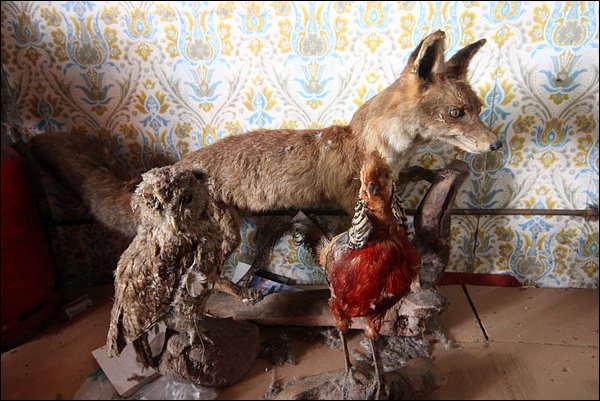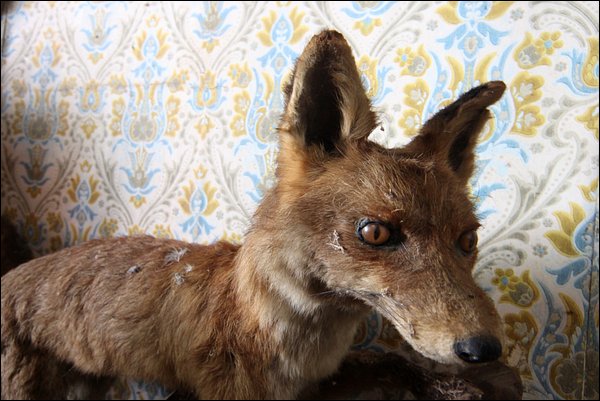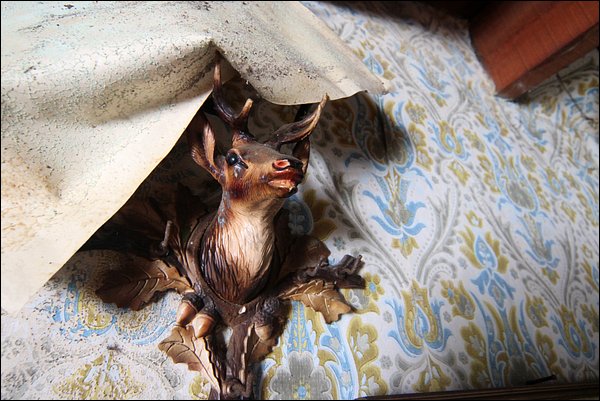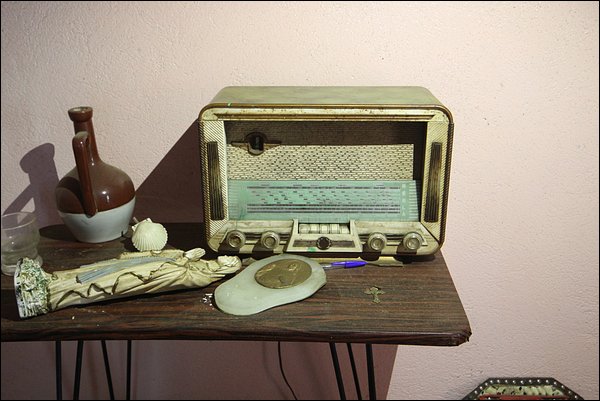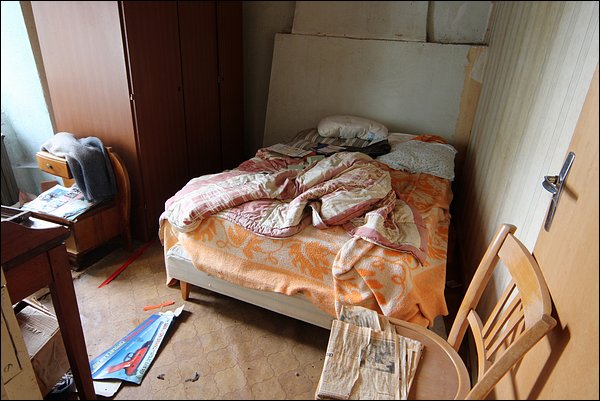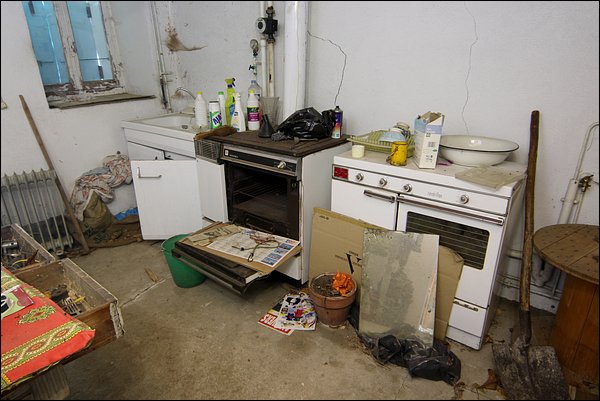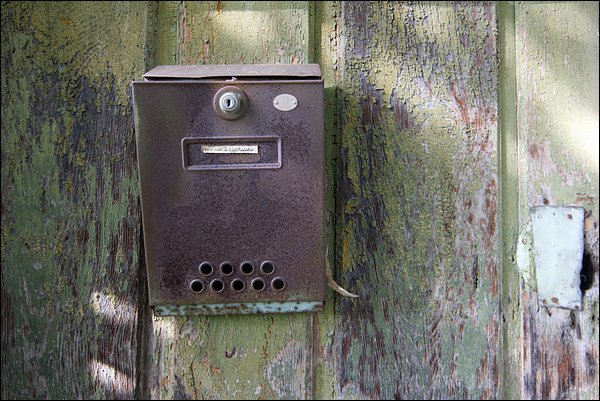
Aimé's abandoned house
We received photos from a traveler and compiled them into a historical summary.
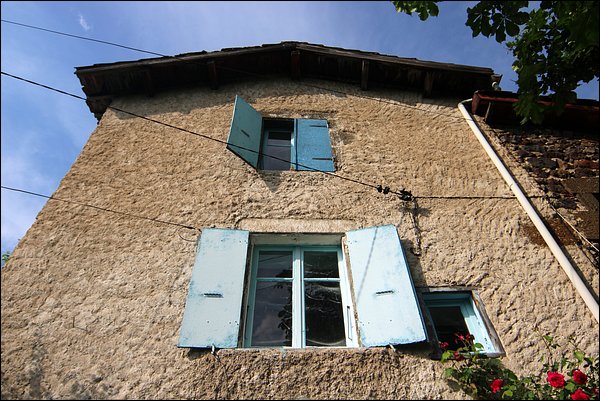
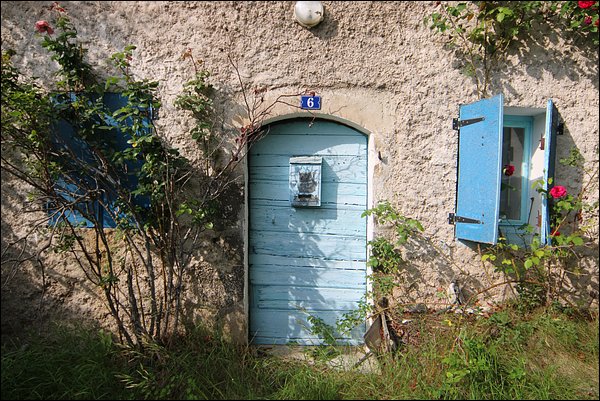
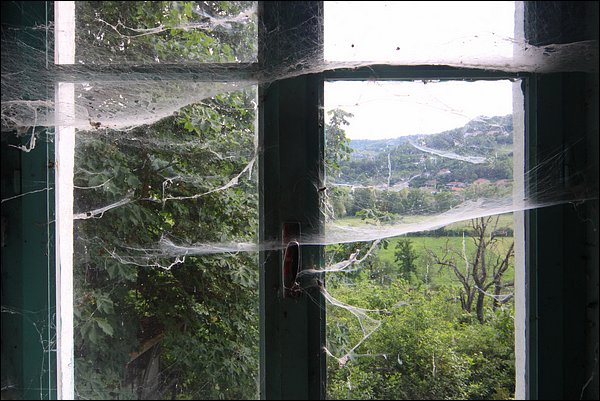
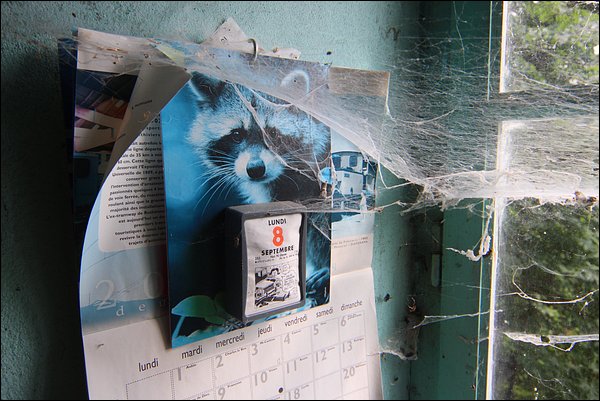
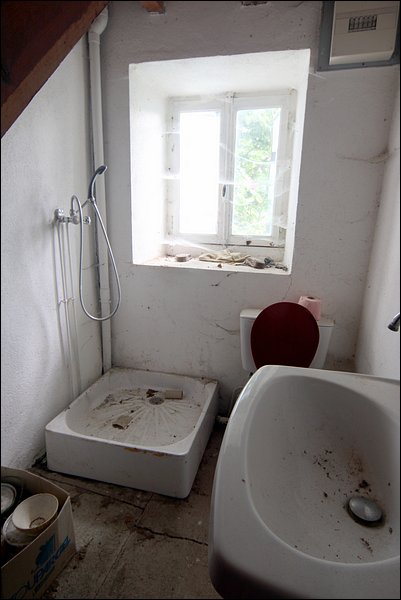
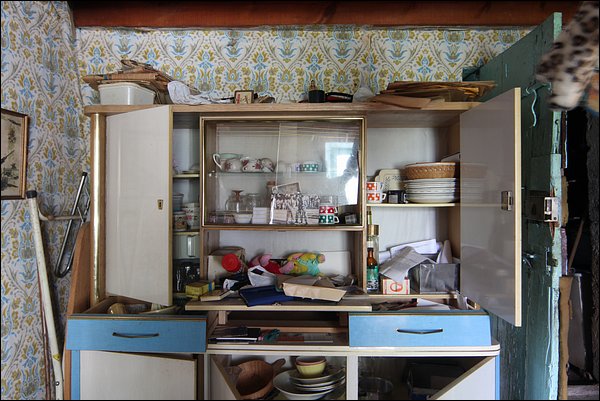
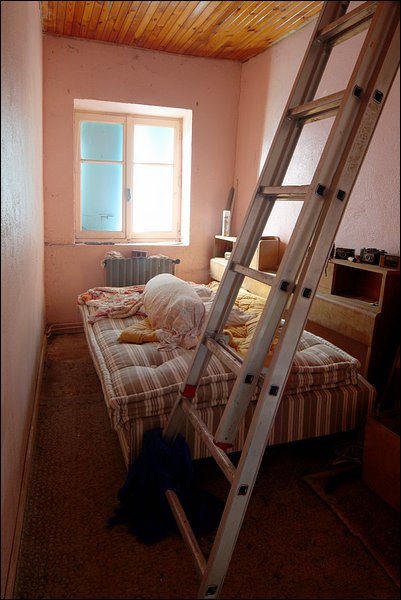
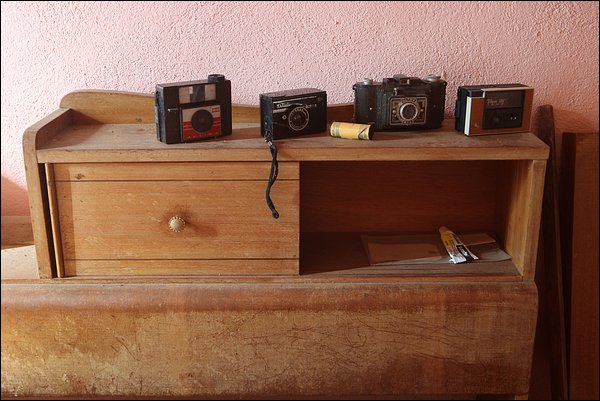
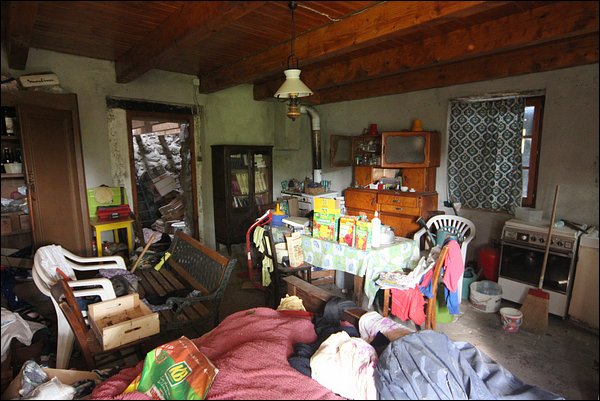
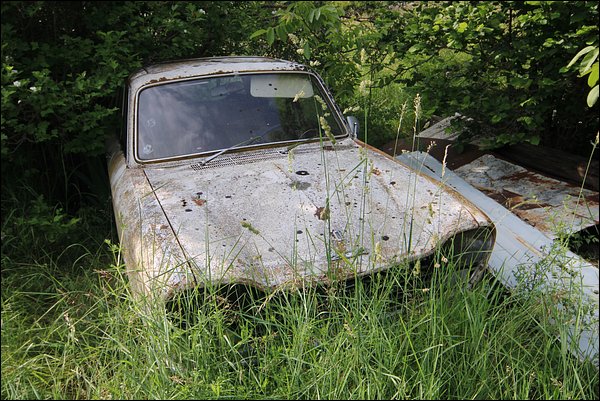
Today, we are visiting a house that has been abandoned for quite some time - likely around five years of motionless silence. The house is completely isolated and undetectable; we discovered it thanks to the help of someone who knows the neighborhood well. I would like to extend my warmest thanks for their assistance.
Given that this house is undeniably fragile, I will not share its location in order to protect this precarious heritage from thieves and vandals.
The Story of Aimé
The house belonged to Aimé M., a kind retiree born in October 1934. He was married to Victoria B., who was born in October 1926. Aimé passed away in this same commune in July 2018 at the respectable age of 83. We found traces of a son, Jean-Luc, who evidently left to work in Texas, USA, and a daughter about whom we know nothing.
Victoria and Aimé separated in 1983. Victoria appears to have passed away in 1999. Records suggest that Aimé had a second wife, or at least a partner. During that period, he reportedly left this house to live with his companion in a nearby town apartment.
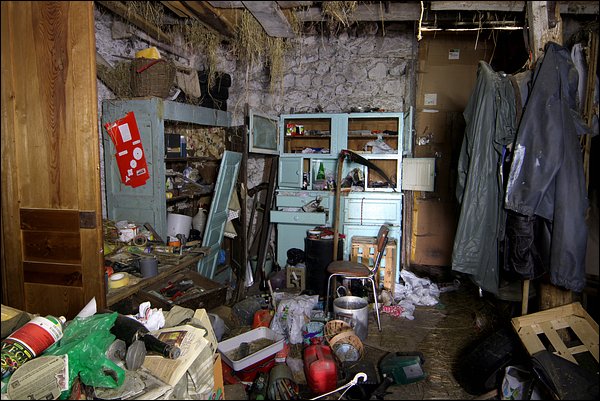
Aimé lived in the house on the left, which is rich in personal heritage. Attached to it on the right is an old, dilapidated house used only for storage. In 1999, the joint ownership ended, and Aimé legally acquired the remaining part of the property. According to well-informed neighbors, the house on the right belonged to the mother of his first wife, Marie B. There were major rifts, a divorce, and long-standing disagreements. It is also noted that Aimé struggled with heavy alcohol consumption.
A Decorated Past
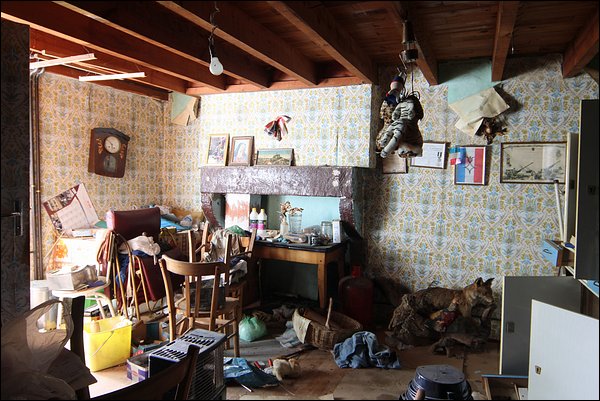
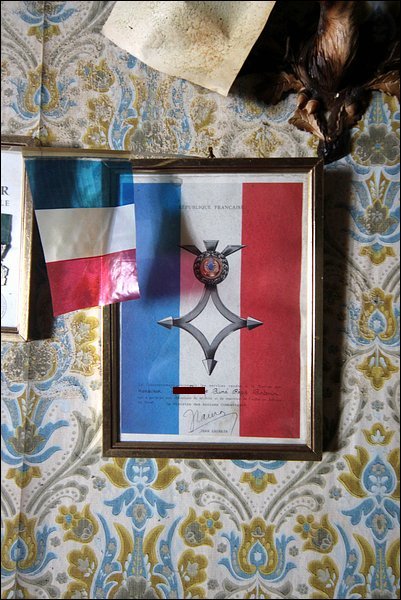
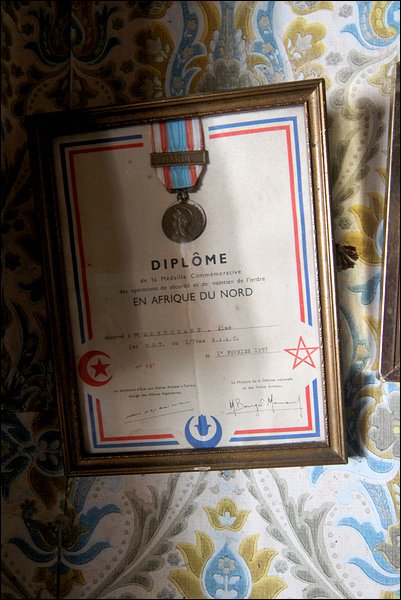
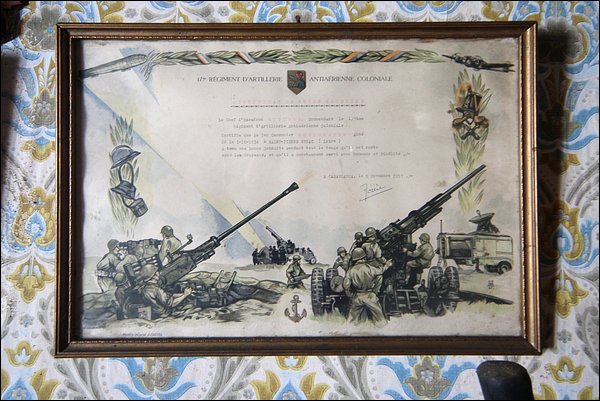
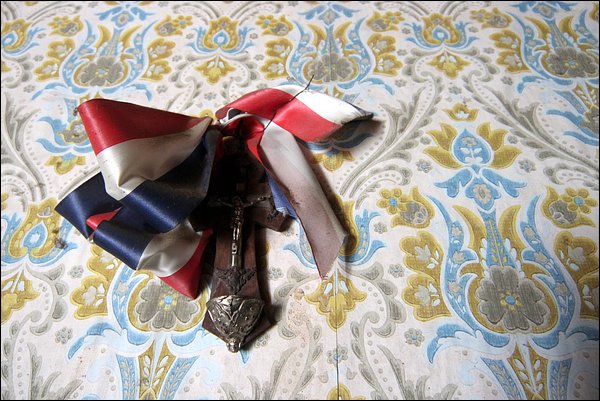
Aimé had a significant military career during his service in Morocco. He appears to have been a "Premier Canonnier" (First Gunner), as evidenced by a commemorative plaque. He was officially thanked and received several diplomas. On the walls hang medals and flags, signaling how important this period of his life was to him. Another diploma honors his career as a "meritorious worker."
From the photos and records found, Aimé was neither a Harki nor a Pied-Noir. He was a French national who served a long military term in Casablanca and other sectors of Morocco.
The Unsolved Knot
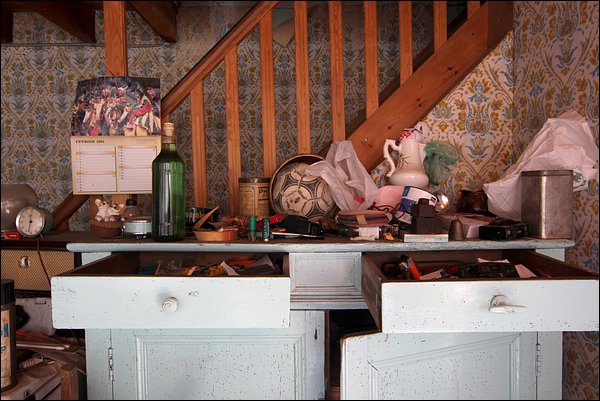
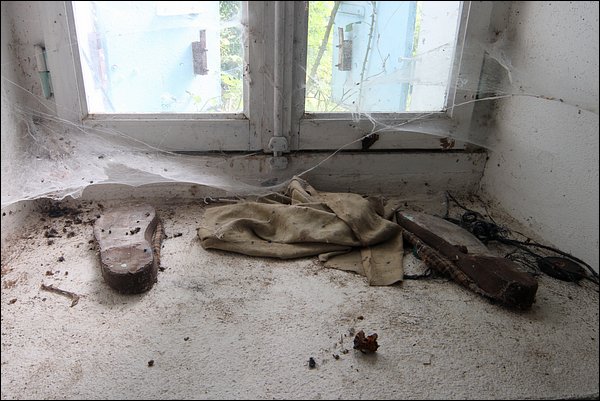
We often intervene in places where there is a "knot" - a complication. What is the knot of this house? We have no idea. Was the estate left unclaimed? Was it refused due to debt? Is the inheritance being contested? Or is it simply a matter of geographical distance? We do not know. Regardless, the house has been empty for a long time; you can see it and feel it.
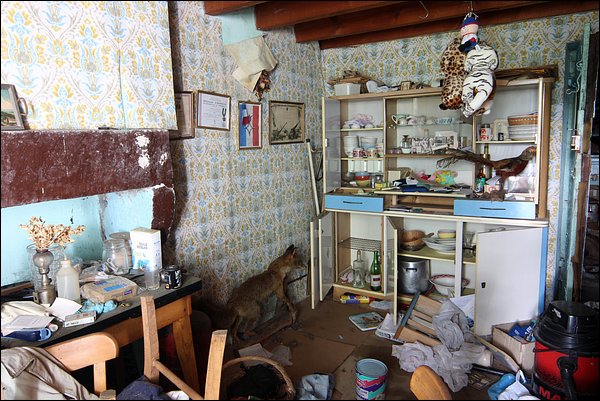
The house remains petrified in time. Nothing has moved. Only a few searches were conducted by people looking for a "gold ingot" - though one can guess there is nothing of the sort to be found in the country home of an elderly man. The neighbors live close by and keep a watchful eye on the building.
Since the home is well-preserved and has not fallen victim to vandalism, we did not take any photos or documents. They belong to the house as much as they belong to the family.
A Final Tribute
As of now, we have not found Aimé's grave - everything suggests he was buried in a communal plot. On the other hand, we felt his presence intensely within the house. This explains why we felt such deep respect for him. It is through this approach that I want to honor his destiny, through these photos and the description of the documents we recovered. I invite you now on an intense visit to a place of great emotion that meant a lot to us.