Abandoned village - Grospierres, le Chastelas
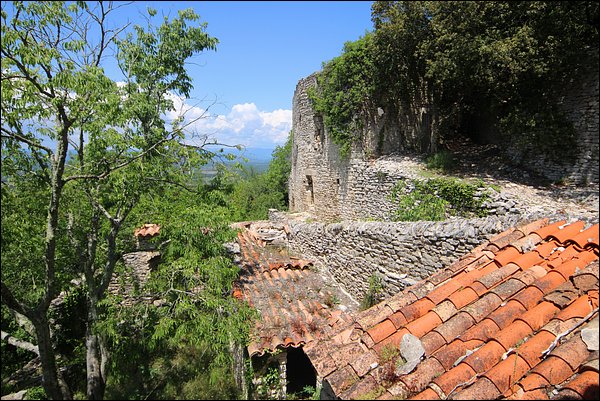
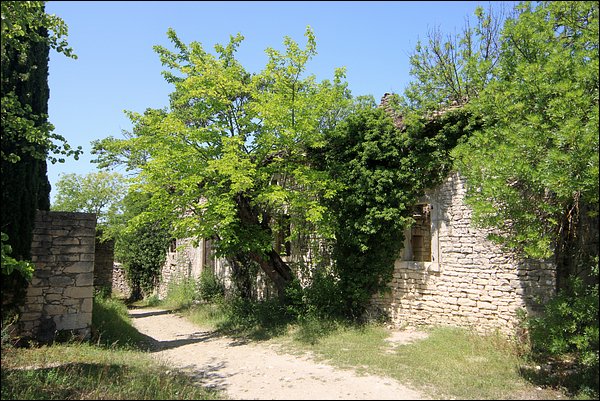
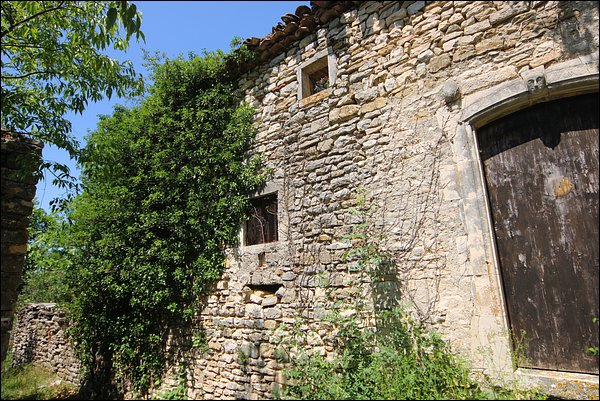
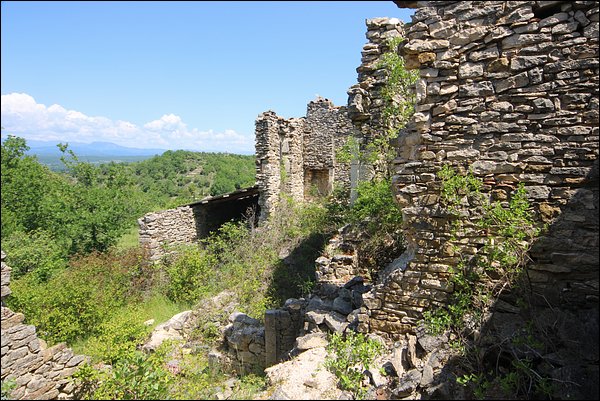
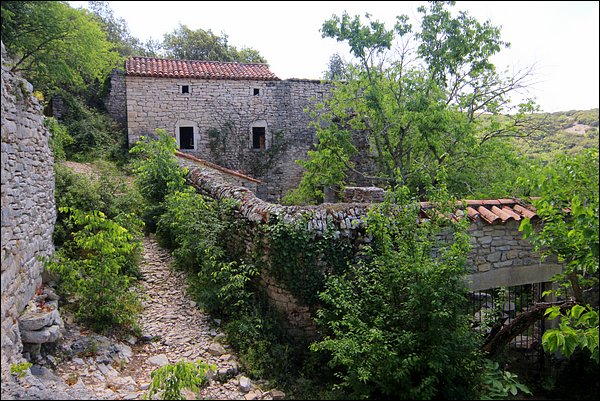
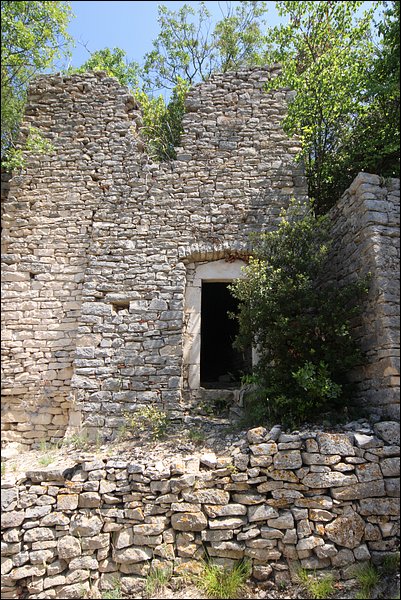
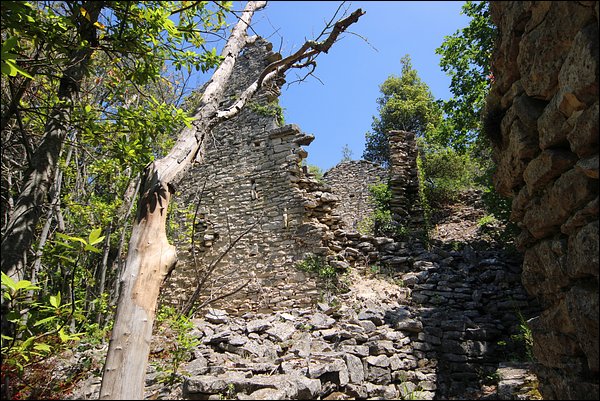
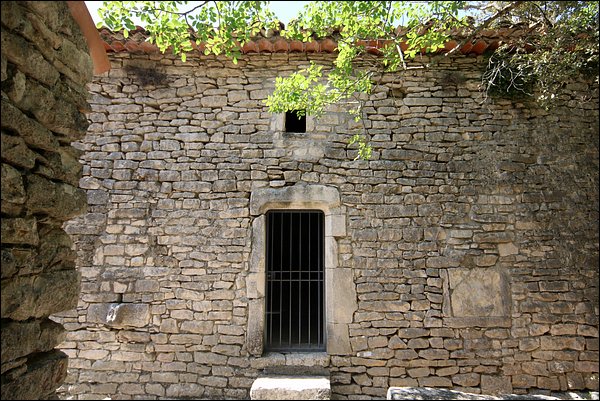
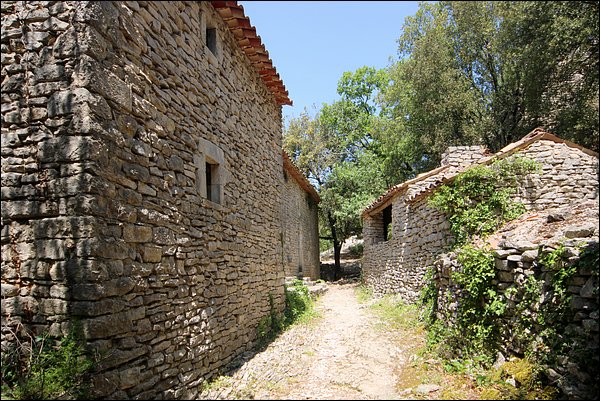
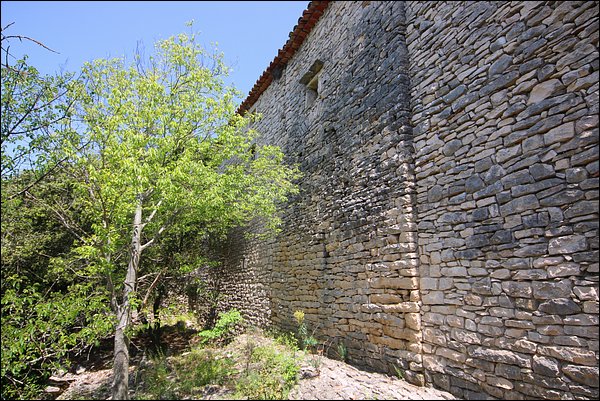
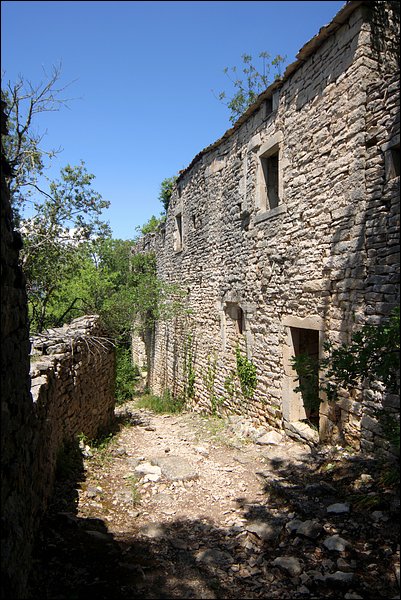
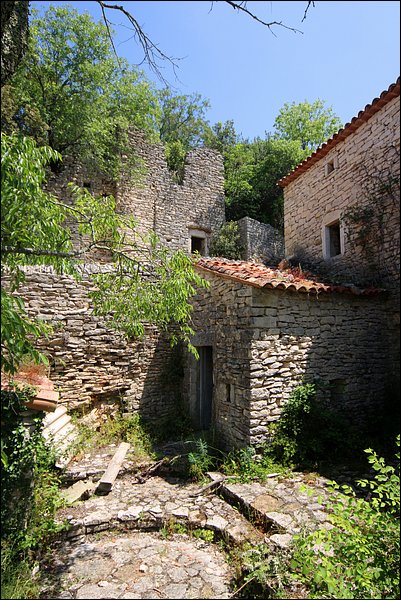
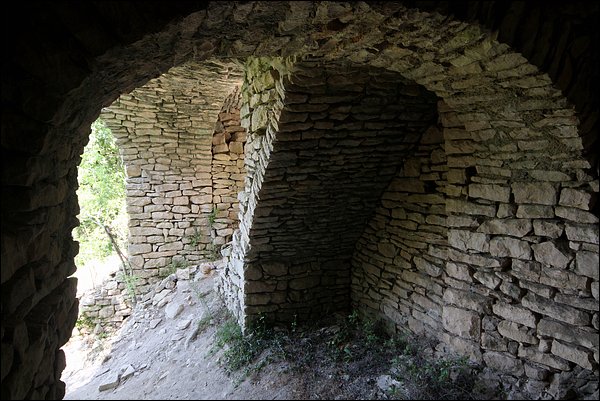
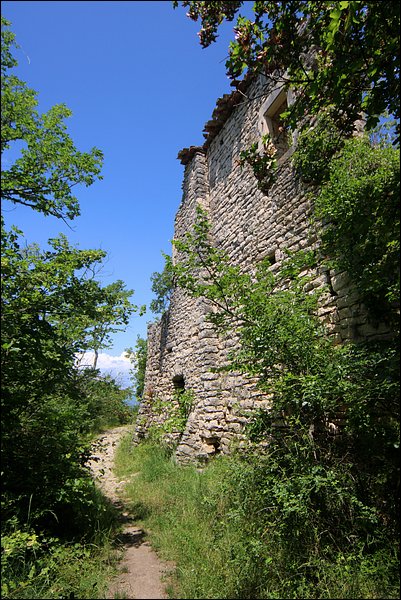
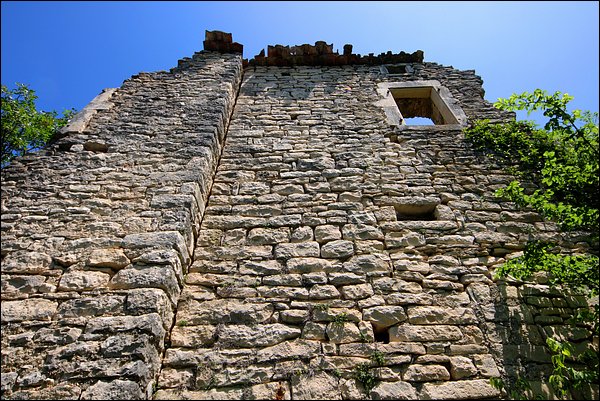
This page is a documentary on the ghost village of Chastelas, located in Grospierres, Ardèche. This type of report sits right on the edge of "Urbex," given that the site is in a state of total ruin. The houses were already abandoned by 1930. To avoid paying property taxes, the former inhabitants would dismantle the roofs upon leaving - an act that significantly accelerated the decay of the buildings.
Is it an abandoned village? Archaeology? In a way, it doesn't matter. This deserted hamlet offers a fascinating hike and a landscape that is truly out of the ordinary (unlike Rochecolombe, for instance, which isn't actually a ghost town despite what you might read).
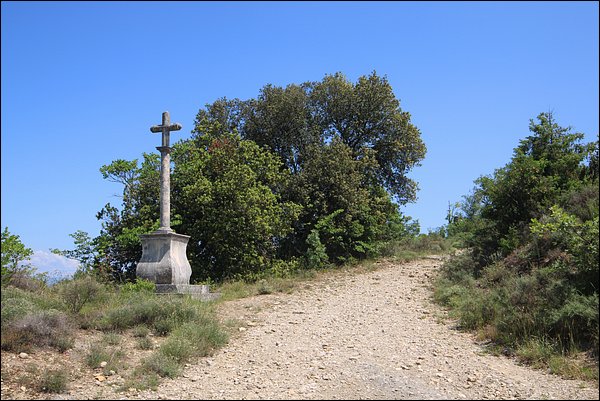
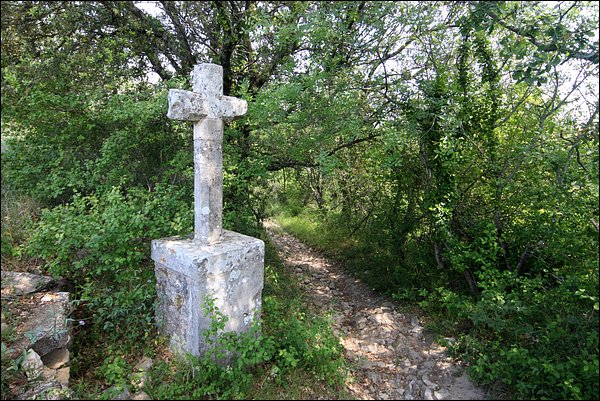
Reaching the ghost hamlet of Chastelas is confusing, to say the least. It's a tangle of small backroads where it's genuinely difficult to find your bearings. In reality, a small parking lot dedicated to hikers exists at the bottom of the path. There are no access restrictions to the site, though a large portion of the dwellings remain private property.
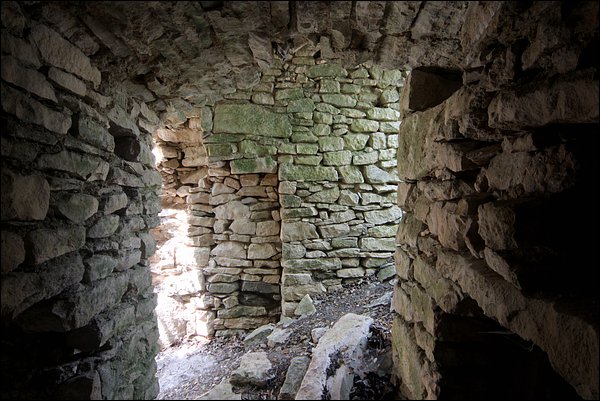
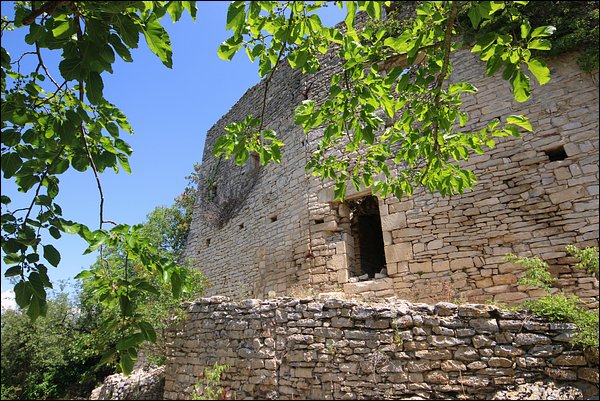
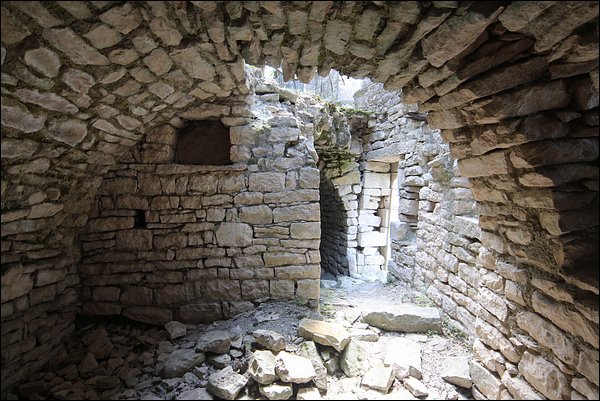
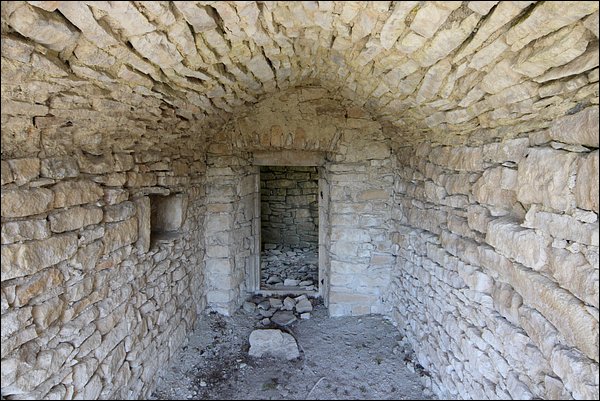
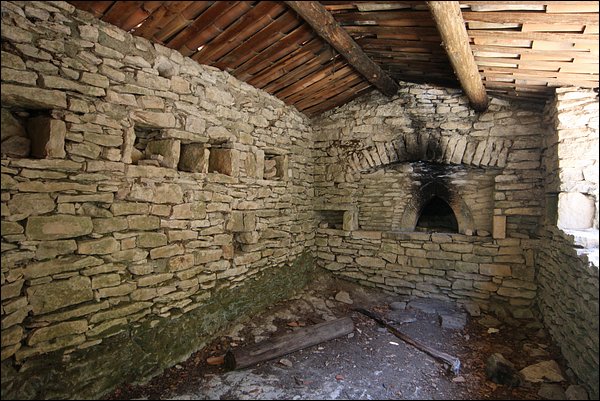
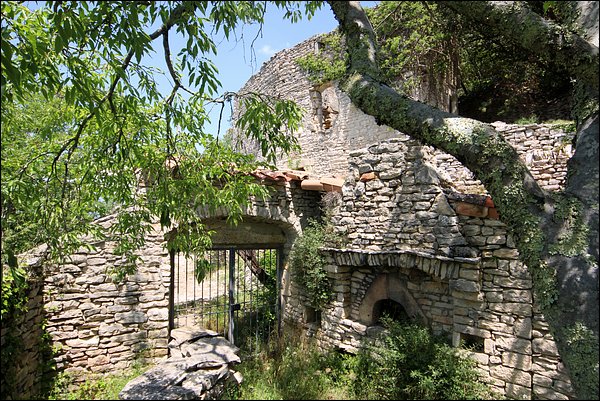
An association, Renaissance du Chastelas, owns some of the houses and is trying, as best they can, to renovate a few. This is particularly true for the castle and the bread oven. As they point out, the rest belongs to private owners or the local municipality. Many of the houses are in such a state that the walls or vaults have become quite dangerous.
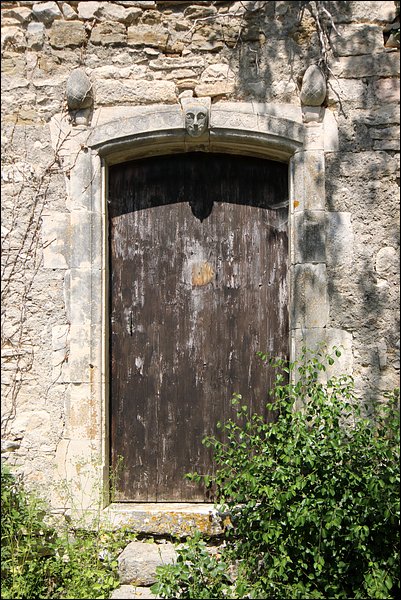
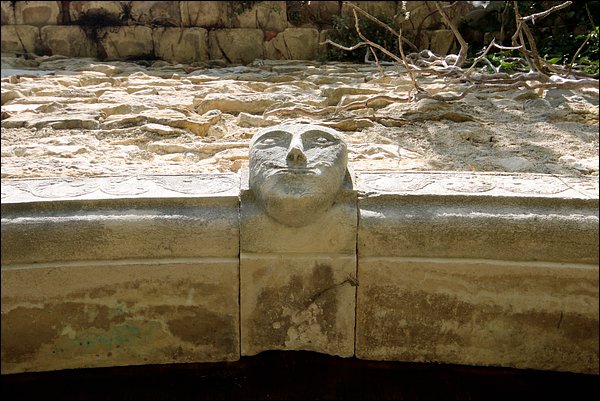
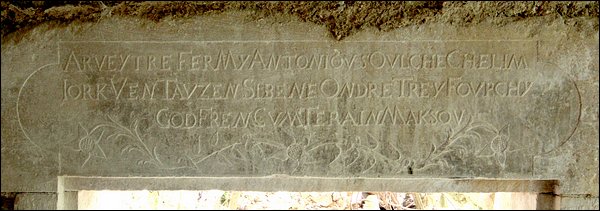
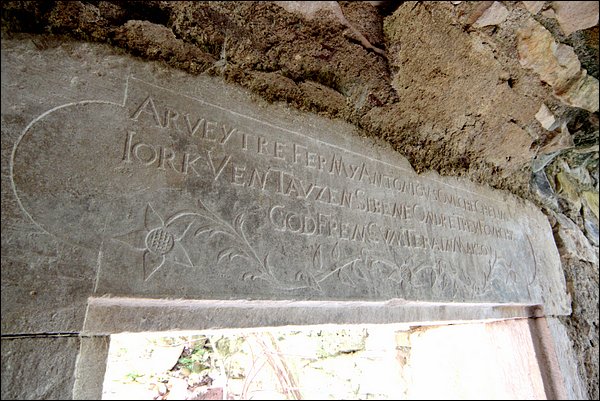
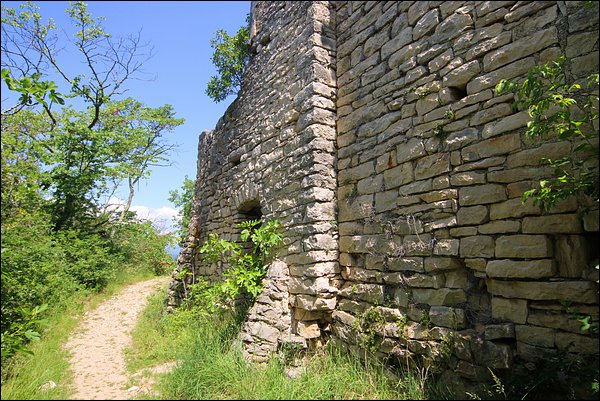
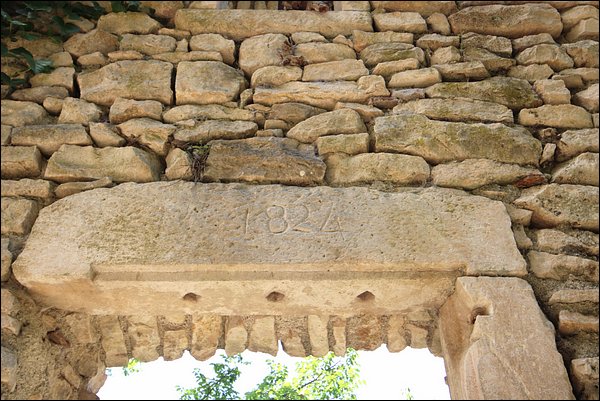
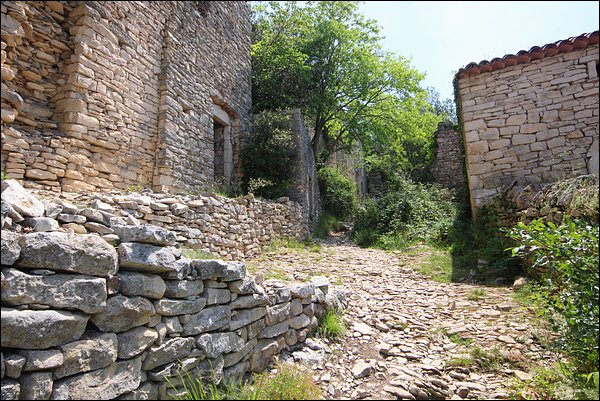
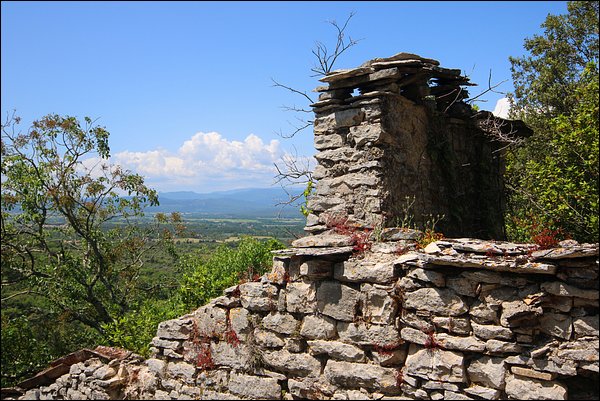
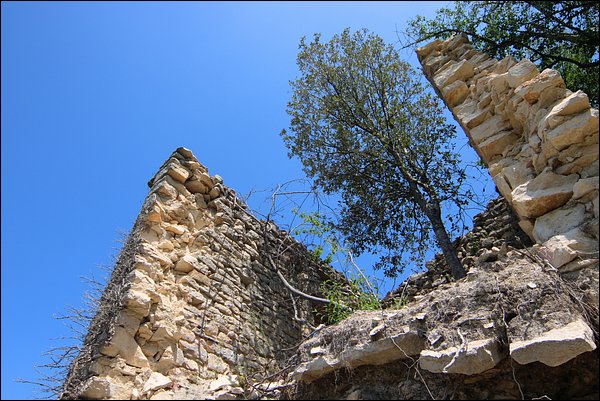
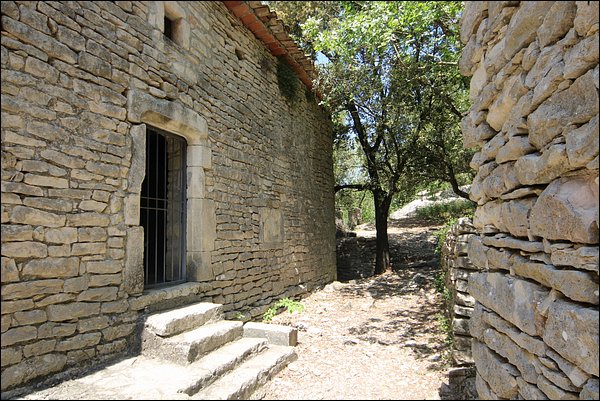
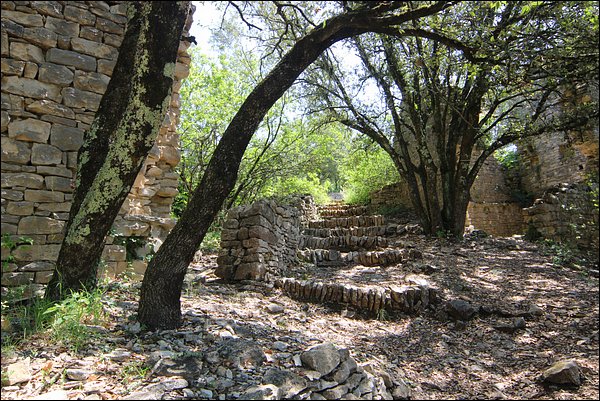
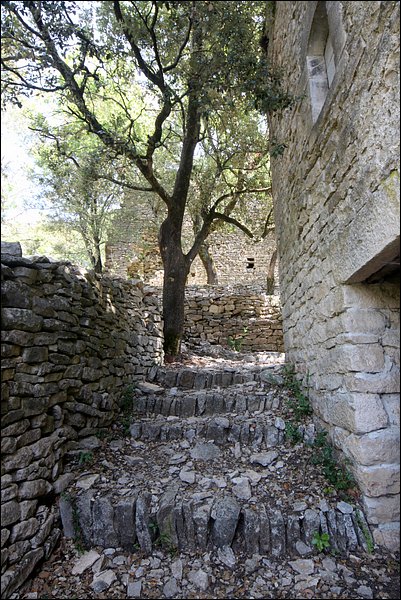
From what we know, the castle already existed in the 12th century. The dates carved into the houses - which are actually quite rare - mention the 19th century. However, judging by the architecture, many are clearly older. The structures are almost entirely consumed by vegetation; very little escapes its grip.
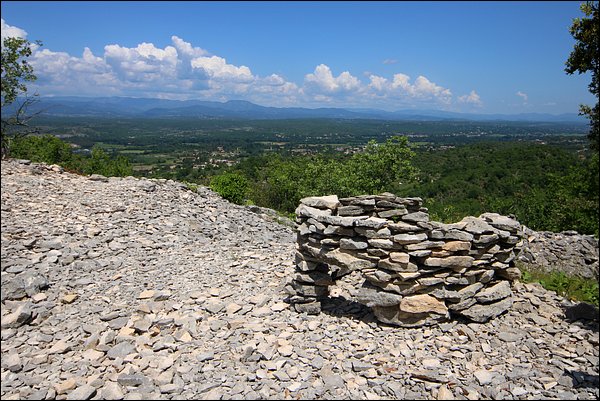
How did people live in such an arid, austere place? The surroundings are nothing but stones and a multifaceted jungle. A massive rock overlooks the village, seemingly without a name. A little further along, a magnificent chapel is called Notre-Dame des Songes (Our Lady of Dreams). It's a name that inspires reverie. Further still, one can swim in the crystal-clear waters of the Font Vive. A dream location? As I often say about Thines, where I live: even the most beautiful setting can turn into hell when you can't make a living there.
The inhabitants left bit by bit for an easier life, though here, the agricultural decline happened even earlier than elsewhere. Records show the village was empty by 1930. This predates "The Yellow Rain" and the abandoned villages of the Spanish Pyrenees. In short, the peasants undeniably buckled under the hardships - understandably so - and moved down to the fertile plains. This departure is what has left us with the landscape we see today.
The hamlet contains about 28 houses, though it's hard to tell for sure. The buildings are intertwined and sometimes confusing. I invite you to take a walk through it. The light is much better in the evening - don't make my mistake of going early in the morning.