Chadrac & Polignac, Mamette's abandoned house
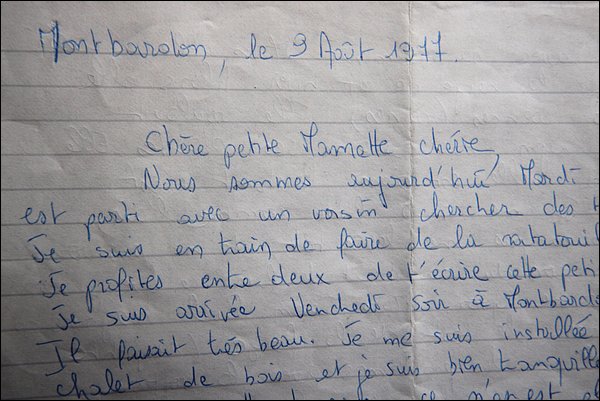
We received photos from a traveler and compiled them into a historical summary.
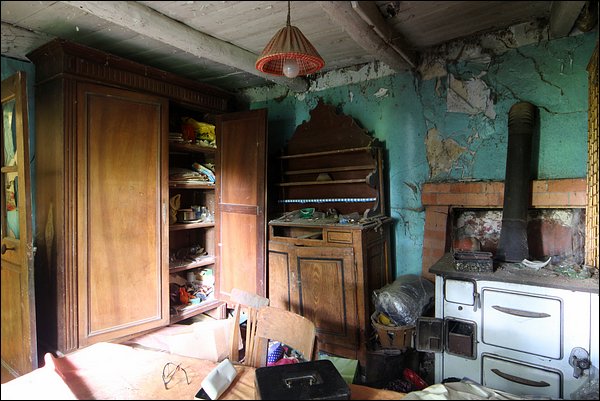
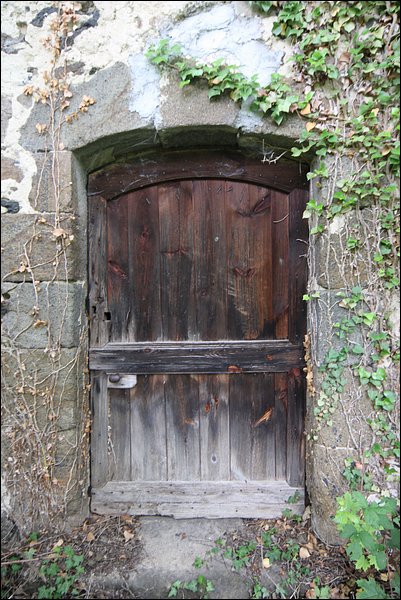
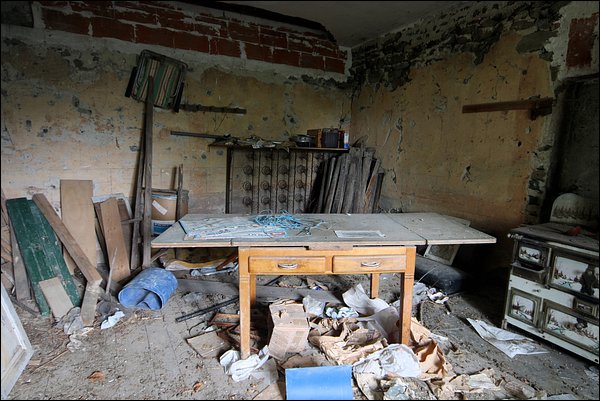
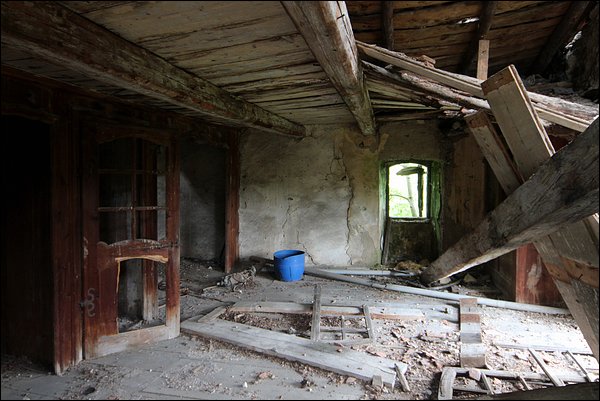
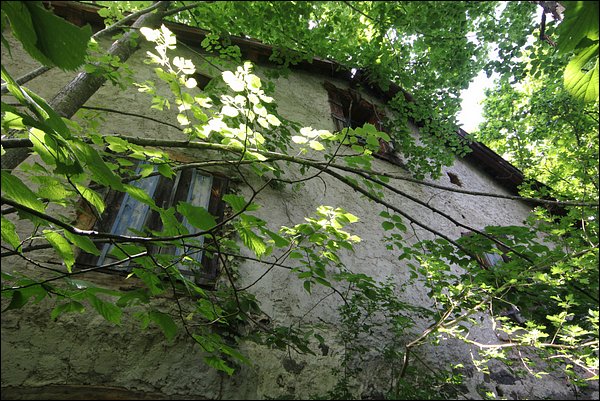
Today we set off to discover an abandoned house deeply isolated in the undergrowth. It is a remote location that was pointed out to us; otherwise, we would never have found it. The house is located at a place called Baubac (sometimes Beau-Bac), formerly in Chadrac, now part of Polignac.
At first glance, the house looks ordinary. Well, far from it - it turned out to be quite an adventure.
A few months ago, in June 2023, I published a piece about this house, which we called "Mamette's House." It was an intriguing subject because, of "Mamette," we knew nothing except her nickname. Almost nothing else was identified, especially not a real name. Over the following weeks, a relentless search began - notices were posted, we moved heaven and earth. It was frustrating, or perhaps "obsessive" is a better word. The more we searched and found nothing, the harder we pushed!
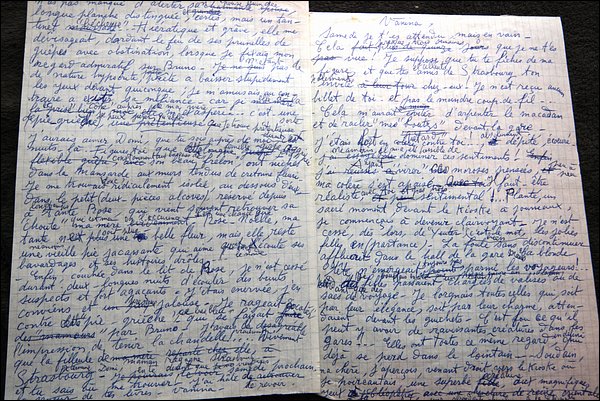
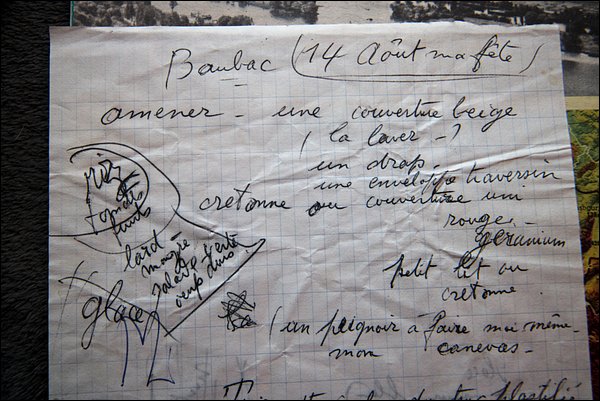
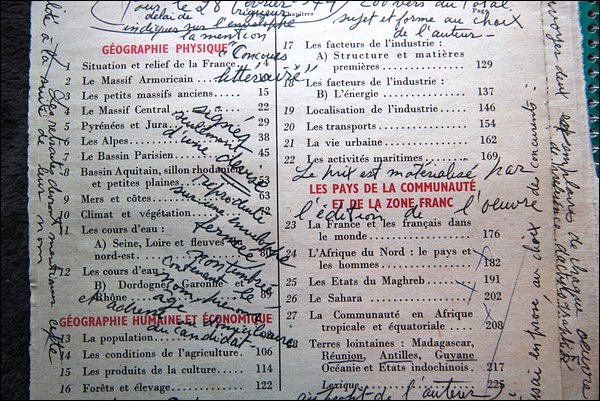
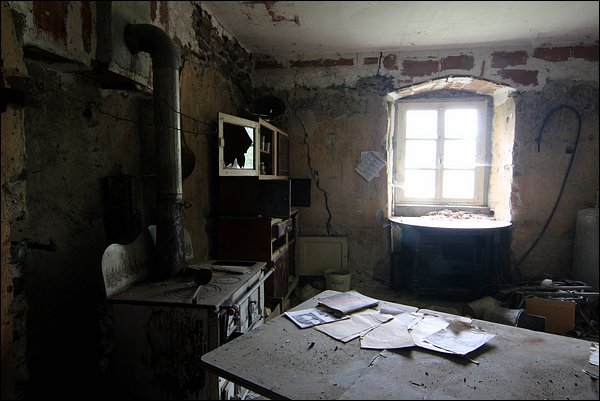
When we began sifting through the scattered papers in the house - and I am deeply grateful for the help I received, as they were scattered and difficult to sort - we discovered strange writings. At first, we thought Mamette had lost her mind; we feared she had gone mad, and we felt a sense of dread, wanting to leave the house. But upon digging deeper, we realized Mamette was actually writing a sequel to a novel by Voltaire! This explained the many disjointed notes that seemed to make no sense. In reality, she was perfectly lucid; she had been collecting words with similar phonemes to later integrate them into her text. Mamette was, in fact, a woman of letters.
Between June and September - less than four months - the truth came to light. We had searched, turned over every stone, and imagined so many false paths, building a narrative full of errors. Since then, I have received two phone calls from the family that finally clarified everything.
The Real Story of Marie-Louise
I was contacted by Mamette's granddaughter, Rachel. She asked if she could recover Mamette's archives. By a stroke of luck, she lived in the same town my brother was moving out of; since he needed help with his move, I was able to drop the papers directly into her mailbox. Rachel gave the papers to her mother, Eliane. It brought them immense joy, as they possessed absolutely no writings by Mamette - not a single word. There are no coincidences; our actions (especially Alicia's, who found and saved these papers) made this joy possible.
Rachel DUBERSTEN provided us with the information that corrected our initial, gap-filled investigation.
Eliane DUBERSTEN is her mother.
Mamette was Marie-Louise BRUN, Eliane's mother.
Marie-Louise married Georges GAUVENT.
Eliane shared a wealth of clear information, proving that while we can imagine a thousand stories in Urbex, we can also be completely wrong. "Good grief," the amount of nonsense one can invent! More than ever, Urbex demands rigor.
"Mamette" was her nickname. To Eliane, she was always Mamette. While we thought it came from the Languedoc dialect for "Grandma," we were wrong: here, it meant "Maman" (Mom). This "little Mama" was Marie-Louise.
The "Pink House"
The house we visited was a secondary residence, not their main home. At the time, it was lovely, without this overwhelming vegetation. She often came to Chadrac alone to write. She loved reading and, above all, adored writing. My previous claim that she was self-taught was pure fantasy; she had her primary school certificate (certificat d'études) and continued to educate herself throughout her life. Interestingly, she loved drawing plans for all sorts of things - fitting, since one of her granddaughters is now an architect. She spent hours imagining how she would decorate her home.
Marie-Louise and Georges lived in a council flat (HLM) in Chadrac. They bought the house in Baubac on a whim - love at first sight. Mamette called it "La Maison Rose" (The Pink House). Before moving to Chadrac, they lived in Lyon, which explains the Lyon address we found on a rat-gnawed envelope. Georges worked for the SNCF (national railways), and Marie-Louise was a homemaker. Upon retirement, they left Lyon; she simply wanted to return to Le Puy, where she had lived in her youth.
The house was eventually deeded back to the commune; it wasn't sold, but given away. Back then, there was a proper path through the meadows and they would cross the railway tracks without a second thought. Today, nothing remains of that path.
A Final Appointment
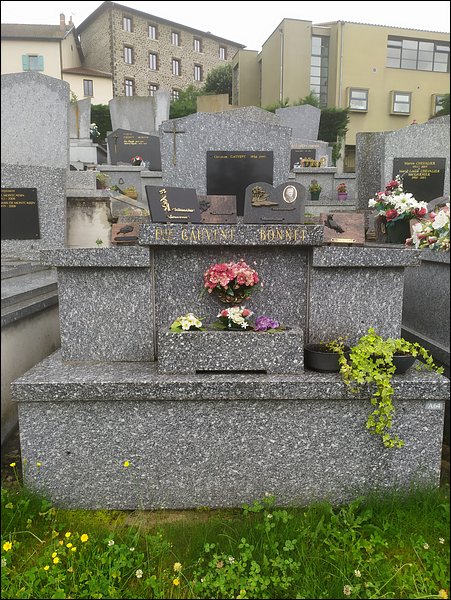
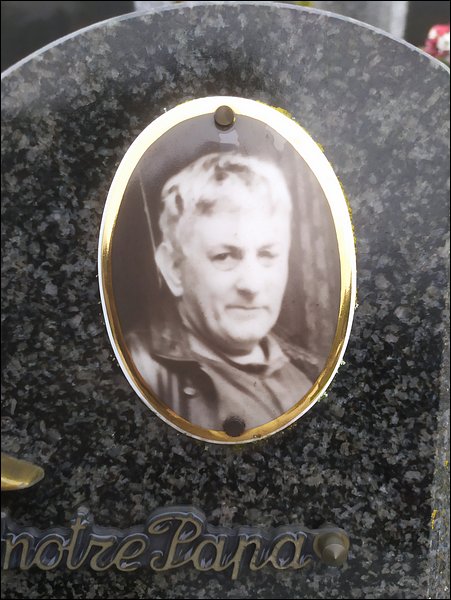
Marie-Louise is buried in Teilhet (Allier), a place she never lived, alongside her parents. Her name is not mentioned on the headstone. She passed away around 1983–1984, and Georges followed in the 1990s. The next step will be to go to Teilhet and lay flowers on her grave. Since it's just a stone's throw from Ars-Les-Favets, I imagine Ava will join me to extend this beautiful story.
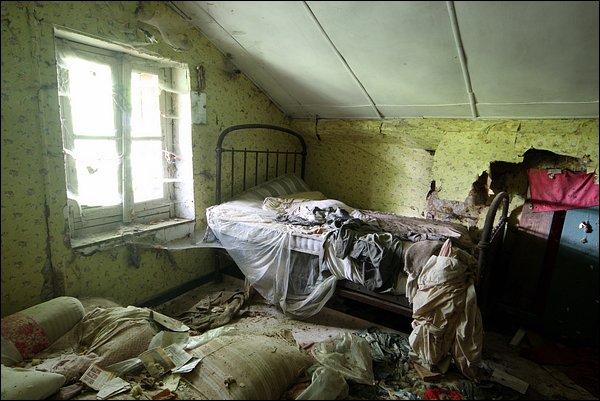
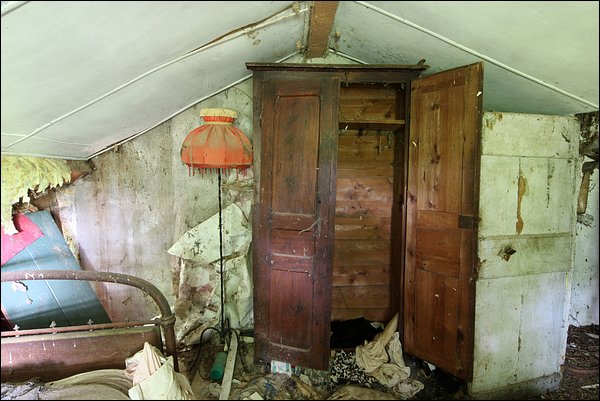
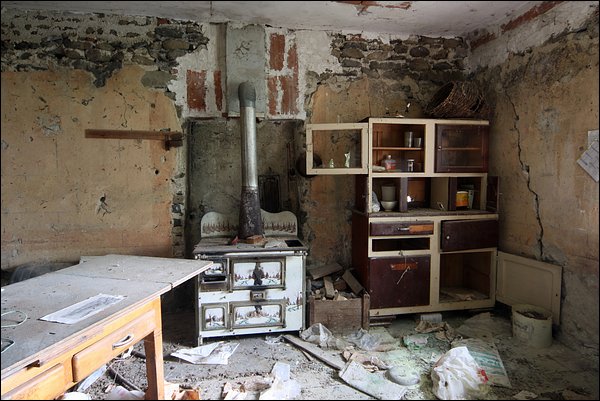
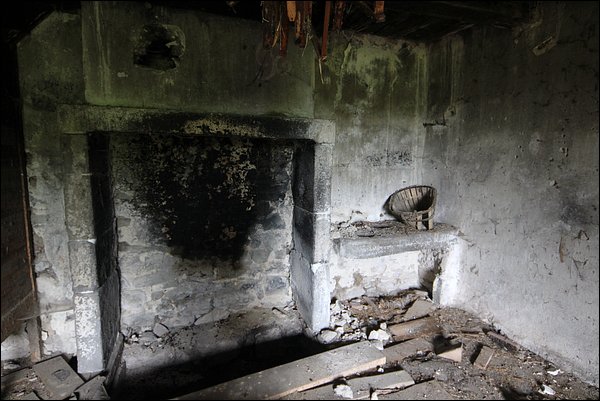
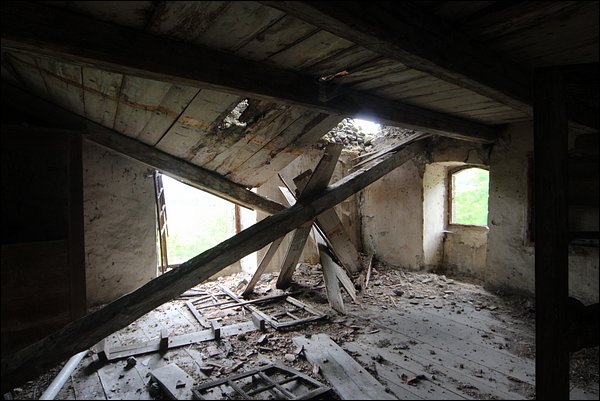
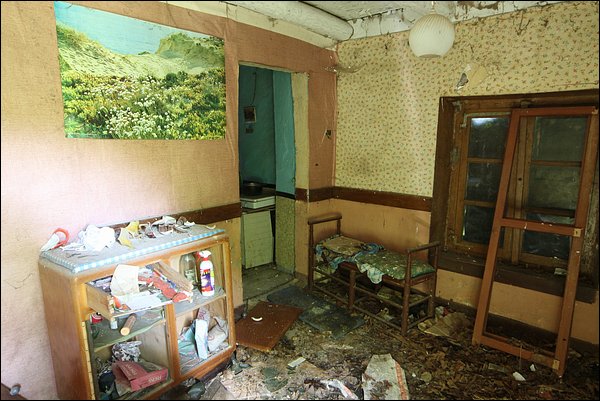
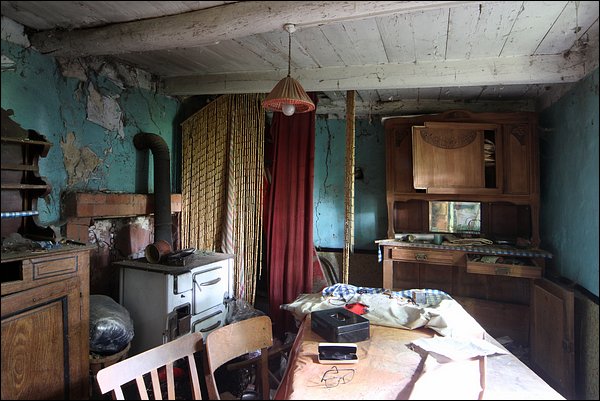
The house is in an advanced state of decay, lost to nature. You can see that Mamette kept everything. She wrote on every square inch of paper - between images, between lines of text, fitting in words, sketches, and lists wherever she could. It is a visit filled with emotion because you truly feel Mamette's presence beside you. We are far from alone in such a place. We want to honor her memory and keep the story of this person alive.
I invite you to visit this tiny, cluttered house. The path through it isn't easy given the amount of belongings, but it is worth the journey.
 .
.