Urban exploration - Granny-Knit's house
We received a traveler's photos and his narrative within the forsaken walls, and we have compiled a historical summary from them.
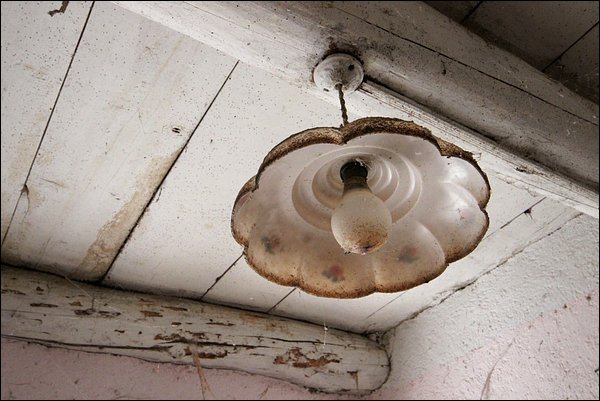
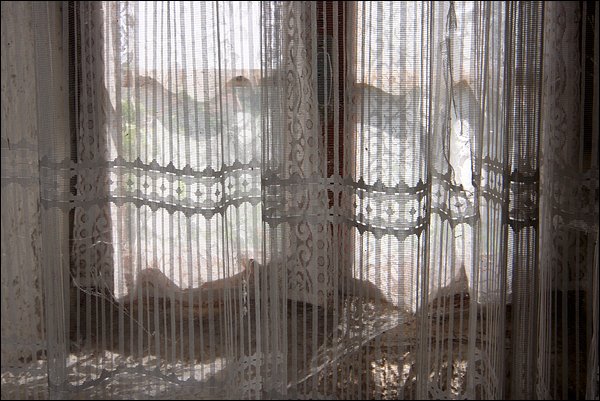
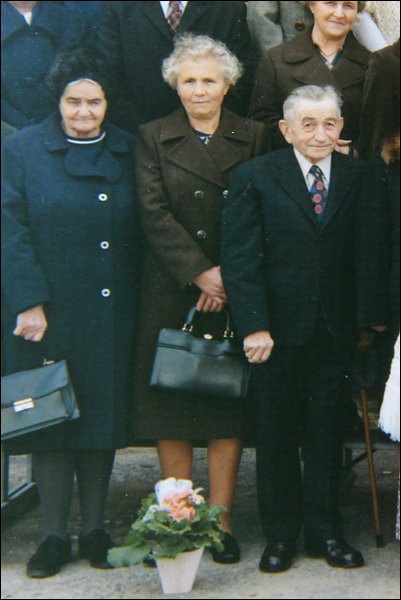
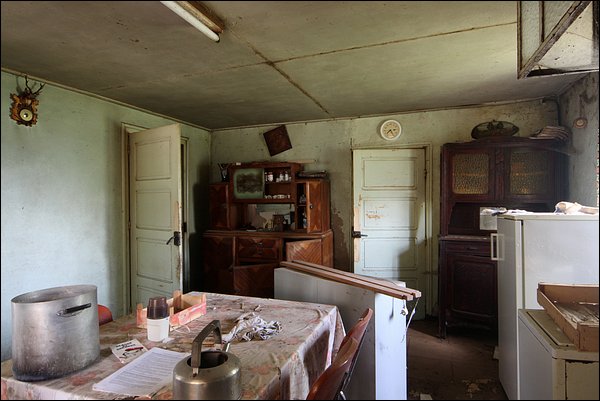
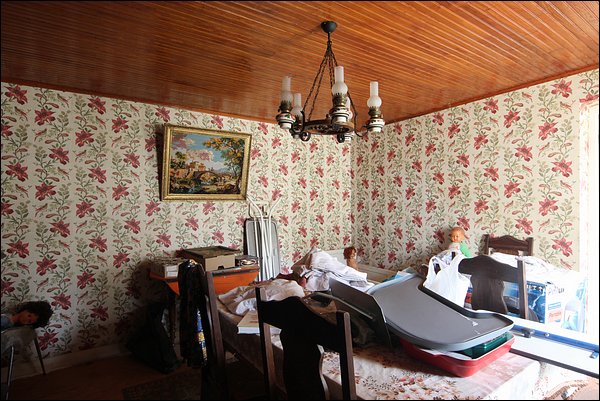
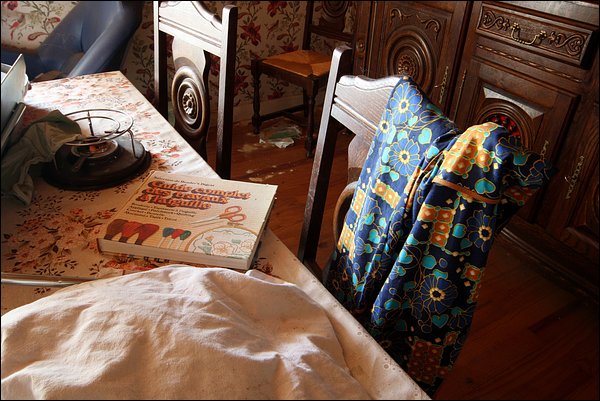
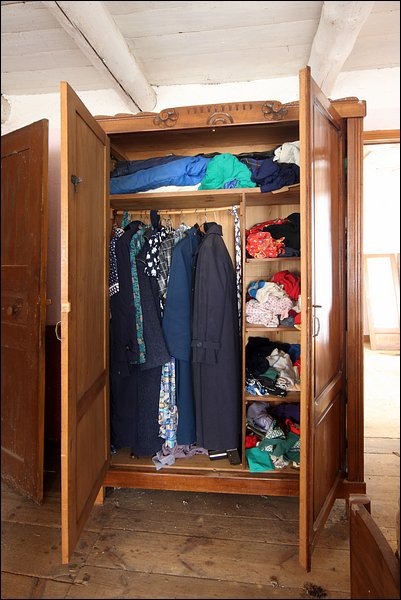
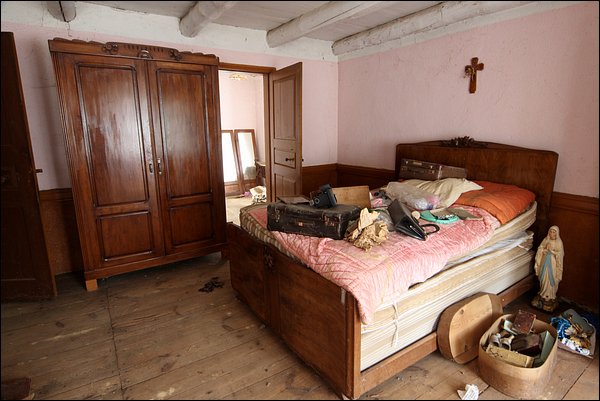
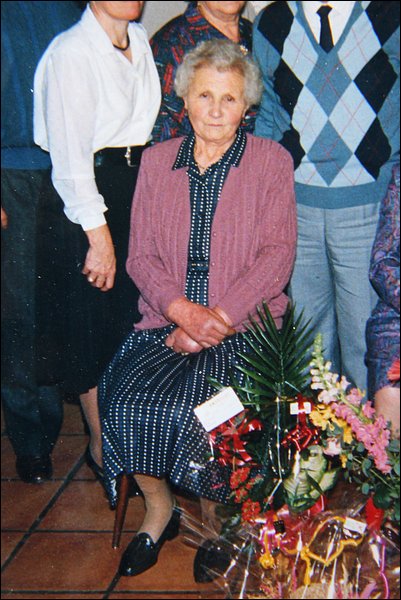
This is a visit to an abandoned house, nestled in a tiny, isolated hamlet. We are filled with great joy regarding this high-quality documentary, yet we are also unsettled. The place is fragile, intact, and poignant. Entering these premises, abandoned for a few years now, we feel the unvarnished presence of our wonderful little grandmother. We could call her "Granny Knit," as she clearly took such great care of her children and grandchildren. Weaving and crochet manuals are scattered about, along with hundreds of knitted items. I invite you on this gentle tour, which we are conducting with the utmost respect. This is the best we can do to honor the memory of this inhabitant; we feel we owe her that much.
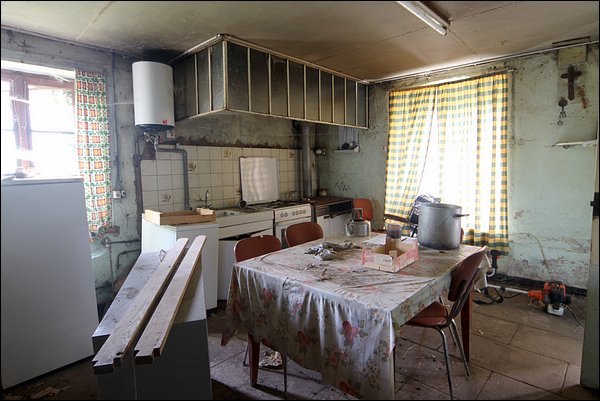
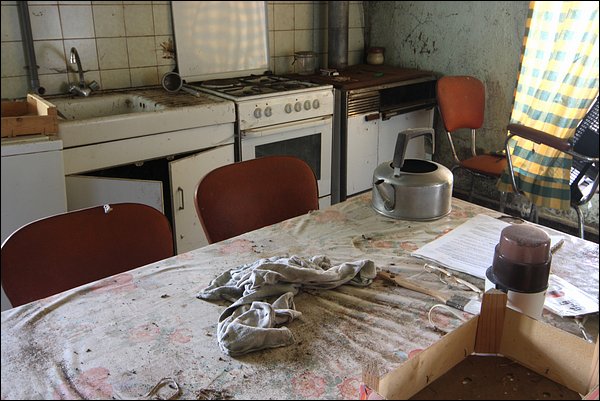
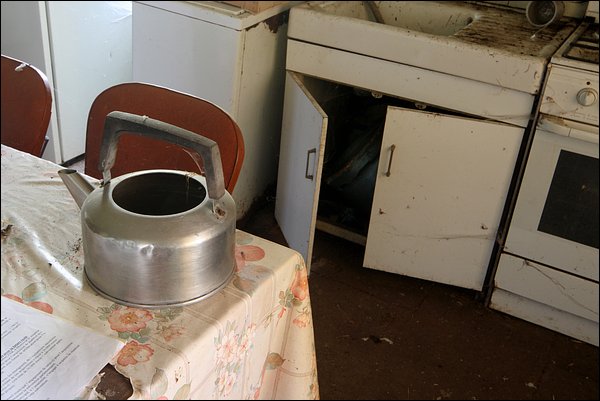
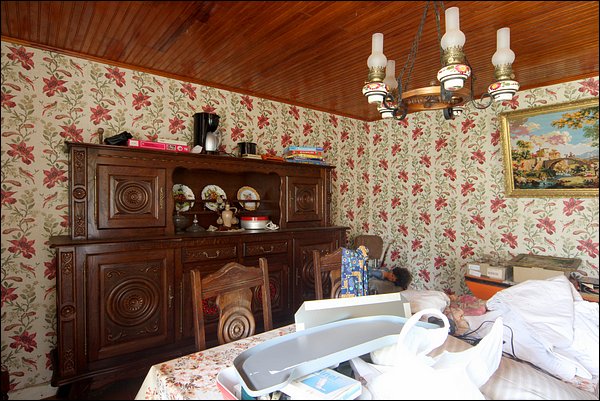
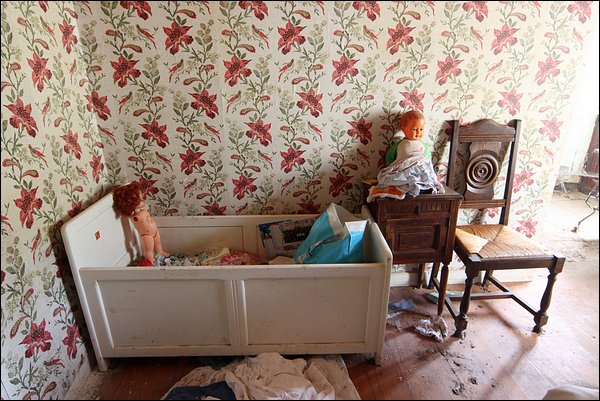
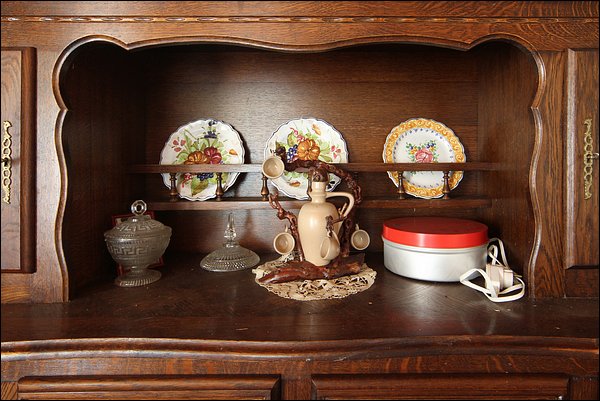
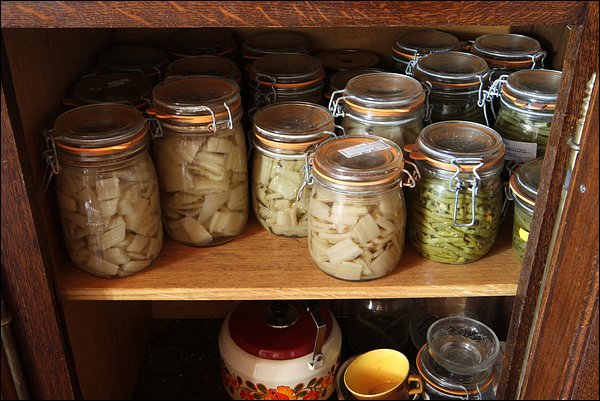
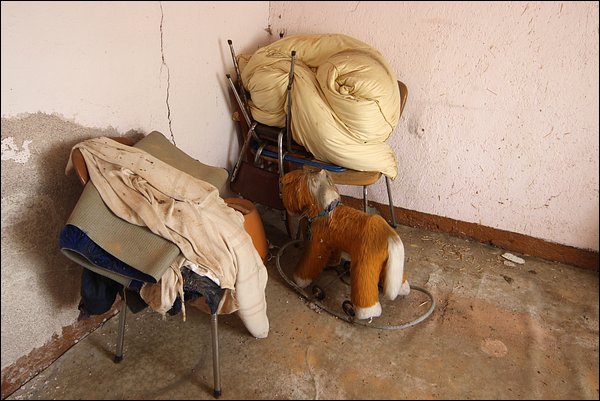
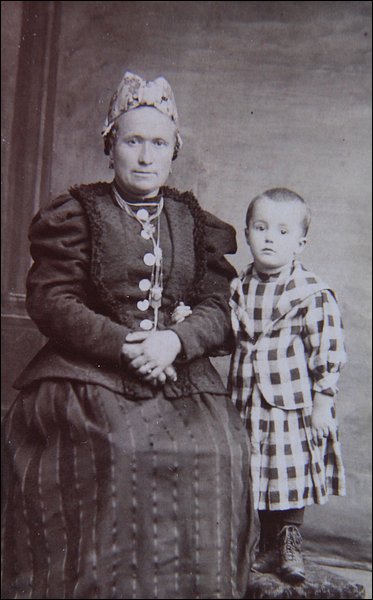
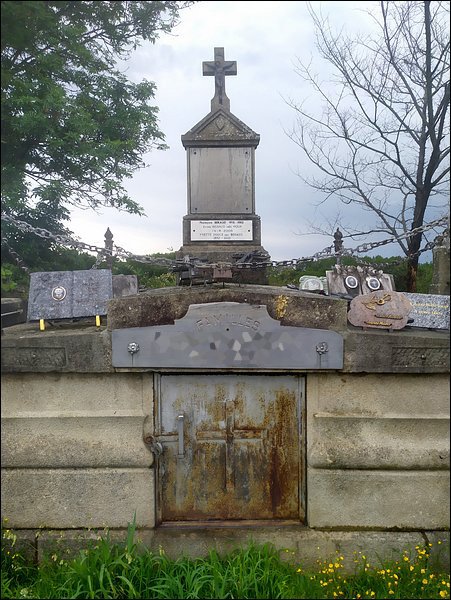
The house is small, with rather rustic furniture. The ground floor consists of a very basic kitchen. Adjacent to it is a living room where many children's toys are found, neatly put away. In the cupboards, there are jars of preserved chard and beans. It is quite simply incredible. Upstairs is "Granny Knit's" bedroom. Next to it lies an old child's bedroom, more or less disused. Regarding our little granny, we gathered that her mother was named Emma. She had two granddaughters. Emma passed away in 2005, and our inhabitant in 2021. Both rest in a large family tomb in the hamlet's cemetery.
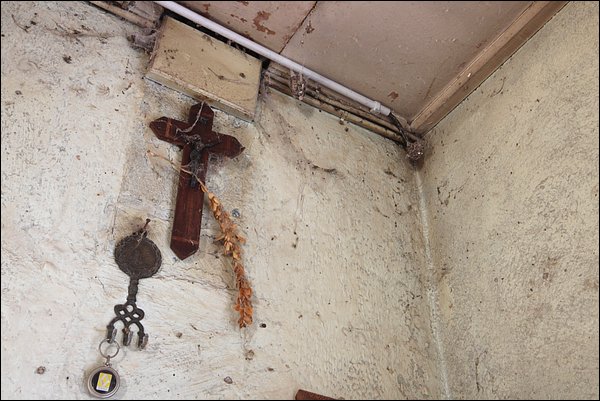
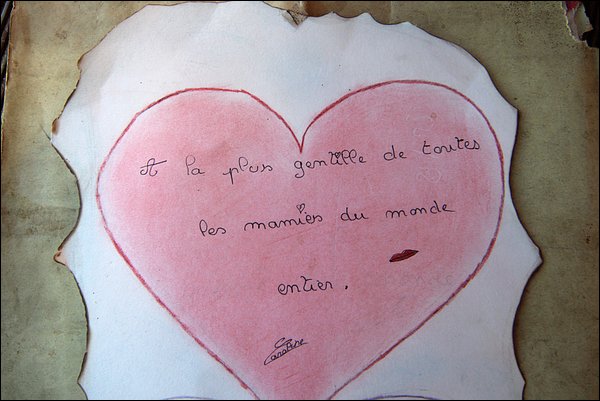
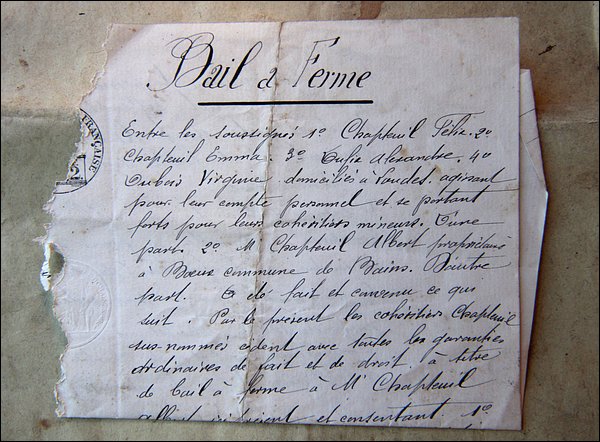
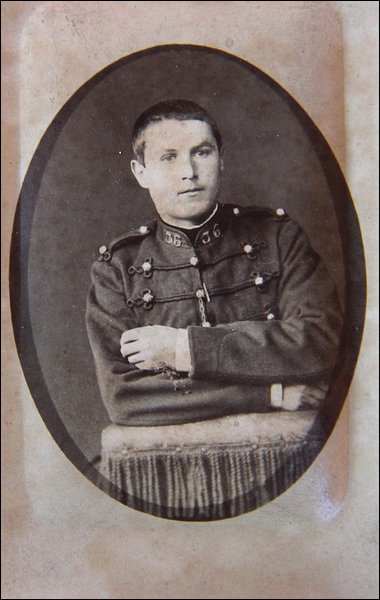
Within this tiny dwelling, a myriad of documents can be found. She was a keeper. Everything is beautifully organized, ordered, and preserved with care. What can we list? Hundreds of postcards, some dating back to the First World War. We also found school notebooks, numerous religious texts, drawings from children, and photos both old and recent. Multiple signs reveal that she was a woman of faith. She was a small-scale farmer; we were, in fact, able to find a list of about twenty cows, each mentioning their name.
Should we see the ravages of Covid in the passing of our lovely granny? We do not know and can only speculate. As for why the house has been left in this petrified, absolutely untouched state - why? This truth eludes us and, at the same time, does not belong to us. Besides, nothing belongs to us. We are transcribers, keeping a passing memory. Far beyond "urbex," this is about highlighting an ordinary destiny; that is what is precious to us.