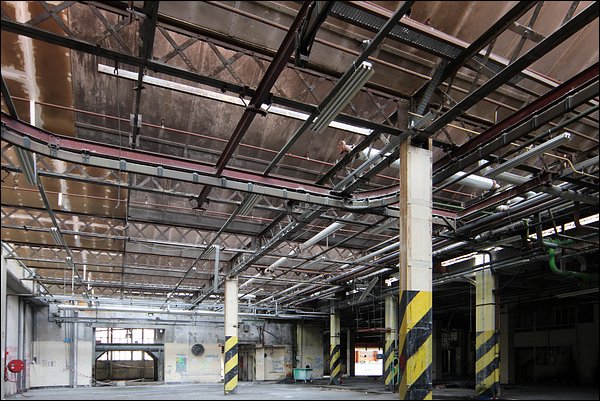
The ball factory, a vast abandoned industrial site
We received photos from a traveler and compiled them into a historical summary.
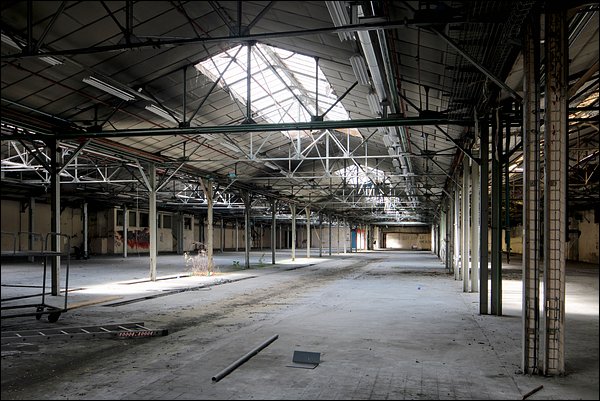
How can we know so little about such an immense factory, such a vast industrial epic? Nothing, I have nothing! Just a few scraps of information, a pittance.
Originally, the industrial activity of this town was focused on wire drawing. Following numerous reorganizations, a number of buildings were sold off. Part of the factories was bought by a very large group, which developed an activity in rubber. I cannot name them, because if I do, I localize the spot, and we will immediately see a wave of vandalism.
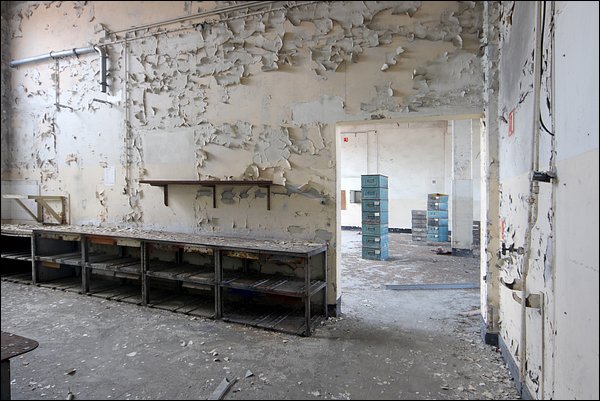
During that era, the factory produced rubber-soled slippers and boots. Between 1940 and 1970, the activity gradually passed into the hands of a German group, which manufactured hoses, tubes, molded rubber shoes, and seals for the automotive industry, pumps, and general industry at this plant.
We received a testimony from Christiane Bonnavion: "In Mr. Colletta's time, I worked in the slipper workshop. My mother was in charge of cutting the soles and handled the rubber sheets, even for the boots. In 1981, I submitted a CV and was rejected because of the 1974 strike where I made a name for myself (due to indiscipline). Good memories nonetheless."
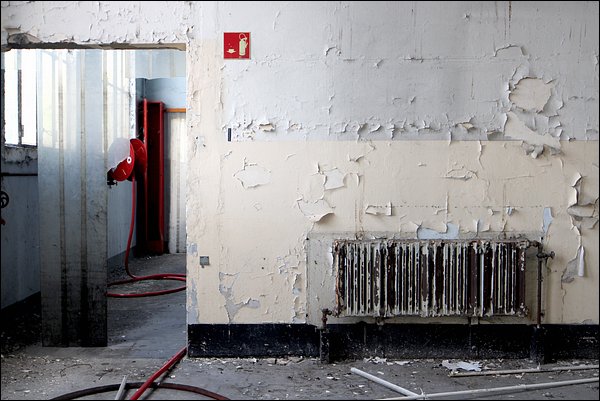
In 1982, the site employed 800 people. According to a few remaining lists hanging on the walls and additions from former employees, the staff of this factory included:
COLATRIANO Patrick, SULEJMANOVIC Hata, OTMANI Antikdinh, MARINHEIRO Manuel, TURC Nageate, CIANCHETTI Michèle, OUCHANE Ahmed, EL HADRI M Hand, FAZZALARI Nadine, BENCHAGRA Abdessalem, DUCHEMANN Joseph, JANJIC Zagica, DARGERE Henri, PROTO Catherine, DINIZ Michel, SIBILLE Alain, PUMPO Vincent, FARES Habib, MAKTOUBI Ahmed, KASMI El Bekkay, TOUIL Ali, CHAPOT Guy, BENIJJA Abdessalem, EL BOUROUMI Ahmida, AMZLAN Mohamed, CHAPUIS Pascal, GONCALVES Lucinda, MERHREB Salah, BOUZID Kader, DE SOUZA Horacio, NAIT OURHERRAM Brahim, BOSC Christiane, CARVALHO Mathilde, GOY Georges, RODRIGUES Maria, CHAIB Abdelhatif, KHATABI Layachi, MILETIC Radmila, TELCIDE Frédéric, DULIEU Martine, VELJAGIC Malic, BERTIN Guy, BOULON Jeanne, BOURAGBI Lakdar, BOYER Maurice, BRET-MOREL Didier, CHANG Jean-Baptiste, CHATARD Didier, CHEVROT Christian, DE COSTA José, DESGROUX Michel, DURIF Marie-Thérèse, GASBARRI Marie-Thérèse, GIGLIOTTI Patrick, OUSTIAKINE Hélène, PIGEON Henri, SCHAFFNER Jean-Jacques, SPIRLI Marie-Rose, VICAT Gérard, BRYNIARSKI Michèle, DELZANNO Muriel, FUZIER Martine, GIROUD Gilbert, GUICHERD Jocelyne, JACQUIER Jacques, MAUCHAMP Gilles, MILETIC Elisabeth, SEILLET Nadia, ROUSSILLOUX Paulette, COLAMARTINO Louis, SPIRLI Claudine, BONNAVION Christiane née MATTEI, SALERNO Mirella, BELLIS Nicholas, DURA Juliette, ROCHE Gilbert, LEVASSEUR Muriel, THUILLIER Bernard, JOLY Christophe, MARCÉ Benoît, SANTOS Georgina, DUBOIS Mahmoud, PENET-COURAND Chantal, ROUSSILLOUX Paulette, MARTIN Jean-Pierre, PONCET Vincent, DUSSAUX Carla, THOINET Denise née RAULT.
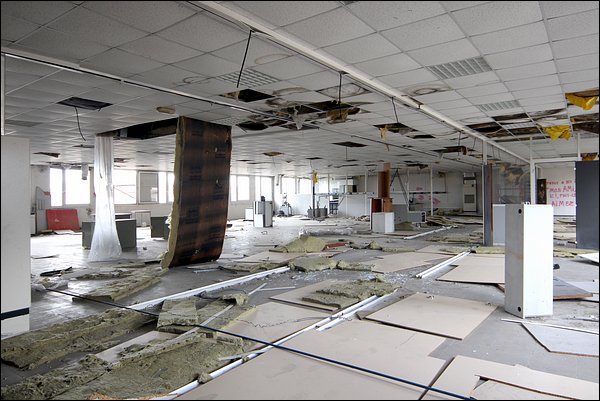
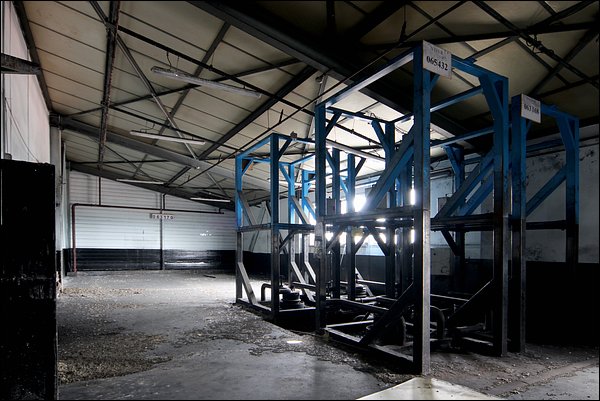
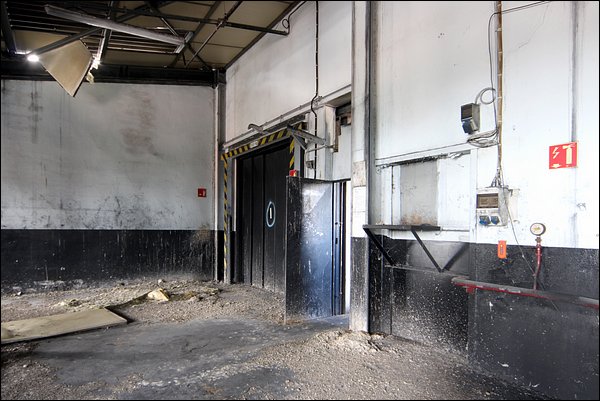
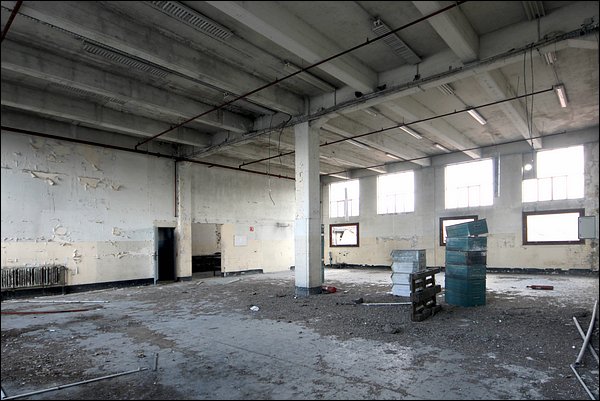
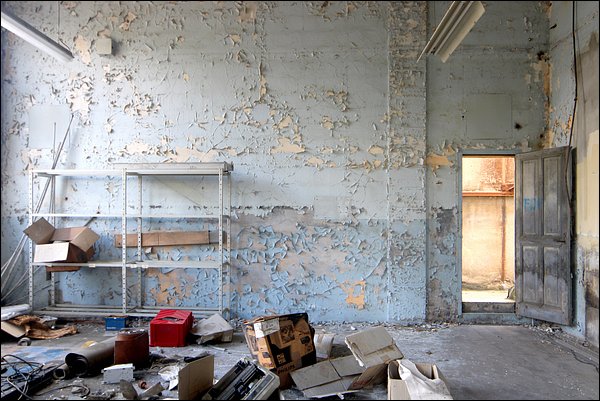
Jean-Pierre Martin testifies: "The closure was gradual, and in December 2003, I was laid off. The number of employees was around sixty, and I think the final total closure was in 2005; the company was liquidated in November 2008." Today, not a single gram of rubber remains in this factory. It has been thoroughly scoured.
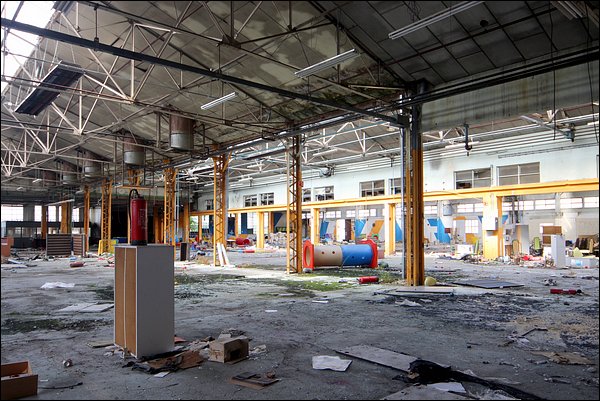
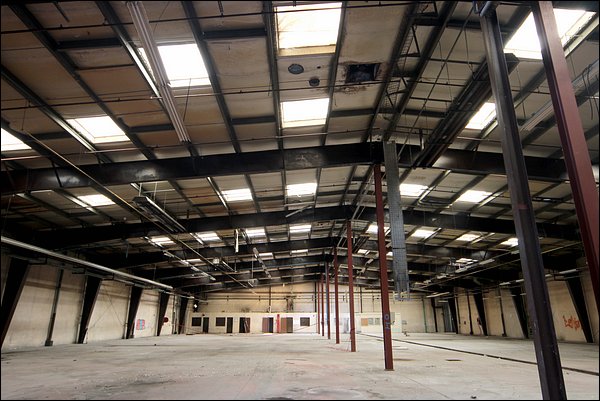
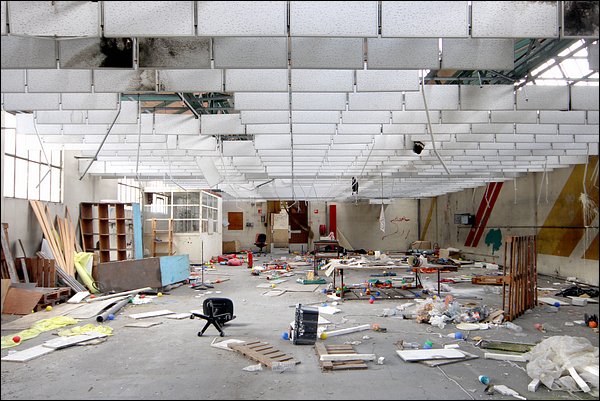
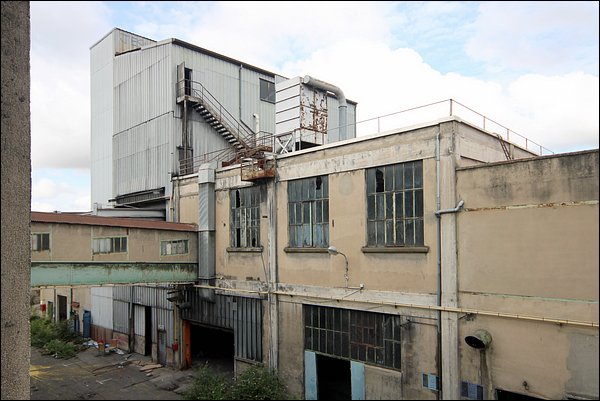
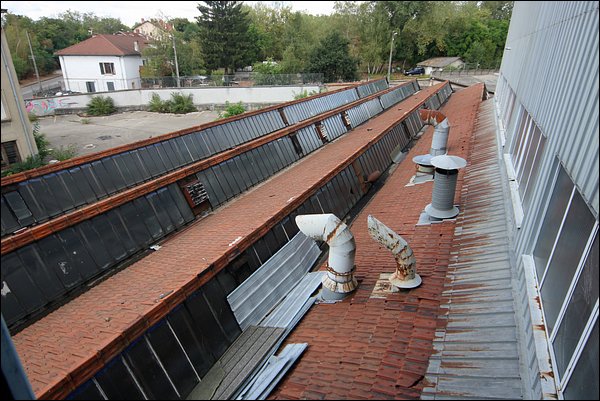
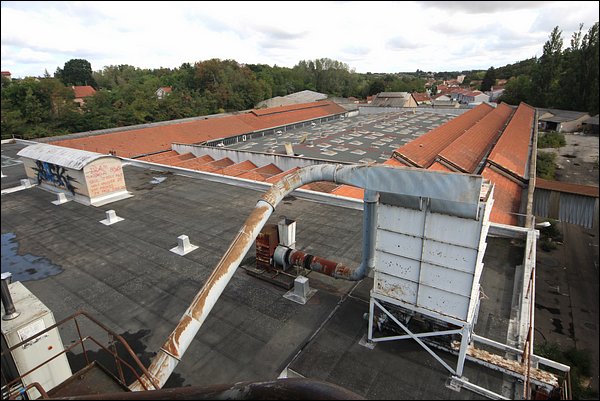
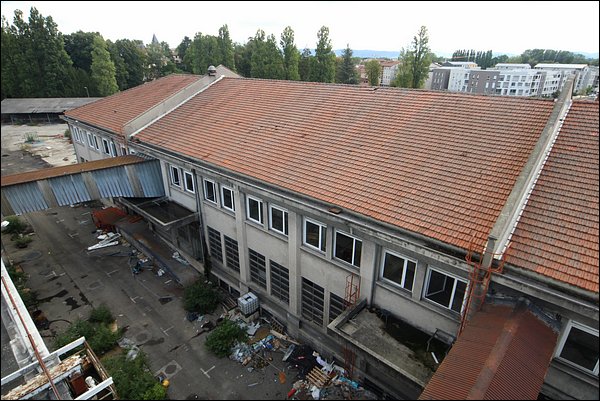
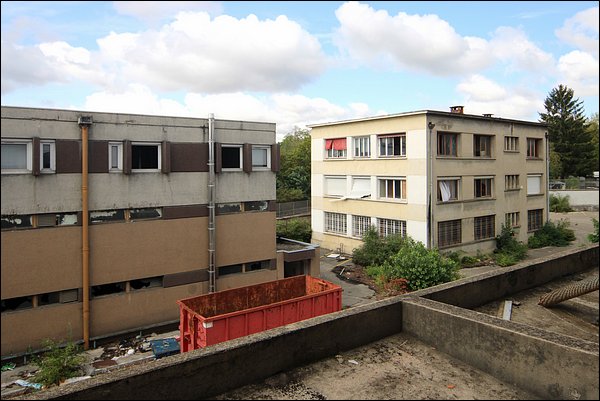
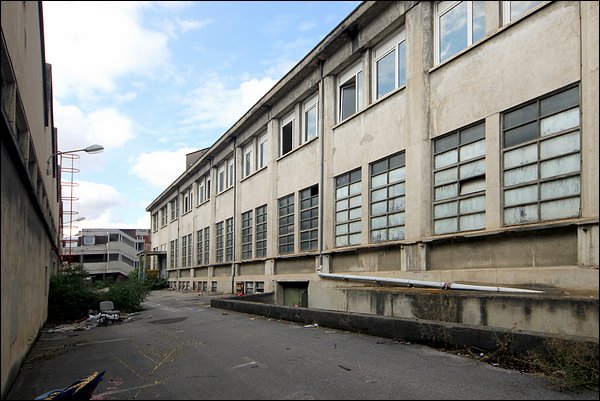
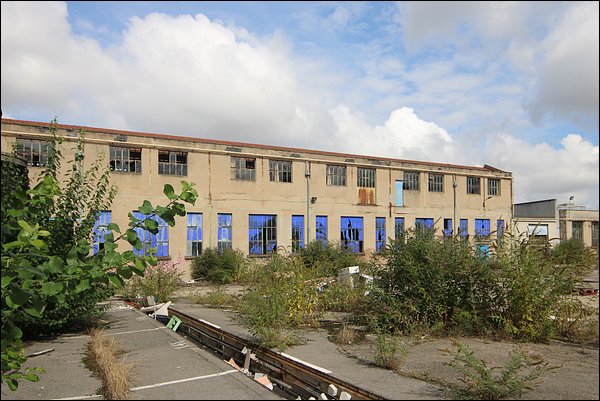
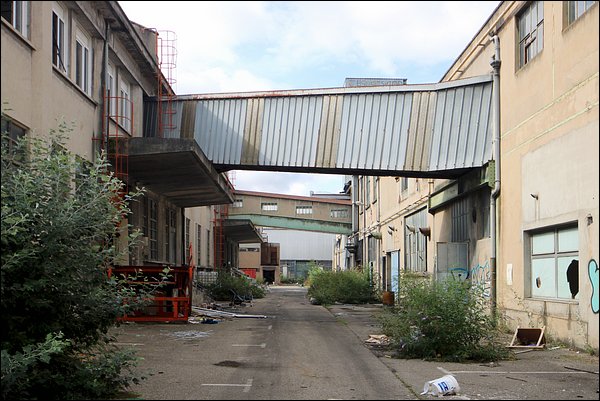
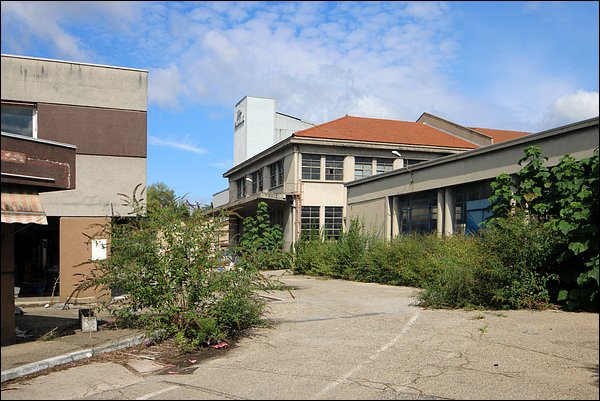
The factory is so vast that it sits across two municipalities, though with an imbalance as one town hosts 90% of the plant. One of the two town halls had bought back some buildings to use as community spaces for associations, but then sold them again.
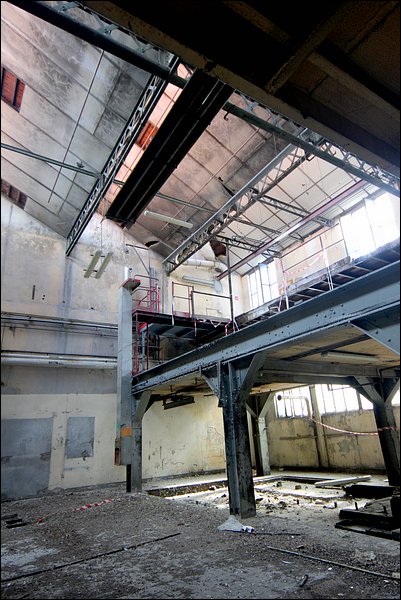
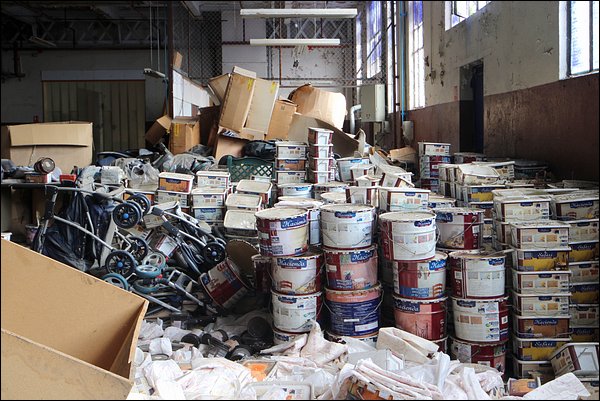
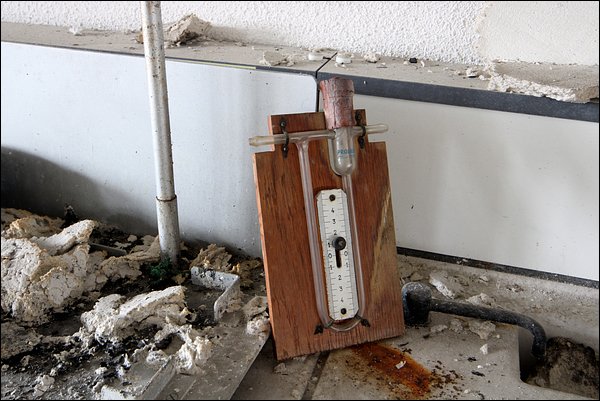
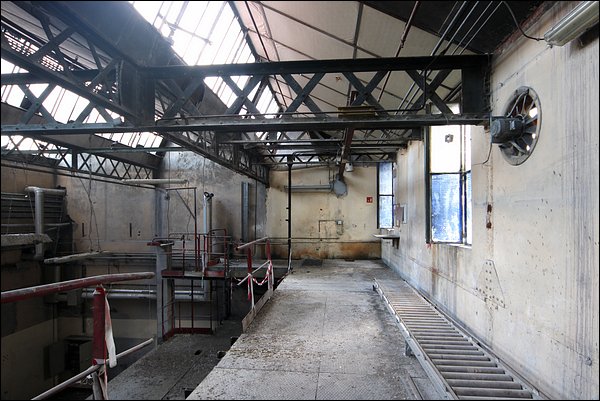
I was told about extensive cleaning activities: there are indeed many containers on site. There are also artist studios. Both activities could be completely at a standstill. Between vandalism and dereliction, it didn't seem very lively, though this remains to be verified. The tower housed the "Black Banbury," a large cylinder mixer used to make black rubber. Mr. Marcé, mentioned in the staff list, knows the process well; he spent most of his career in the laboratory. Bénédicte Grumel recalls: "It's a site where there was molten rubber and cleaning products. I remember visiting the production line during my internship (a long time ago) and seeing the extruders in operation. I remember the factory shop where we went to buy our slippers and our Palladiums. And I also remember the summer camp departures with buses in the factory courtyard, and the Christmas parties organized for the employees' children. We lived on Rue du Travail, and every resident on that street had someone who worked at this factory."
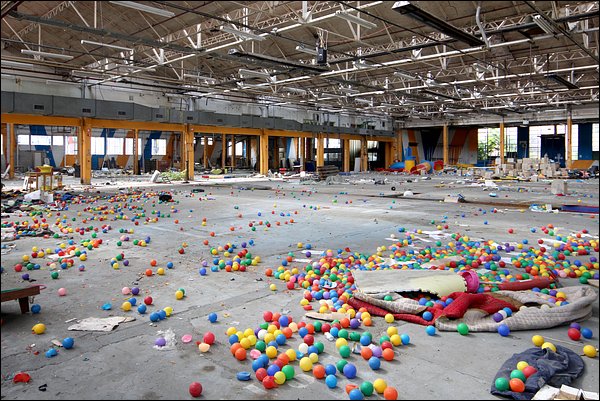
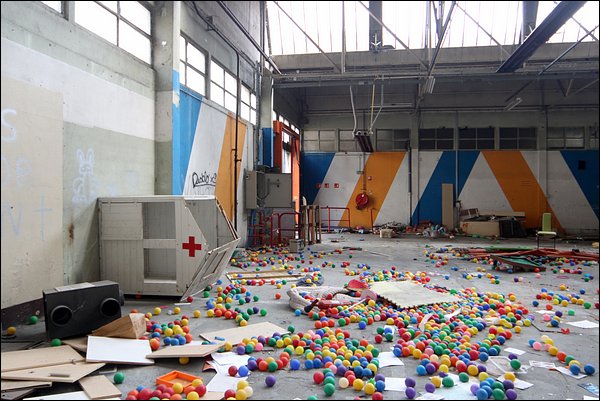
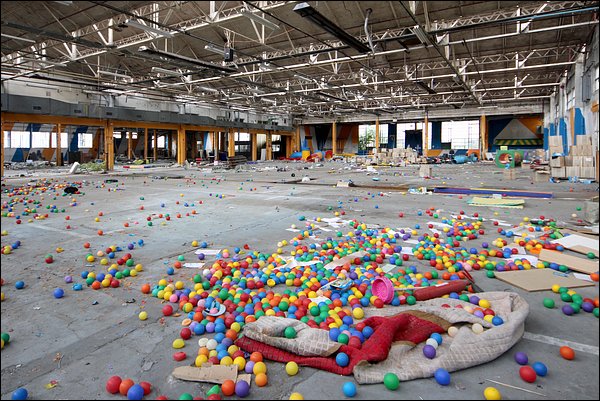
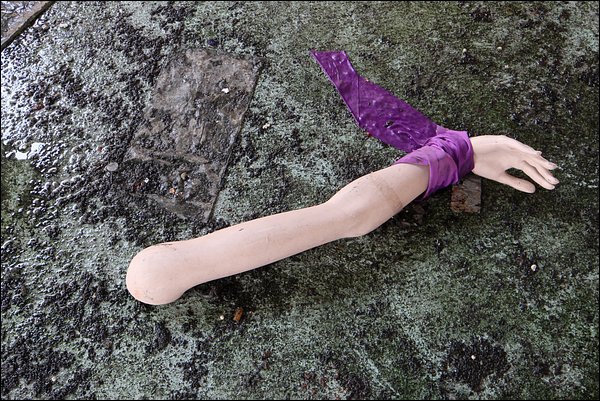
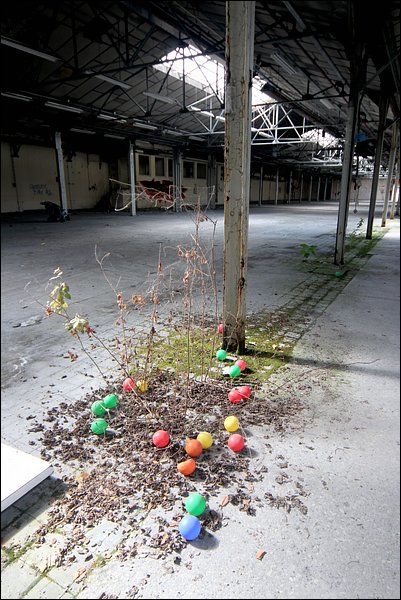
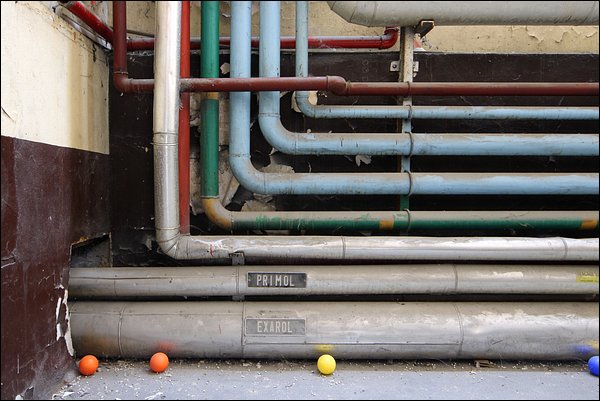
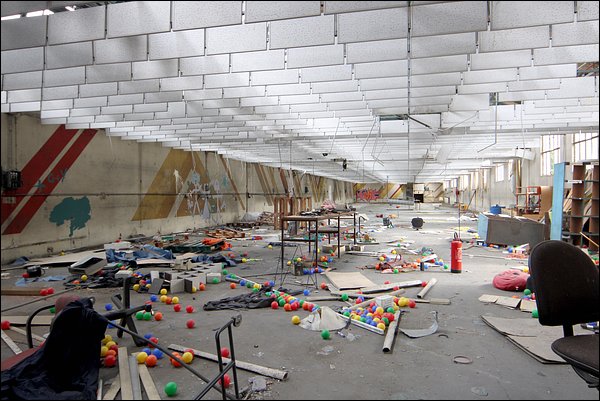
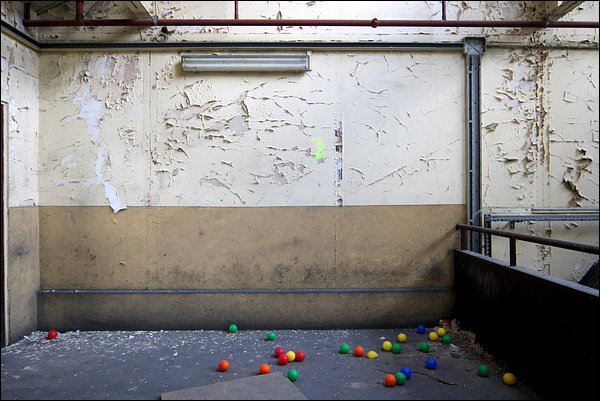
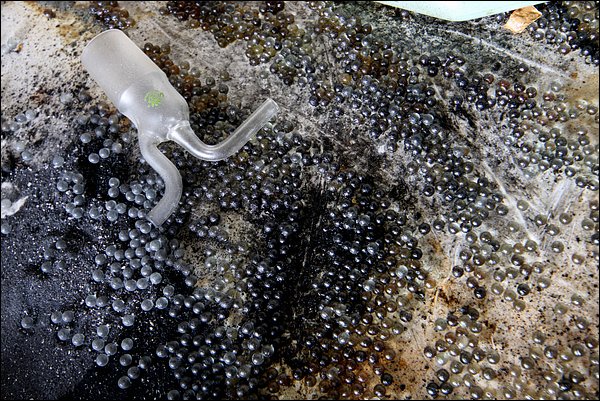
The most surprising aspect remains the myriad of balls found throughout the factory, as well as toys. It is very original and creates a landscape that is atypical, to say the least. Some call it the "Toy Factory."
The visit is quite long given the immensity of the place, but it remains a pleasant complex.