Urbex Lyon - The tunnel of dead bodies
We received photos from a traveler and compiled them into a historical summary.
"The Funicular of the Dead" - now there's a curious name. This is an urbex location in Lyon where access is complicated to say the least. Let's look back at this astonishing place and offer a few explanations.
At the very beginning, shortly before 1900, it was decided to build a funicular linking Saint-Paul station to the Loyasse cemetery. It is a quintessential Lyon story: a geography of steep hillsides and endless staircases. On paper, the funicular looked like a semi-miraculous solution - no more struggling up the sheer slopes of Fourvière. Construction took place, naturally at great expense.
The goal was to transport passengers, while keeping one wagon specifically for freight and, most importantly, for the recently deceased heading for a long-term stay at Loyasse. Everything seemed fine, and massive crowds were expected for All Saints' Day. Except... except the public simply didn't show up. The funicular line was in the red from its very first year.
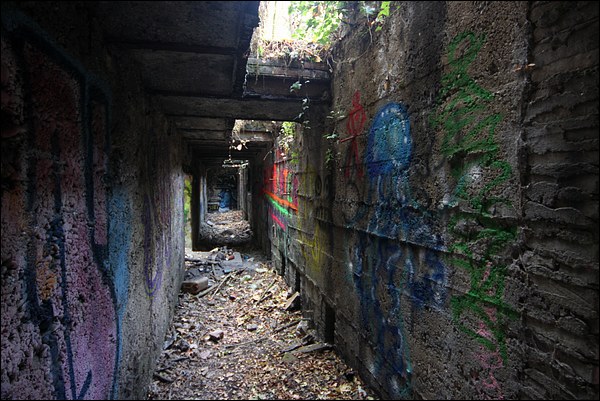
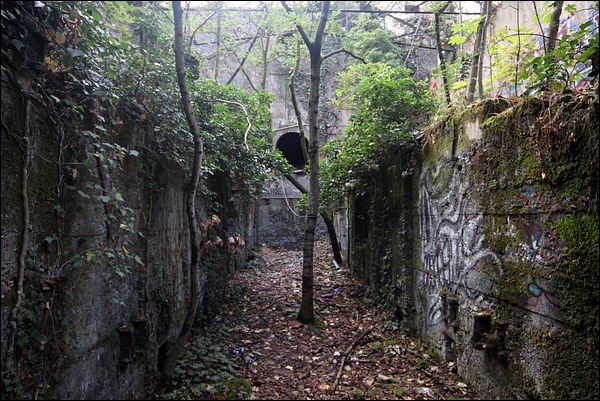
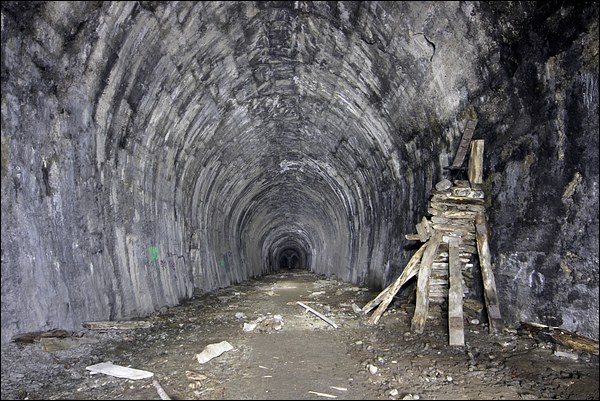
The tunnel pierces through the Fourvière hill, which is essentially a giant block of Swiss cheese - and I'm not even referring to the motorway tunnel, which cut through its own share of galleries, much like the Croix-Rousse tunnel. "La Ficelle des Morts" is a tunnel of pharaonic dimensions, cutting through poor-quality soil, waterlogged and riddled with holes - a true delight. It didn't take long for landslides to occur within the tunnel: quite reassuring! Although, on the practical side, the cemetery was at least nearby.
With every disastrous year that passed, the project took on the bitter taste of an almost abject bankruptcy. More serious still was the destabilization of the ground near the Fourvière Basilica, which was already heavily undermined by the Rosaire gallery. The Basilica is moving, even today. An entire section of the Rosaire Garden is closed to the public.
No matter how hard you try, when something is a disaster, it's a disaster. The "Ficelle des Morts" closed in 1937, after accumulating many years of interrupted service during the First World War and the 1920s. In Belgium, specialists would call this a "GTI": Great Useless Work.
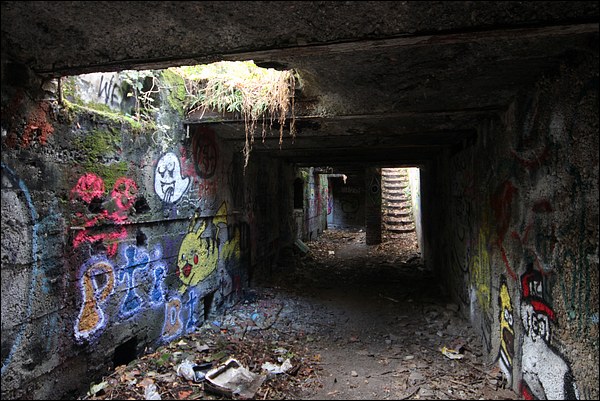
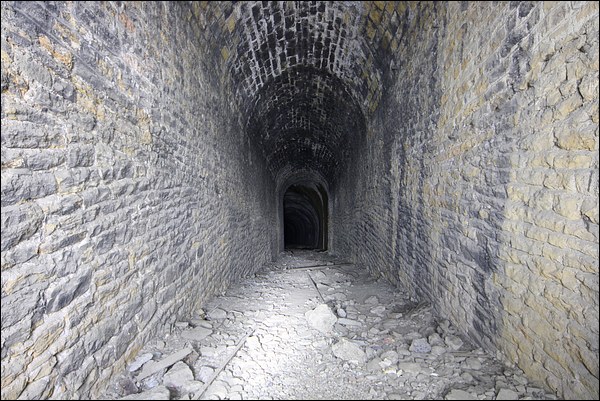
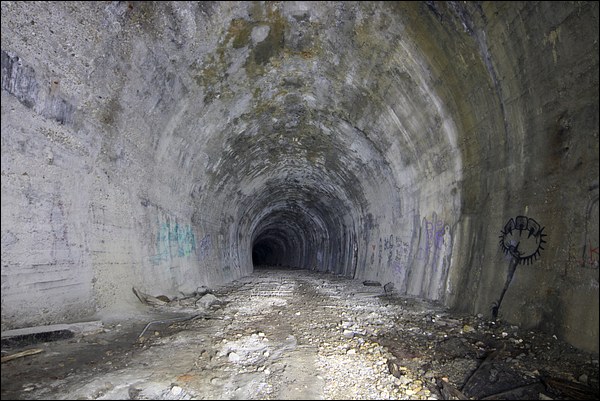
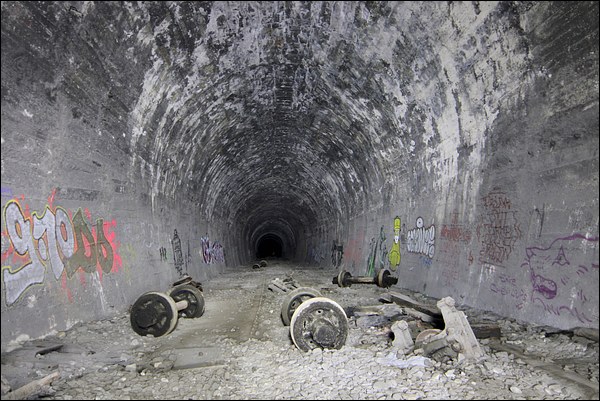
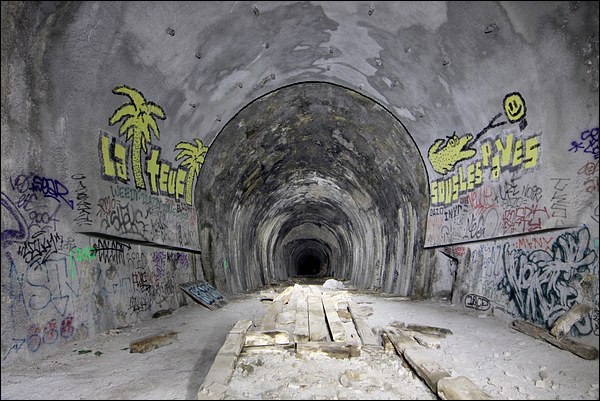
Today, the tunnel measures 514 meters in length, on a slope that is anything but negligible. It is a strange feeling to climb all that way beneath the city. The entrance is at Saint-Paul station. The double steel doors are under camera surveillance, which adds a radical tension to the visit. It is truly "all or nothing," especially since this isn't some lonely corner of a deserted countryside, but a train station in Lyon.
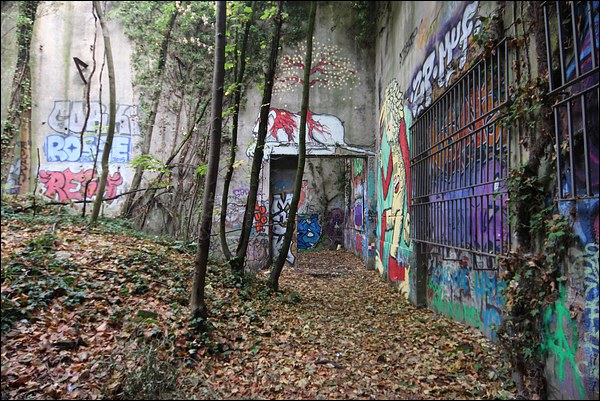
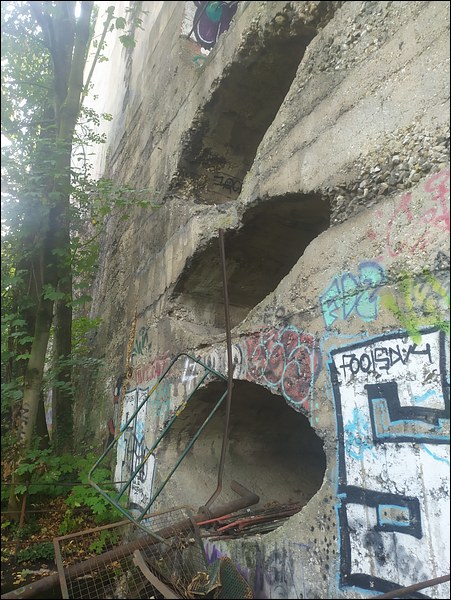
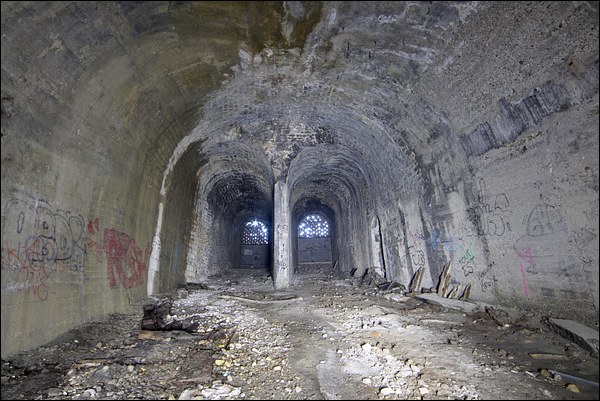
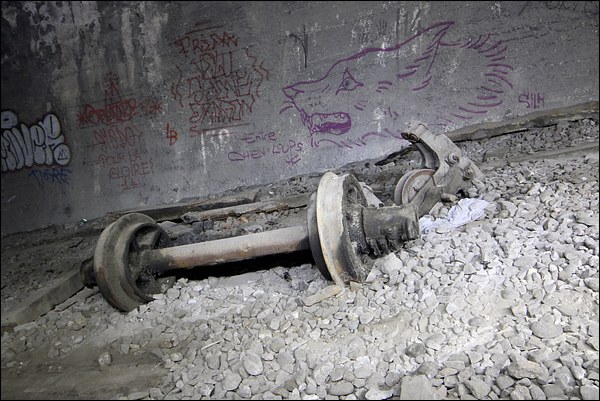
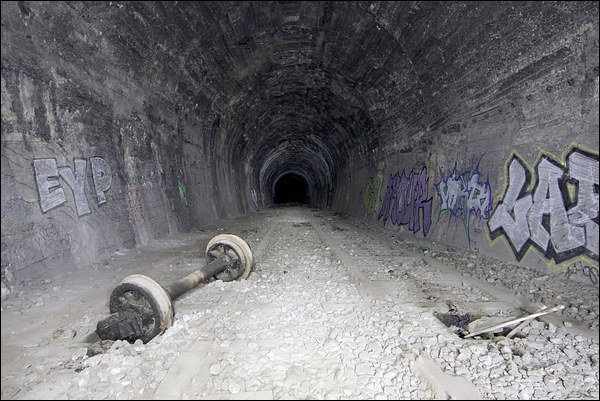
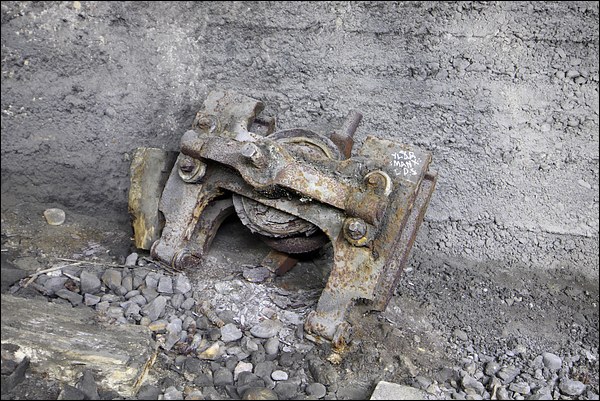
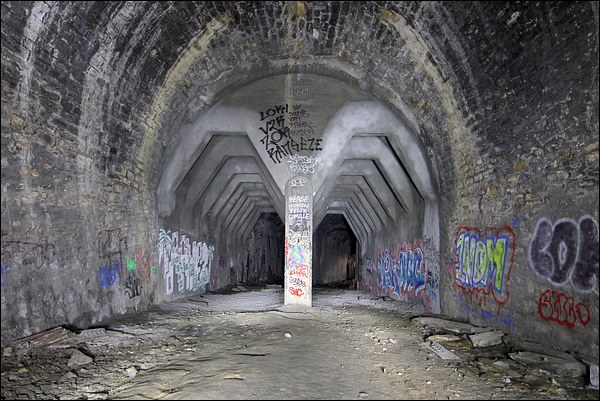
As for the exit, I don't know where it leads. At the "Passerelle des Quatre Vents" (Bridge of the Four Winds) sits the funicular's upper winching station. It is a monolithic concrete structure that is more than curious. I expected to find an entrance there, but there was none. Inside the tunnel, scattered railway remains can still be found. At both the upper and lower stations, the tunnel splits into two aesthetic segments.
It is an astonishing tunnel, though its railway characteristics are, strictly speaking, ordinary. It is a sloping tunnel and nothing more. However, its location, its peculiar history, and the extreme difficulty of access make it a compelling place. It is a pleasure to be able to present this site to you today.