Urban Exploration - The sanatorium in the hills
We received photos from a traveler and compiled them into a historical summary.
The adventure of this abandoned sanatorium is quite a story! It is an incredible place that witnessed a rather comical sequence of events in my own life. The day before arriving at the sanatorium, I found myself heading toward an abandoned manor at the request of an acquaintance who wanted to know more about its history. Since my profile is more oriented toward that of a historian, and after much hesitation due to the frankly significant distance, I decided to go. Given my location after my brother's recent move, it was now or never.
The night before, following my usual habits, I set up a "promising-and-wonderful" sleeping spot under the stars - a five-star stay, as my brother and I like to call it. With experience, we have learned the pitfalls and especially to take note of the surroundings only to realize the truth the next day! The grass looked soft, and the small town seemed peaceful. However... however, I hadn't noticed that a community hall was located in the immediate vicinity. Good grief, I could have at least checked Google Maps for a moment! In short, the festivities lasted until three in the morning, simply preventing me from sleeping. It was entirely my fault! The other thing that happened out of the blue - and I'll let you laugh at this - is that I had no idea the grassy area of my campsite was actually the market square. At five in the morning, the first street vendors arrived! It didn't take half an hour before they were asking me what I was doing there and if I intended to set up a stall!
Tired and in an exceptionally foul mood, I got up and hurriedly made my morning coffee. It was 6:30 AM when I reached the abandoned manor, and a local was already spying on me! The manor was entirely barricaded with bicycle chains. On the shutters, a sign read: "We are aware of urbex visits; facility under video surveillance; the gendarmerie has been notified." So, it turned out I had traveled 250 kilometers for nothing, all to help an acquaintance with historical research who had essentially landed me in a fine mess. That will teach me.
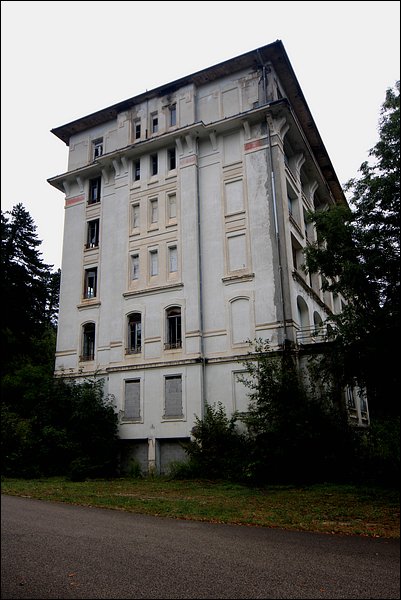
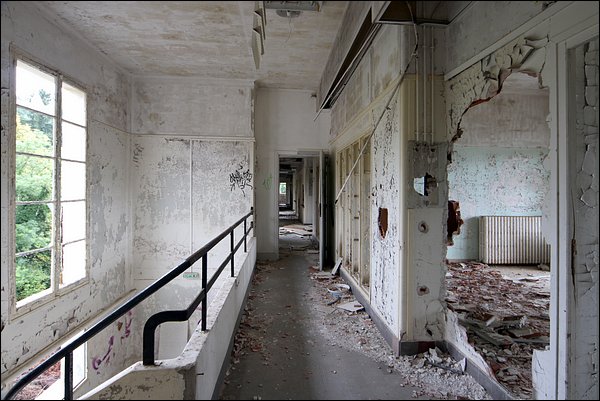
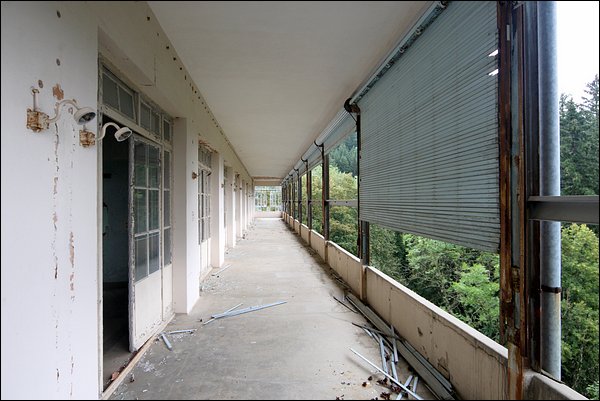
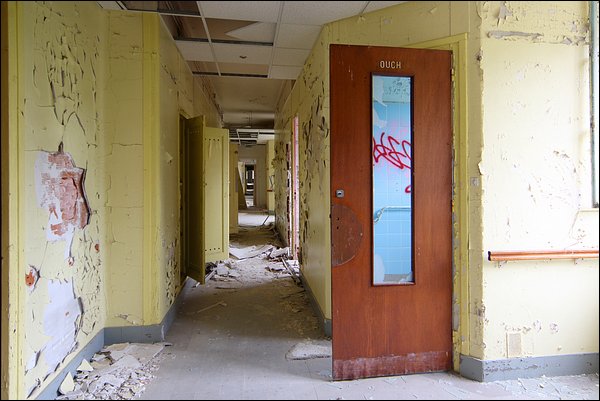
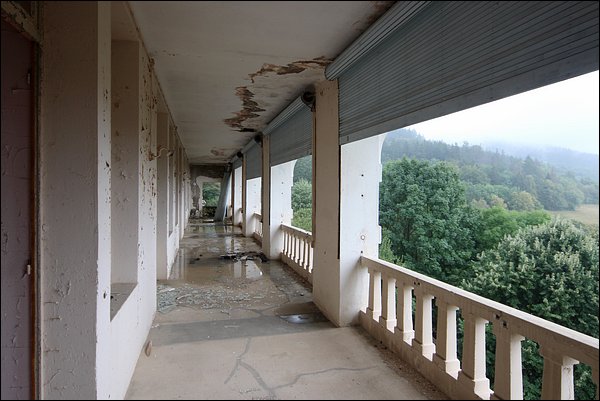
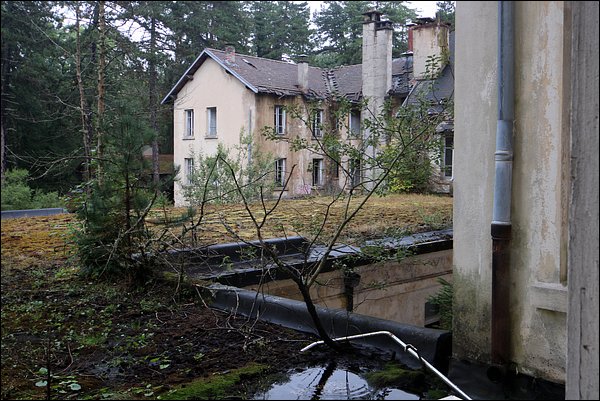
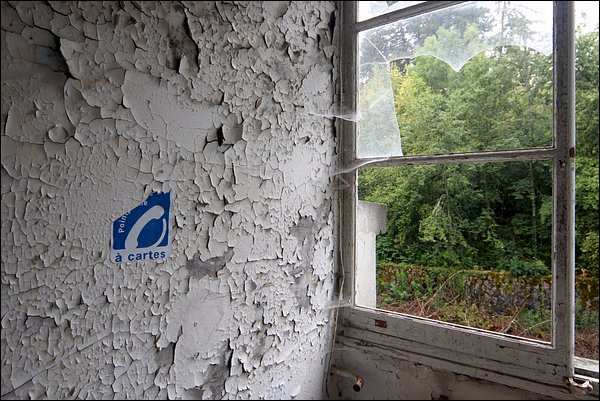
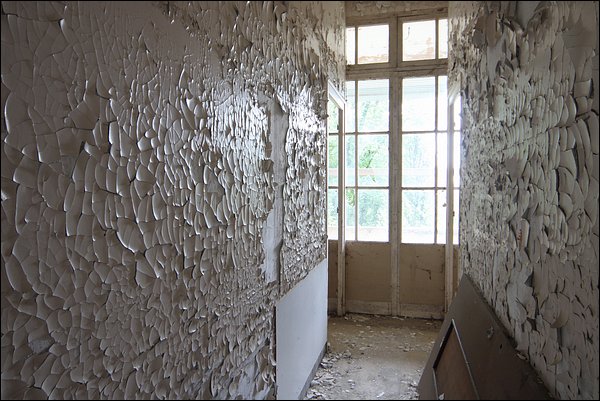
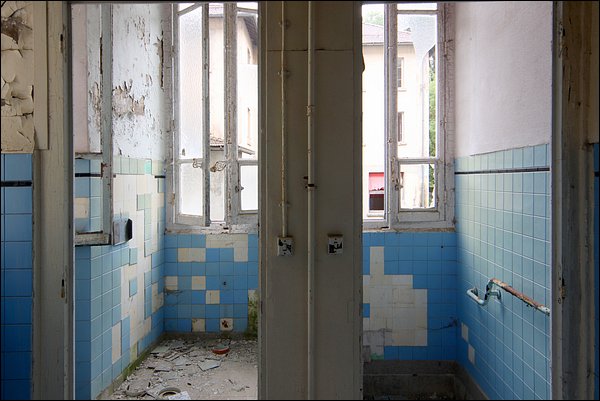
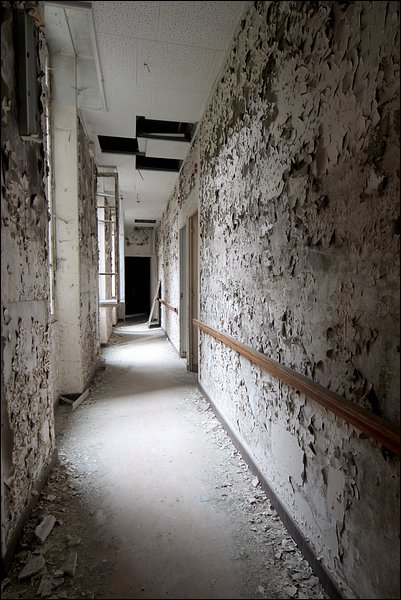
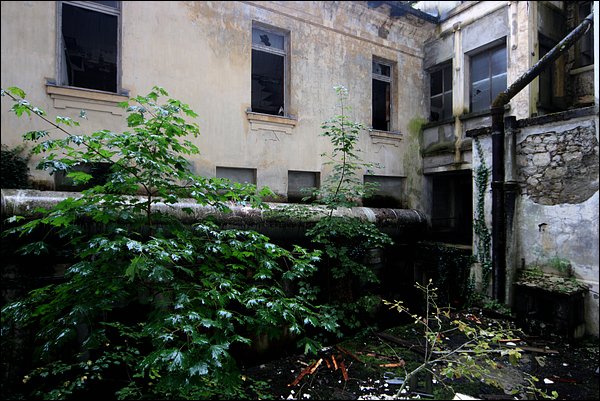
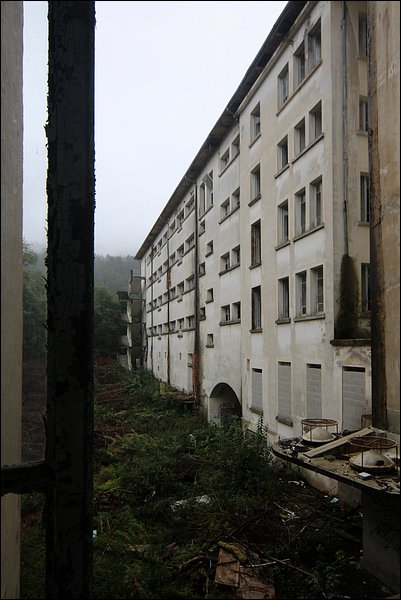
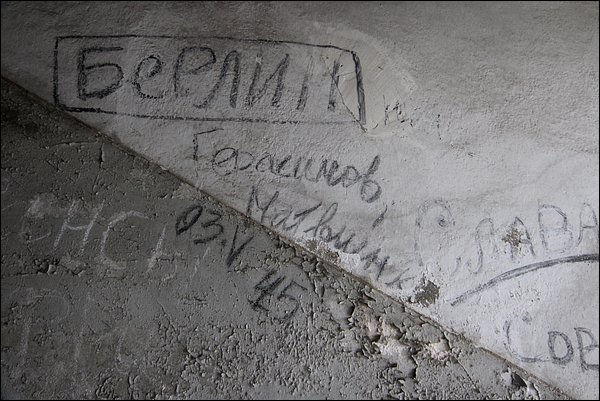
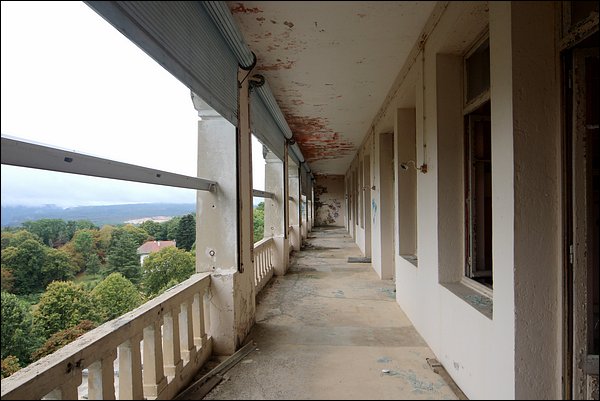
Slightly in "SOS mode," I turned toward an old location on my list that had been haunting me for months: an abandoned sanatorium situated in a distant corner of the countryside. Arriving there in a state of silent tenderness on a Sunday at noon, I remember it well, a thin, biting rain began to fall. The weather was gloomy and misty - both depressing and soothing at once. The most surprising part was the absolute solitude of this dead-end valley. Throughout the entire afternoon, I think I only crossed paths with four human beings, several stray dogs, a few fearful cats, and an empty bus. Quite a scene!
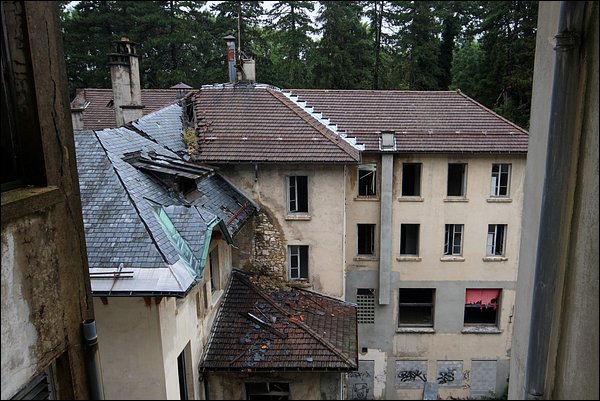
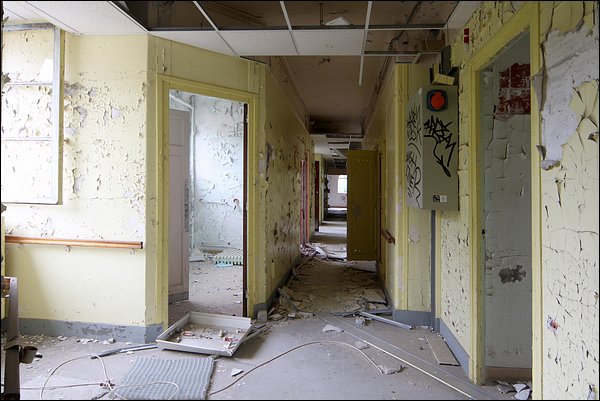
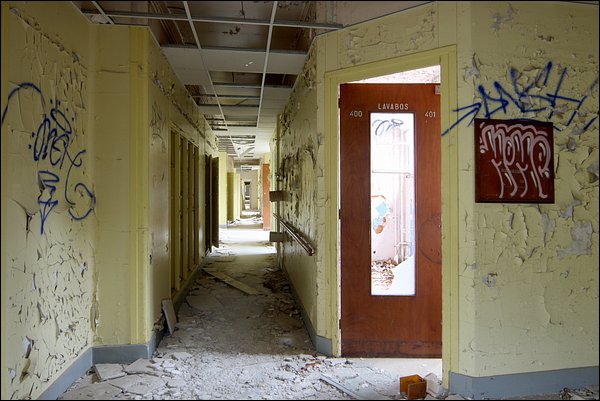
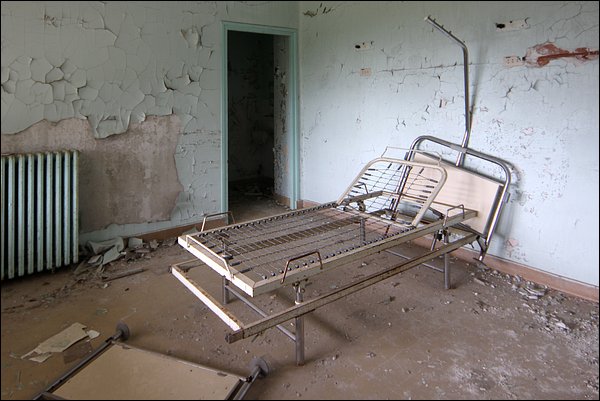
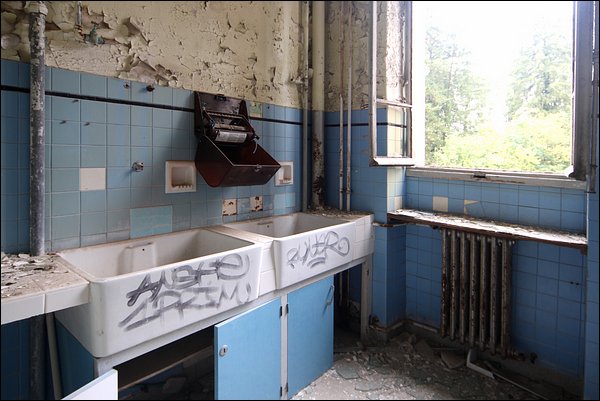
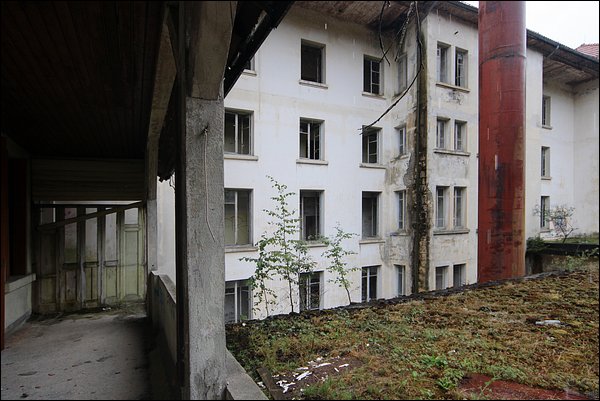
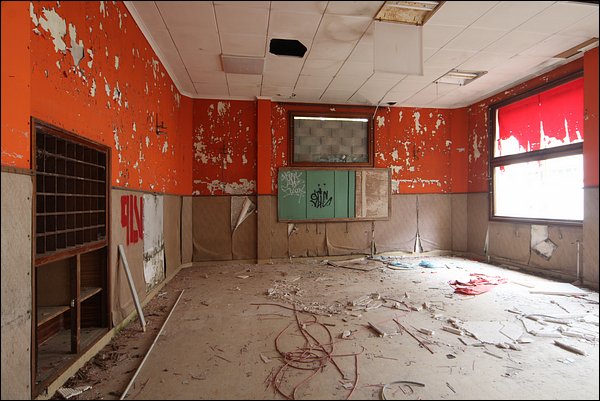
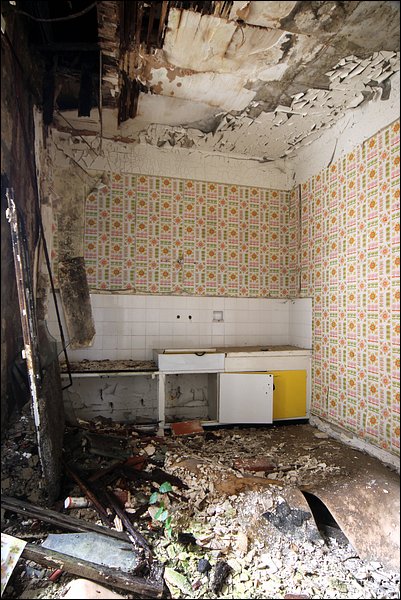
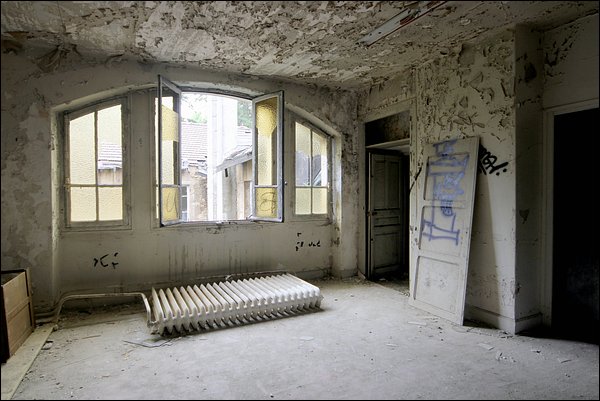
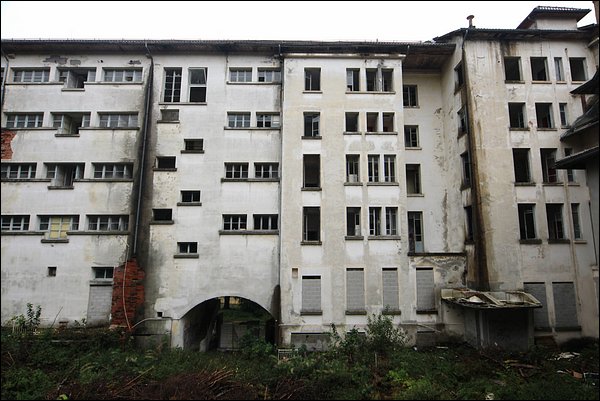
This town had specialized in the treatment of tuberculosis, which explains the absolutely fantastic profusion of former sanatoriums. We counted more than ten, which is extraordinarily high. Once tuberculosis was eradicated, the town found itself somewhat cluttered with a jumble of buildings that had become relatively useless. Consequently, they gradually converted their sanatoriums into knee rehabilitation centers. However, medical progress made this type of rehabilitation increasingly effective at home with assistance, rather than in a hospital setting. Thus, the myriad of these hospitals became more or less disused. Some were reconverted into standard hospitals, others into nursing homes, and others are quite simply completely empty. A death house in a setting of natural beauty.
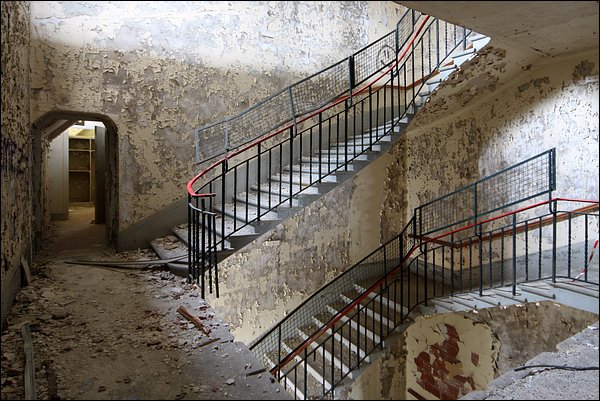
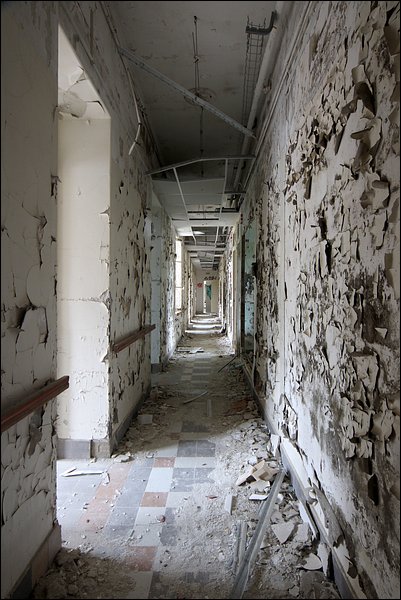
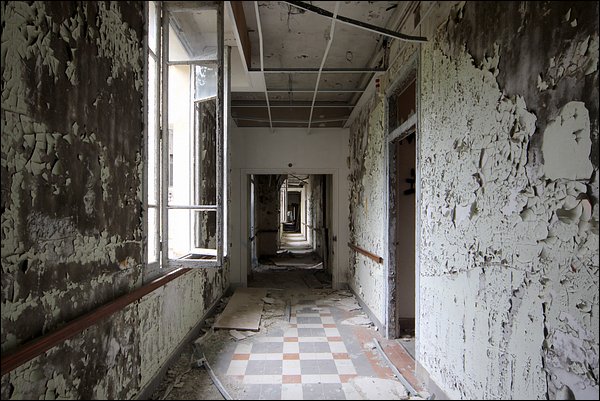
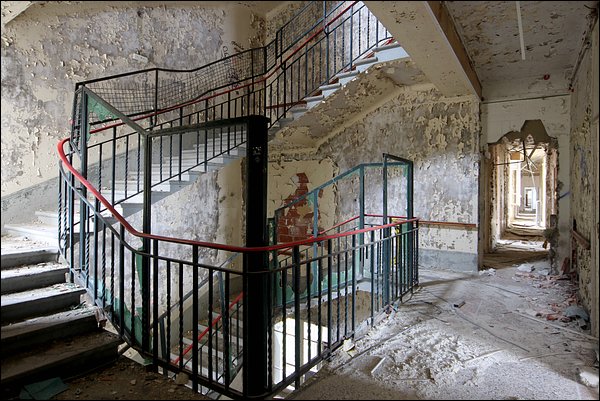
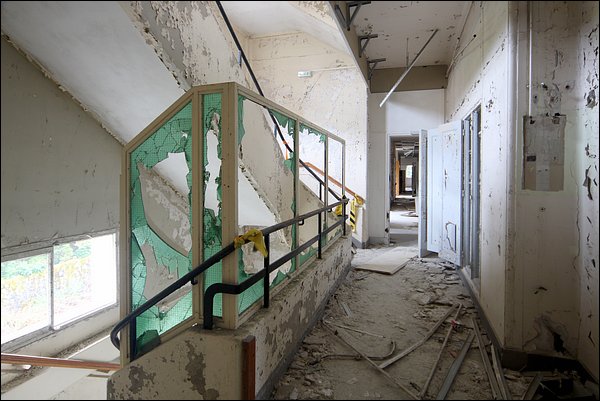
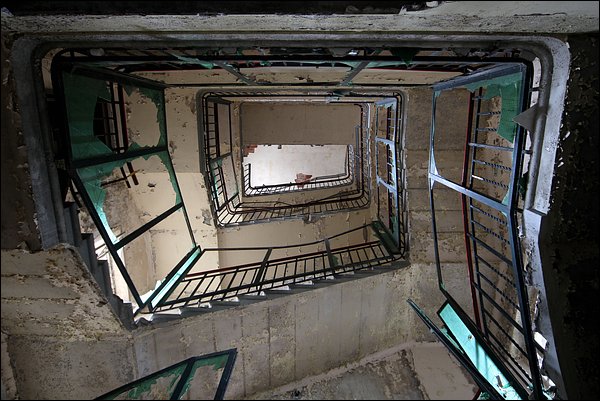
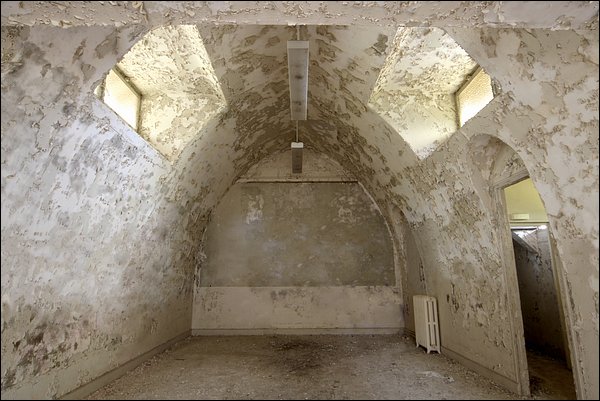
This creates an absolutely surreal situation, resulting in an ultra-sinister town that is a delight to wander through. It is a "Desert of the Tartars" that Dino Buzzati would have relished. Beyond the purely aesthetic aspect of this vast sanatorium, I fed off this immense solitude, bathed in mists crawling over the dark hills - a true pleasure to live according to this thick, heavy melancholy.
In the evening, quite exhausted, I settled into some very soft and isolated grass, having learned to be wary of morning markets or night-time community halls of semi-nauseating mediocrity. There is plenty to laugh about now. The night was restful. Very early the next morning, I was woken by a whimpering dog. It was a rather friendly-looking Labrador; I was lying right in front of him, and he was looking at me, not quite knowing what to do. Then came a lady who, against all expectations, kindly explained that I was in a path and that I was blocking her way! A path? Yes, indeed, even if it is covered in grass, it is a path! "And you had better leave," she added, "because the director of the adjacent nursery school is known for being rather unpleasant." "Do you have time for a coffee?" I asked. "Oh, I start my shift in half an hour, but it would be a pleasure!" That is how we shared a fraternal moment in the very early hours, while I hurriedly packed up my things!
In truth, I don't know much about this sanatorium, other than the fact that it is part of a myriad of abandonments - with a capital A - and the difficulties of repurposing such sites. Indeed, it is immense; what can be done with it in such an isolated corner of the countryside? That is why I wanted to highlight this place, as much for its architecture as for the cloud of little misty stories that surround it. This account leaves a pleasant memory, an enchantment of fog that I am pleased to share with you.