Urban Exploration - The Sanatorium of the Valleys
We received photos from a traveler and compiled them into a historical summary.
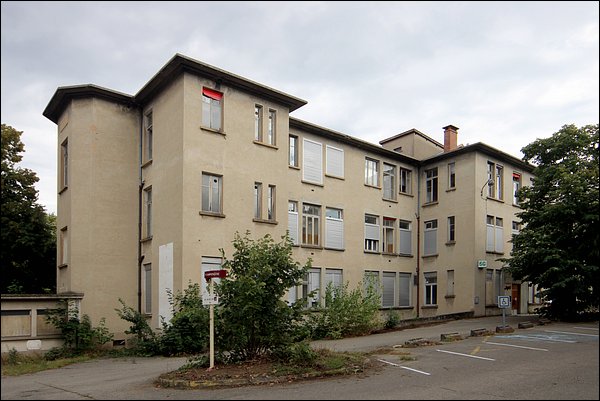
This sanatorium is part of a large hospital complex located in the Rhône-Alpes region. The hospital opened around 1865, under the reign of Napoleon III. Originally, this vast estate centered around a ramshackle and battered castle that was taken over and renovated; it had been put up for sale for a relatively modest sum given its advanced state of decay. It remains a building of fine architectural quality to this day, though it is currently completely closed off and walled up with cinder blocks, making any visit impossible.
From Hydrotherapy to Phtisiology
In the early days of its medical life, a hydrotherapy establishment was set up on the castle grounds. At the time, this treatment method was relatively innovative for this urban sector and met with great success, eventually leading to the saturation of the facility. Later, the site was converted into a hospital for soldiers returning from war, accommodating about 90 male convalescents.
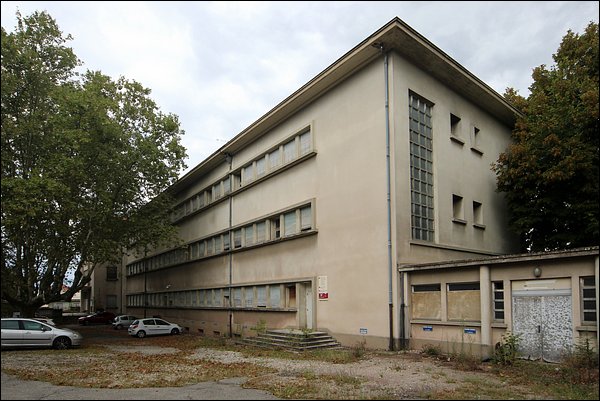
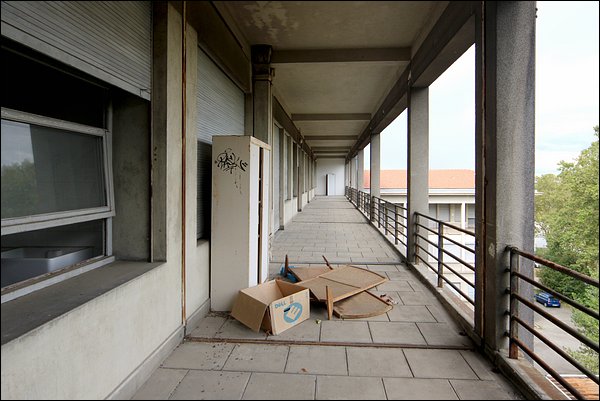
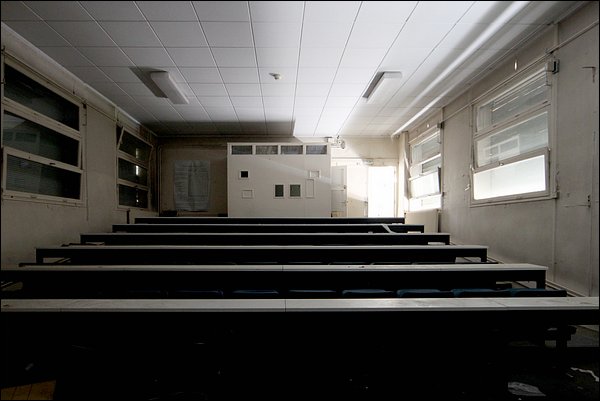
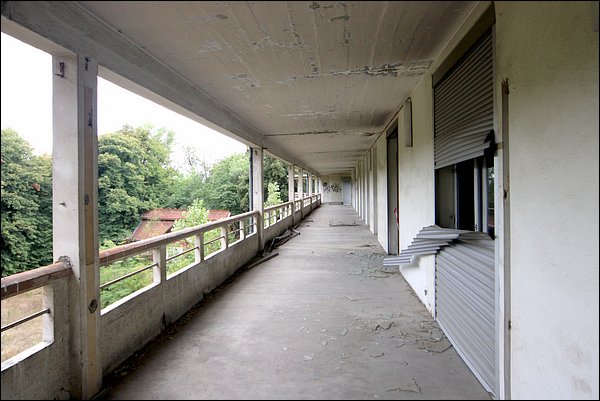
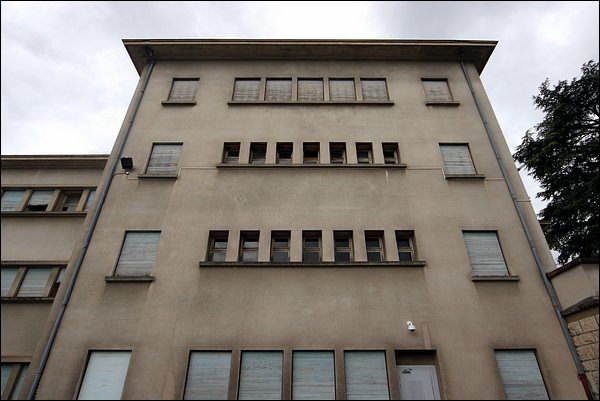
At the beginning of the 20th century, two donations funded the construction of new buildings. The goal was to house convalescent children and establish a nursery for premature infants. Today, the nursery has been demolished - no trace remains except for a remarkably beautiful wooded park in this heavily urban area. Our story truly begins in 1922, with the decision to establish a center for treating women with tuberculosis. Initially, they were housed in poor-quality barracks. In the 1930s, we saw the erection of the sanatorium we know today, entirely dedicated to phtisiology (the study of tuberculosis). Later on, an auditorium of rather mediocre architectural quality was added. Regardless, the place was running at full capacity. Facing south, "sun cures" were mandatory, though the site lacked the fresh mountain air usually associated with such treatments. Clearly, there was an extreme urgency to treat tuberculosis, and facilities were being built in abundance at high speed.
Evolution and Modernization
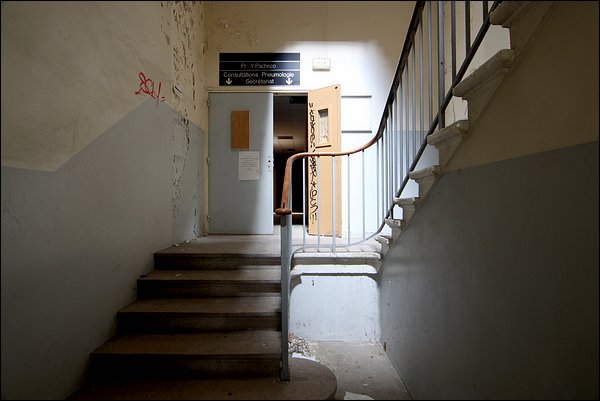
As we know, vaccination led to a gradual decline in tuberculosis. Everywhere, sanatoriums were destined to disappear. In 1946, this hospital was transformed into a post-tuberculosis care center for women, and by 1965, it logically evolved into a pulmonology department. It kept running, more or less, but the facility suffered from worrying delays in adopting modern medical techniques. To ensure effective modernization, a merger with a neighboring hospital took place in 1976, bringing the staff's skills up to date.
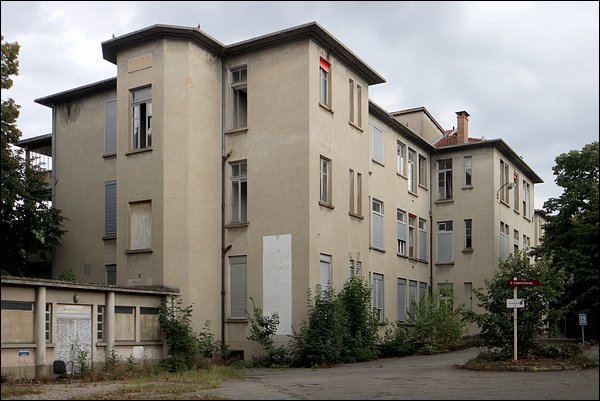
We have no specific information regarding when the buildings were officially decommissioned. It appears to have been a gradual closure, varying by building, followed by relocations - in short, a mutation. This explains why it is difficult to provide precise dates; the situation is murky. In any case, what I am presenting in this documentary corresponds to two buildings. The first is the sanatorium mentioned earlier. The second has a much more recent architecture; it never served as a sanatorium but rather as a traditional hospital building, specifically for respiratory ailments.
The Visit: An Urbex Exclusive
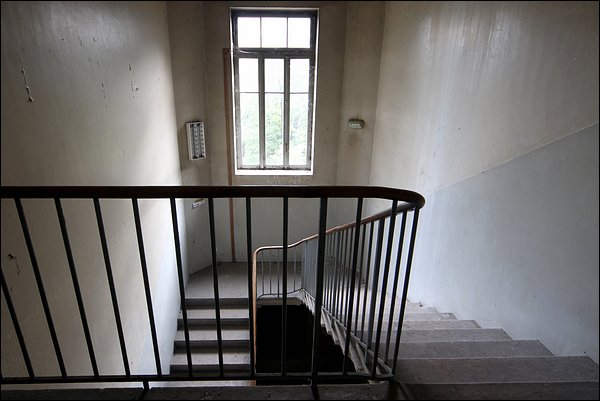
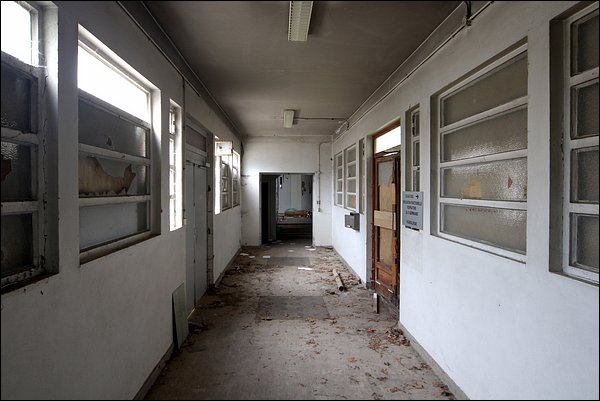
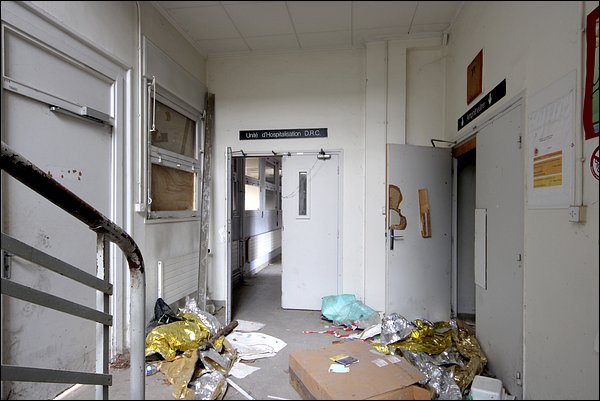
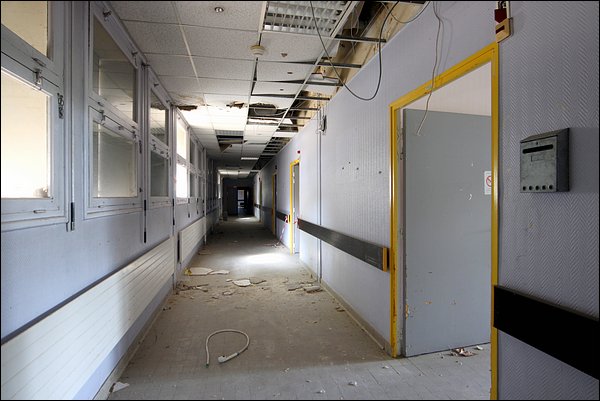
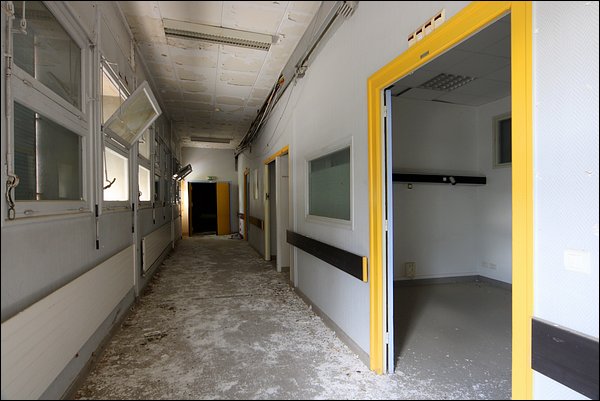
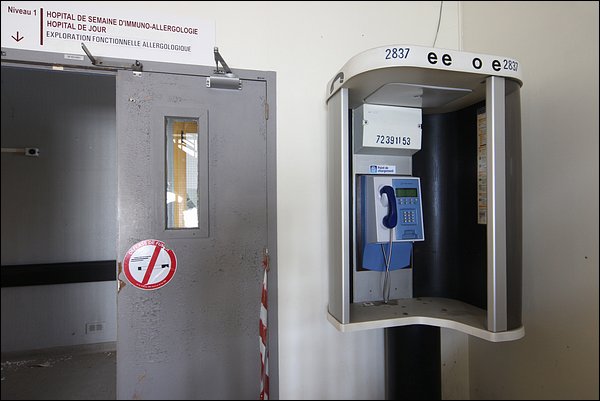
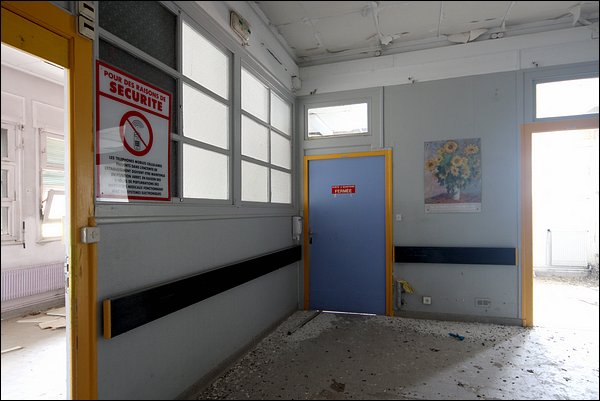
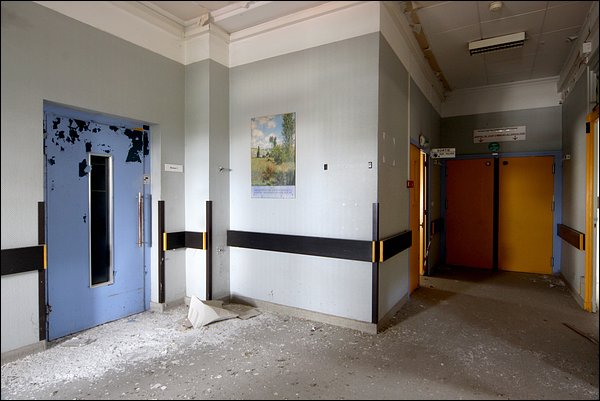
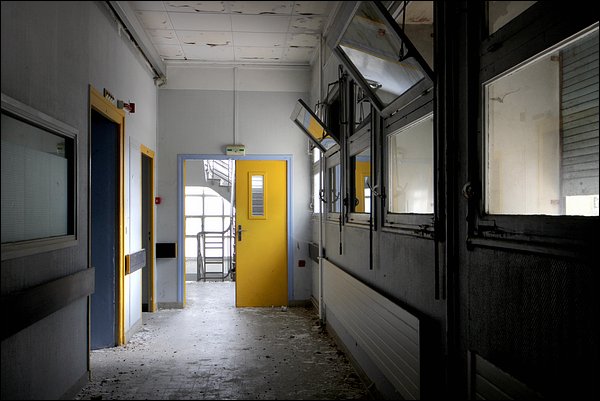
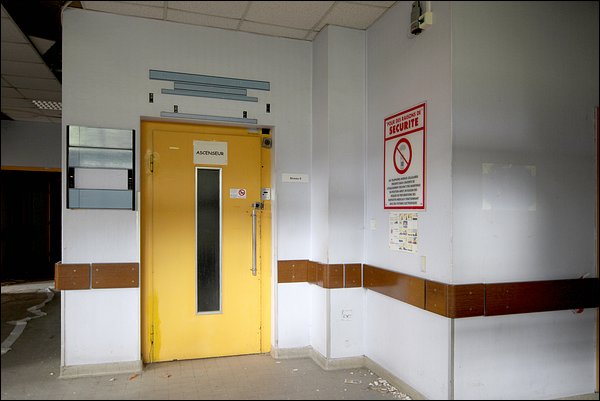
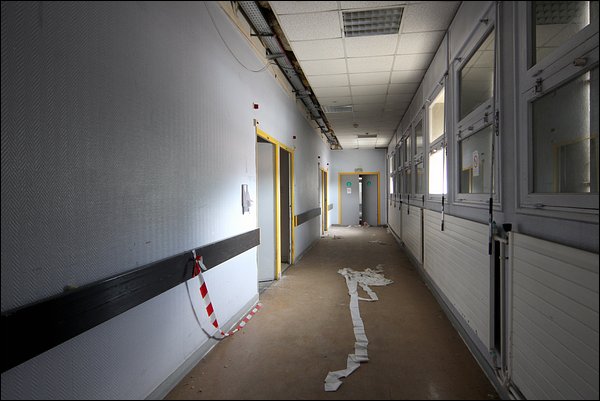
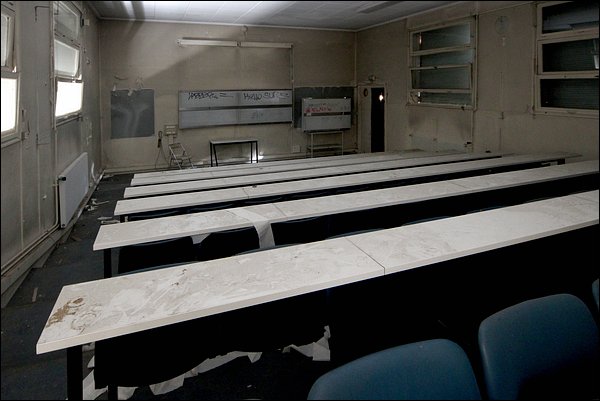
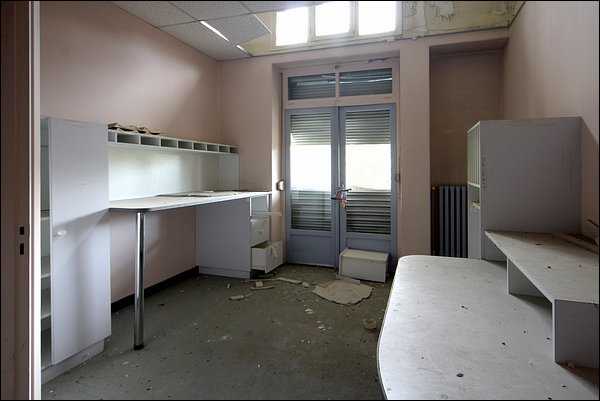
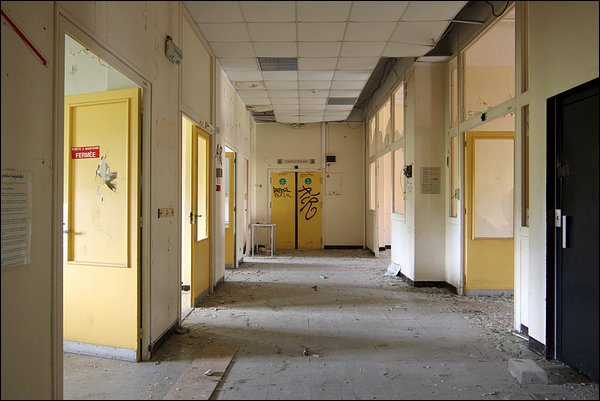
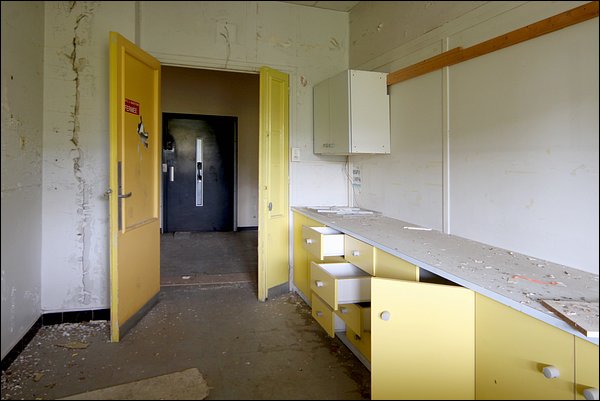
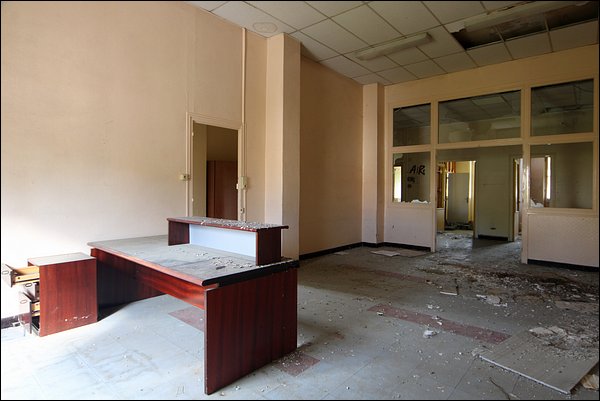
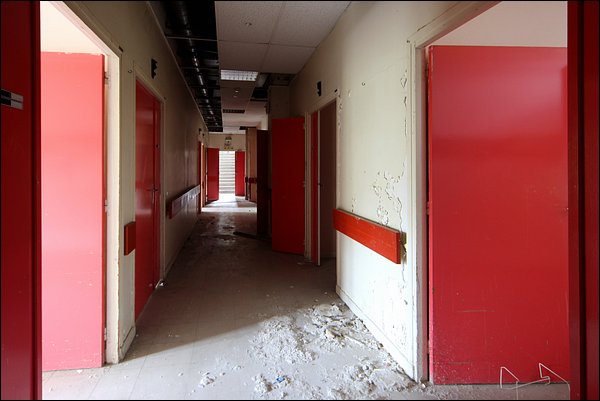
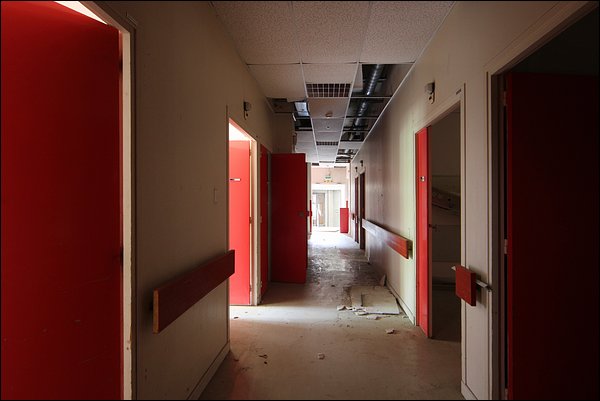
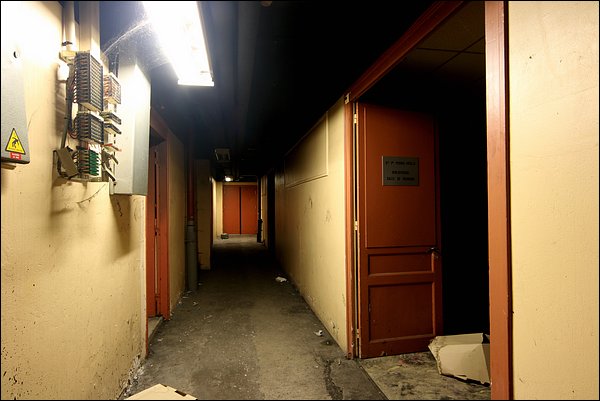
The two buildings were clearly independent until a connecting corridor was hastily built between them. Today, both are totally unoccupied, degraded, and - given the complete absence of medical activity - abandoned. However, they were in the final stages of being cleared out during our visit, which explains why lights were still on in some hallways. Since they were sold by the public authorities to a real estate developer, the buildings are under surveillance. I was quite surprised to find myself tracked by a guard inside - likely due to the cameras.
The redevelopment plans for these buildings are immense. Fifteen historical buildings are set to be transformed, requiring a major urban planning effort. Initially, 500 housing units will be built to welcome 3,000 new residents, with a long-term goal of 1,350 units by 2050. Added to this are new roads and numerous public infrastructures. Rather than wiping the slate clean, it was decided to renovate these two historic buildings. This is a very positive point - and a rare one - as we too often have to deplore the total disregard for heritage in favor of lucrative mega-projects. Furthermore, the public hospital authorities decided to salvage the archives stored in the basements. I noticed many trolleys being used to transport stacks of paper. These have been sorted and are ready to be evacuated for preservation. This was an extremely positive and, frankly, rare sight!
Final Reflections
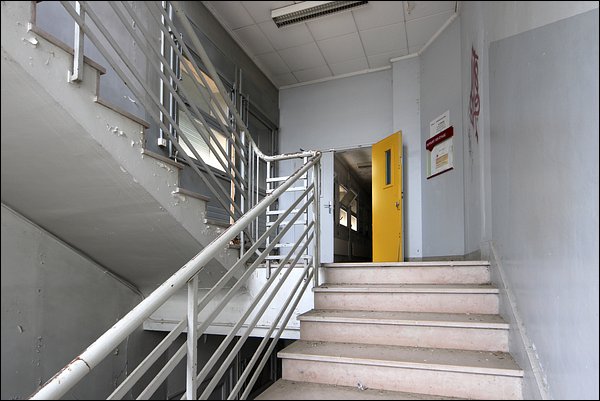
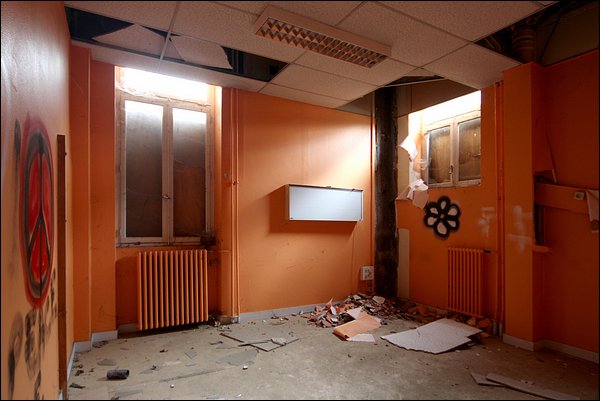
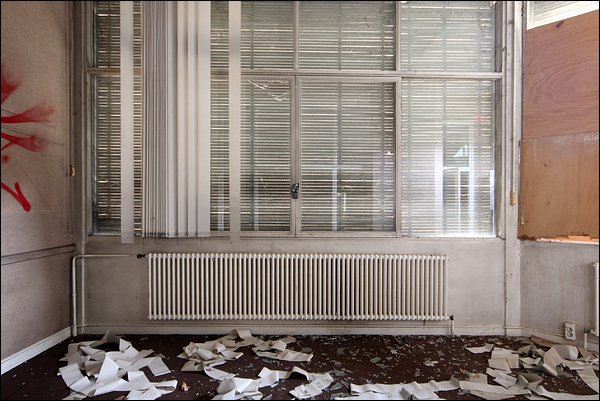
Both the sanatorium and the adjacent pavilion are in a state of decay bordering on the terminal. In any case, camera surveillance helps limit further damage and prevents arson. I invite you to visit these abandoned buildings, keeping in mind that this is, much to our surprise, an exclusive. We found no photos of this site anywhere else. It's incomprehensible. Not that the location is exceptional - far from it - but it is a great pleasure that urbex can serve here as an act of memory: capturing this hospital's history before a renovation project of immense scale begins.