Urban Exploration - Eugene's Farm
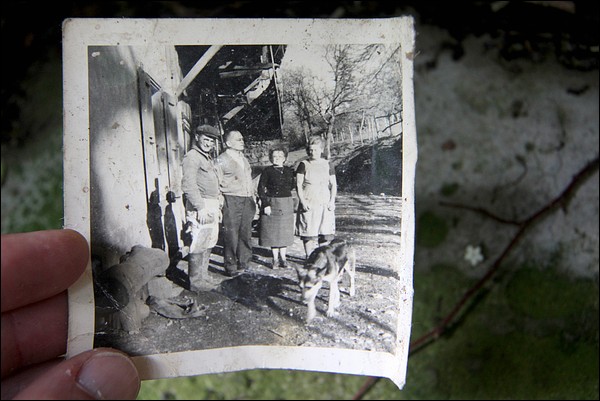
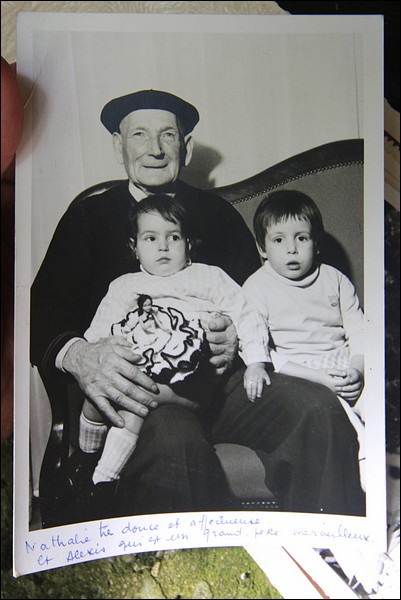
We received photos from a traveler and compiled them into a historical summary.
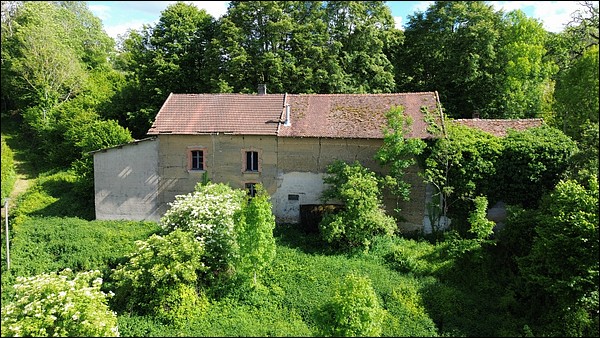
Eugène's Farm was introduced to me by Anthony, whom I thank most warmly. It is an old farmhouse that is virtually impossible to find if you don't already know it's there. Indeed, it is absolutely invisible from the street due to the overgrowth. The only leads to discovering it: hanging around the area, chatting with neighbors, or owning a plane.
This was Eugène's farm. Population census records show that in 1901 and 1906, the premises already belonged to the family.
Maps tell us that during the topographic surveys established under the authority of Napoleon Bonaparte, the site existed in its own right. However, it then consisted of three distinct buildings - at least, that was the case in 1820. Later, at the end of the Second World War, work was undertaken, and only two buildings remained.
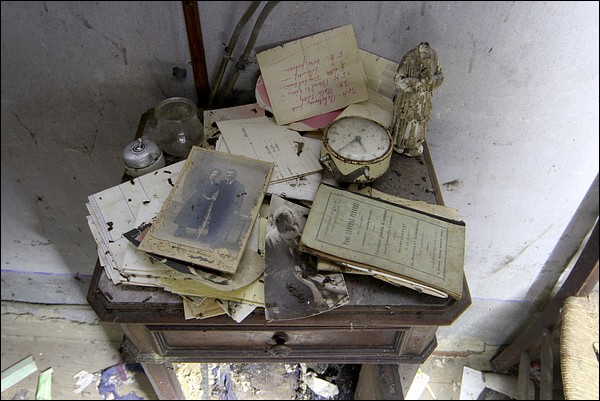
In a letter to the notary, Juliette explains the problems encountered during a neighborhood dispute concerning water rights and the use of certain common areas. At an undetermined date, the conflict ceased, and new work was carried out. The farm became a single block and, from then on, a single property. Life could proceed peacefully.
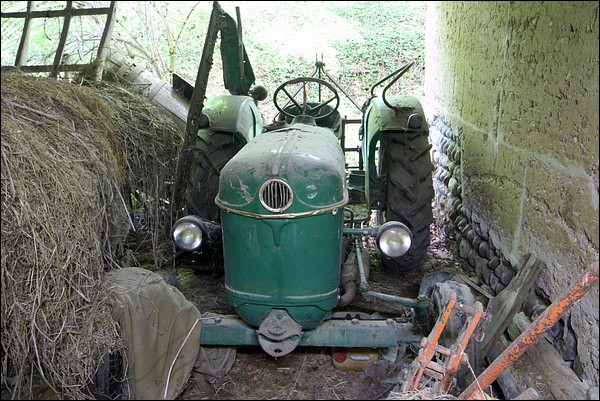
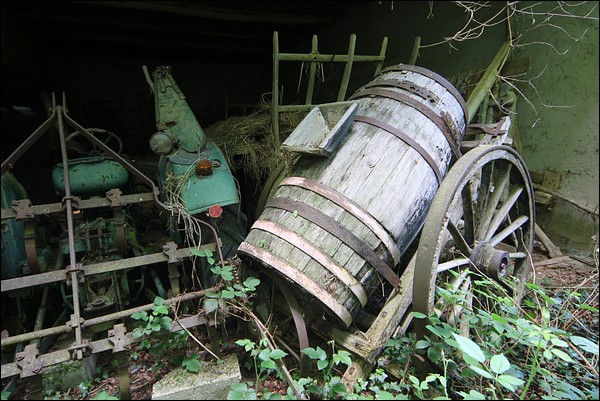
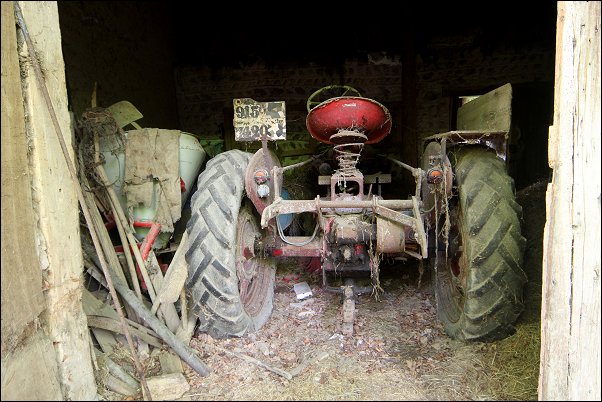
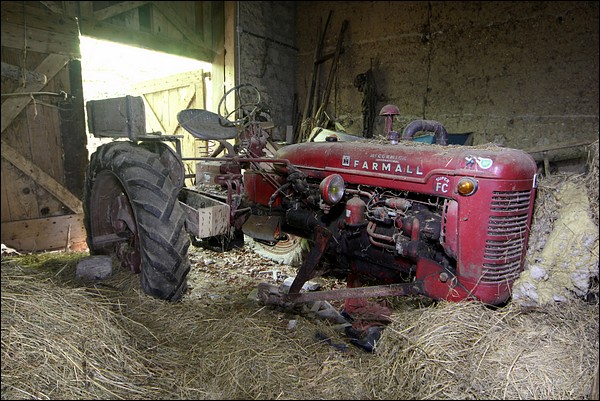
Eugène led a diversified agricultural life, growing grain but also - if we are to believe what we discovered - keeping a small rabbit farm.
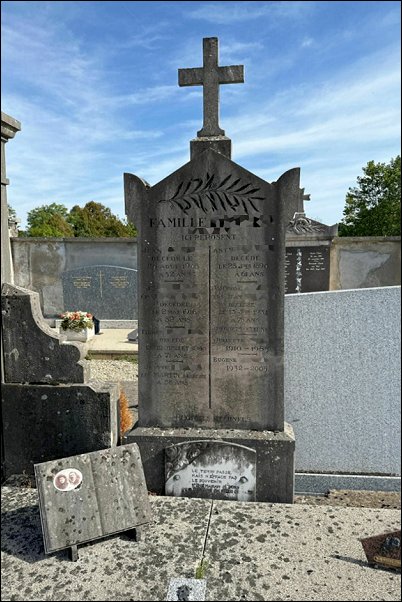
Eugène was born in March 1932 and passed away in November 2005.
His mother, Juliette, was born in April 1910 and passed away in August 1985.
His father, Auguste, was born in 1904 and died at an unknown date. The couple divorced in December 1954.
Eugène and his mother are buried in a rural cemetery outside their commune of residence, in a family vault. Juliette repudiated her married name and rests under her maiden name.
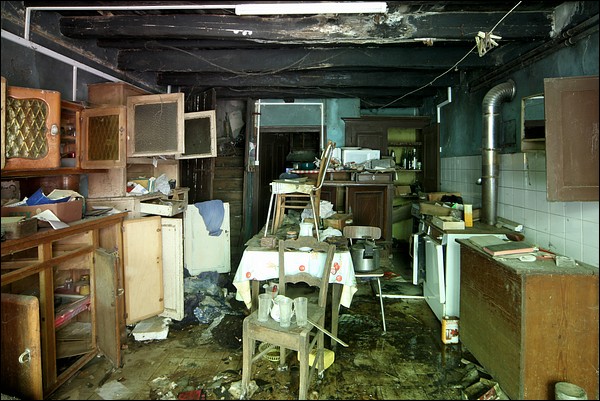
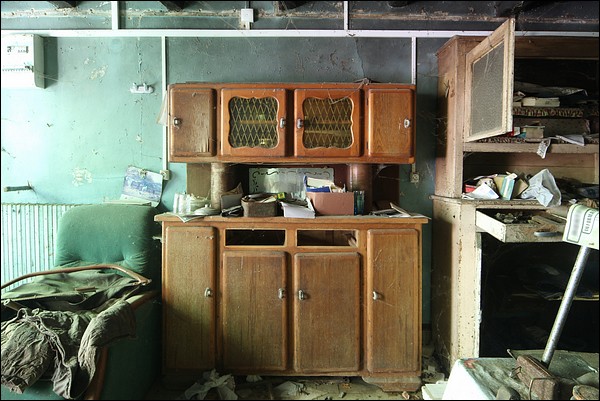
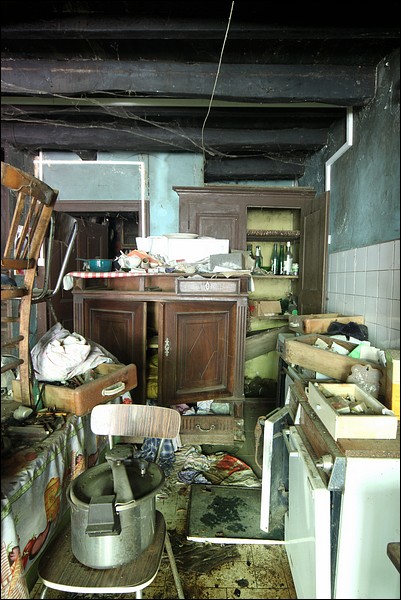
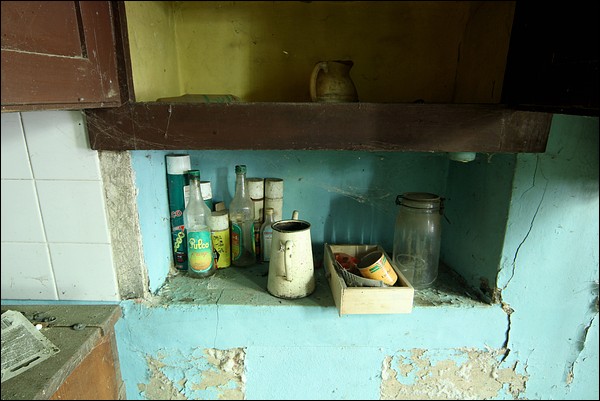
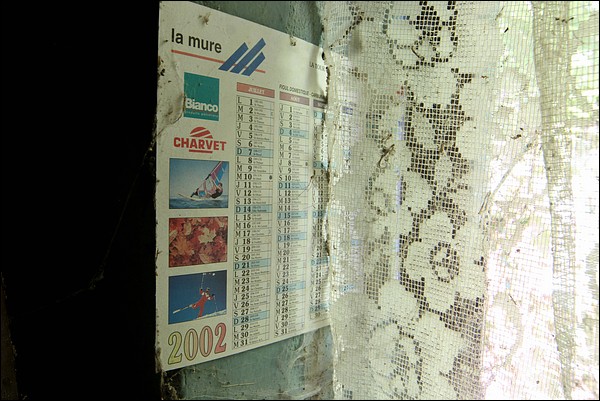
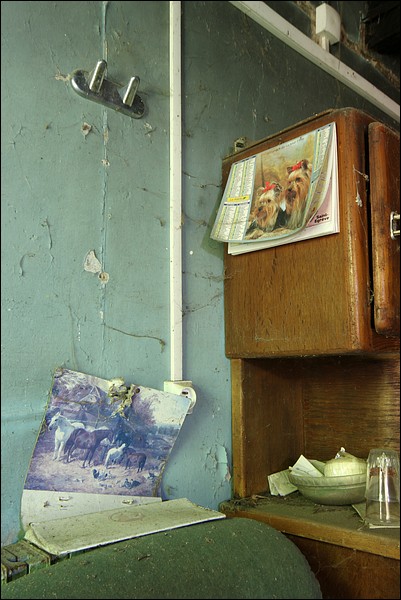
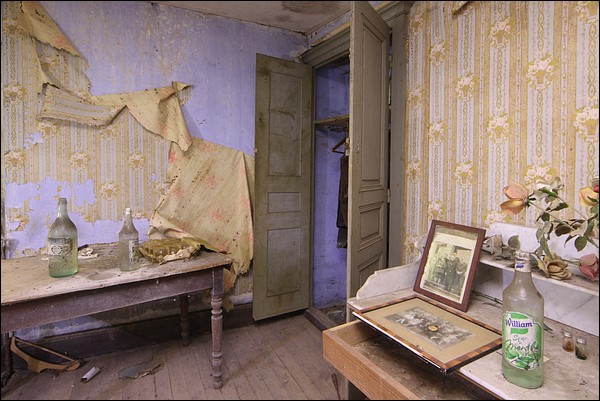
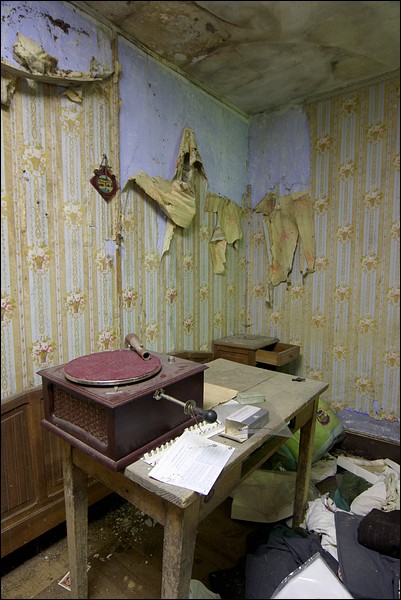
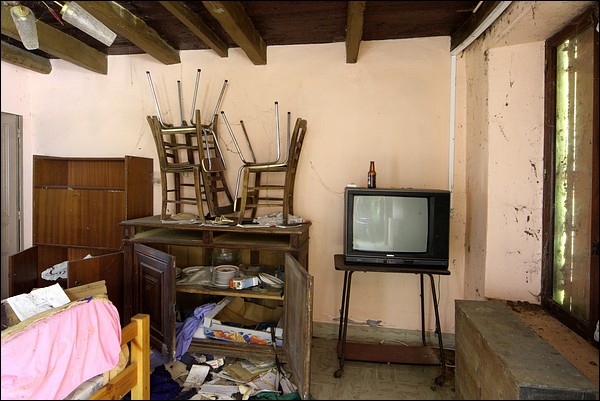
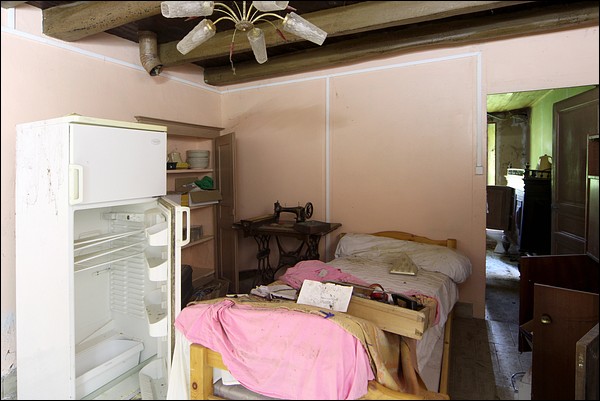
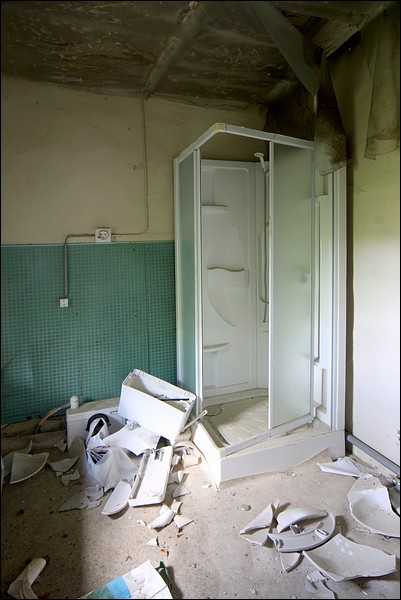
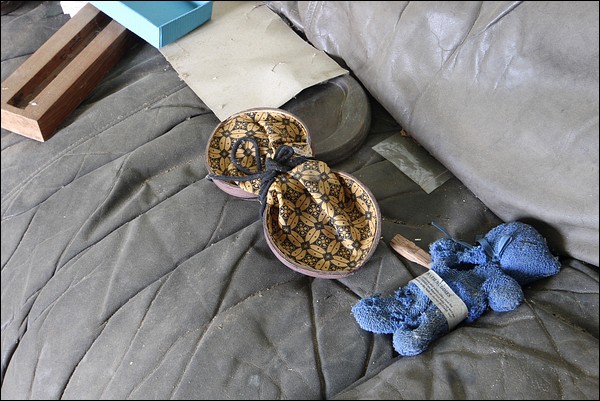
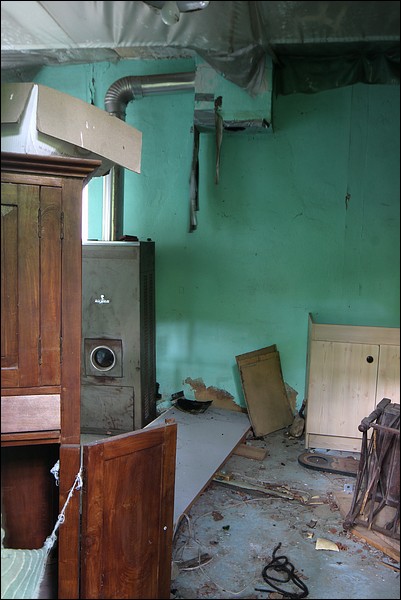
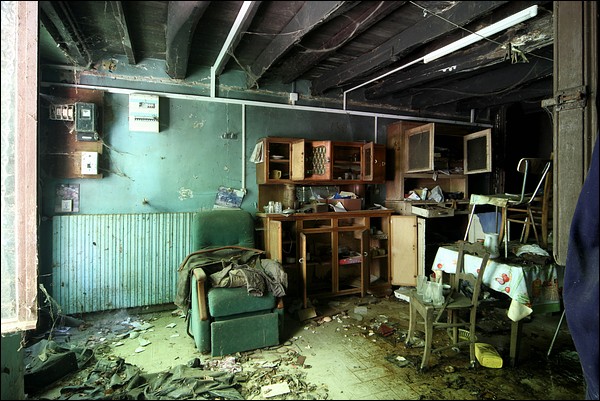
Exploring this house must be done with great respect. Even though its occupant vanished 19 years ago, absolutely everything is still there, as if Eugène had left just yesterday. Of course, looting and filth are inevitable, but one can still clearly feel his presence - a benevolent one.
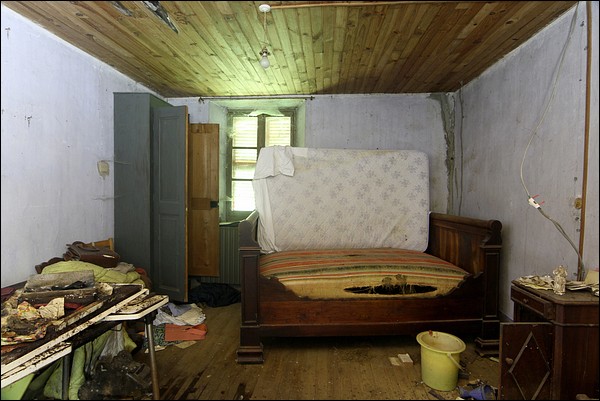
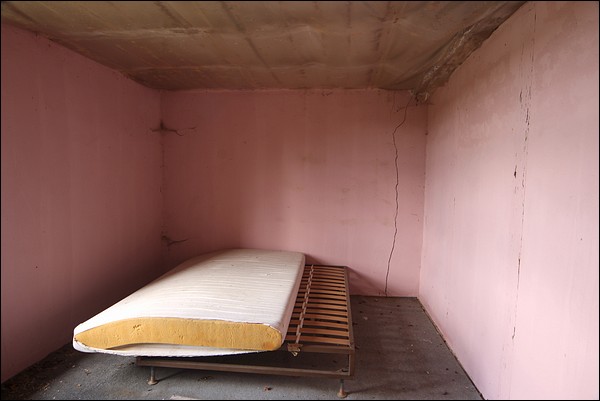
The upper floor has been "sanctified." It contains mostly the belongings of his mother, Juliette, and has the general atmosphere of an attic long neglected. This wasn't necessarily out of a sense of the sacred, but rather because Eugène could no longer climb the stairs. Correspondence shows that he received home support from the ADMR (home care services) for years. Eventually, life became so difficult that he was placed in a nursing home (Ehpad) 14 kilometers away. He passed away there after two years of residency.
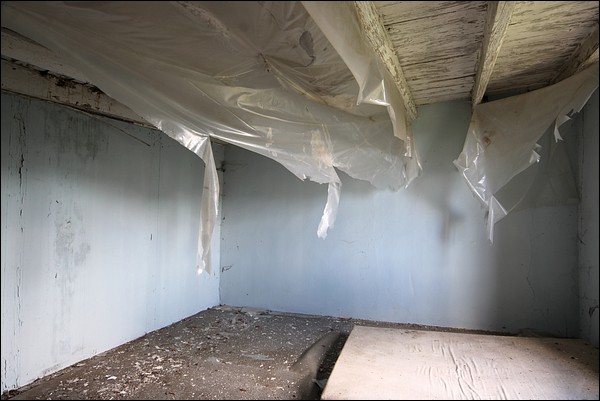
According to our research, the abandonment of the site is due to a refusal of inheritance because of debts - specifically the staggering costs of the nursing home. Since then, the farm has closed in on itself in wild abandonment. No one passes by anymore, except for animals or perhaps the occasional curious neighbor. Despite everything, the house was looted once.
We were unable to leave flowers on his grave because we had gone to the cemetery in his own commune; poorly documented at the time, we had made a mistake (it isn't always easy). So, we have an appointment with Eugène one of these days.