Urban Exploration - Gérard's Farm
We received photos from a traveler and compiled them into a historical summary.
Let it be said right now: you would have to run me over with a 36-ton truck before I'd reveal the location of this place. And even then… you might have to deprive me of dark chocolate for 148 years (I'll admit, I'd hesitate there, that's a long time), or as a last resort, force me into a one-on-one dinner with Charline Vanhoenacker and… no, seriously, don't do that, I beg you, I implore you!
In short, this little farm is too precious, too fragile. Not that there is anything left to steal; out of respect for Gérard's family, this place will remain a secret. The sole purpose of this documentary is to honor both the location and this beautiful family odyssey. And also because it's a peaceful, sensitive village with a wonderful local government.
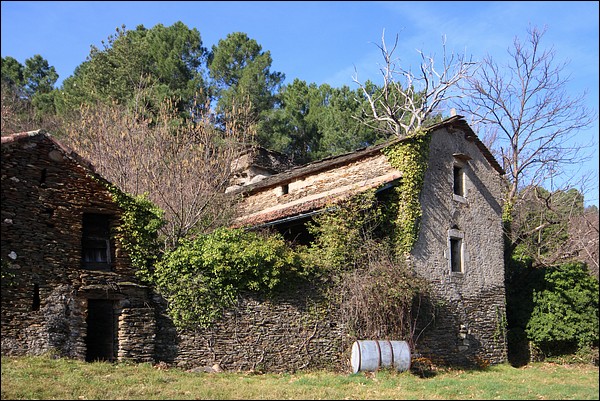
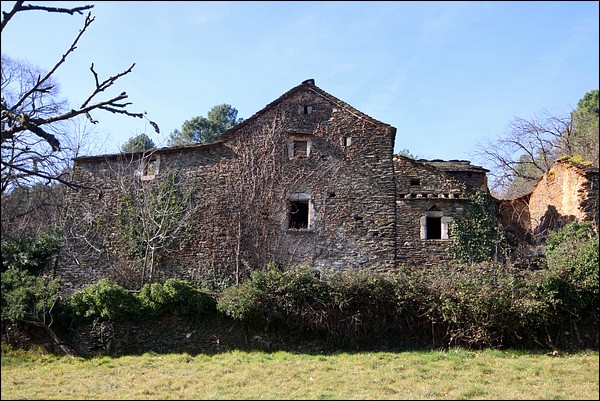
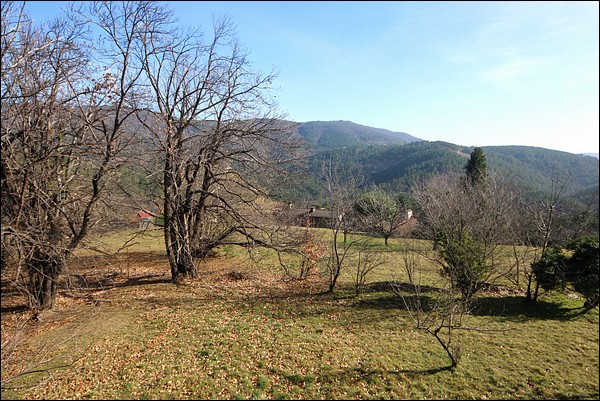
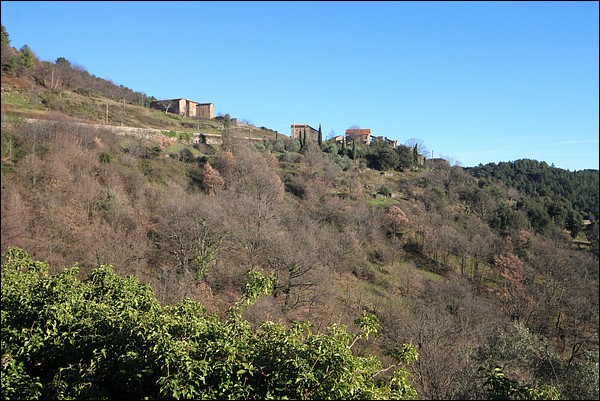
Gérard's farm is located in an isolated "écart" (outlying settlement) of the Cévennes; the region itself is a form of exile. The setting is splendid. How many times did the family stand before this striking landscape? It is of a titanic beauty - everything one can love about the Cévennes. Living there, of course, is another matter. Harsh, difficult, certainly - "we know why we do it," as the elders say.
Gérard was a farmer. He ran a sheep farm. He was born in July 1931 and passed away in December 2009 at the age of 78. He married Eliane. Through inheritance, the farm is now the property of Eliane and their daughter, Christiane. While daily life once unfolded at this farm, that hasn't been the case for a long time. Eliane now lives just a few miles away, in hamlet B.
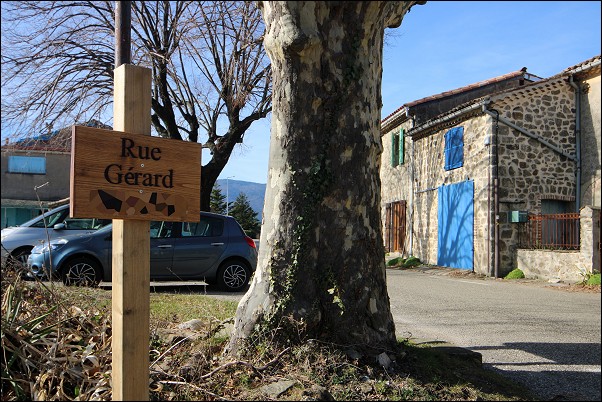
Gérard was a man loved by all. He served as the mayor of his commune and was re-elected four times until 2001. When people speak of him in the village, they always say with deference: "Monsieur le Maire." He was so admired that he has a street named after him - the final photo of this report.
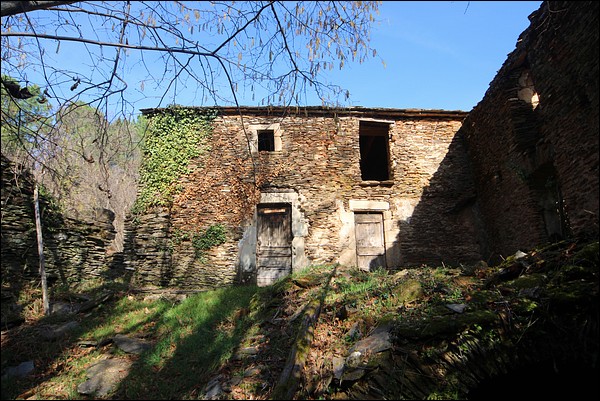
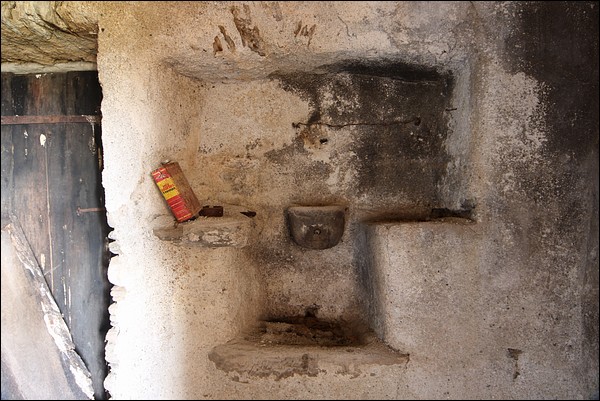
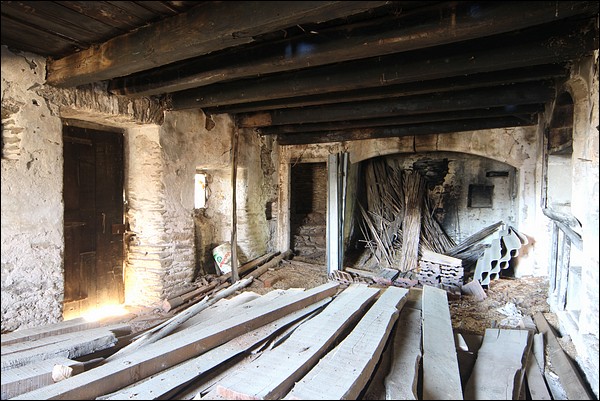
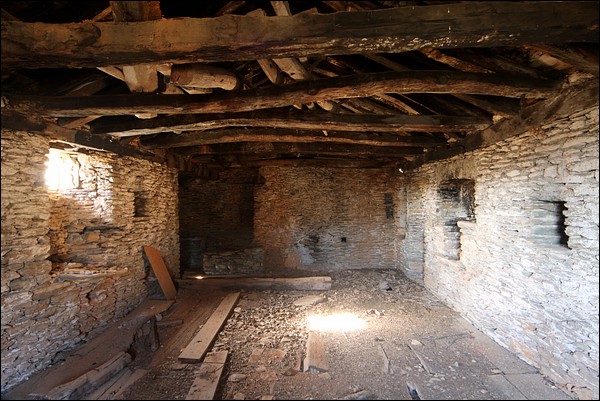
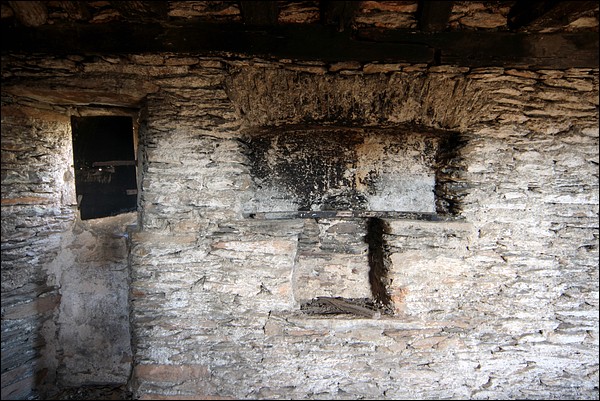
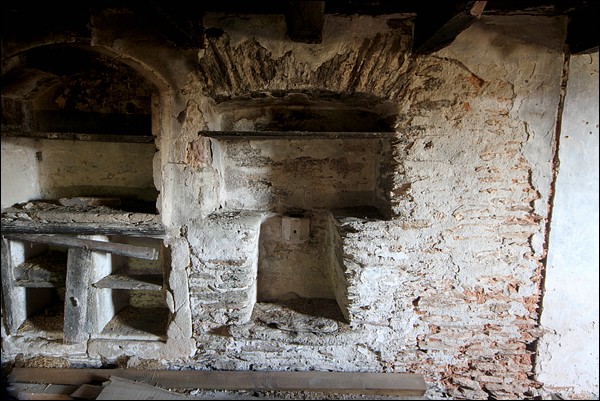
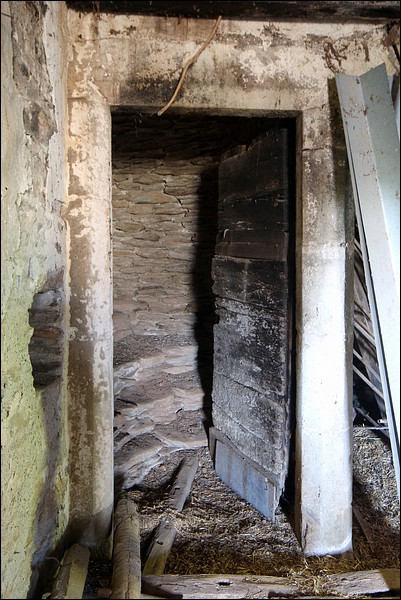
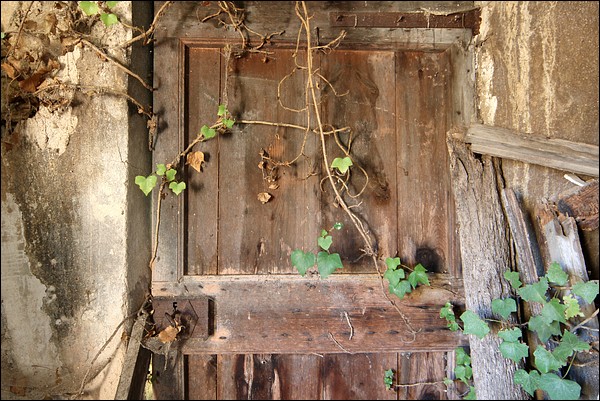
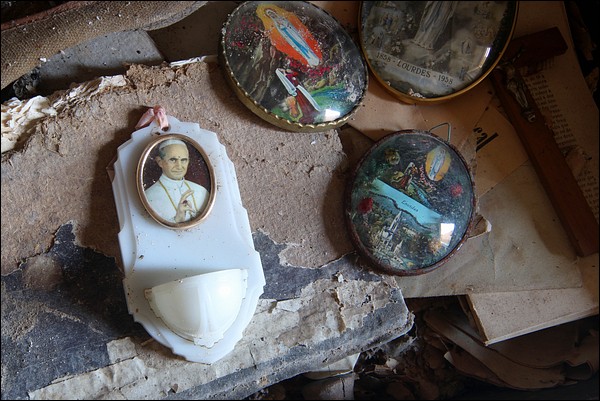
The farm reveals a structure typical of the region, notably with a stoup (holy water font) placed in a cross carved into the wall at the entrance. The stables are on the left, the living quarters on the right. The sheep-farming activity here likely spans centuries. Indeed, records show that Martin D. was a breeder, as was his father Martin before him, and primarily a sheep merchant. He faced a number of setbacks in 1941, when all his buying and selling were controlled by the occupying army.
Alfrédie (née M.), widow of D., paid into the agricultural social security fund and lived in the household at least until 1982. She was born in 1904 and died in 1989. It stands to reason she was Gérard's mother (the birth certificate, reference 5 Mi 38 637, is not viewable as it is less than 100 years old). Martin D. (1929–2005) might have been Gérard's brother. With three Martins, all farmers, sorting through the information isn't easy.
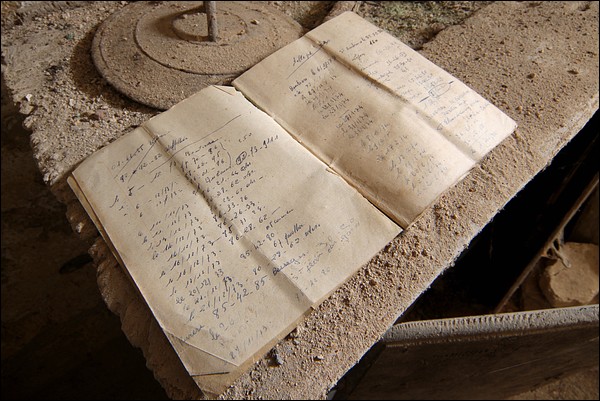
Among the household's circle, we find Bazile D., Joseph H., Abel D., Oléodine M., Alfred M., and Jean-Antoine D. All were subject to land taxes for their fields. Being a well-educated man, Gérard handled all the correspondence and administrative tasks. Also, in this farm, they were among the rare few to have a telephone. A register lists every call; the entire village filed through for this precious service. He managed paperwork by the shovelful for everyone, even dealing with the EDF (electricity board) regarding power lines crossing the land.
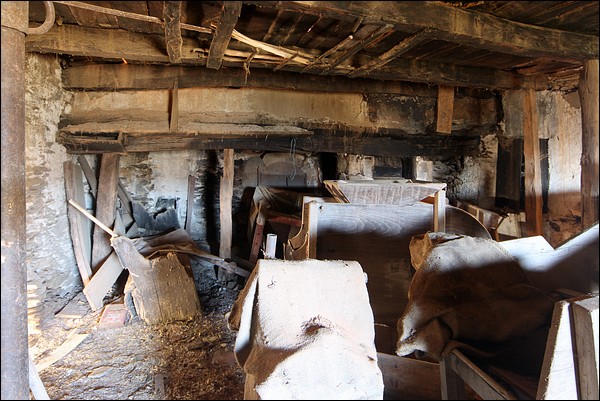
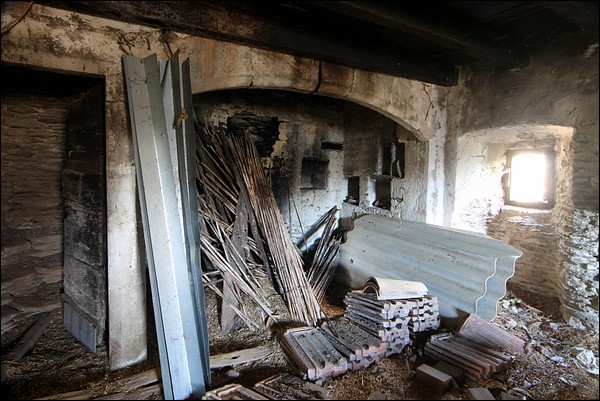
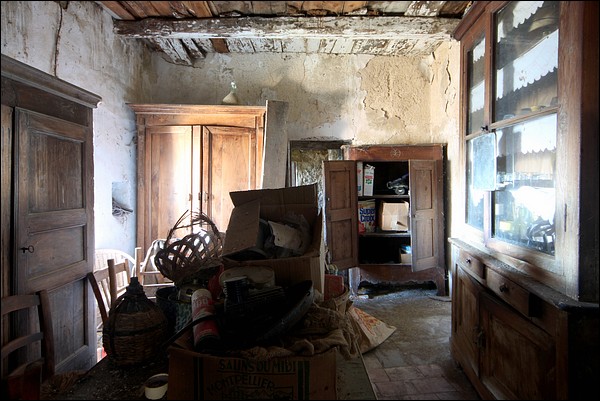
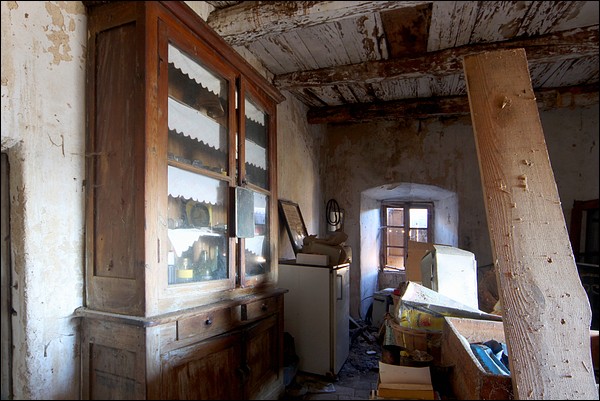
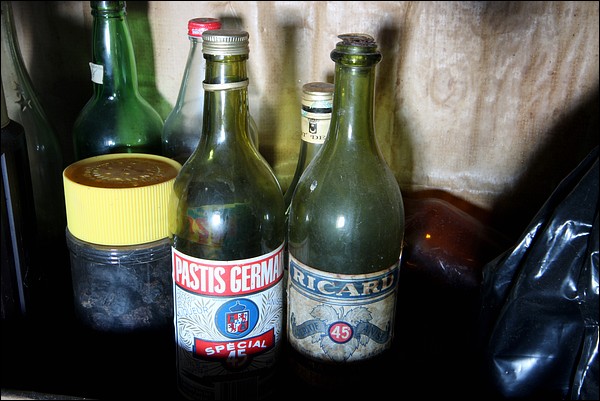
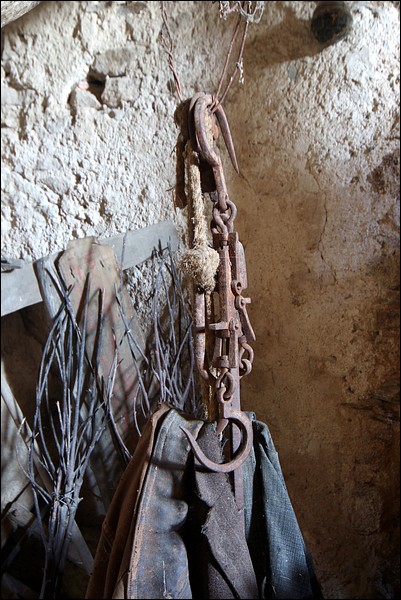
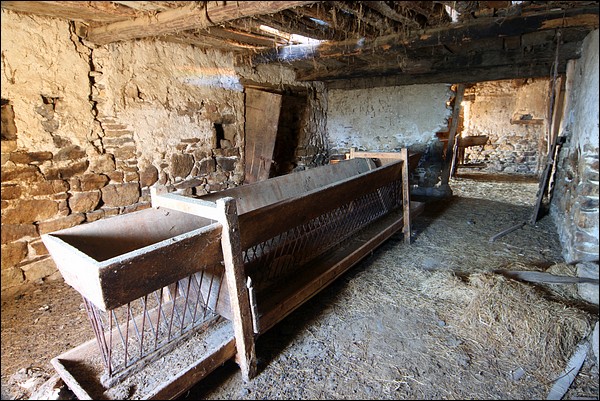
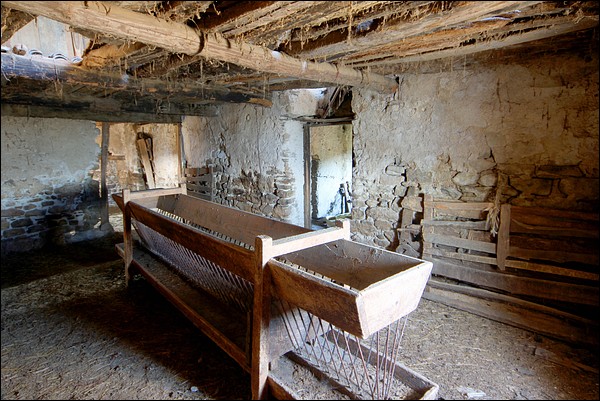
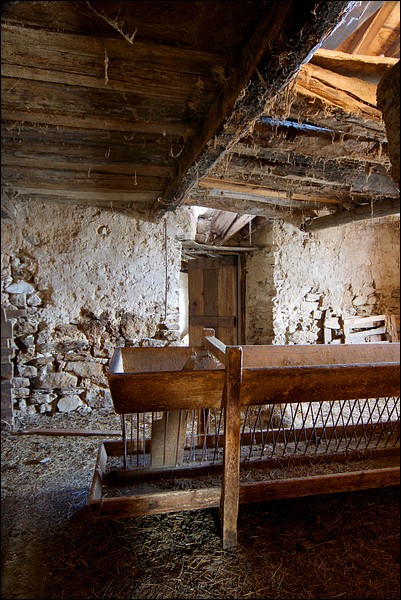
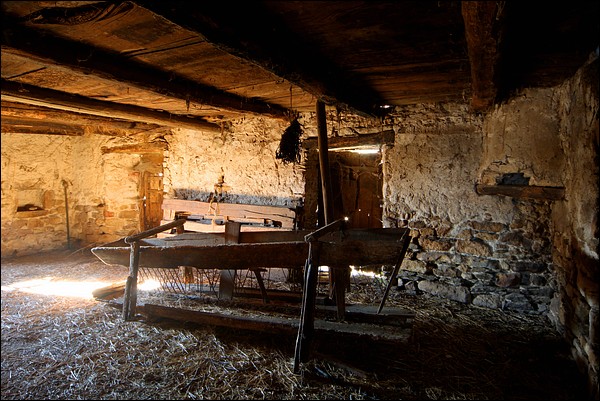
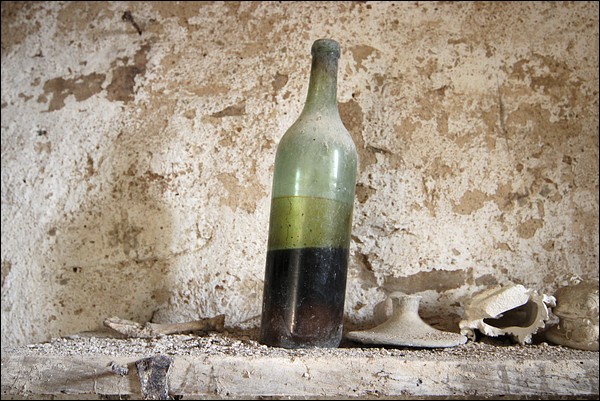
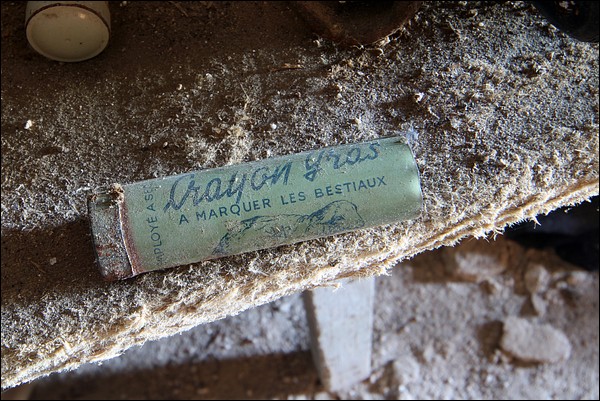
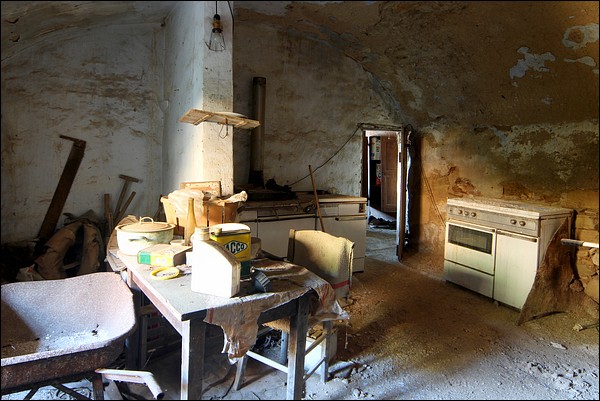
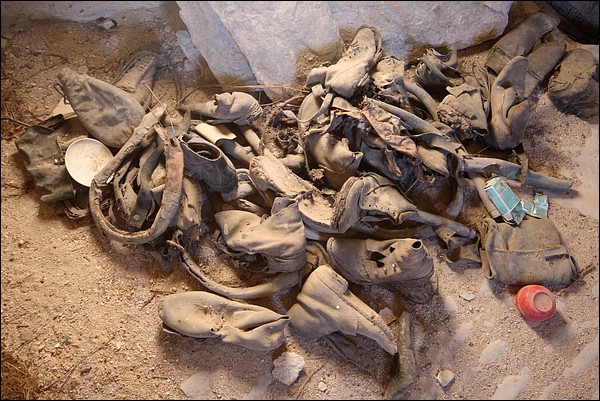
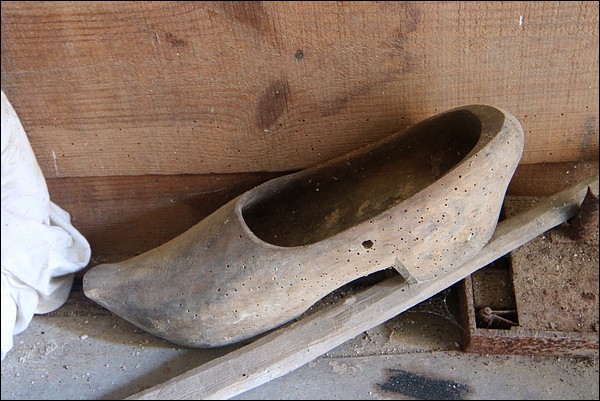
Gérard was a veteran of the Algerian War. He received the Croix du Mérite Agricole for the immensity of his work. What remains today are troughs in barns still filled with straw, old grease pencils for marking the sheep, and timeless tools. The house was turned upside down during a move - certainly upon his death - and then the heap of a lifetime remained intact. It's as if everything stopped just yesterday: a closed and fragile universe. There's even half a bottle of Pastis Germain left!
Gérard is buried in the village's tiny cemetery. I walked around it three times without finding him; I even went to ask at the bar in the main square. In the end, it was the town hall that sent me the photo - it was completely obvious. How was I so incapable? I will have to return to lay flowers on the grave; it's an appointment I won't miss.
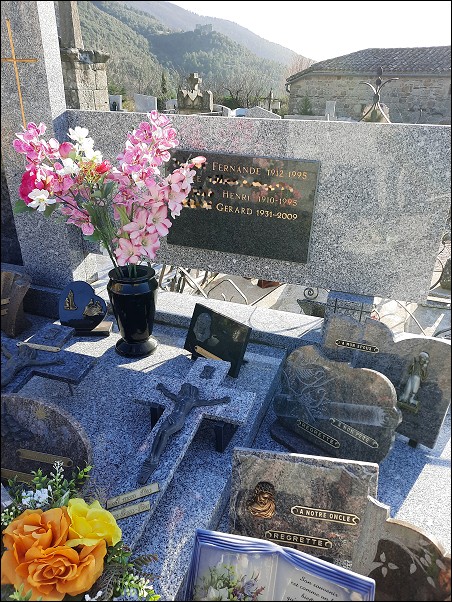
La tombe de Gérard, photo prise par la mairie, que je remercie vivement.
Hommage au pastoralisme d'antan, je vous invite à découvrir un lieu que j'ai trouvé profondément enchanteur.
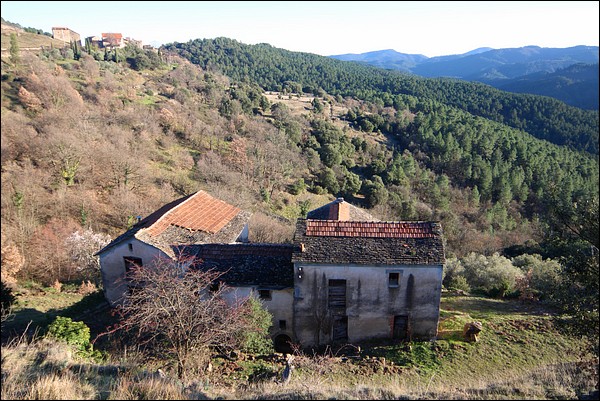
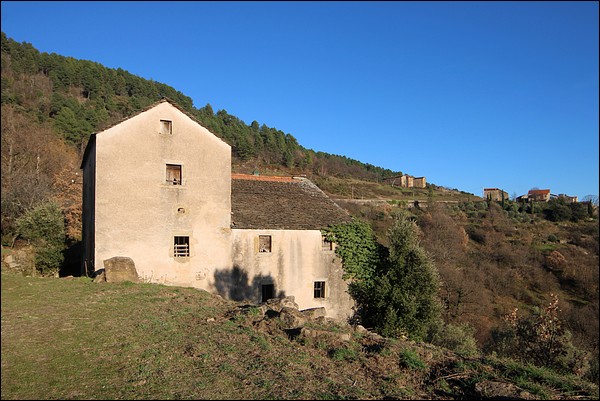
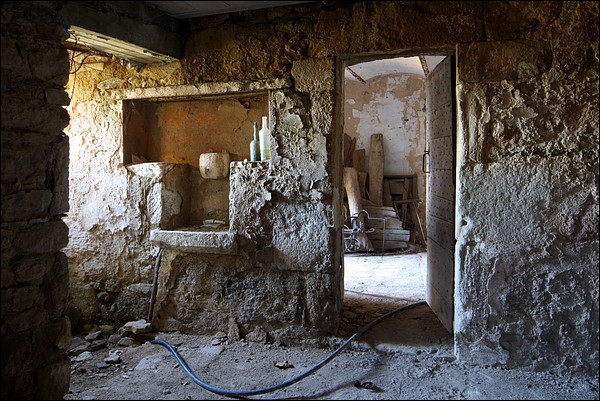
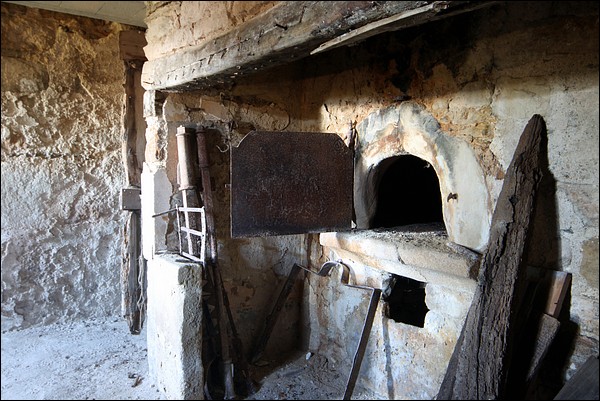
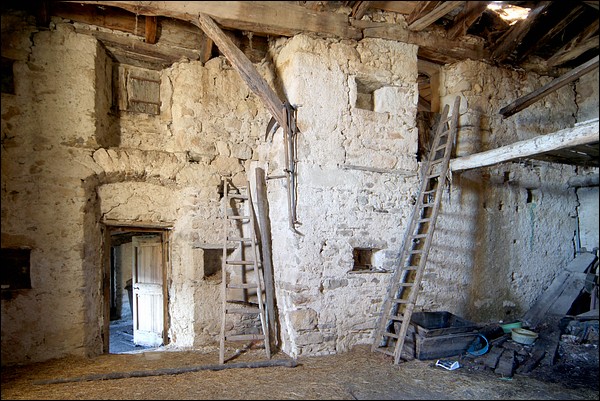
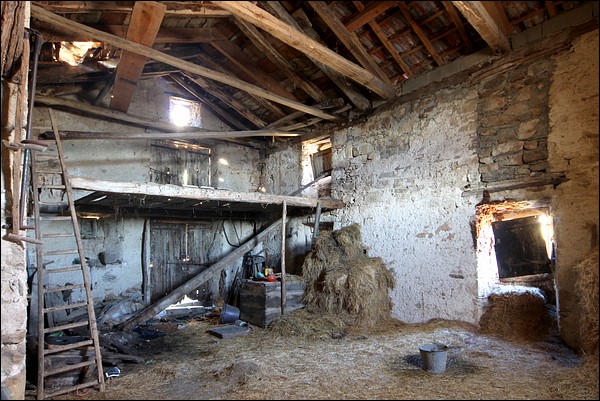
La ferme Le Racou
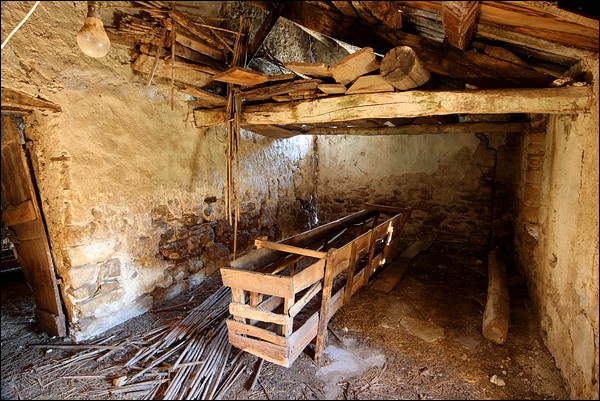
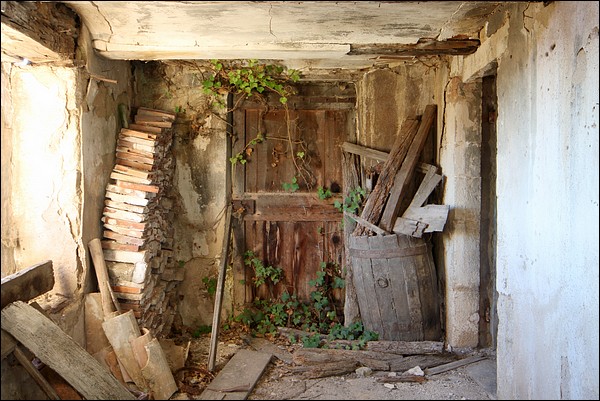
Un peu plus loin dans la même montagne cévenole, voici une autre ferme qui y ressemble. Elle est bien jolie, mais dénuée du moindre objet de vie, je n'ai pas pu remonter son histoire.