Urban Exploration - The Two Sisters' Cave Dwelling
We received photos from a traveler and compiled them into a historical summary.
The "Troglodyte of the Two Sisters" is a truly surprising exploration, as it is unique to say the least. The initial assumption is the typical "rural escape" story: people move to a remote corner, praising the beauty of nature, but they can't hack it. Within one to three years, they flee back to the city. As Emmanuel would say: the next step is nothing more than a cookie-cutter suburban house, public transport, and a zombie-like 9-to-5 job.
So, that's the prepackaged idea - that they were "eco-hipsters" in a tourist-heavy area. Summer wanderers, charmed by this wild, remote spot, falling in love with nature. One might imagine two sisters (perhaps Dutch or Belgian) choosing to live reclusively beneath a waterfall. Except, the reality of this place is something else entirely.
A stubborn, robust legend in the village insists that a "pebble" fell on their house when they were children. In our local parlance, by "pebble," understand a rock the size of a bus. Their father supposedly perished there. Thus, in addition to losing their home, they lost their patriarch. This legend is distorted and false.
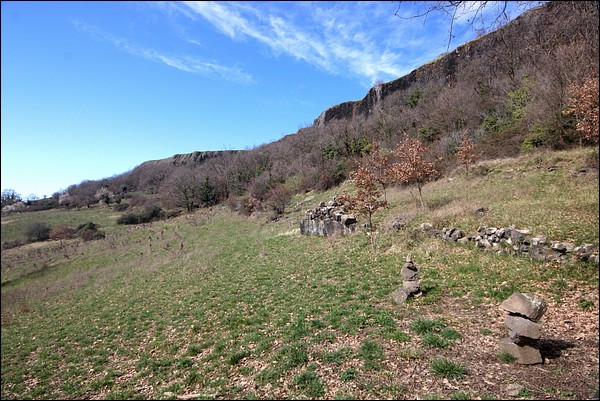
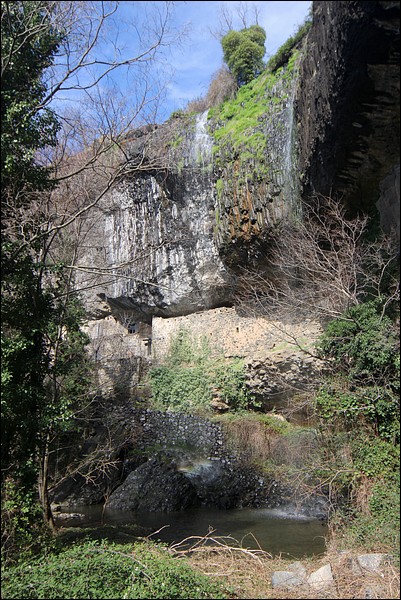
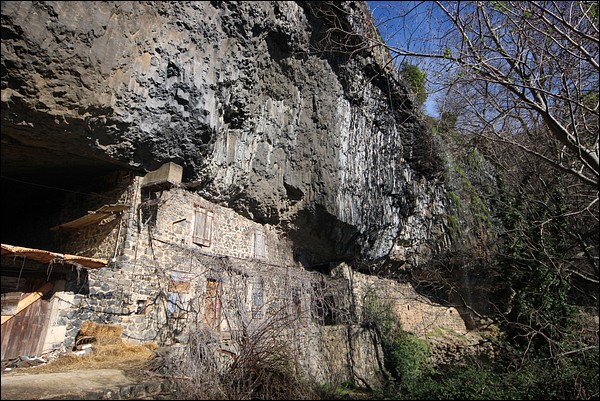
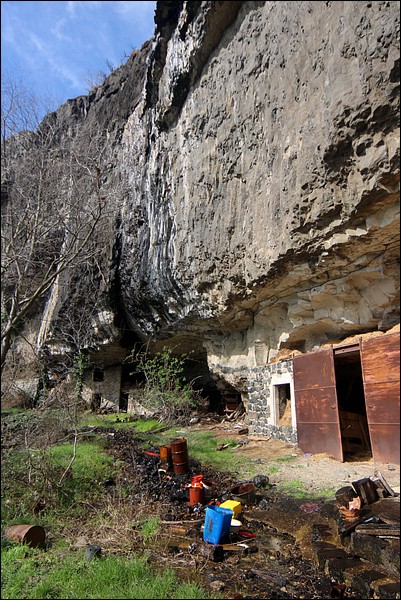
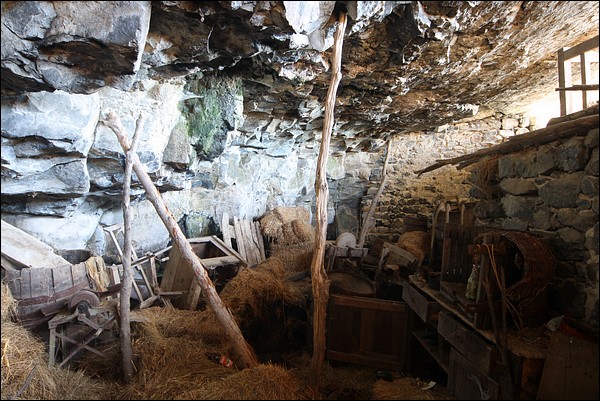
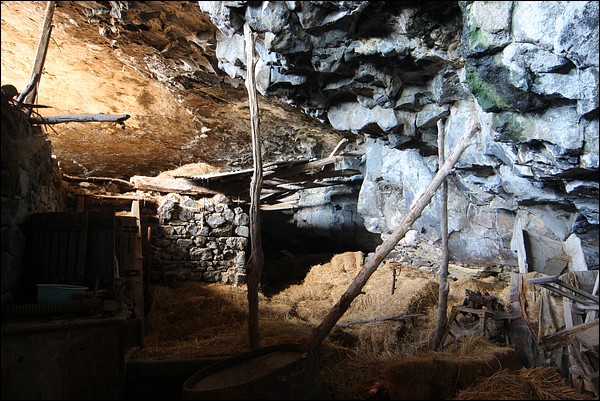
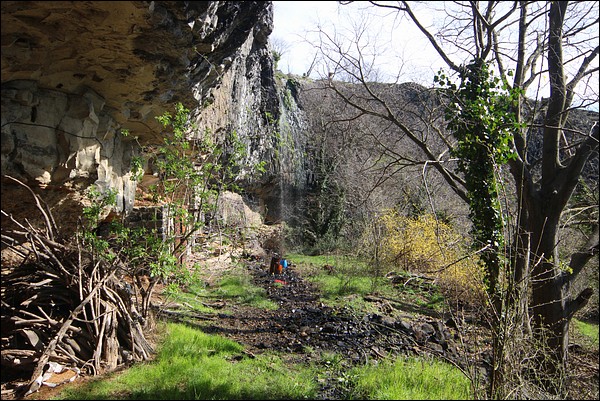
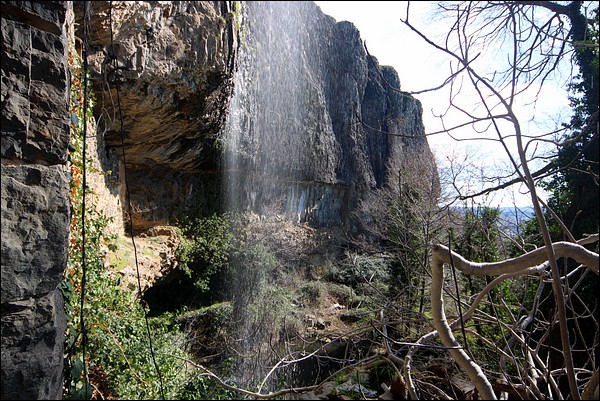
According to the father of a local resident, it was actually the grandfather to whom this happened. This explains why, in the census records of 1921 or 1936, the entire family is already found at the "troglodyte" site. The mystery is solved, and the history solidified. Their mother, Augusta, lived there until her death in 1978. To be precise, it isn't truly a "troglodyte." A troglodyte dwelling is usually carved into soft stone, like tuffeau-chalk. Here, it is the ingenious use of a sloping cliffside beneath basalt organs.
The two sisters were Odette and Henriette. They had a reputation for being relatively solitary.
Henriette, the elder sister, was born in July 1924 and died in March 2021 at the age of 96. Odette, the younger sister, was born in May 1928 and died in January 2016 at the age of 87. Odette's death notice mentions: "at the end of a life of labor." One can barely imagine... yes. We also note the existence of an older brother, Georges, born in 1921, of whom virtually no trace remains.
They raised sheep and likely engaged in numerous subsistence activities, as one might suspect. In the village, they say they used to sell their cheeses in the square and would buy a bit of meat from the traveling butcher's truck.
As time became difficult with age, life on-site was hard to maintain. It turns out that nursing staff eventually refused to go there. There are no roads or driveable paths; one must navigate a magnificent mule track. To help them in their final years, the person who looked after the chickens would regularly haul supplies up on a quad bike.
Then came the inevitable placement in a retirement home. They entered the hospital together - initially in a double room, then each in their own. Pascal explains that Henriette was remarkably interesting to listen to. It is often claimed they left in 1988. According to the residents, this is false. In 2008, they were both still living there, and according to the bills, it lasted much longer - 2014 seems a plausible hypothesis.
They are buried in a family vault in "Cemetery Number One." Odette is mentioned on it; Henriette is not. I am assured she is there; it is simply that no one took charge of the engraving.
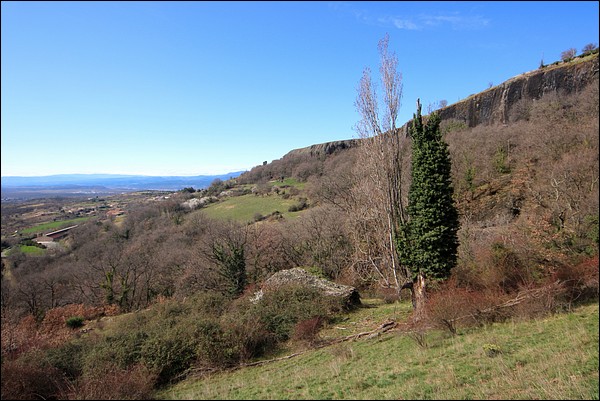
When visiting such a place, questions inevitably arise. How could anyone build a cement house in such a savagely remote spot? How could anyone live (survive?) in such harsh conditions? The impetuous waterfall, its roar, its humidity, its fierce mood during storms; it flows almost directly over the house, with the stables being the part actually surmounted by it. How could one live in such solitude? The questions are the answers. It was done, and that's all. A hard story.
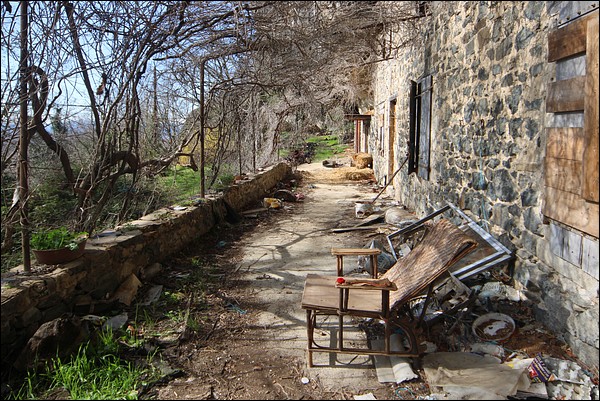
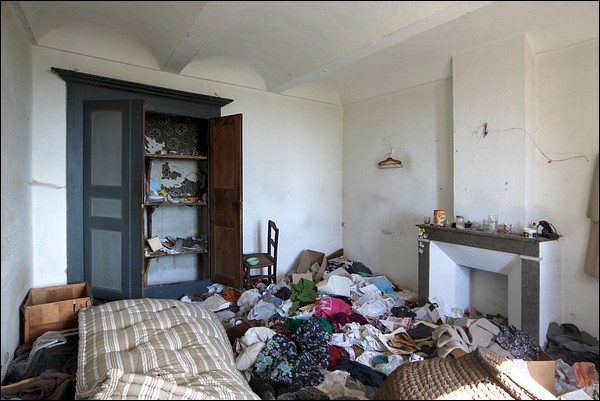
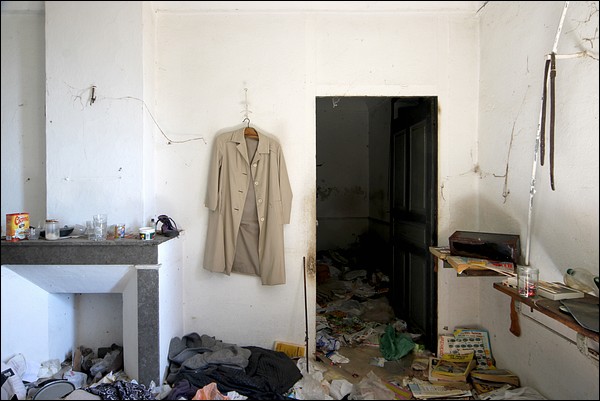
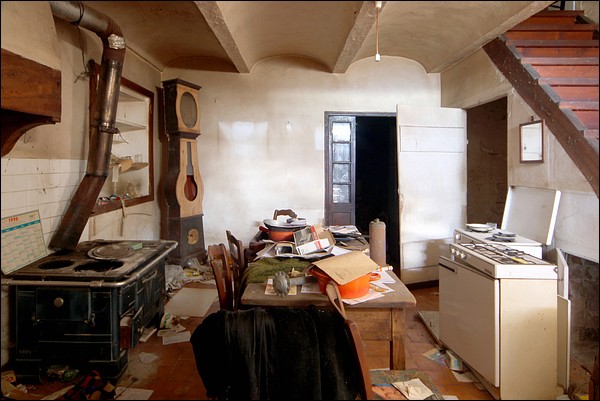
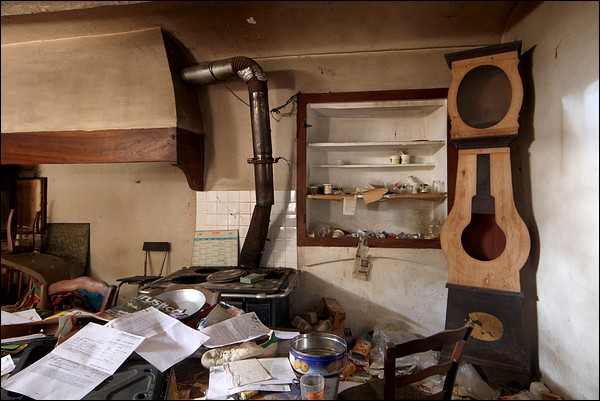
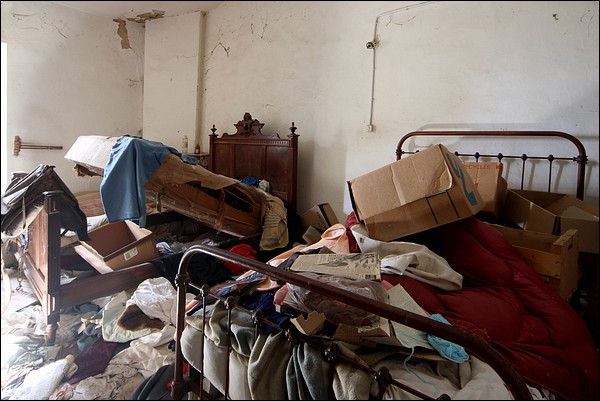
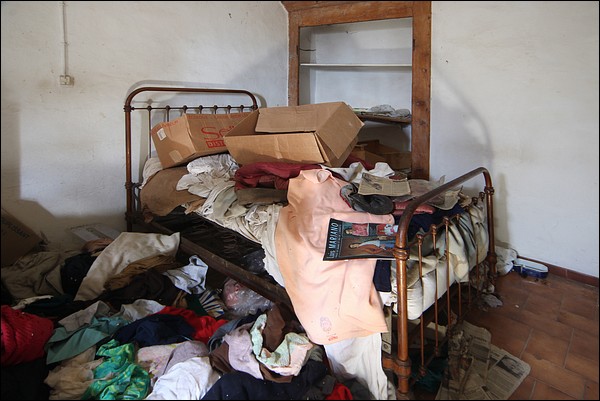
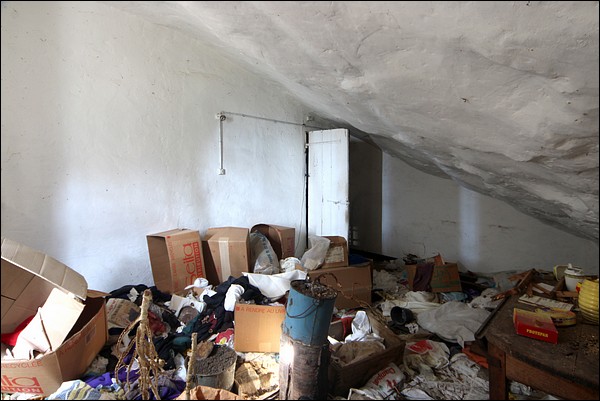
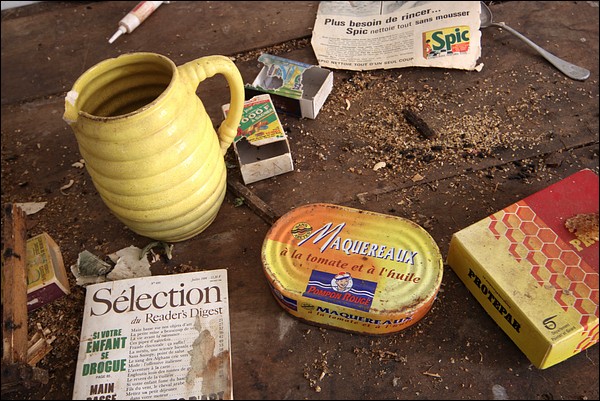
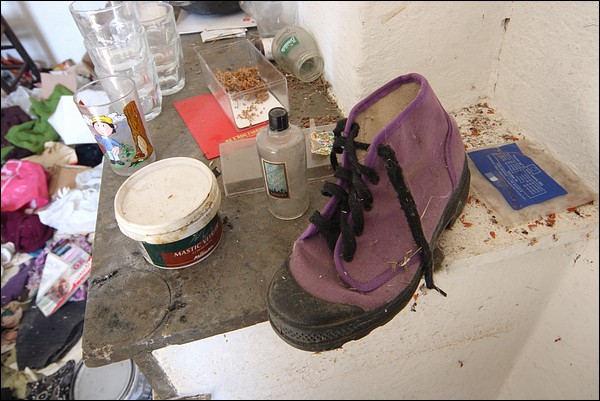
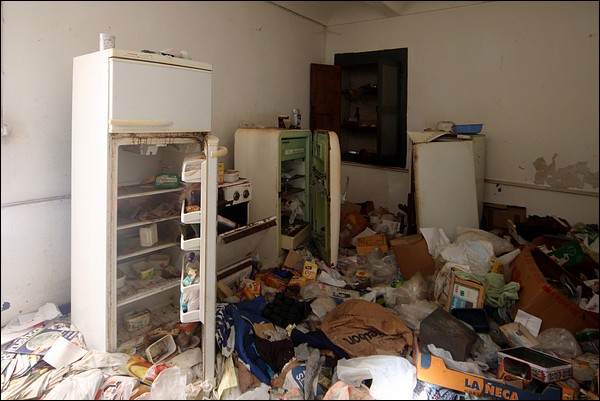
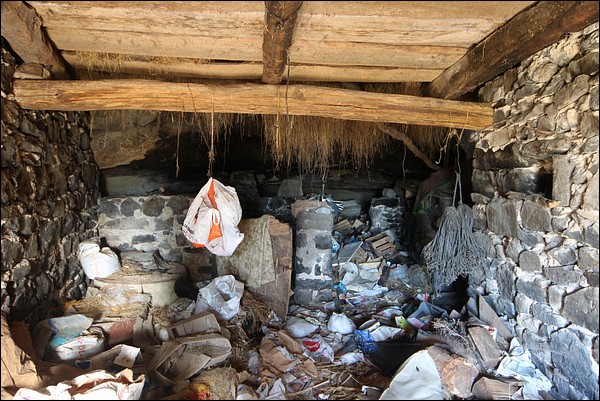
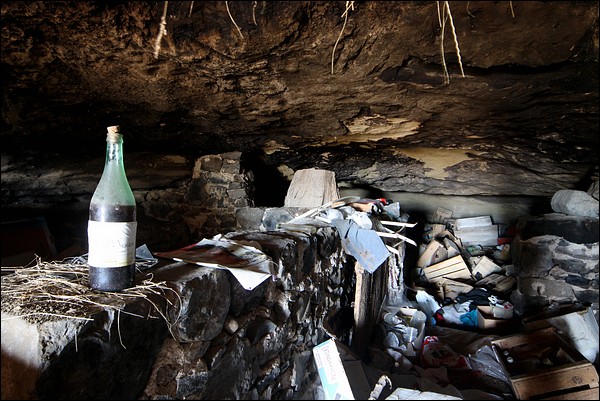
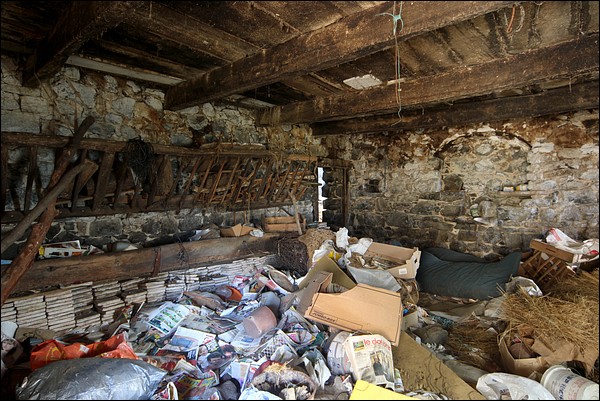
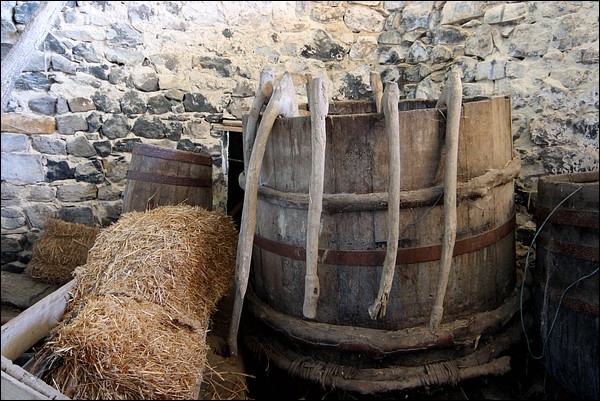
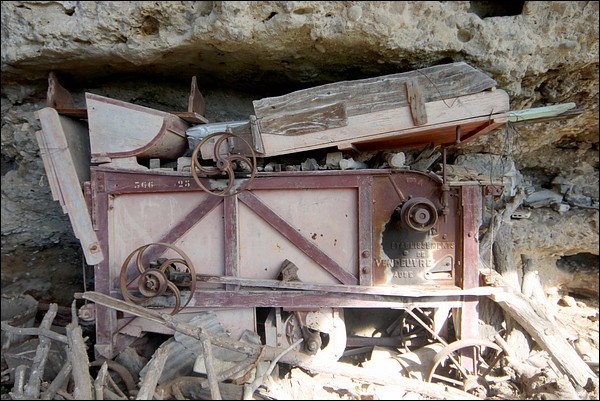
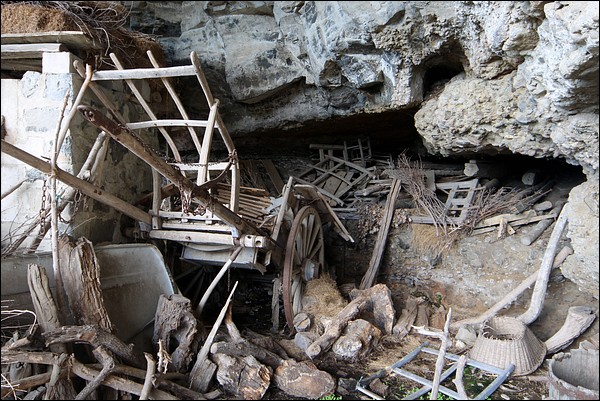
Given the tourist footfall and the inevitable influx of visitors, the house has been totally and lamentably ransacked. It is scandalous to see this massacre. What a lack of respect for the deceased - it's even possible it was attacked while they were still in the nursing home. Poor grandmas, already torn from their cliff, only to have their lives trampled like this: for one must inevitably agree that this place was their refuge.
In 2015, a brand-new wire fence had been installed by the commune at the entrance to the property, which has been savagely destroyed over the years. The shutters and front door were correctly closed, although through a window, one could already guess the carnage inside, paired with a fetid odor. Today, it is nothing but a ruin.
Still, beyond this detestable vandalism, one cannot help but think of the extraordinary fate of these two sisters.