Urban Exploration - The Odile House
We received photos from a traveler and compiled them into a historical summary.
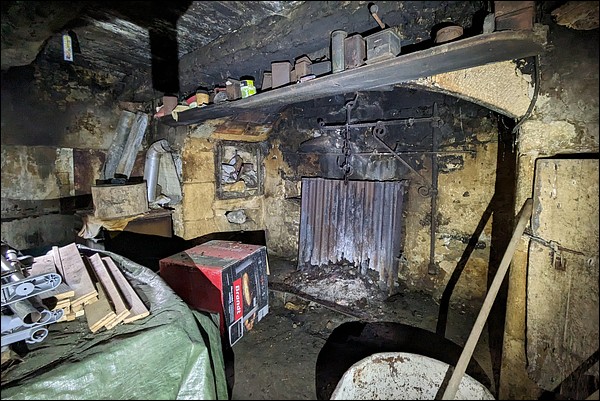
Maison Odile is an abandoned dwelling located in a radically isolated spot - the kind of place where you live for only two reasons: either you were born there, or you possess a flawless love for it. And I mean a love without a single crack. The slightest fracture in the soul makes you leave. As for the inhabitant of this house, it seems beyond doubt that both reasons were intertwined.
It is indeed a bitter, rough, hard, and austere land; one could almost use the word "spiteful," so much is harshness the very essence of its soul. To put it simply, up there, there is no one for infinite distances. Ancient populations lived in the valleys and did not indulge in the madness of these high plateaux, these peaks, these snows, and these lands scorched by the summer sun. Yet, habitats were established in a few tiny, centuries-old hamlets, primarily for livestock farming. Rare, scattered, essential.
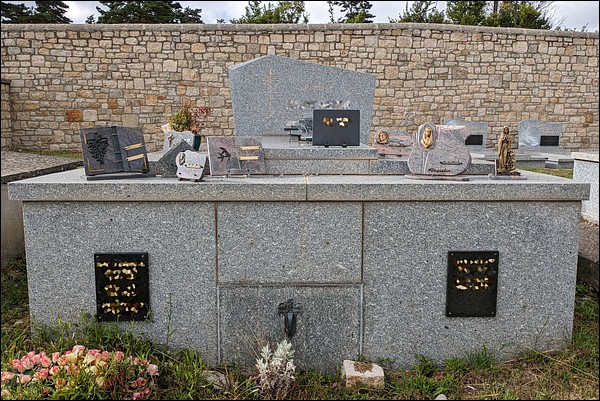
If the family tomb is to be believed, the family lived there since time immemorial. This information should be taken almost in a "clannish" sense - not in a repulsive way, like a mafia clan, far from it. Rather, it speaks of a family pulled tight, welded together, strong, united for and against this land. A mixture of feelings awaits anyone who goes there; no one remains indifferent or moderate.
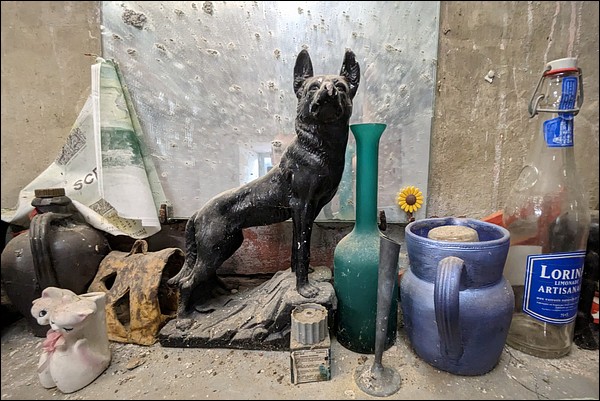
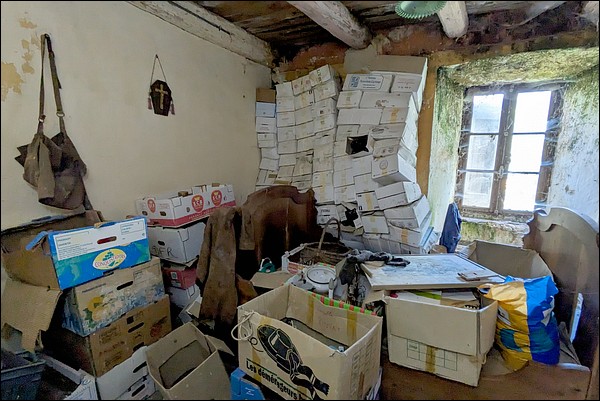
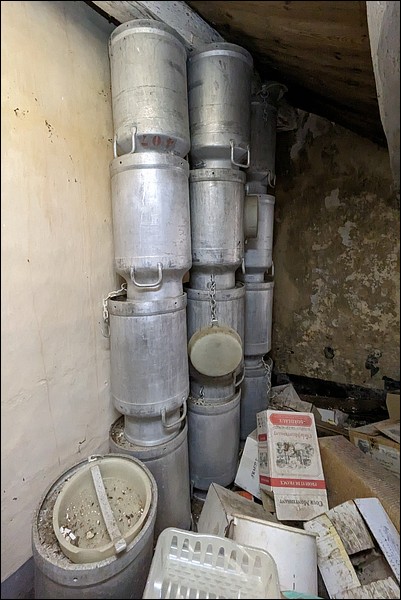
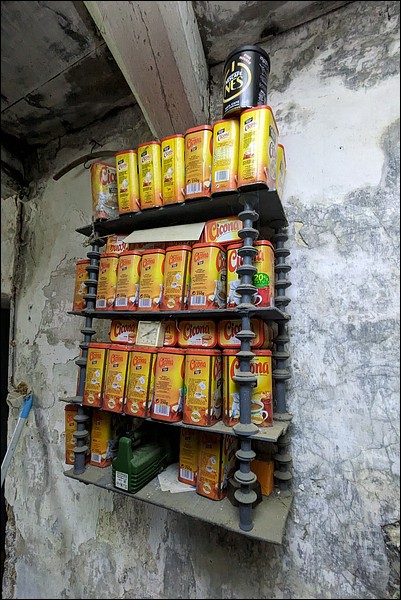
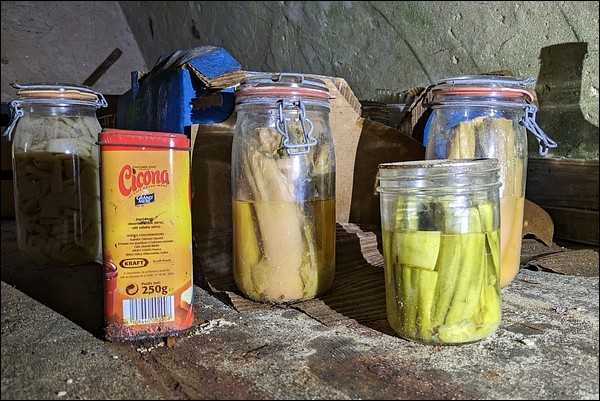
Odile ran a sheep farm. In the house, one can still find the large aluminum containers used for storing milk. It is unclear if she made cheese - the local specialty; in any case, we found no room that could have served as a production lab. To her farming, she combined all the common sense the countryside could offer: a simple life spent making preserves, for instance. She certainly wasn't rich, nor was she poor. It was a life in communion with nature, which gave it meaning.
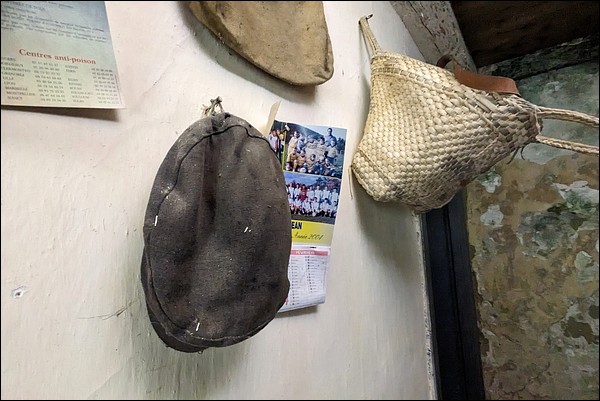
Odile was born in January 1942 in the village and passed away in September 2001 in a specialized clinic in Toulouse. She left us so young - it feels unjust. The house was partially looked after for a few years before sinking into a long oblivion.
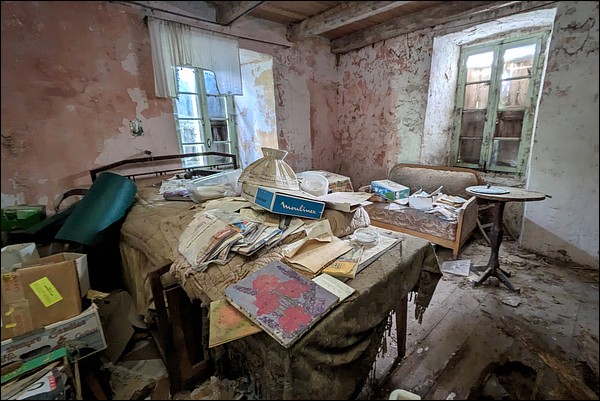
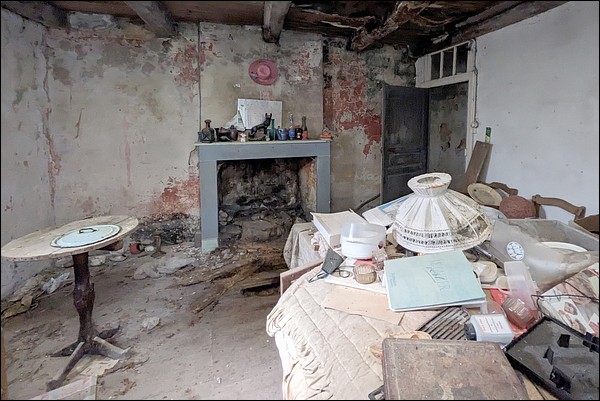
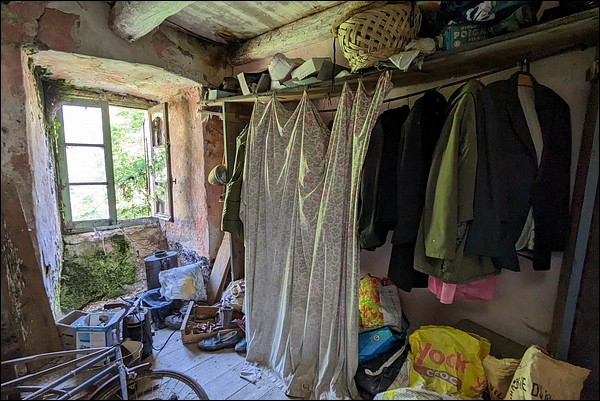
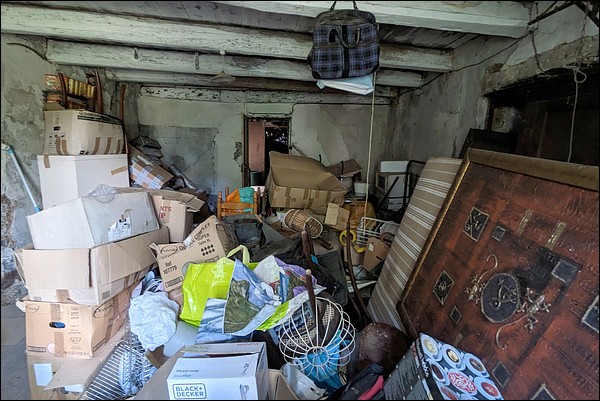
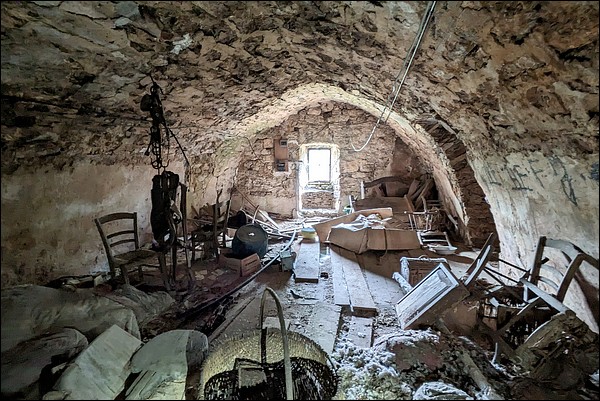
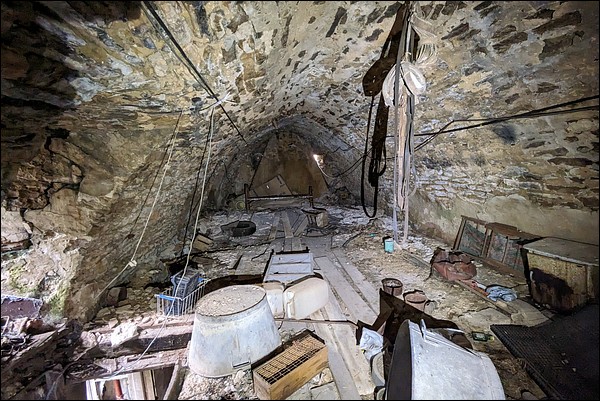
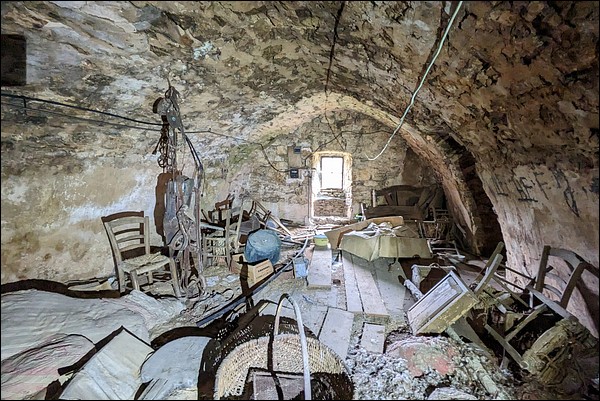
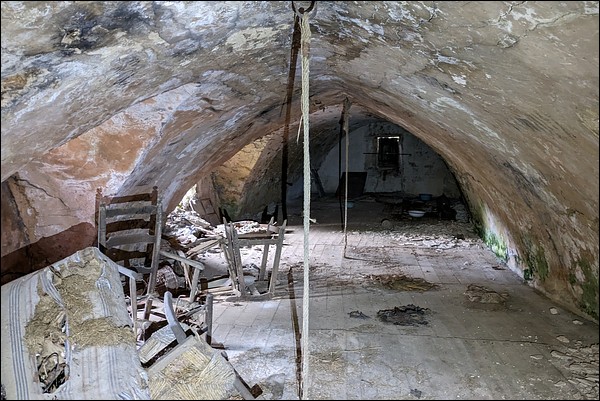
During my visit, I was confronted by two wild beehives in great shape: one in a bread bin, another in the floor of a wardrobe. Seeing as I was starting to annoy them, I visited quickly and left. The house is very typical of a rare local architecture. Due to the lack of wood in the area, the roofs are made of lauzes (stone slabs). Looking at the photos, one might think they are in a cellar, but no - those are the attics!
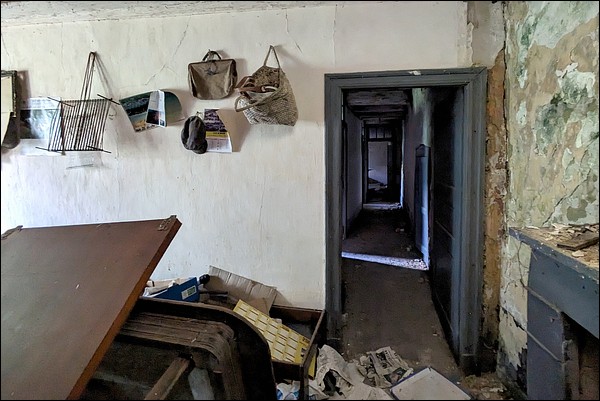
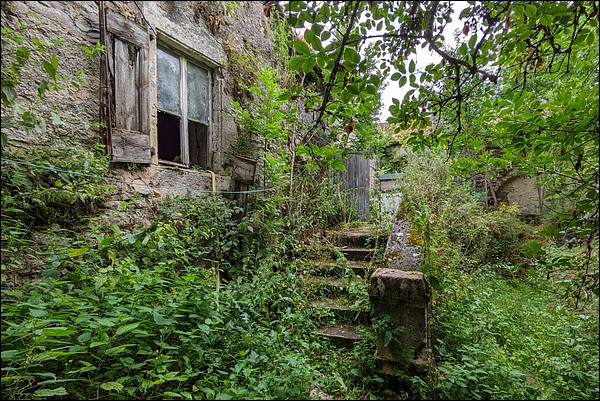
Odile is buried in a family vault in one of the outlying hamlets of the village - a territory that forms one of the largest communes in France with the smallest population. The house has been in a state of profound abandonment for many years. It is folding in on itself between the deep freezes, the great winds, and the piercing sun, waiting for a new life that feels, understandably, hypothetical.