Urbex - The abandoned radio relay network
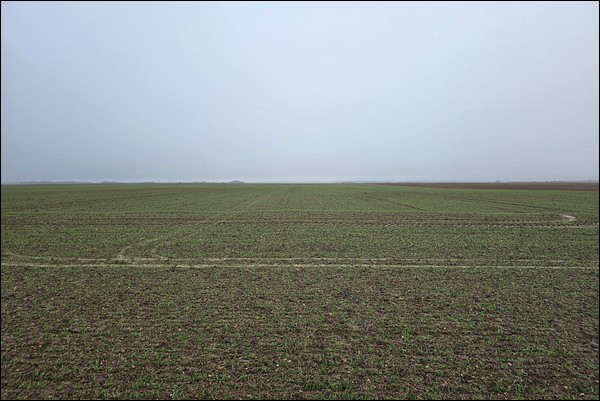
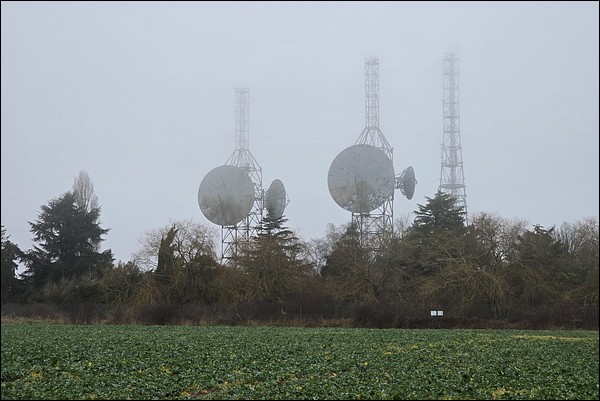
Is it a sign of a region made for such things, or merely a coincidence? That morning began with a thin, clinging, and bone-chilling rain. Later, the roads were drowned in a thick, pasty fog. The landscapes, flat and bare, were intensely depressing. This was likely just a matter of the moment, as other photos we've seen of this place aren't nearly as marked by such melancholy.
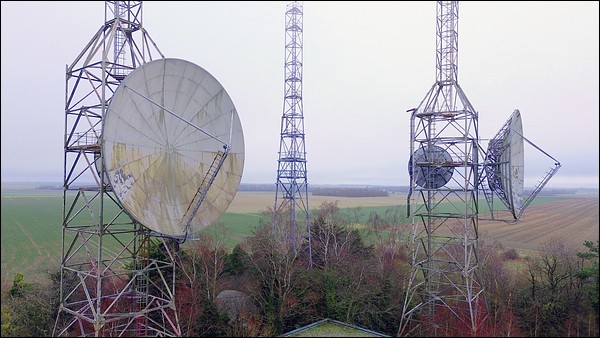
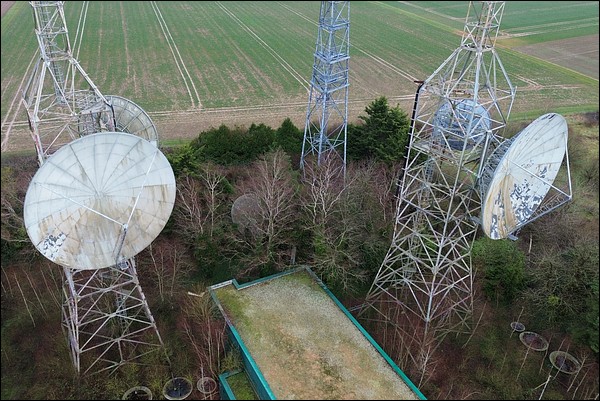
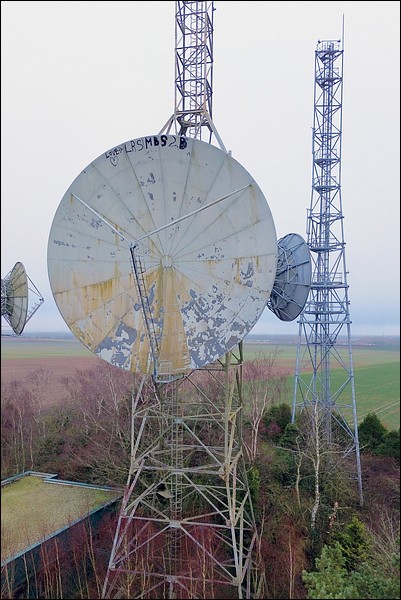
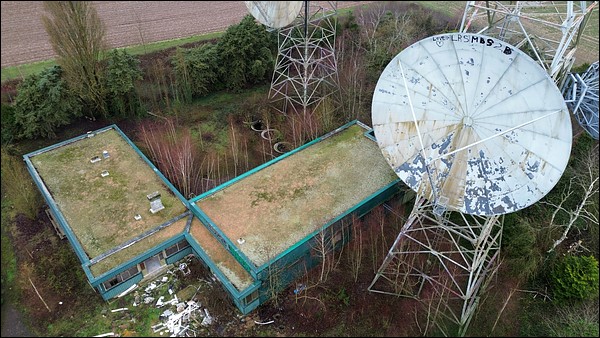
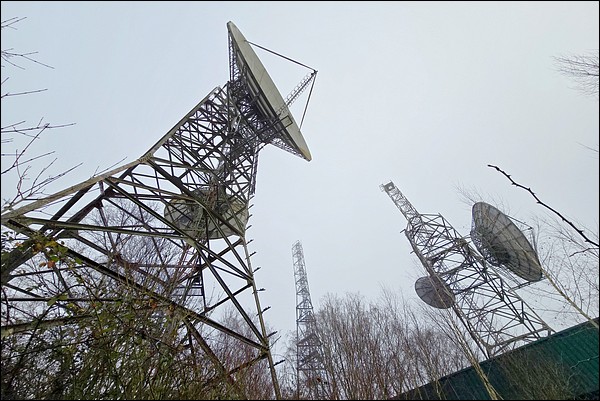
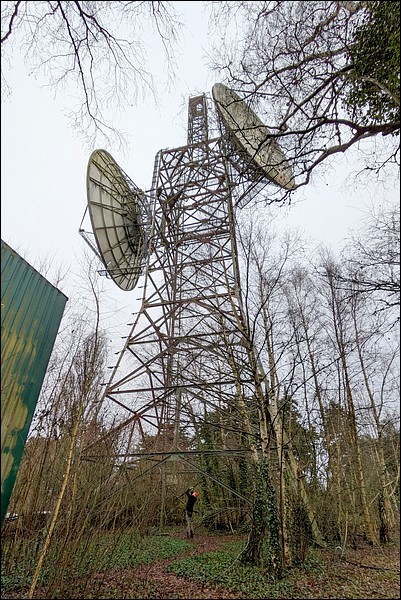
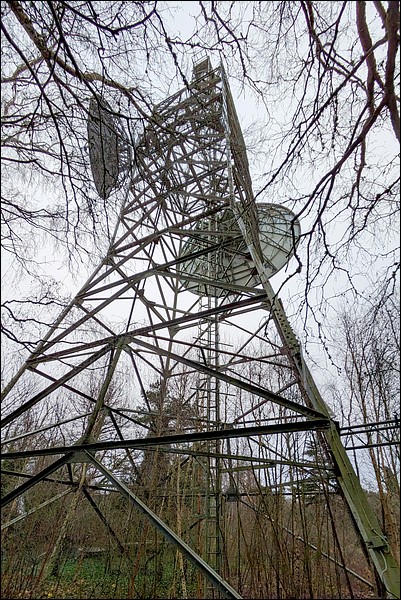
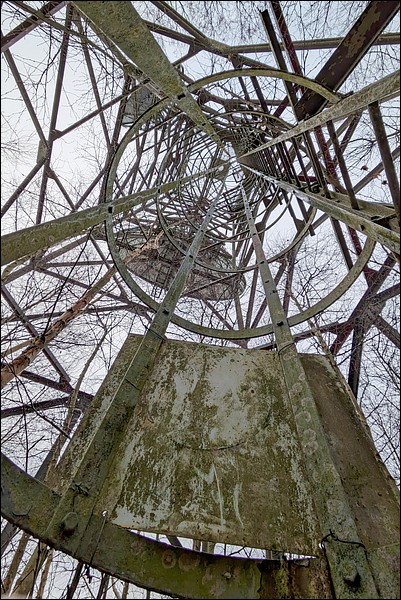
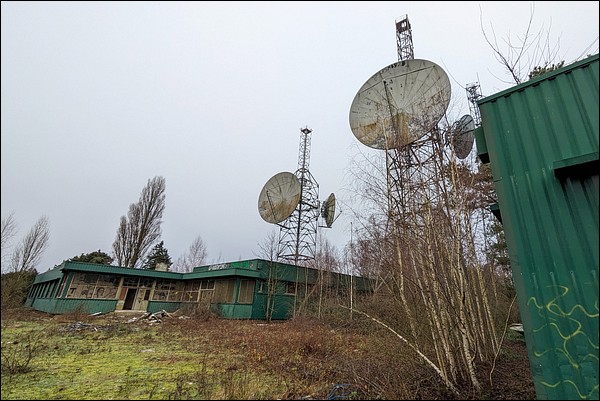
The site consists of a set of three antennas that, in the distant past, were part of a military domain. Following its abandonment, the land was handed back; there is regular talk of tearing them down, which follows a perfectly understandable logic.
This installation, created in the 1960s at the height of the Cold War, was intended to detect unidentified flying objects. More specifically, through the use of radars, the goal was to capture the passage of high-speed aircraft that did not identify themselves to civil aviation.
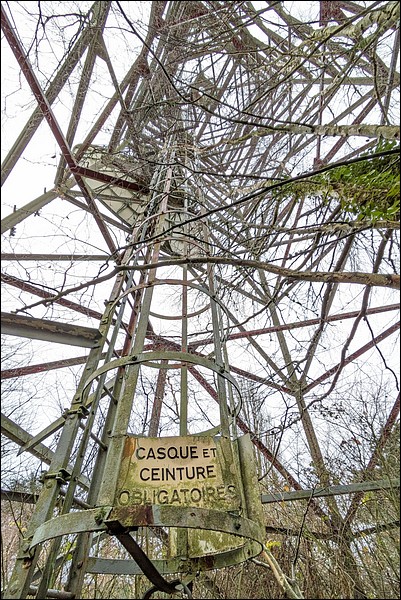
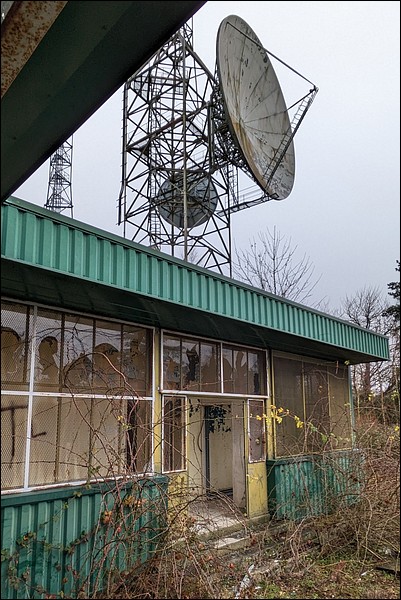
To be precise, these are not radars, but a microwave network (réseau hertzien) for Air Force radio communications. These relay bases were all built according to the same standardized model. They allowed the military to communicate outside the PTT (Post, Telegraph, and Telephone) networks, which were deemed unreliable.
There is an absolutely crackpot theory that a UFO once passed by, resulting in a fighter jet accident. Following this, the station staff supposedly suffered from severe psychiatric problems, leading to the station's closure. The article in question failed to mention that the Eiffel Tower kicked the radars repeatedly - which is a great shame and a failure of our duty to remember. In short, and more factually, the station closed its doors in 2006 for the simple reason that the equipment had become technically obsolete.
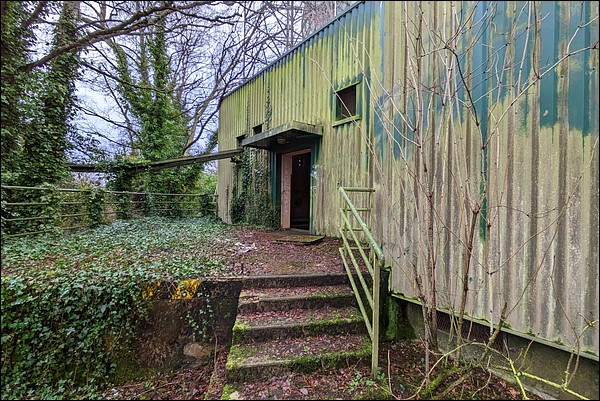
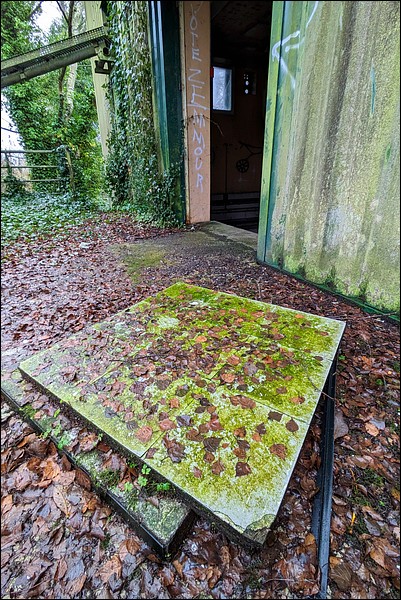
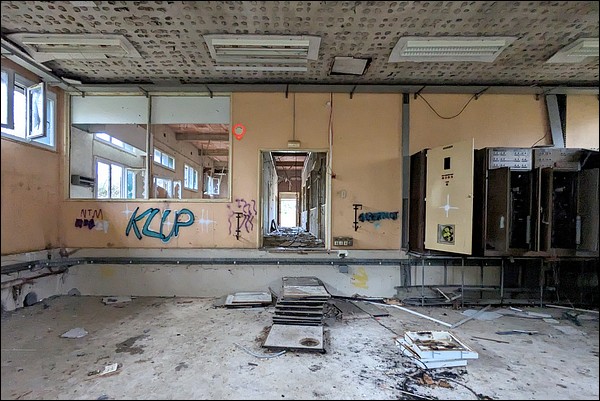
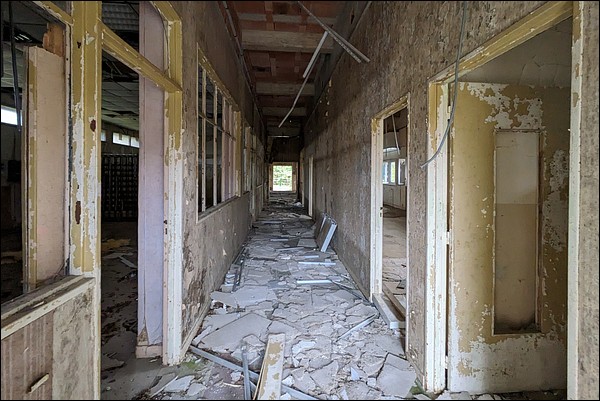
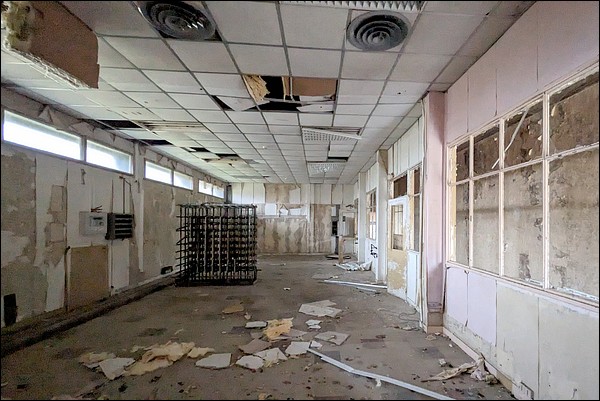
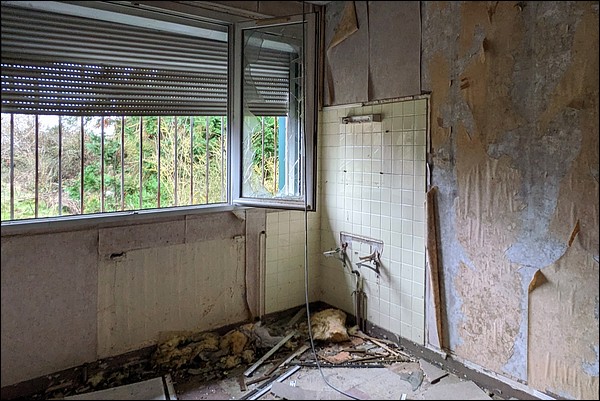
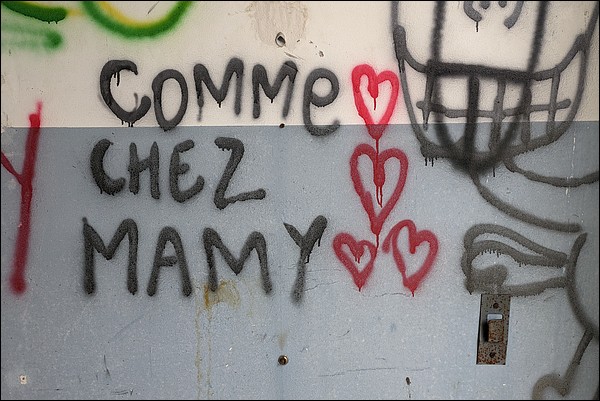
The location for this microwave station was chosen for the perfect flatness of the landscape - wide open and unobstructed - and also because with Paris on one side and Orléans on the other, everything carries a long way easily, even if, in truth, radars don't need that to prove their effectiveness. Following the closure, decommissioning took place. The vandalism that can be observed stems from recent activities, as is the case with everything and everywhere.
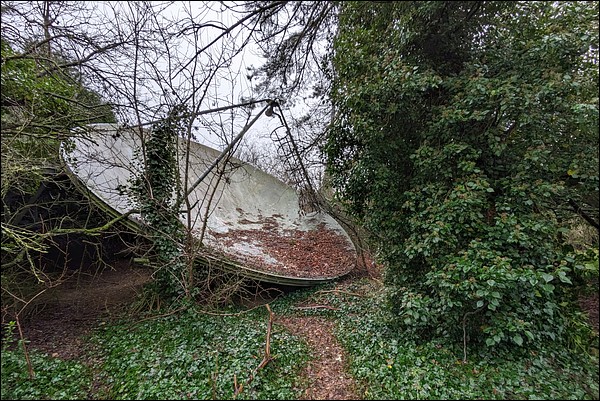
Now, the site, stripped of all copper and left with its pollution, is being reclaimed by a lush and most pleasant vegetation. A fleeing fox occupies the site, not to mention the likely presence of wild boars; it is a gated haven of nature and peace. These photos are probably the ugliest in the world - so be it, as they are simply part of that specific moment.