
Urban exploration - The Cévenol College of Chambon-sur-Lignon
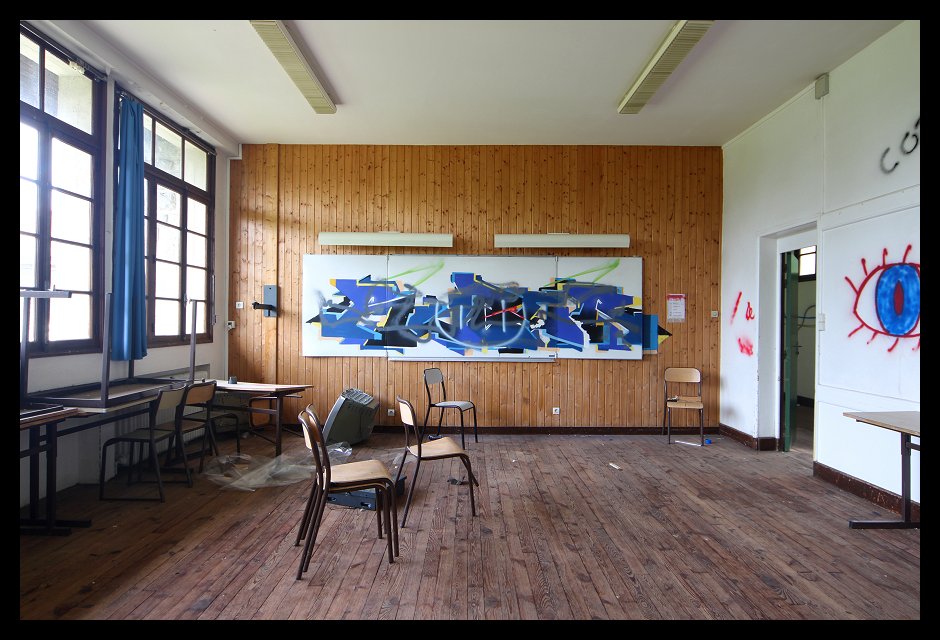
When I first published about the Collège Cévenol in Chambon-sur-Lignon, I remained discreet because the place was vulnerable. Indeed, during the Covid pandemic, the owners had been forced to leave. Of Chinese nationality, they experienced very difficult events during 2020 and faced immense challenges returning to France under stable circumstances.
When these owners returned in 2023, they found the premises extensively vandalized, looted, and defiled. This caused them utter despair, a sense of injustice, and outrage.
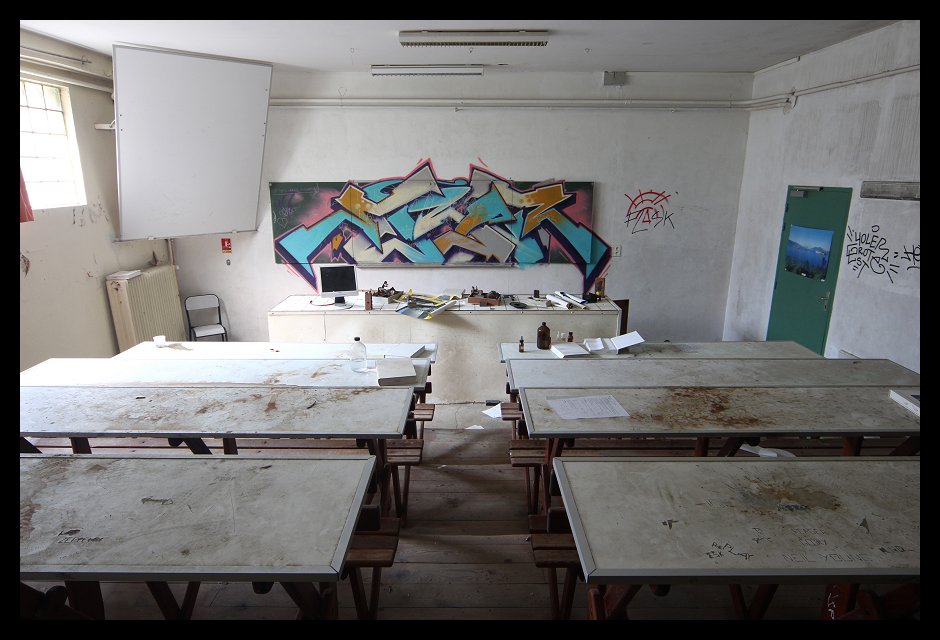
To this day, the site is occupied, equipped with cameras, and under heavy surveillance. If you wish to explore it, at worst you will encounter unidentified individuals who will chase you furiously, armed with steel bars; at best, the police who will take you into custody. Given the considerable damage, nothing is safe anymore. I didn't experience it myself, but I've heard people express surprise at having gone through it. How could anyone be surprised, seriously?
Moreover, I've observed that everything is now closed off. While in the distant past it was wide open due to constant looting - to the point that it was, at times, quite alarming - today it's fenced off, barricaded.
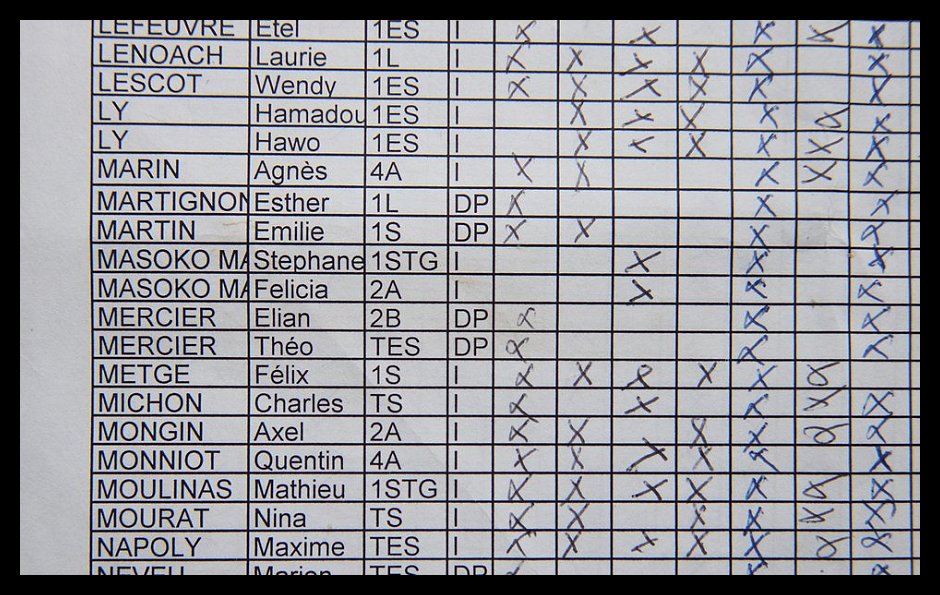
The Cévenol school was a place immensely cherished by its students. In the initial documentary, we compiled a list of students, based on what we were able to gather, as well as an inventory of accessible rooms, purely out of a desire to highlight the memory of a place undergoing transformation, and out of genuine pleasure in providing a positive memory for the school's alumni. They are unanimous: it was a place of immense value.
For reasons of discretion, I had concealed the extreme violence that devastated both people – near and far – and the place, which was irreparably damaged.
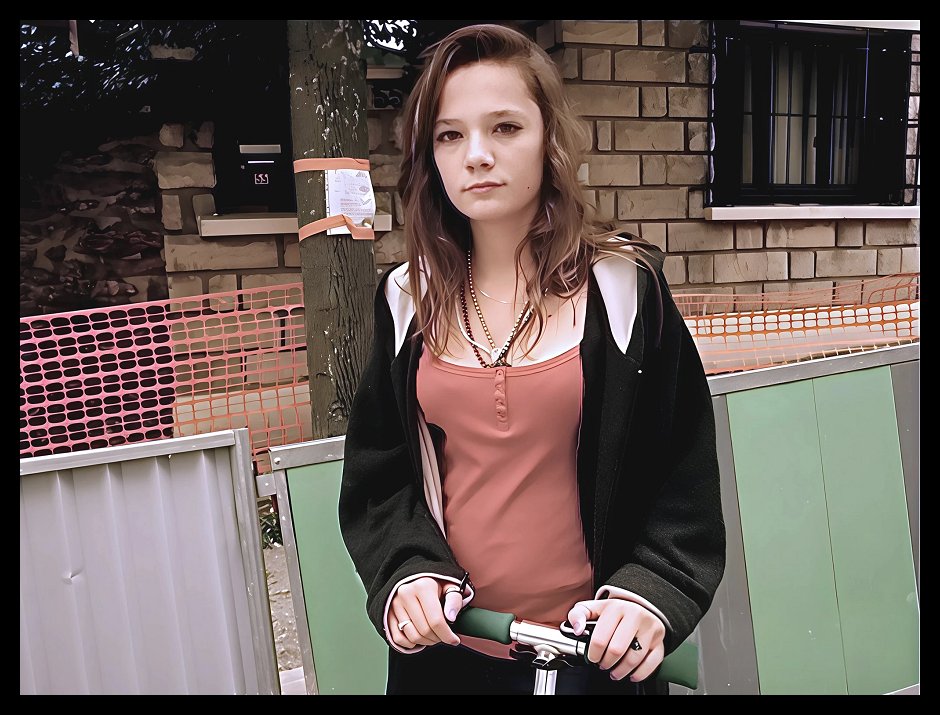
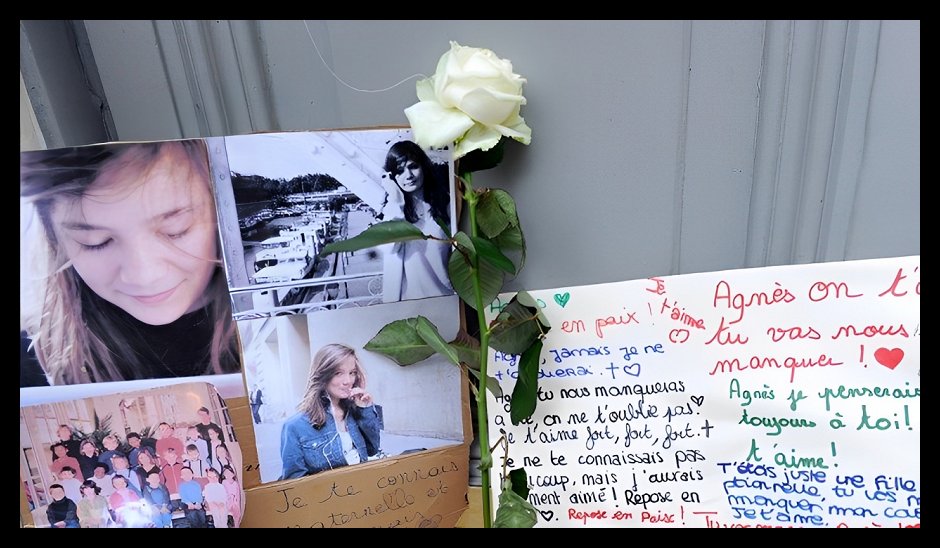
Agnès Marin, a 13-year-old girl, was murdered on November 16, 2011, in Chambon-sur-Lignon. She was a boarding student at the Collège Cévenol. Her killer was Matthieu Moulinas, another student at the same school, who was 17 at the time. He raped and stabbed her to death in a wooded area near the school before burning her body.
The exact location is a ravine near the stadium, where nothing remains but a few brambles. Absolutely nothing is visible anymore, and in some ways, that's for the best. Agnès is buried in Paris next to her family at Père Lachaise Cemetery. Placing flowers on her grave is a very delicate, even insensitive, practice. The story is a source of profound grief.
To recount the chronology of events, it all began on November 16, 2011. A 17-year-old student from the Cévenol middle school attacked and murdered Agnès Marin, a student at the same school, after enduring twenty-five minutes of torture at knifepoint and then burning her body. The case caused widespread shock, as the young man was still a student despite having committed a premeditated rape a year earlier, using the same method.
Just a few dozen meters from the stadium, the murderer lured his victim into a ravine in the forest, directly accessible from the school grounds, and tied her to a tree under the pretext of searching for hallucinogenic mushrooms. He then inflicted several blows before raping and beating her again. Agnès tried to defend herself, but to no avail. Matthieu found a can of lighter fluid in the girl's bag, which he poured over her body and set on fire, fueling the flames with wood he found nearby, before leaving and returning to the boarding school, which at the time housed about sixty residents. Agnès had told her friends about this outing.
After noticing Agnès's absence from school and dinner, her friends began exploring the school grounds and the nearby forest, despite the caretaker's prohibition. Later that evening, the murderer claimed to be involved in the school's investigations, even though his face was covered in the victim's scratches.
Estelle, one of Agnès's closest friends, would confuse the police and complicate their search and reconstruction of her schedule for that Wednesday afternoon, even prolonging it, due to her lies. She was covering up unjustified absences. Wednesday is the day students have free time, and most members of the school community usually go to the village.
Although 150 police officers and a helicopter were mobilized, the victim's charred body was only found the next day in the forest, moved three kilometers from the school, according to Matthieu, who eventually confessed. In addition to the sexual assault, the autopsy revealed seventeen stab wounds to Agnès's chest and head.
The exact motive for the murder is not clearly established, but it emerged that Matthieu Moulinas had a long criminal record. A year earlier, he had committed a premeditated rape on another young girl, using a similar method. He had been imprisoned, then released under judicial supervision and placed in the Collège Cévenol.
His father had gone to great lengths to get him accepted into a school, a very difficult task. He had found a reassuring, warm, and constructive environment at the Collège Cévenol. The fact that a young man with such a history could be enrolled in a co-educational school like the Collège Cévenol sparked a heated controversy and highlighted shortcomings in the judicial monitoring of juvenile delinquents. The person who was supposed to be monitoring him only came once. Their justification: it's too far away.
In June 2013, Matthieu Moulinas was sentenced to life imprisonment for the rape and murder of Agnès Marin, as well as for the rape committed previously. Agnès's parents were utterly devastated. Matthieu's parents were utterly heartbroken. Agnès's parents remained very discreet, having been completely broken. Matthieu's parents published a book: Parents for Life; the title says it all.
It's difficult to find a single, specific quote from Agnès Marin's grandfather that would summarize all his statements. However, several themes emerged from his remarks across various news reports and press articles.
First and foremost, anger and a sense of injustice regarding Matthieu Moulinas's criminal record. The fact that he had already committed rape and was placed in a mixed-gender facility despite this history sparked outrage and led to questioning of the judicial system and the monitoring of juvenile offenders.
He also denounced the dysfunctions and shortcomings that allowed a repeat offender to be in contact with other young people. His hope was that the trial would serve as a lesson and that measures would be taken to prevent such tragedies from recurring. He hoped that Agnès's death would lead to greater awareness and changes in the way young offenders are treated.
Agnès's disappearance was not the cause of the school's closure. The school, also known as the lycée, had been experiencing increasing financial difficulties in the years leading up to its final closure in July 2014. In particular, the school saw its student population gradually decline, resulting in a reduction in tuition fees.
Agnès was a minor delinquent; although that term isn't entirely accurate. She got into the kinds of mischief typical of her age and wasn't diligent in her studies. Her father hoped that the school's good reputation and its lush green grounds would help her get back on track. He felt immense guilt over this decision.
Even before the significant drop in enrollment, the school was already facing financial problems. In 1971, it had to enter into a partnership agreement with the state due to its precarious financial situation, losing its sixth and seventh grade classes in the process. By February 2010, it had already come close to bankruptcy.
Despite small class sizes, the exam pass rate was low, which could negatively impact the school's attractiveness to new students. This was due to the school's increasingly challenging student population, both in the hope of helping them get back on track and due to a continuous decline in enrollment.
Although financial difficulties existed previously, Agnès's murder had a considerable negative impact on the school's image and reputation. The media coverage of the case and criticism of the administration's handling of the murderer's criminal record contributed to the drop in enrollment.
At the time of its placement under court-ordered administration in May 2013, the school had a deficit of €350,000. While the Agnès case was not the primary cause of the school's financial difficulties, it undoubtedly exacerbated the situation and contributed to the decision to close it permanently.
Matthieu Moulinas's parents, Sophie and Dominique Moulinas, made very few public statements immediately after Agnès Marin's murder and during their son's trial. They maintained a media silence for several years. In 2016, they published a book entitled, as mentioned above, "Parents for Life." In this work, they expressed their immense grief.
They also expressed their unconditional support for Matthieu as their child, despite the horror of his crimes. They emphasized that before becoming a criminal, he was their sick child. This in no way diminished their pain and compassion for Agnès and her family. They say they constantly think of their son's victims and their loved ones. They feel they, too, are condemned to a life sentence as the parents of such a criminal.
Upon the release of their book, they gave a few interviews in which they reiterated these sentiments. Their actions have elicited mixed reactions, with some praising their courage in speaking out and trying to understand, while others criticized what they perceived as an attempt to downplay the seriousness of their son's actions or to portray themselves as victims.
The Collège Cévenol in Chambon-sur-Lignon permanently closed its doors in July 2014, after 76 years of operation. Since its closure, the future of the site has seen several twists and turns.
The most well-known of these is the Franco-Chinese cultural center project. In April 2015, a project to rehabilitate the school into a Franco-Chinese cultural center, named the Franco-Chinese International Park, was approved by the Puy-en-Velay High Court. This project, led by Chinese investors and supported by the town hall, included significant renovations and the hosting of Chinese artists and families. However, the Covid-19 pandemic in 2020 prevented the Chinese owners from returning to the site, leading to squatting and further deterioration.
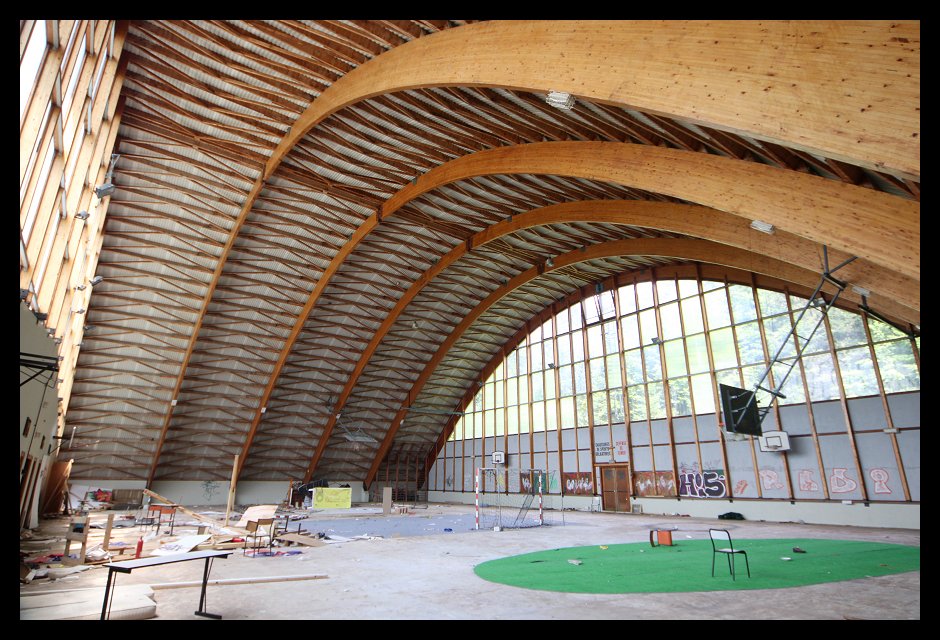
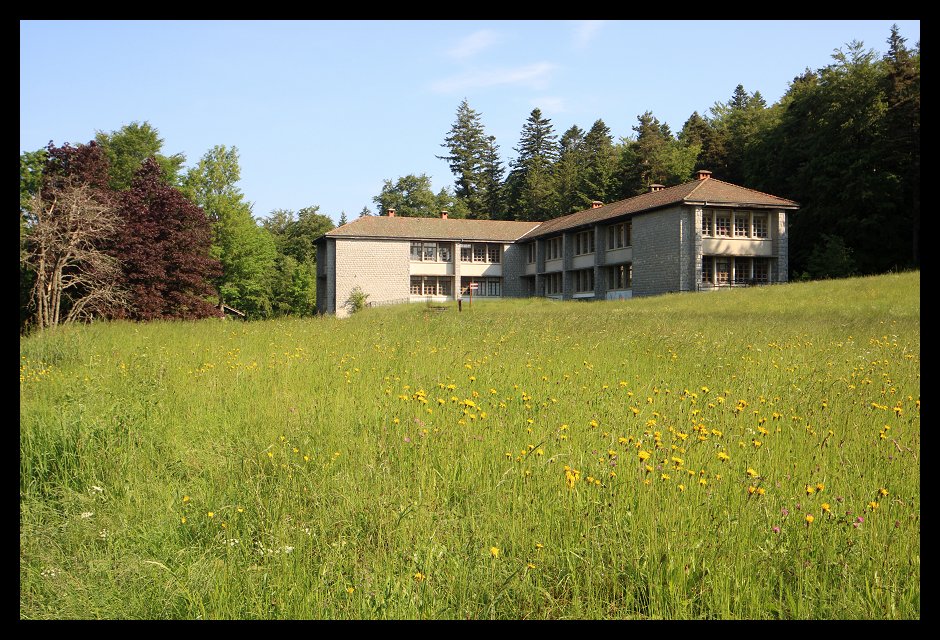
Current state (March 2025): The site of the former Cévenol school is in a state of advanced disrepair due to neglect and vandalism. Part of it was occupied by Ukrainian refugees. Accounts differ: they were evicted, but some can still be seen in certain accommodations. There appears to be a significant decrease in the number of people using the site, but conversely, a significant increase in maintenance.
Opinions differ regarding the return of the Chinese managers. It is clear that they are disappointed and inevitably hesitant to reinvest in a site that has been completely ransacked. They nevertheless express a desire to renovate, perhaps with a slightly revised plan.
The Association of Alumni of the Collège Cévenol remains active and aims to preserve the memory of the institution. It maintains a memorial and reception center for alumni and friends of the college. The AACC had also considered a restructuring of the Collège Cévenol based on its core values, but the current state of the site makes this prospect uncertain, especially since a small portion belongs to the town hall, while a large portion is owned by returning Chinese residents.
In closing, Jean-Michel Eyraud, the mayor of Le Chambon-sur-Lignon, testifies (report by Lionel Ciochetto): “It's appalling to see this. The owners are outraged. They came to invest in Le Chambon-sur-Lignon, a town renowned for its welcoming atmosphere. They are very disappointed. Urban explorers sometimes come from very far away because a website has claimed the place is abandoned, which is false.
Those who encourage this phenomenon should be punished much more severely. The authorities have replaced several doors that had been broken into, but they are quickly vandalized again. When an urban explorer has traveled halfway across the country to come here, if they find a locked door, they will open it.
Horses of vandals have damaged the property and stolen absolutely everything. It's complicated to manage this situation in the absence of owners, and even more so when some of the local population accuses these same owners.” It's a complex situation that doesn't reflect well on a foreign country. We're extremely worried about it. The owners still have the same plan to develop artist residencies here and host design students. There's always someone at the director's house and people who keep an eye on things from time to time, but the site is nearly 17 hectares: it's impossible to prevent all intrusions.
Fan Zhe, for his part, stated (in a report by Christophe Coffy): "The projects at the Cévennes International Park were severely impacted during the Covid period, and at the same time, the premises were burglarized and vandalized. I've already called the police several times, but without much success. In this context, we can't pursue our objectives normally.
We've never abandoned our project. For example, we started cleaning up part of the site two years ago, including the sports field, the teaching building, and the exhibition hall." Furthermore, we haven't stopped mowing the lawn. And all of this is expensive.
What we're hearing about are acts of violence against urban explorers. "Three Chinese men started chasing us with iron bars, throwing broken glass bottles. They followed us to the end, and I think the only thing that stopped them from hurting us was that we were five against three." The only conclusion is that all of this takes us very far from the original spirit of the Cévenol; it's a place that bears so many wounds and needs so much kindness.