The underground world of the embittered beaver
If I'd wanted to create a buzz, I would have written: 'we ran into the owners and it ended badly.' The subtlety lies in the curious implication of the owners, and in the words I could have added: 'me too.' Instead of discovering a Nazi hideout or a near-death experience while urban exploring, the simple truth is that the real story wasn't where we expected it to be (with a touch of naive sincerity).
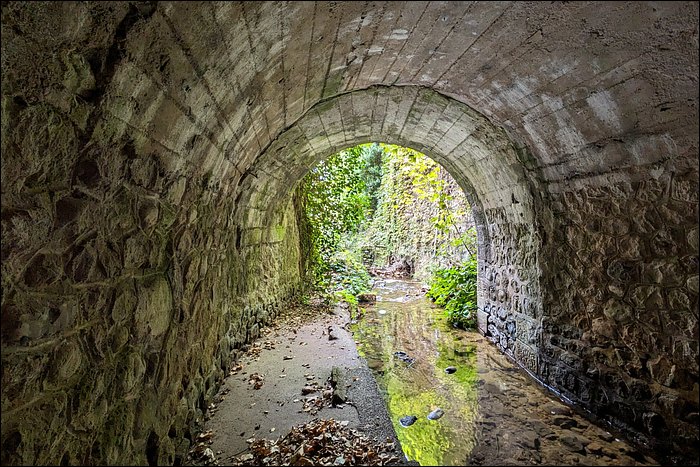
As you know, our team is particularly drawn to underground rivers - a niche often overlooked by other urban explorers. These subterranean environments are surprisingly beautiful, steeped in history, and frequently ignored. It's in this spirit that we're taking you today to an exceptionally stunning underground channel, a section completely missing from existing records, which only makes this exploration more valuable.
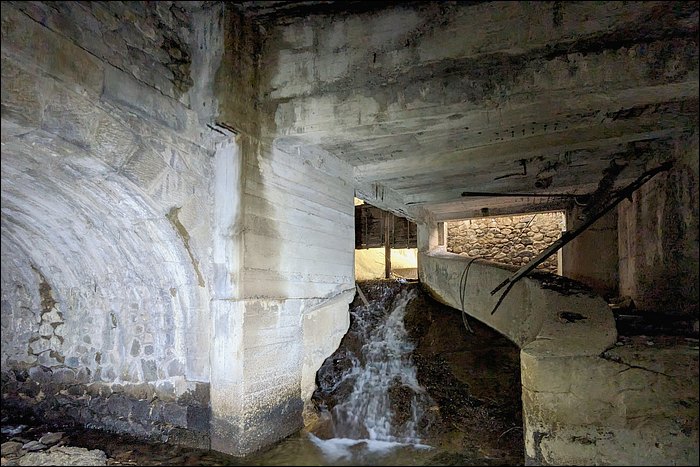
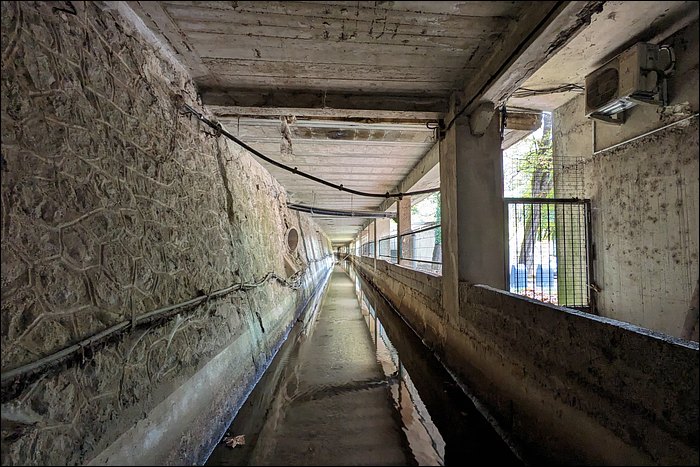
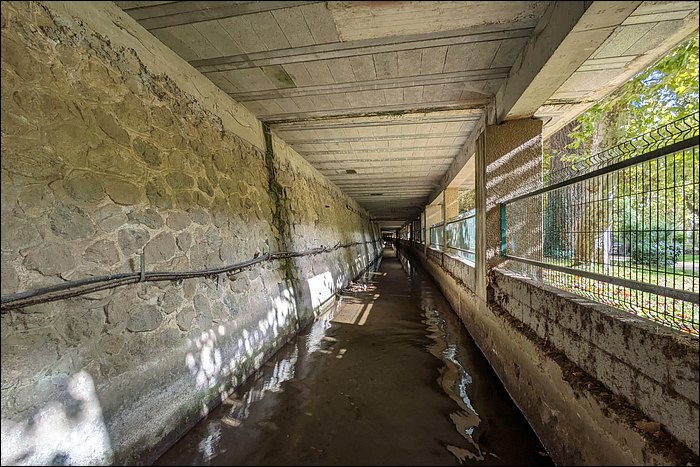
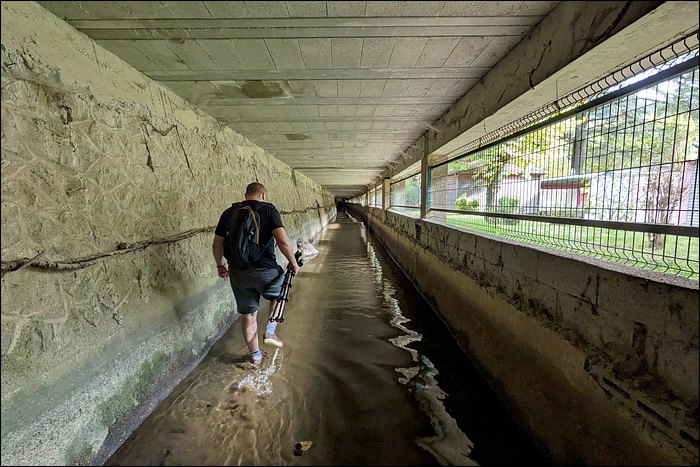
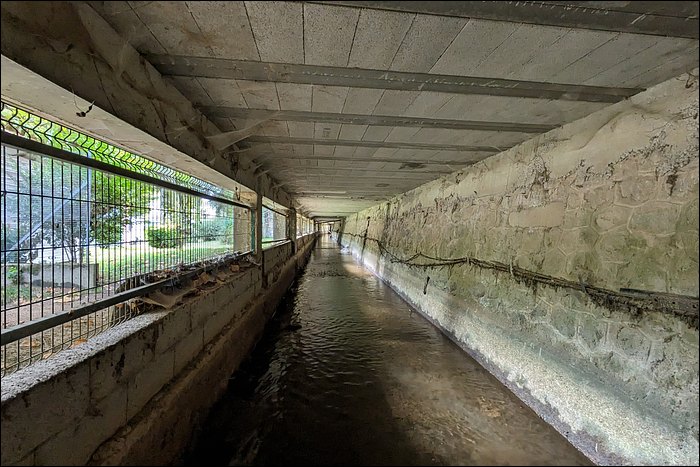
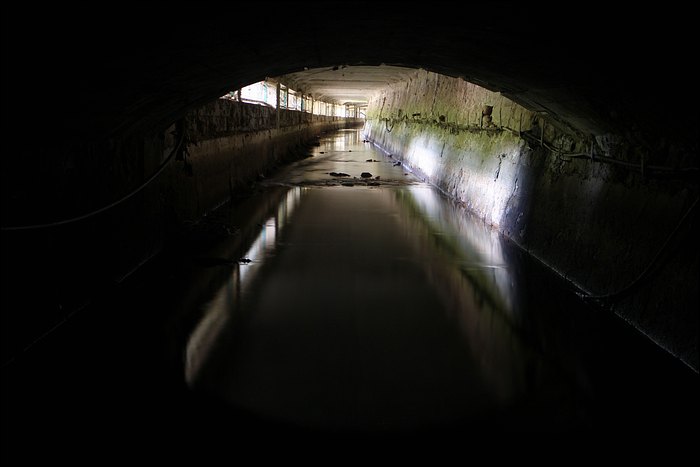
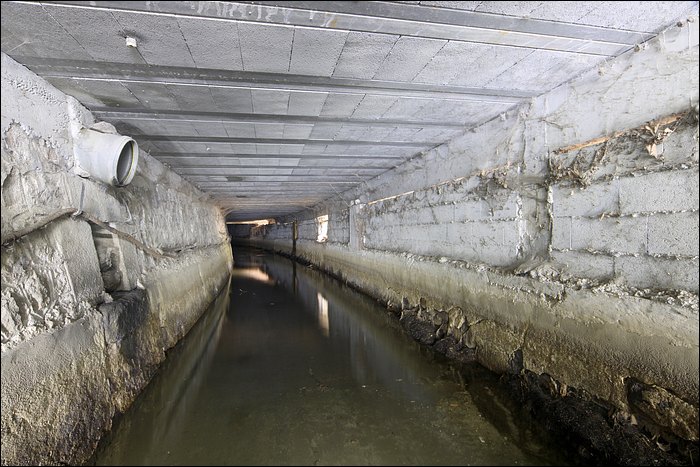
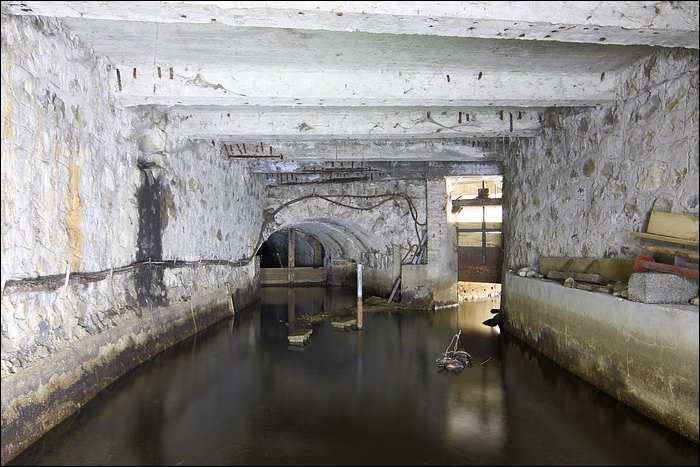
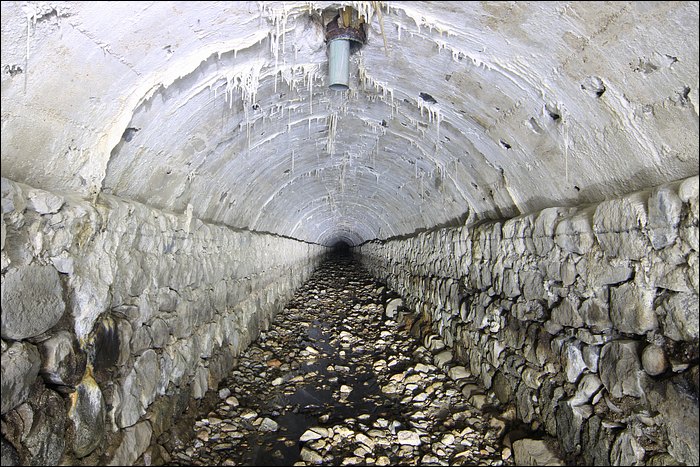
This passage is an ancient canal of medieval origin, likely built between the 11th and 13th centuries to cross part of the city. It's a heterogeneous structure, made of various bridges and vaults; rather than a single medieval build, it was constructed piecemeal over time.
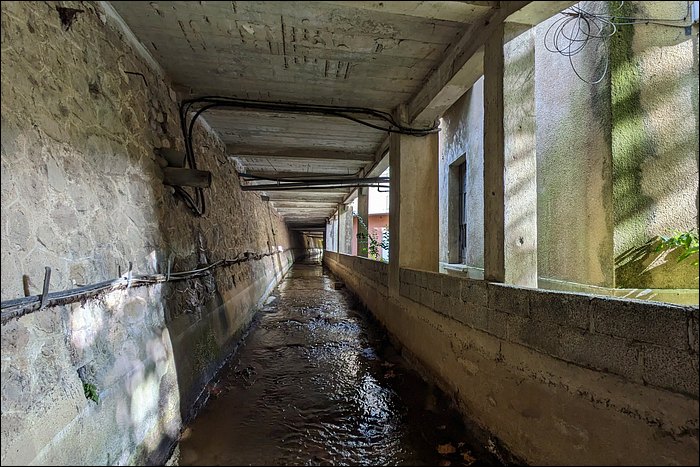
The tunnel originally spanned 1,050 meters, but the landscape has changed fundamentally. Today, we could only explore 440 meters; the rest has been almost entirely destroyed.
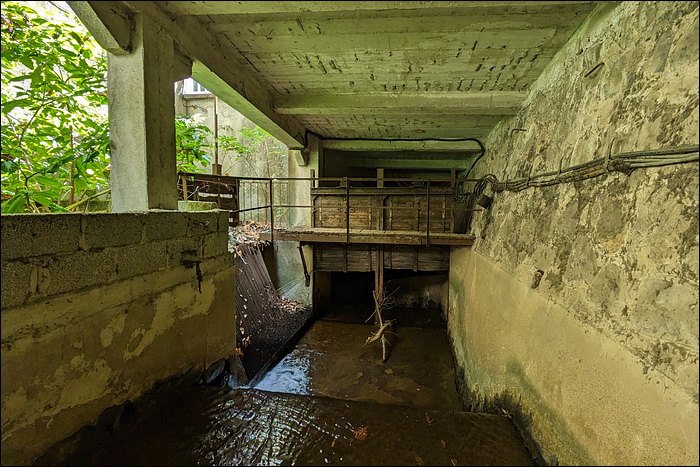
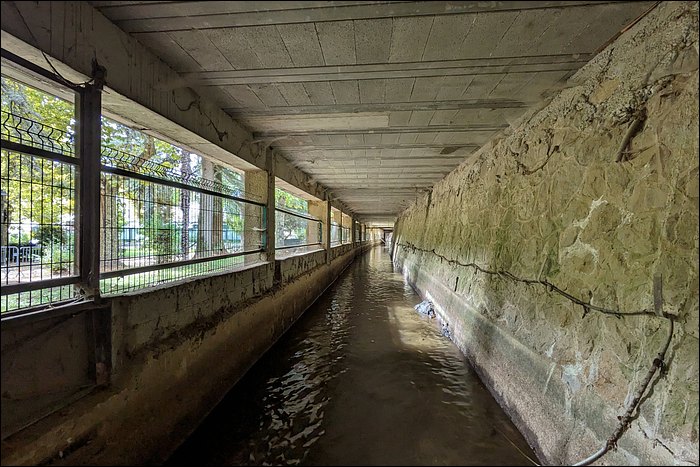
The canal dates back to the golden age of watermills. This partly subterranean waterway was designed to divert river water to power local mills and fuel industrial growth, such as silk reeling and textile production.
It also served as an irrigation channel - a term used for diverting river water to gardens. While it has several names, it is essentially an irrigation canal.
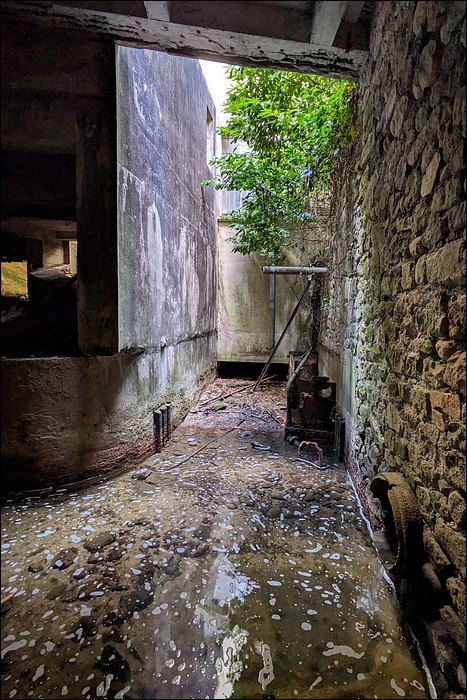
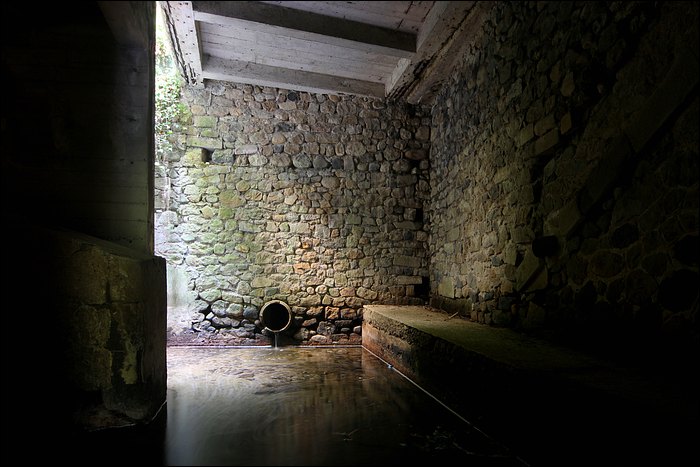
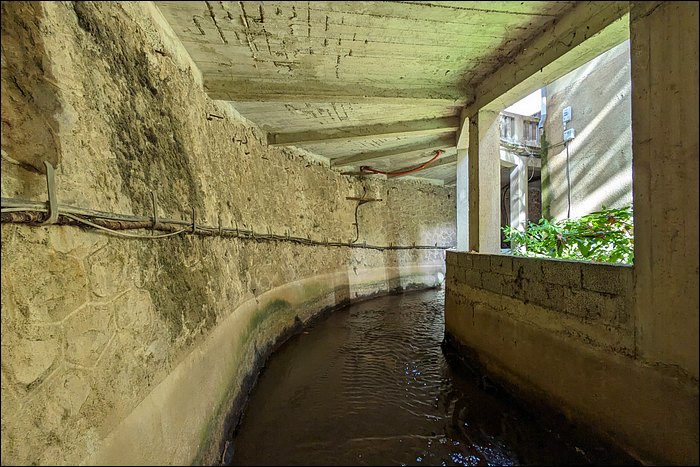
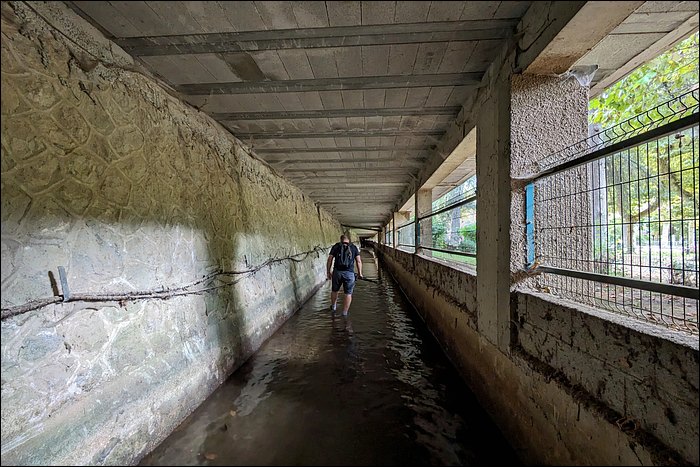
The architecture varies from modern sections bathed in daylight to ancient vaulted passages. Despite these different atmospheres, it is an aesthetic delight throughout. This is a purely local waterway, drawing from and returning to the same river.
Today, with the gardens and workshops gone, the canal no longer serves its original purpose. However, it remains a striking feature, offering a pleasant promenade through certain parts of this charming town.
An exploration that goes haywire
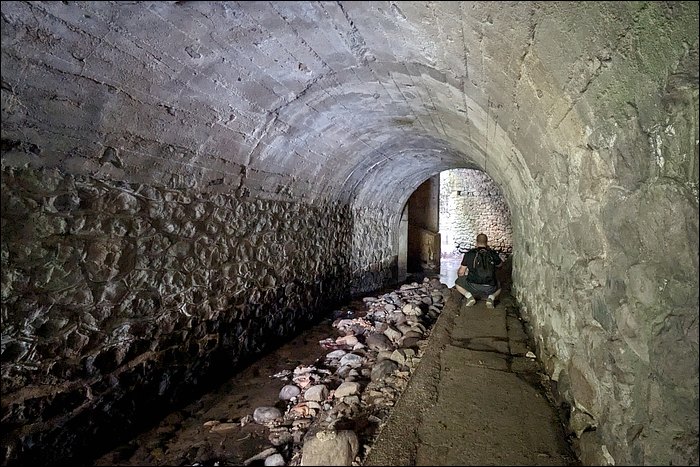
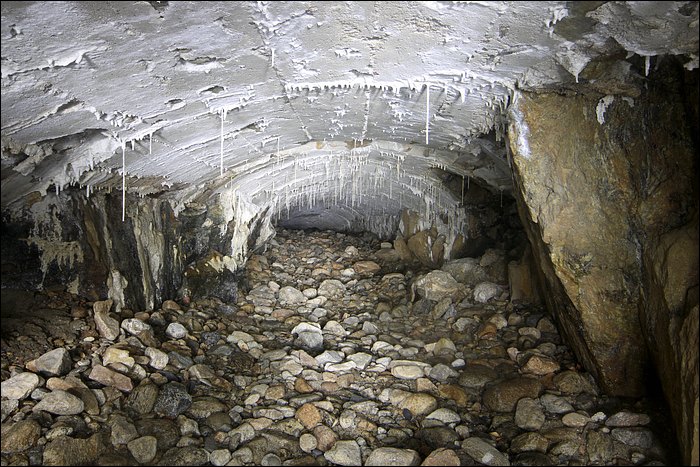
We know the entrance, we know the exit; in between, it's very simple: 1050 meters. However, at 300 meters, the water has a diversion. It's not at all what I expected. In front of me, a dry passage, with a heavily confined, hot, humid, stifling atmosphere, and an unbearable stench of sewage.
I'm the only one who ventures in. My travel companion turns back.
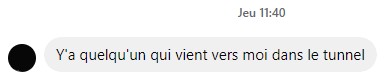
That's when the phone receives this message from my travel companion :
The only problem is that I also run into the owner of the place. The tunnel is increasingly cluttered with pebbles. Unused, it's filled with sand and rocks; the completely filled-in bottom is visible, it's totally full. I'm dodging toilet waste, so disgusting, it's a wonder I don't experience near-instant death by massive radiation from half-decomposed shit.
It's very hostile, one last photo. In the background of my photo, a rock is moving. It's not a shadow cast by my flashlight. And damn it (literally), a beaver is trapped at the bottom of the tunnel; it's very low, very uncomfortable, and basically I'm going to get wrecked because it's cornered and scared. I leave quickly.
At the same time, on the way back, my traveling companion meets a guy in the tunnel. This person is walking slowly, observing. Could it be a hiker like us? It's so incongruous. Well, no. It's the owner, the real one, the second owner. Because while one might naively imagine it's a river, communal property, well, no. It's a millrace, and it belongs to someone, this someone who owns an old silk mill.
That's when you realize you learn something new every day. Out of respect for the landowner, who doesn't particularly want 45 visitors every weekend, I'm not showing the location of the underground passage in this documentary.
So, we went upstream to understand what's happening with the missing 500 meters, which we didn't visit. If our estimates are correct, the channel is silted up, lined with rocks, and flooded. We can see the beginning of the channel submerged in highly polluted water.
For a prestigious tourist destination, this is where we clearly see that water and soil pollution by private individuals remains a major issue to this day, linked to the town hall's negligence in this matter (it's obvious, it's well known). As for the beaver, it didn't find the best home. In any case, all is well again, goodbye little landowner!