The abandoned farm Léna
We received photos from a traveler and compiled them into a historical summary.
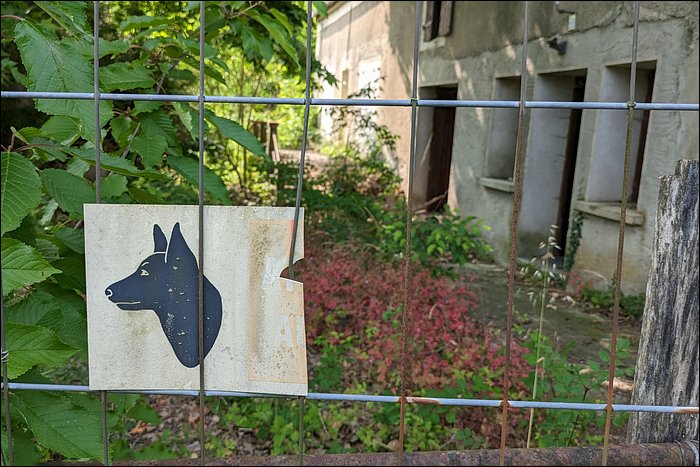
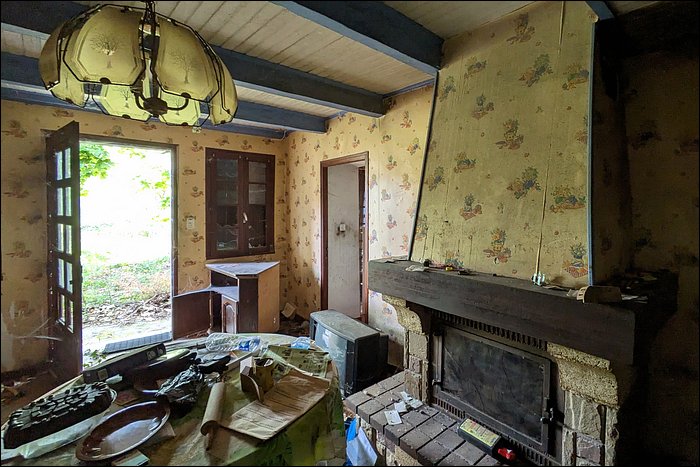
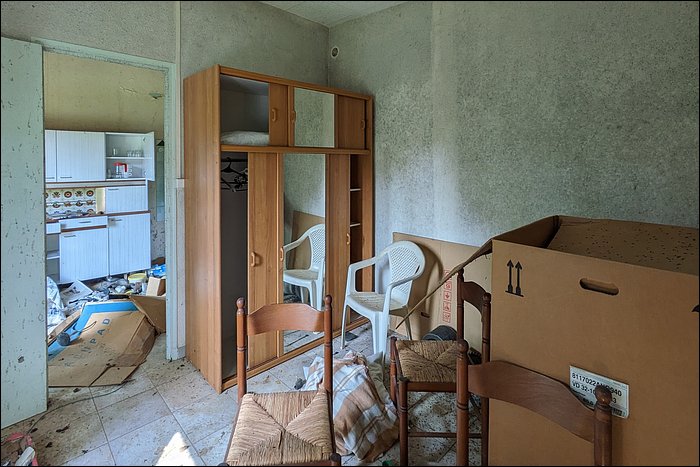
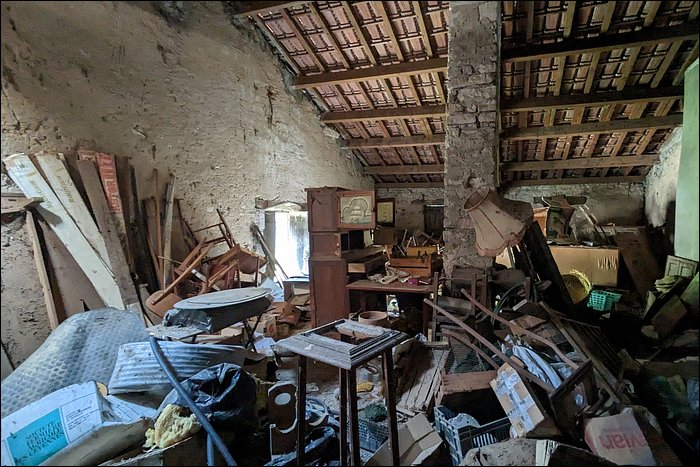
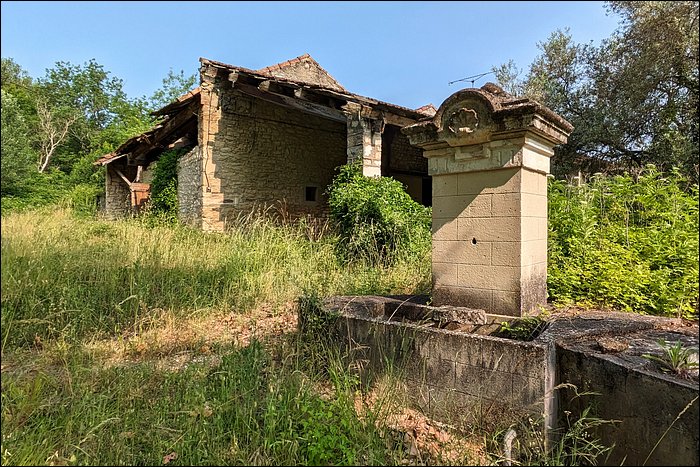
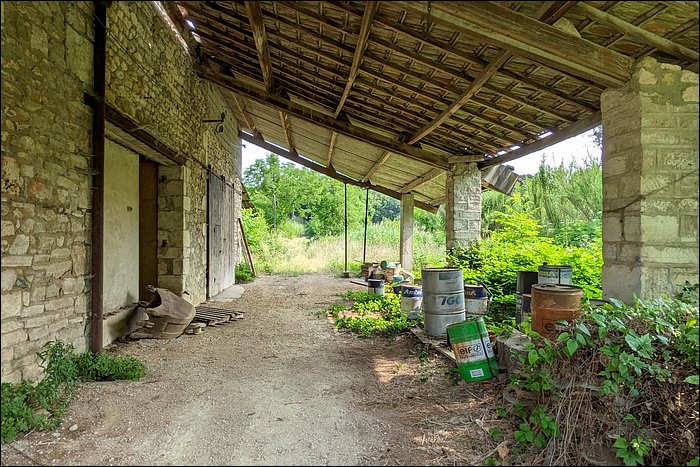
Here we are, discovering an old abandoned farmhouse nestled in lush natural surroundings. Due to its isolation and peaceful location in the heart of the countryside, the place is impossible to find without extensive research. We would like to thank Frédéric for taking the time to show us this hidden gem.
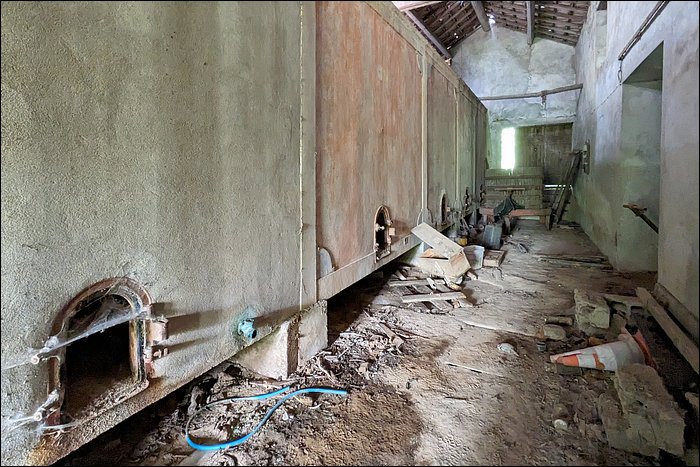
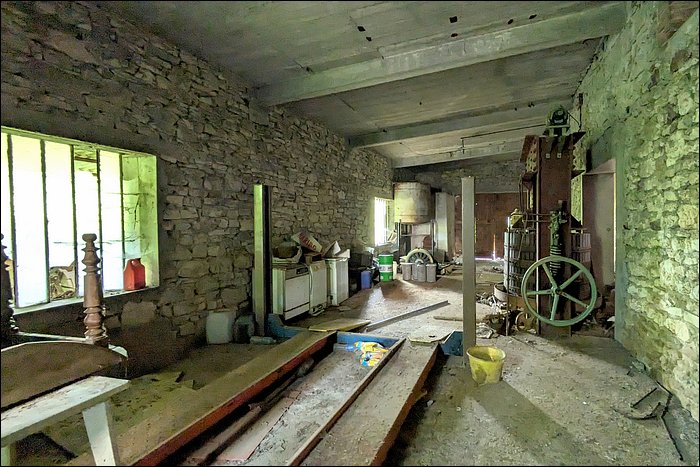
This is an old wine farm. Although winemaking was not the only activity carried out here, it was nevertheless the core business. In addition to maintaining the vineyards - we are in the heart of a small wine-growing region - the farm provided equipment with or without a driver for agricultural and wine-making work. A poster advertising work can still be seen today; the photo shows a wine tractor.
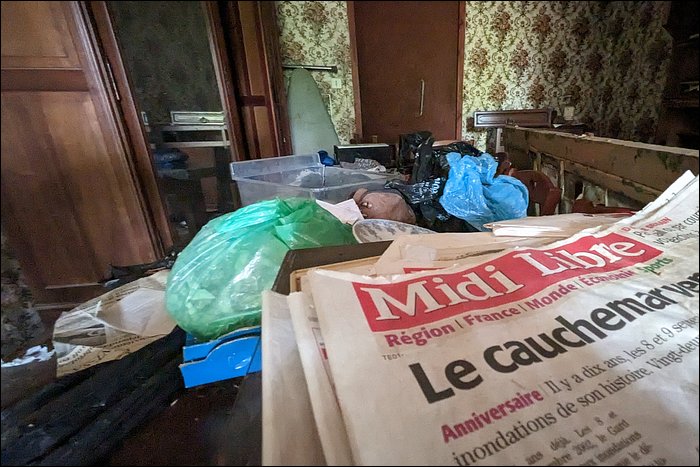
The last activities on site may date back to 2016, although for many reasons it is not necessarily easy to confirm dates. The family structure is complex. The structure of the farm is equally complex, with at least three houses. Were they for different generations, or for seasonal workers? Both hypotheses seem plausible to us.
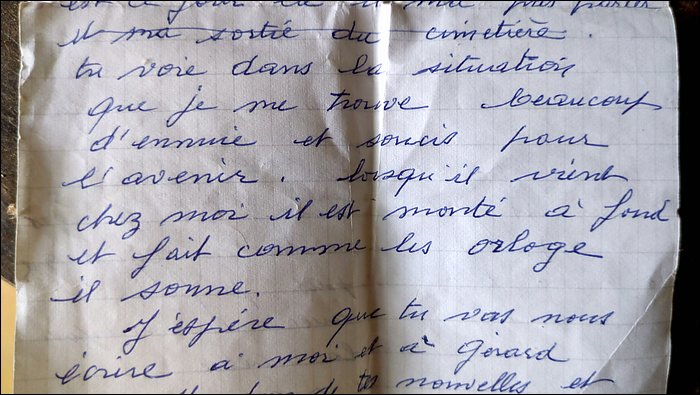
The letters found on site mainly mention Léna, who died at the age of 83 and who, logically, could have been the last inhabitant. She was married to Louis. Their children were probably Gérard and Georges.
The farm was home to Jean, who moved there after the death of his wife Ginette. Nicknamed Jeannot, he knew all the village anecdotes, even reciting the birth and marriage dates of everyone by heart. At the age of 21, he was deported to Austria for two years. He died in 2011 at the age of 89 and was buried in the village. Léna was his sister-in-law, Ginette was Léna's sister. Roger was Jean's brother.
According to our research, Gérard is Jean's nephew and probably Léna's son. Gérard lived on the family farm and worked in the vineyards. Georges is also possibly Léna's son.
If we consider 2011 to be a difficult year, with the death of Jean, a local figure who was immensely appreciated by the population, and the end of agricultural activities, it was like a plunge into silence for this beautiful, aesthetic farm. We know nothing of the loneliness, trials, and pain that each person experienced. It seems both logical and understandable that everything came to an end when Lena left to join Louis.
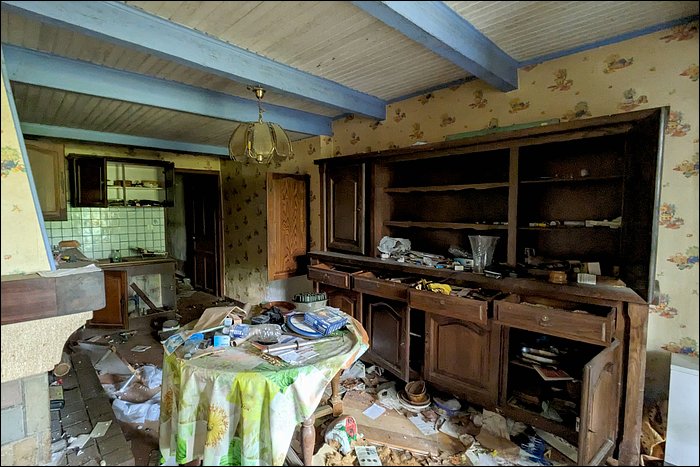
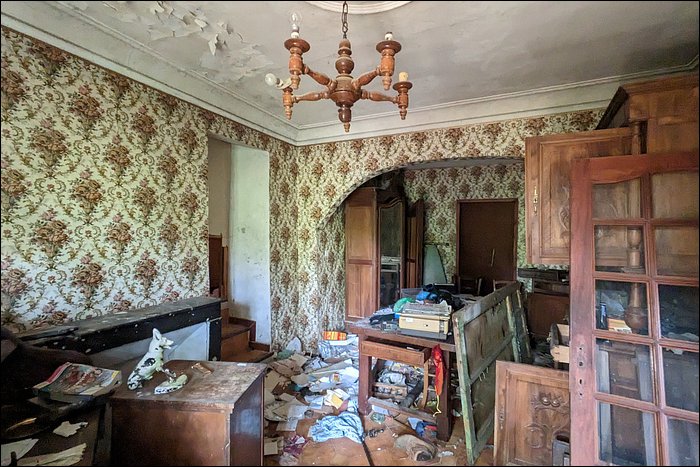
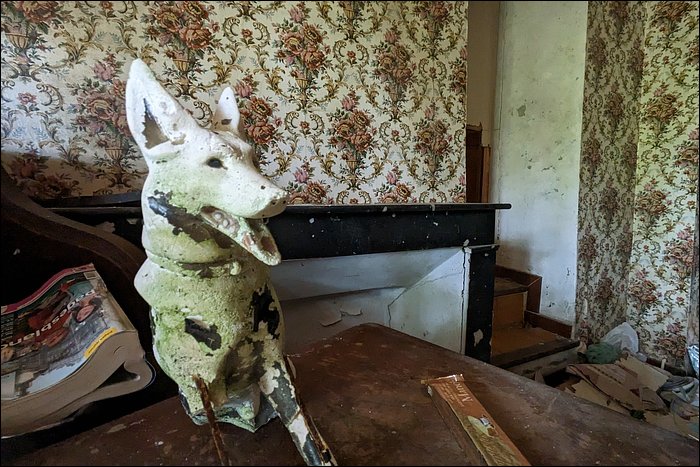
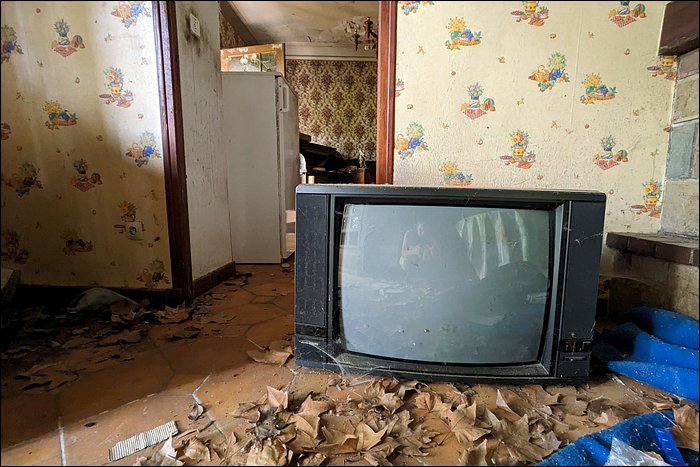
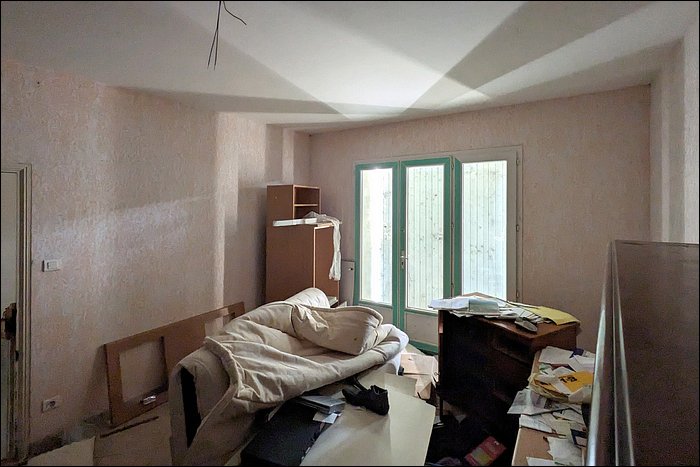
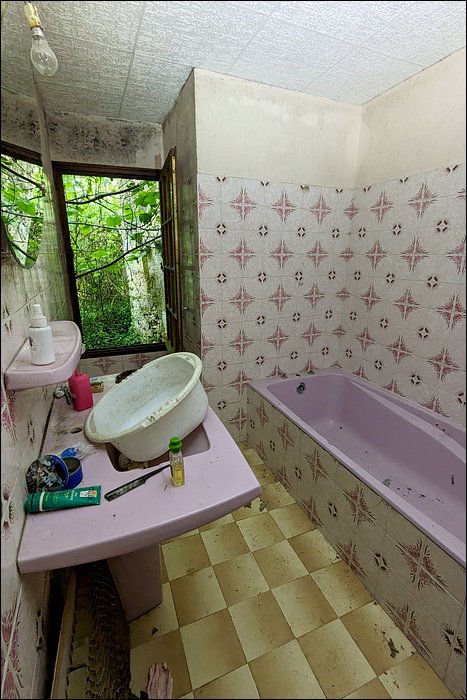
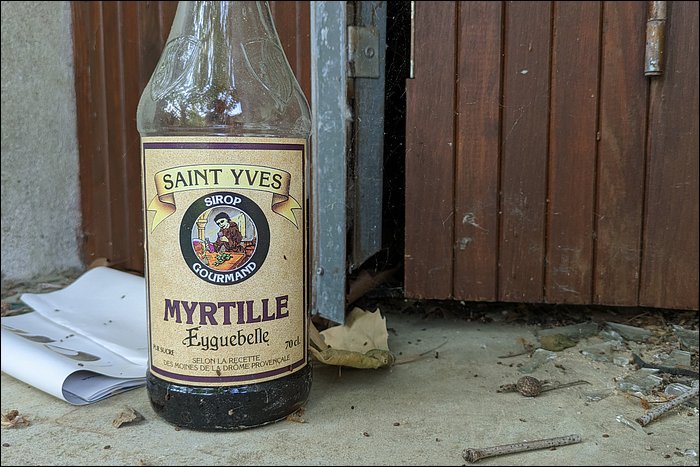
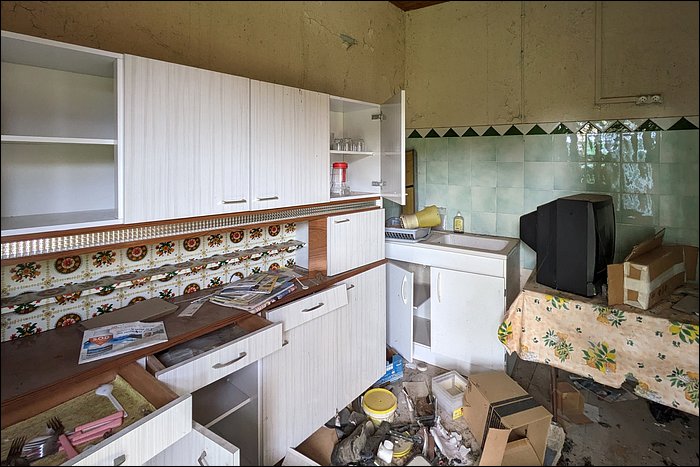
Since then, the land has been overrun with broom and brambles. What was once a lovingly tended vineyard has become a terrible mess. What series of events could have precipitated this farm into such a state of abandonment? Could it be vandalism? In short, nowadays it would not even be surprising. In any case, it leaves as much resentment as bitterness; one does not sully the memory of a family like that.