The Marenych abandoned House
We received photos from a traveler and compiled a historical summary.
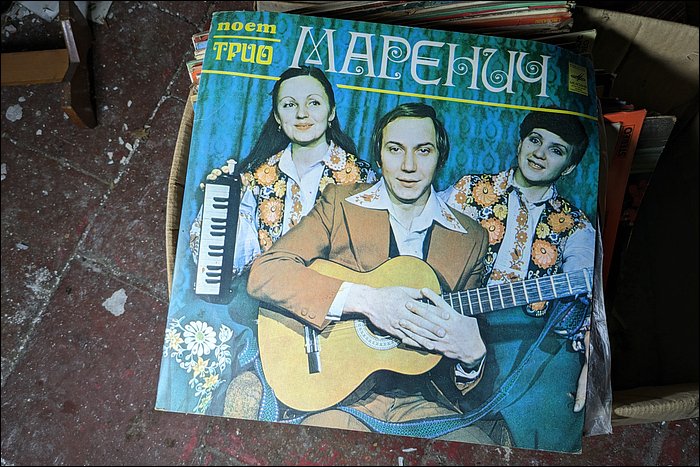
This is a visit to an abandoned home: the Marenych House. It is named as such after a 33-rpm record found on-site by the Marenych Trio. We are not disclosing the exact location of this house in the documentary; while it has been completely trashed, there is no need to make things worse for the neighborhood.
This was once the home of Michel, his father Jean, and his mother Victoire. The parents were Slavic. The mother was Polish, originally from the Lublin Voivodeship. The father was Ukrainian by nationality but Polish-speaking. The Polish-Soviet War of 1919–1921 led to a mass exodus of Poles living in the Volhynian and Lwów Voivodeships - where Monique [sic] originated from. The father's background was shaped by the Soviet occupation of Eastern Poland in the early 1940s, which resulted in the mass deportation of Poles to Siberia and other eastern regions of the USSR, as well as a systematic ethnic cleansing campaign led by the UPA (the Ukrainian Insurgent Army).
As a child in the early 1940s, either the grandfather or the father (we haven't been able to confirm which) fled the fierce repressions and massacres. They ended up in Ujkowice, just a stone's throw across the border, in a region that had nevertheless been annexed by the USSR.
Sometime in 1942, fleeing Aktion Reinhard in Lublin, they arrived in the Cévennes. What does one do as an immigrant who speaks no French and is in desperate need? Jean worked in the coal mines. From this union, two children were born: Michel and Jean Jr.
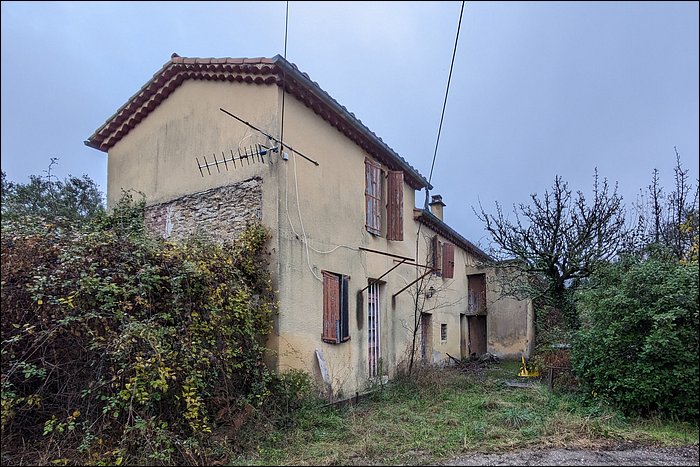
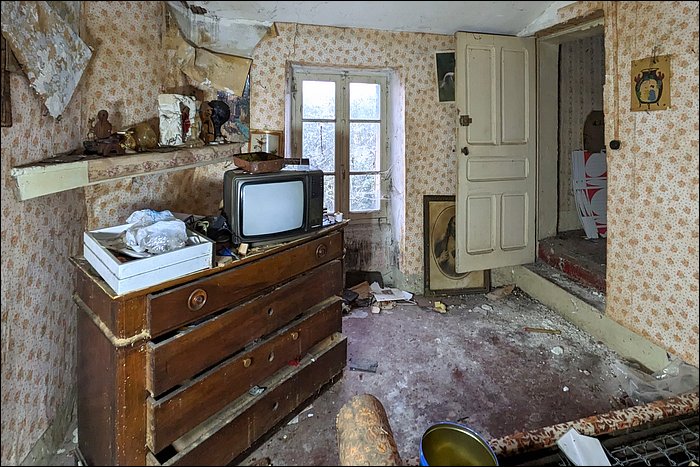
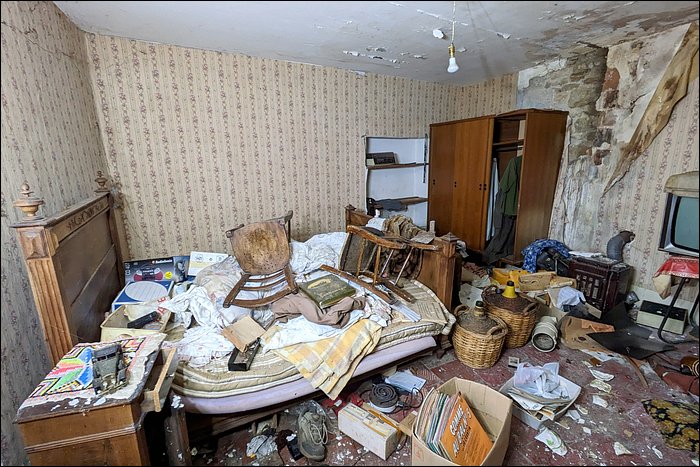
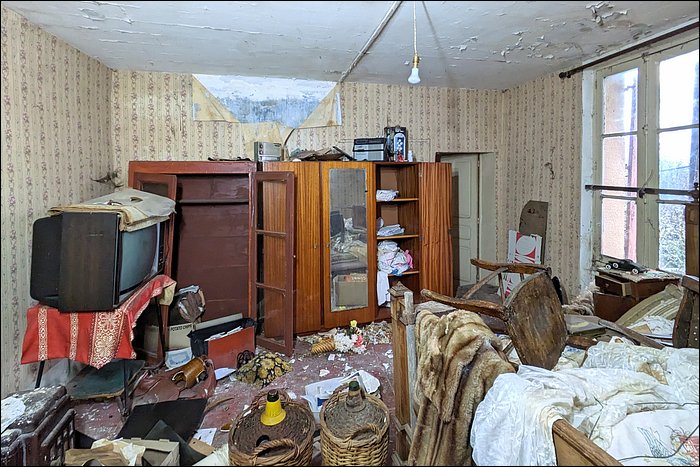
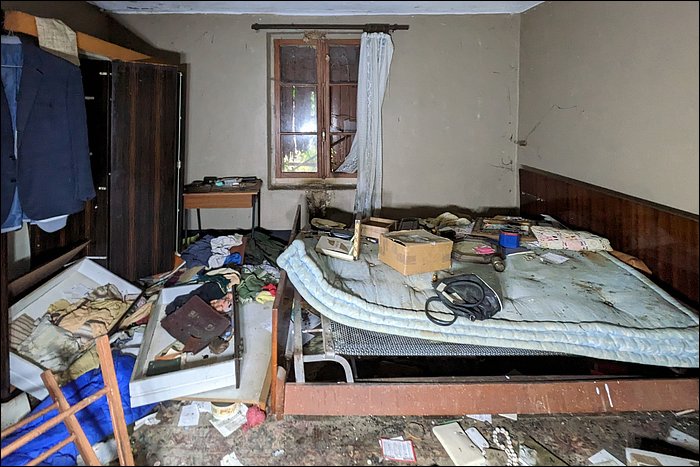
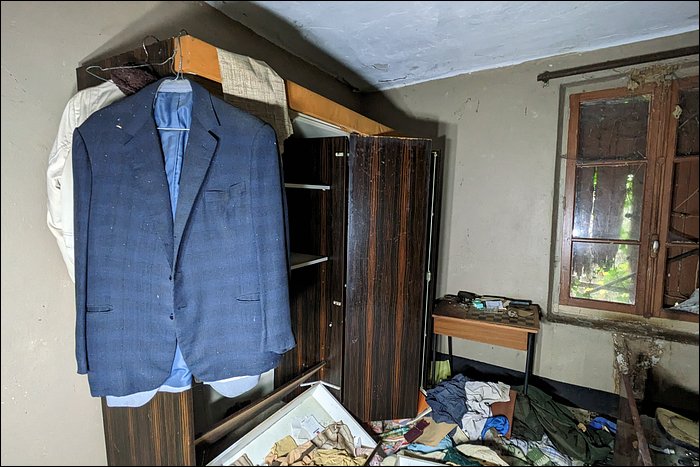
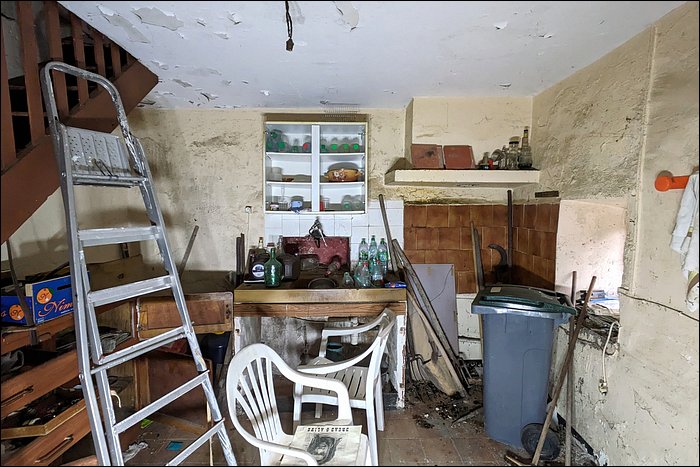
The Marenych house suggests a small nest egg had been set aside. Teodor likely lived in barracks, at least in the period following World War II. At the time, the need for reconstruction was urgent. Gradually, the couple was able to build this house, which is clearly a collection of haphazard additions - evident by the fact that the floor levels do not match upstairs. The dark bedroom overlooks a garage annex that was added later.
One thing pointed out to me: there is no toilet or bathroom. Was it located in that tiny "nothing of an annex" attached to the makeshift garage? Since the house was built in stages, it is quite plausible that these facilities were added - who knows - perhaps in 1970, for example. In any case, nothing remains of them today.
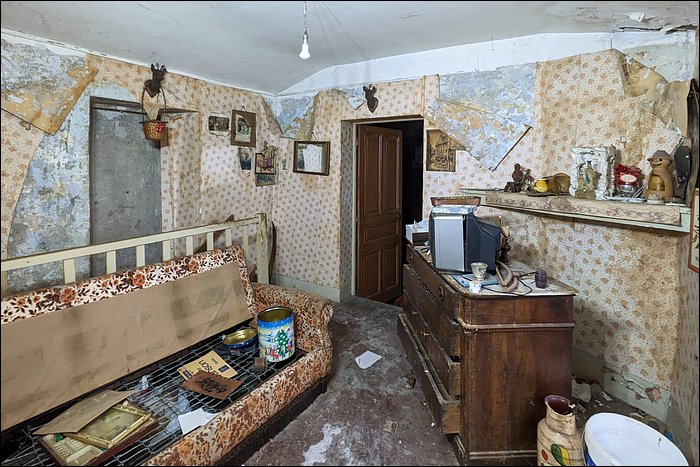
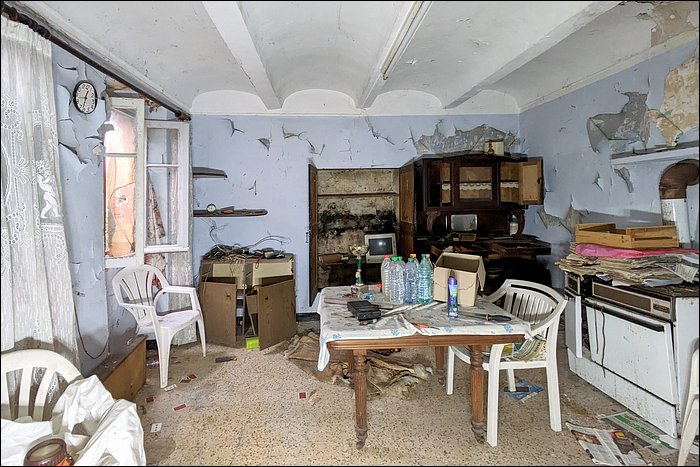
The house is generally of poor, even very poor, architecture. Jean Jr. moved a few hundred meters away, while Michel stayed behind. One can sense a modest life, given the large - nearly systematic - number of unpaid bills. One from France Télécom for 14 francs. And what about that strange habit of storing a large quantity of bottled water? I was dying of heat, poorly equipped; I'll admit I thought about drinking it, but I thought better of it!
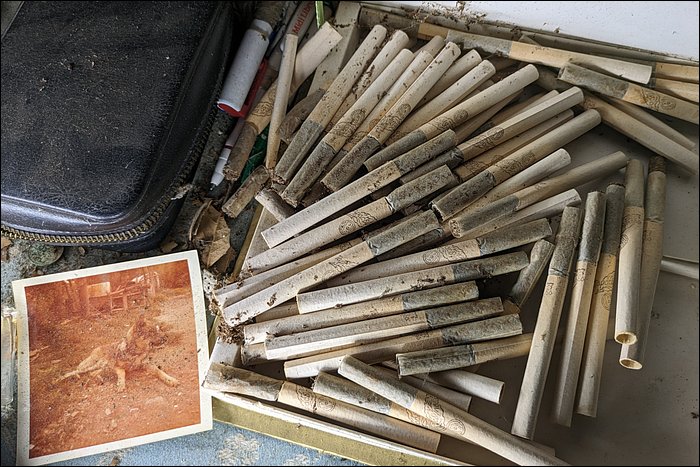
Michel worked as a laborer in a medical analysis laboratory. Life couldn't have been easy every day; there are traces of numerous letters from the ANPE (unemployment office) and job applications. He wrote well and had a good command of the language. We found a single photo of him at the La Bastiane campsite in Puget-sur-Argens.
Michel loved guinguette and musette records, including a surprising number of discs identical to those found at Jeannine's (the former "House of Gnomes"). Quite an era! Michel "left for heaven" early, though we don't know why. The house became vacant in 2008, though Jean likely kept an eye on it from time to time. The house was finally abandoned in 2016 upon Jean's death. We assume there were no children, resulting in an unclaimed estate, leaving potential heirs scattered to the far reaches of Poland and Ukraine. You get the picture.
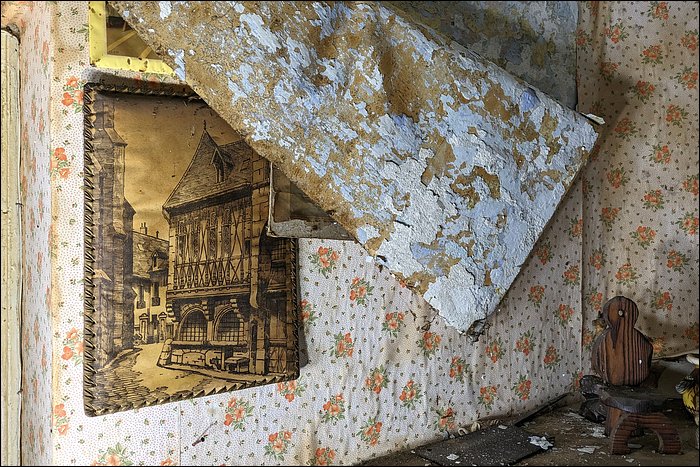
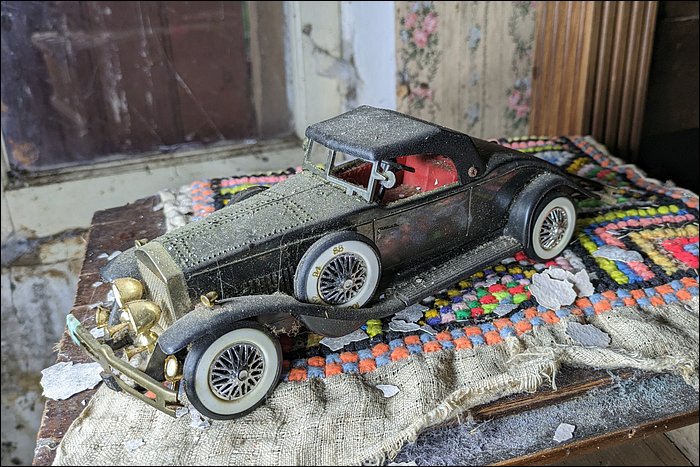
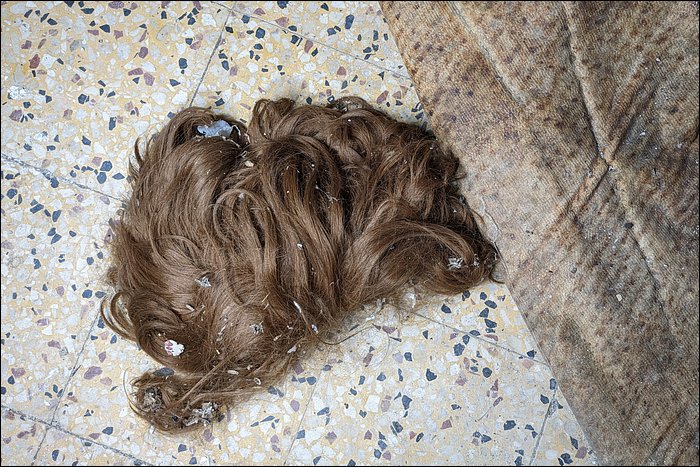
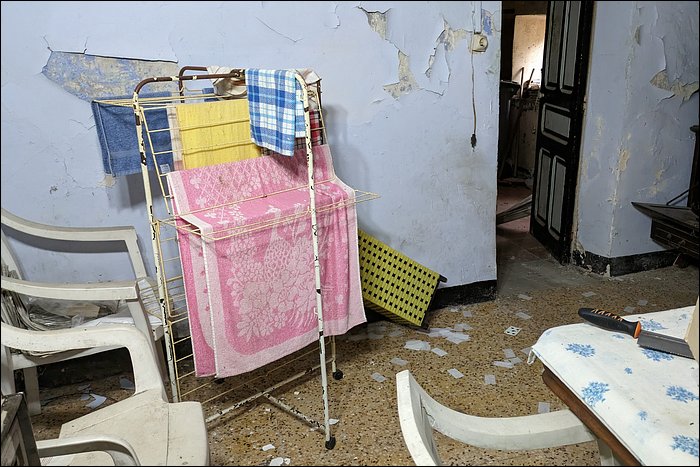
Because the house has no immediate neighbors, it has suffered from vicious vandalism. Everything has been looted. A track was recently cleared in front of it to replace utility poles, but everything remains in a state of total neglect and oblivion - a book closed forever on the bitter fate of these people.