Urban exploration - The black stone mine
The Black-Stone chronicles, an underground exploration
The documentation regarding this underground mine primarily dates from 2015 and 2016. Furthermore, the photographs of the modern sections are of an even earlier provenance, resulting from the restoration of archival imagery. This is an incursion into an obscure location, possessing a singular aesthetic charm: its darkness reaches a level that can only be described as extreme. Illuminating these galleries required immense effort. To speak plainly: it is a literal black hole.
This mine once extracted a hard, black limestone. While it is commonly referred to as marble, from a strictly geological standpoint, this is a misnomer, as true marble is metamorphic. Extracted in limited quantities, this stone was reserved for luxury applications due to its precious nature - notably statuary, floor tiling for prestigious estates, and mantelpieces. Its potential applications were manifold.
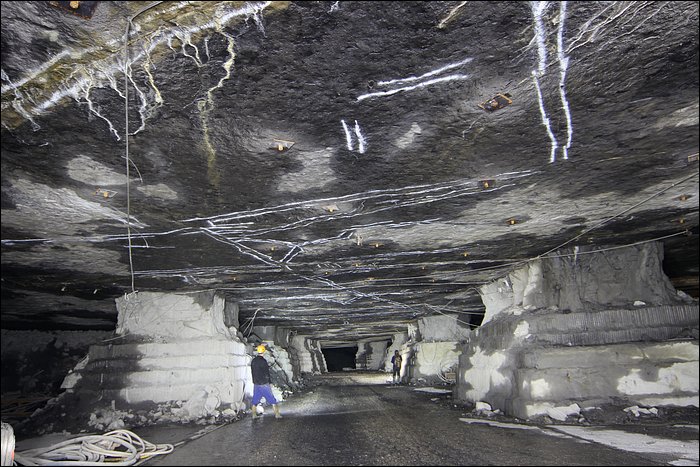
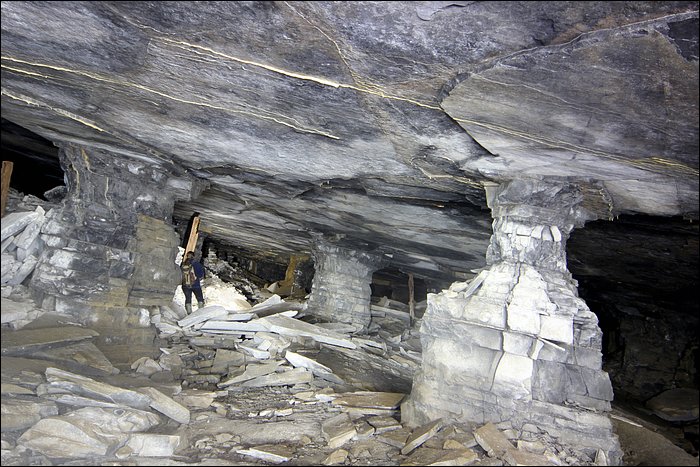
Its international renown was built upon a unique quality: a grain size of a mere 2 microns, considered the finest in the world. When exposed to direct sunlight, the rock displays an anthracite grey hue, which transforms into an intense black upon polishing or when dampened by rain. The workable veins range from 4 to 12 meters in thickness, though only a portion is viable due to fissures and impurities. Its structural resistance is fivefold that of reinforced concrete, allowing for the retention of support pillars only a few meters wide during extraction.
Underground Exploration
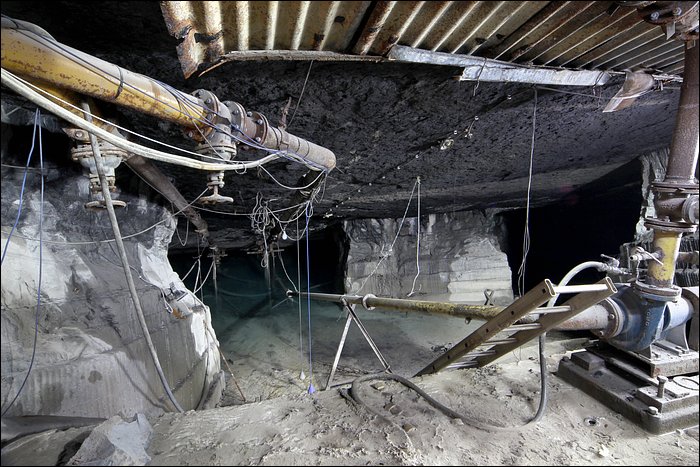
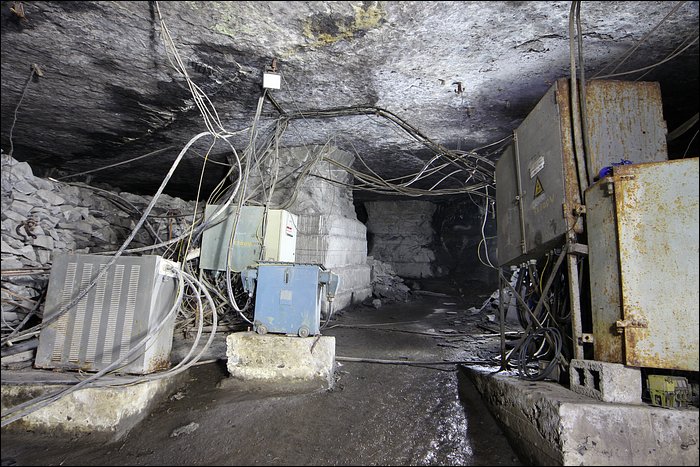
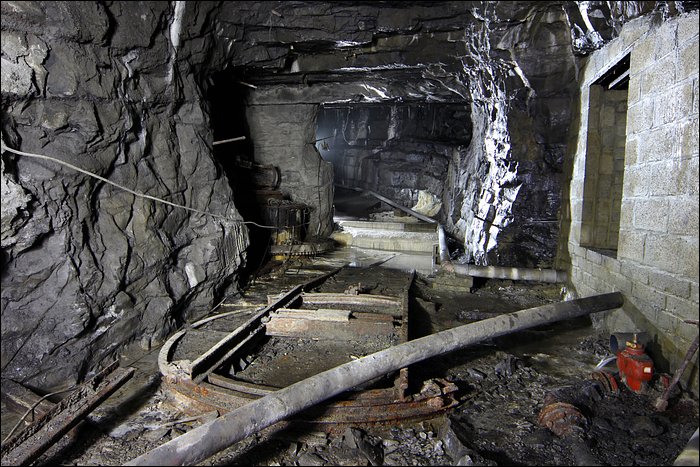
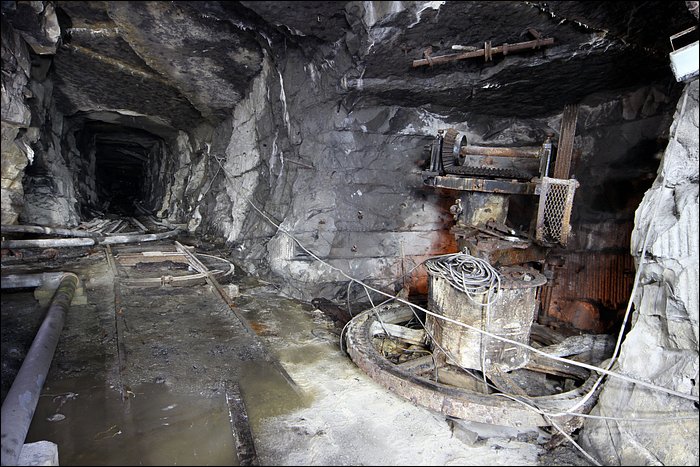
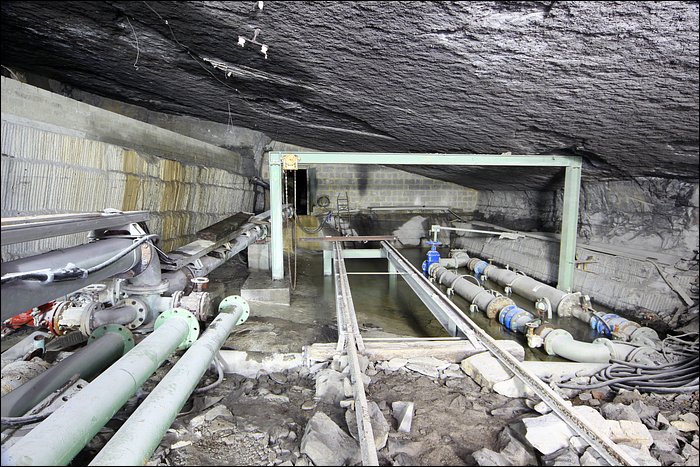
These subterranean mines are by no means vast; they are far from being labyrinthine. We shall focus primarily on two distinct workings, as the others are largely collapsed, intentionally backfilled, or entirely flooded. The main site possesses a rich aesthetic, further enhanced by the presence of a substantial pumping operation.
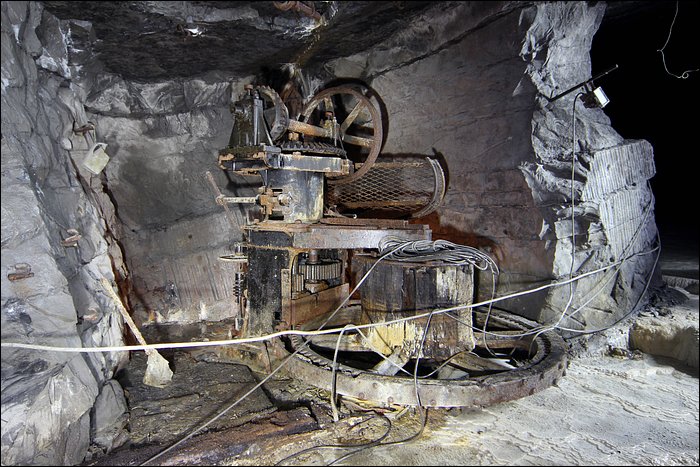
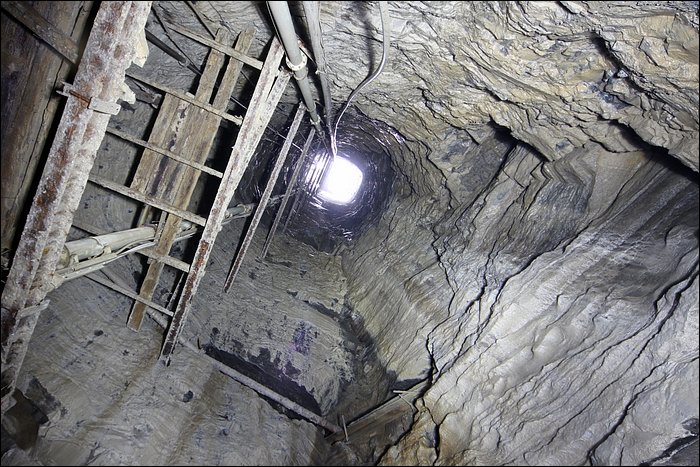
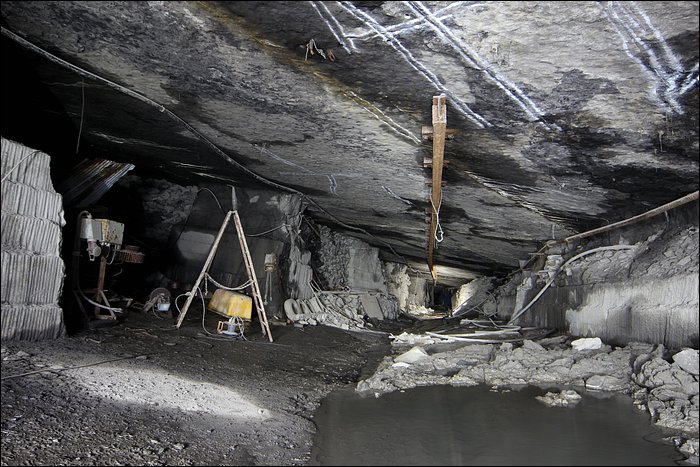
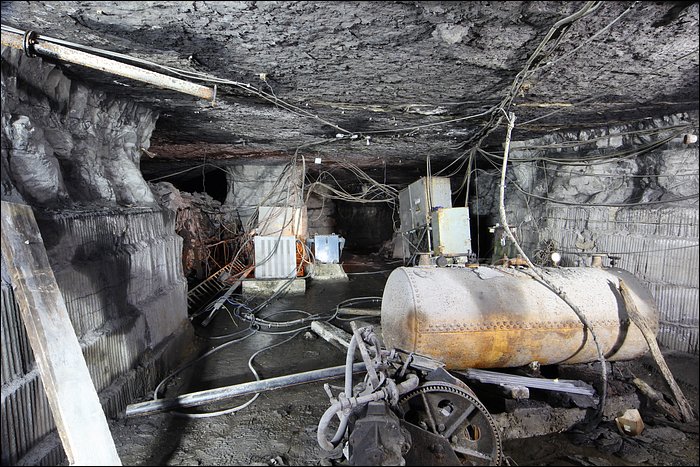
Indeed, the deepest part of the mine - where the 66-meter extraction shaft is located - houses a powerful pumping station. This facility was established to create one of the region's most significant drinking water catchments. Consequently, alongside mining infrastructure, pumping equipment is found in abundance. This technical juxtaposition is as surprising as it is fascinating - a remarkable discovery.
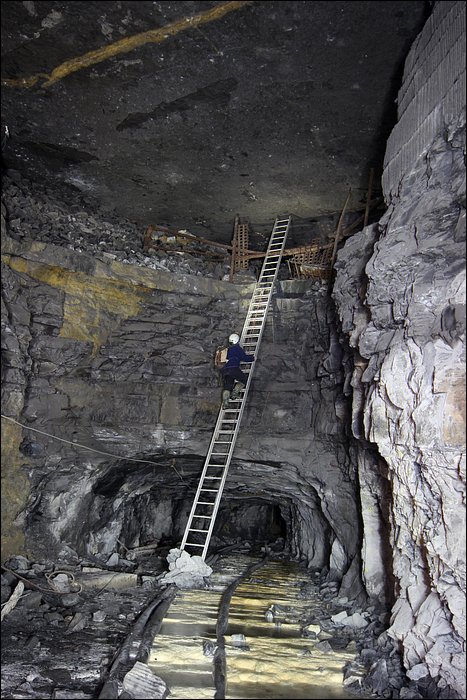
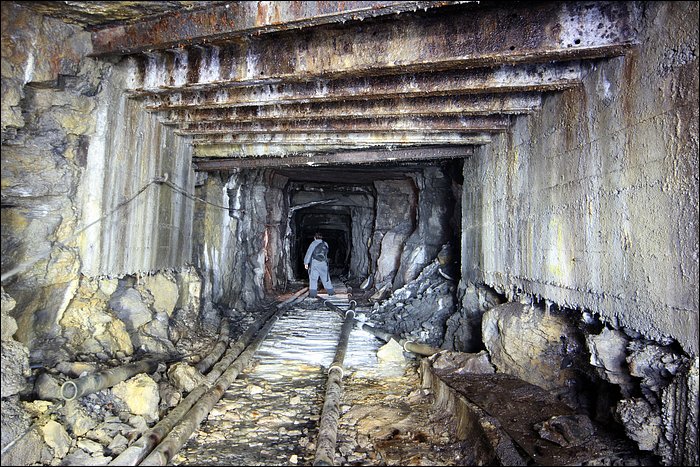
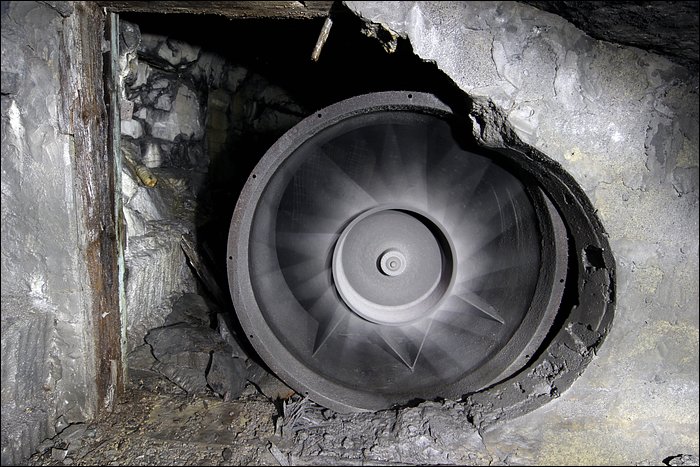
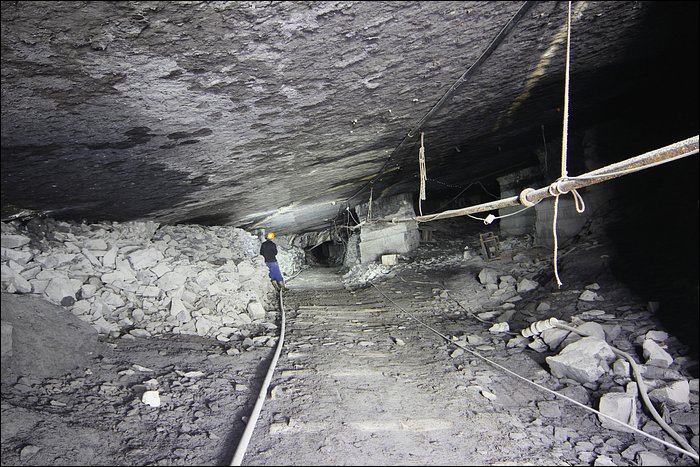
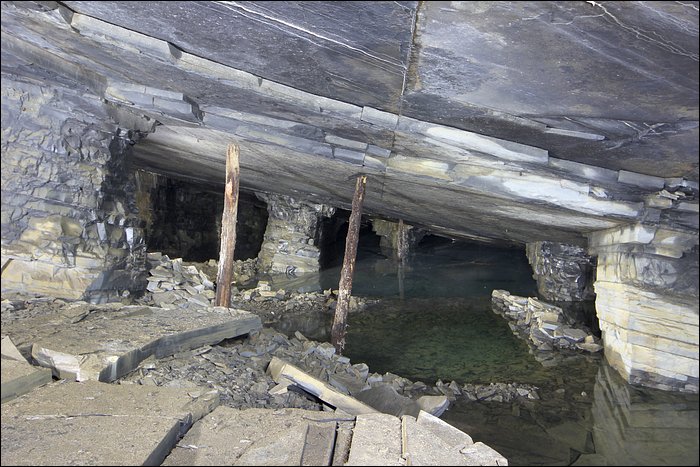
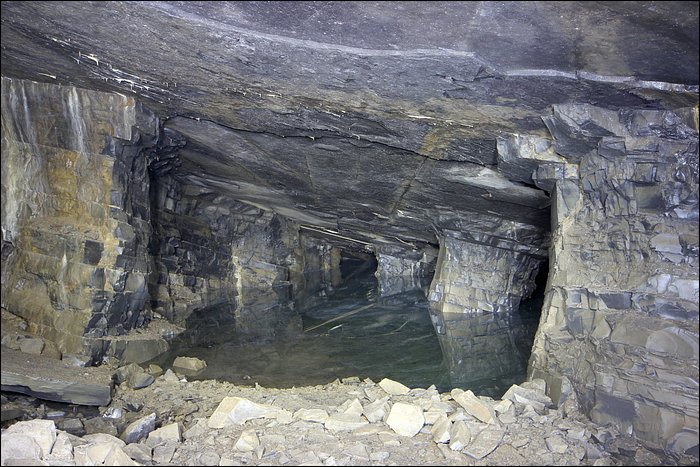
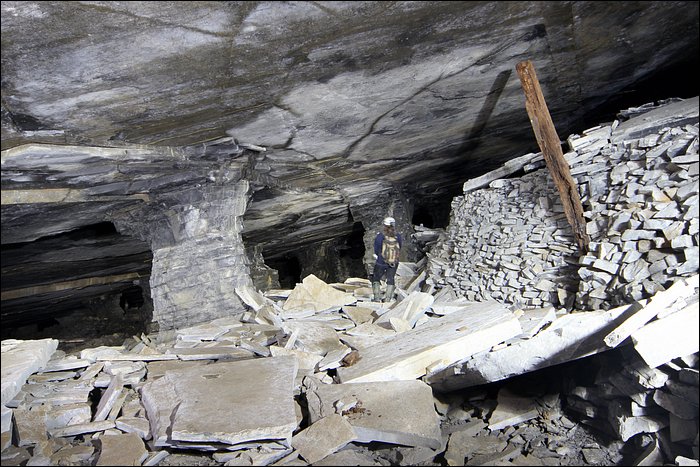
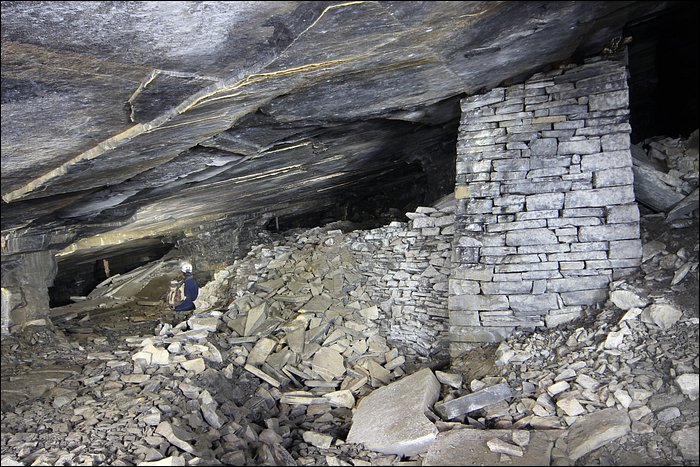
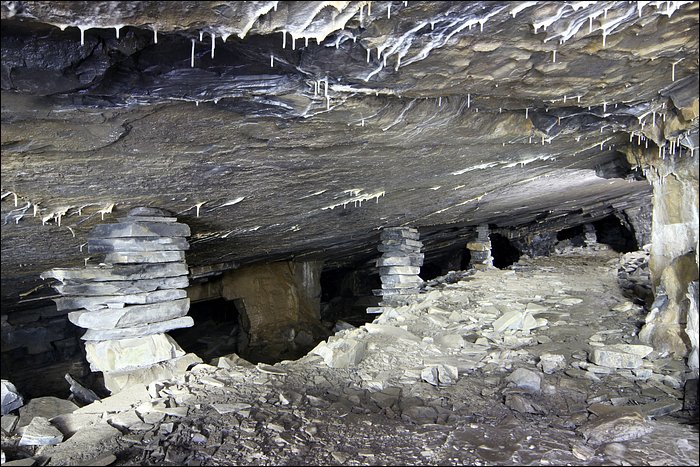
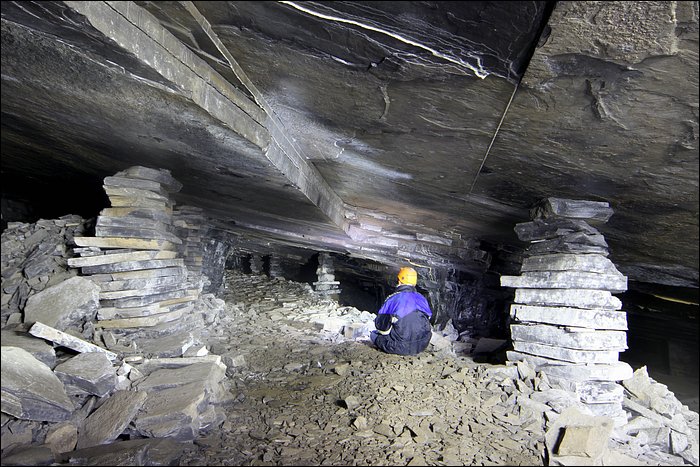
There exists an entire sector, which one might colloquially describe as a "side road," providing access to older workings. Numerous gallery entrances have been backfilled with stone waste. One enters, quite suddenly and without transition, into a series of tunnels that are both expansive and profoundly tranquil. Here, time has stood still; the silence is omnipresent. One tunnel leads to a diminutive ventilation shaft. Far from being ostentatious, these are original and truly exquisite subterranean landscapes.
Historically, the earliest extractions can be traced back to antiquity (notably commissioned by the Medici family), though more prosaically, industrial extraction commenced around 1850, characterized by successive periods of activity and dormancy. The 1929 Great Depression caused a collapse in demand, leading to closure in 1934, followed by a revival in 1970. Invariably, all modern workings post-date 1970. Where photographs reveal spaces with dry-stone walls, they belong to the pre-1929 era. They are, indeed, of a significant age.
The vintage workings, generally dating to the 1930s, possess a curious appearance. Given the extreme hardness of the stone, miners would perform nearly contiguous boreholes along the entire length to extract imposing blocks. They would then attempt to fracture the stone using chisels. This technique resulted in a completely unique visual - walls entirely striated by drill holes. It is, without question, the most striking feature - unprecedented and comparable in interest to the continuous miners of the Lorraine iron mines.
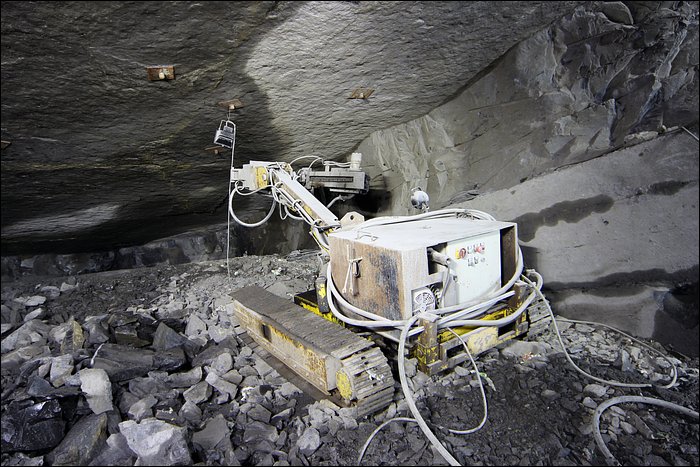
Modern methods employed diamond chain saws to cut the blocks, replacing explosives, which have been regulated since 2004. Annual production fluctuated between 80 and 250 cubic meters, with blocks weighing up to 7 tons being transported by crane. Manual polishing (requiring one hour per square meter) revealed an incomparable depth. It was an exceptional production. While Chinese imitations exist, they are distinguished by a coarser grain and a coating prone to flaking. The most recent methods involved the use of undercutting and channeling machines.
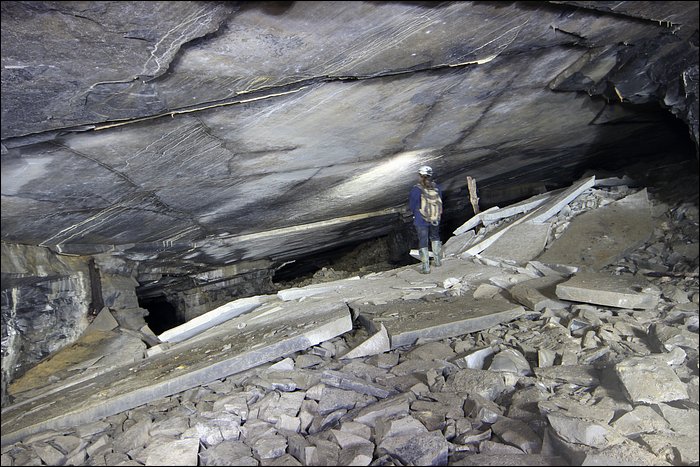
Today, the situation has shifted, resulting in a total cessation of exploration opportunities across all underground networks. Among other factors, the age of the galleries leads to "slab spalling" - masses weighing several tons that await only the slightest, imperceptible trigger to flatten any intruder to a thickness of two microns. I invite you, therefore, to explore through these photographs; it is a far more reassuring endeavor.