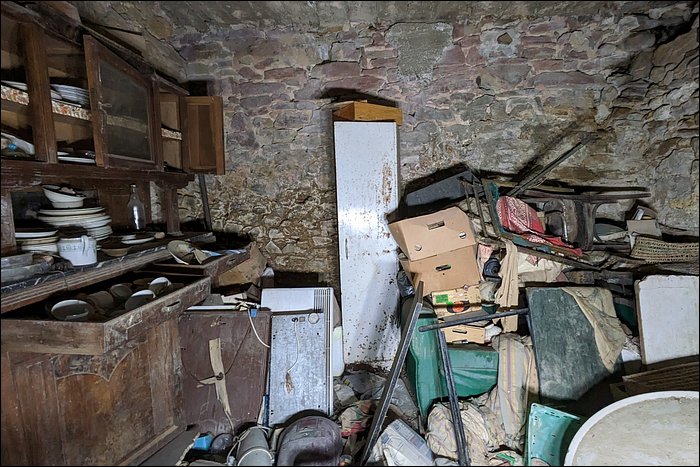
The abandoned house in the sands
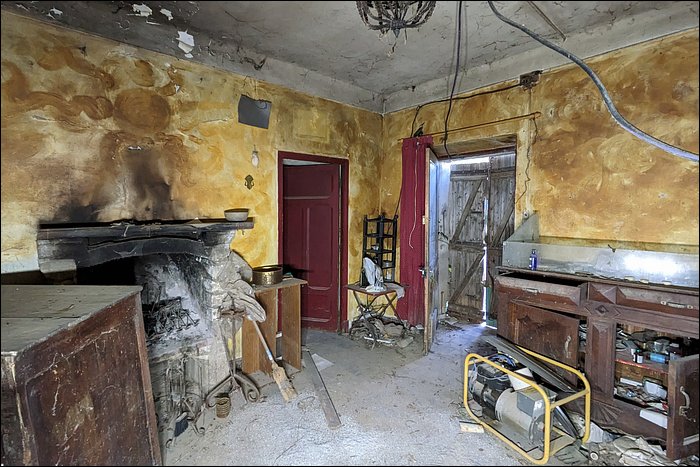
We received photos from a traveler and compiled a historical summary.
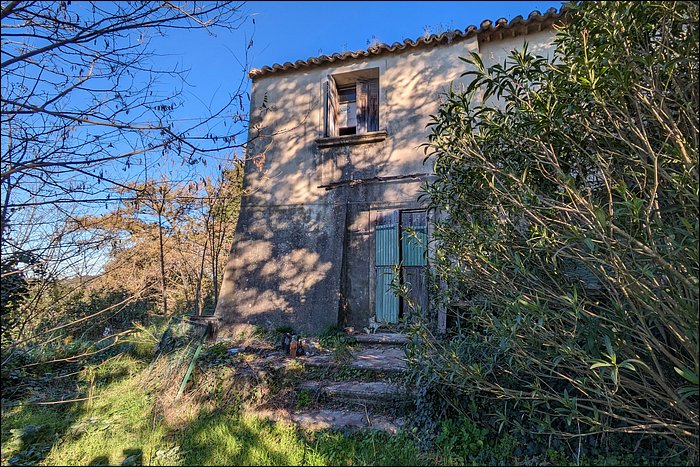
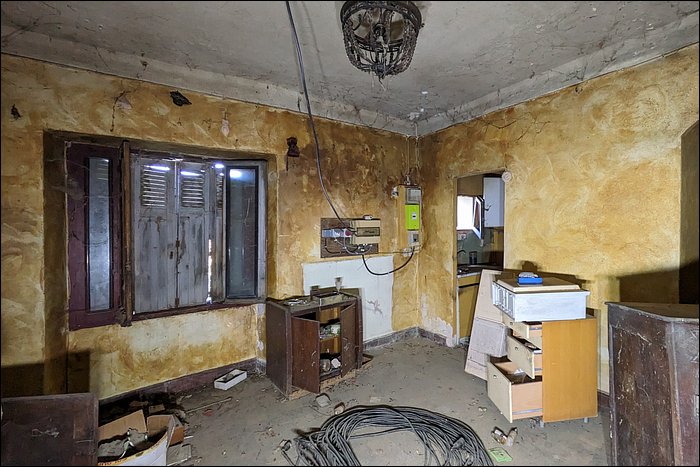
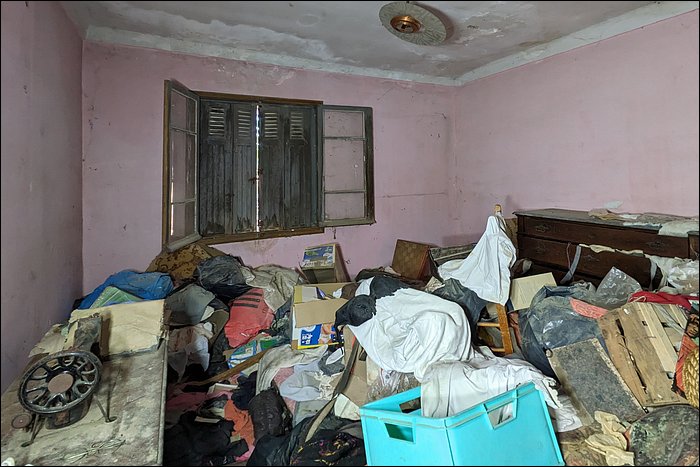
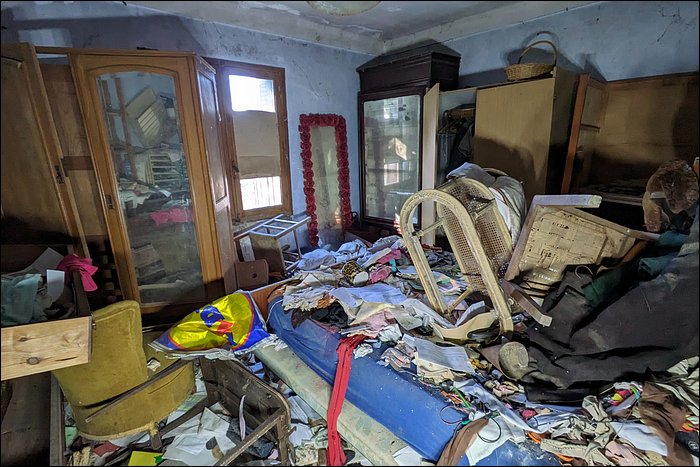
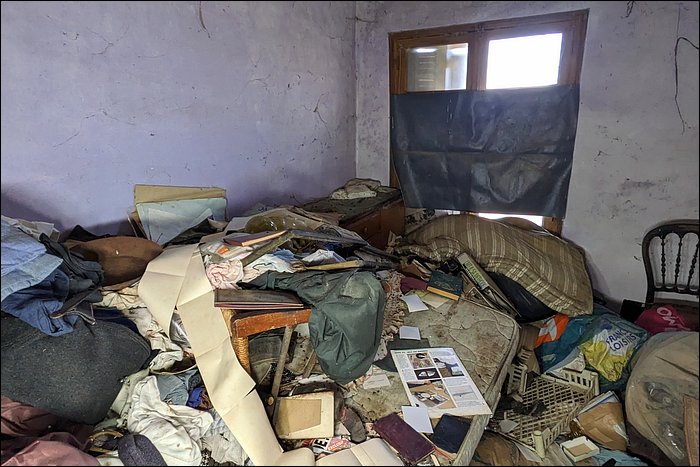
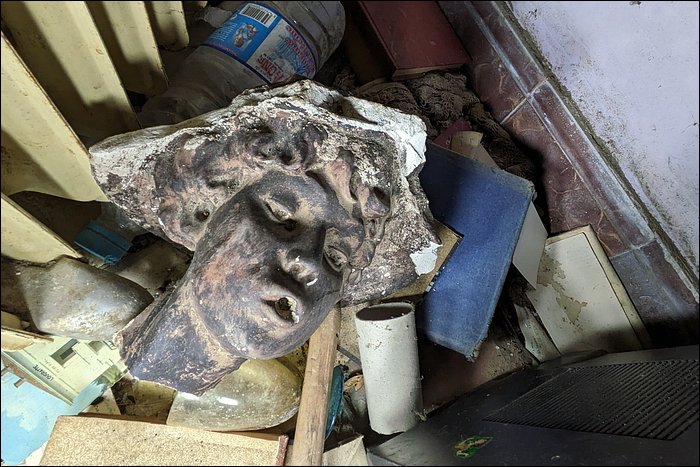
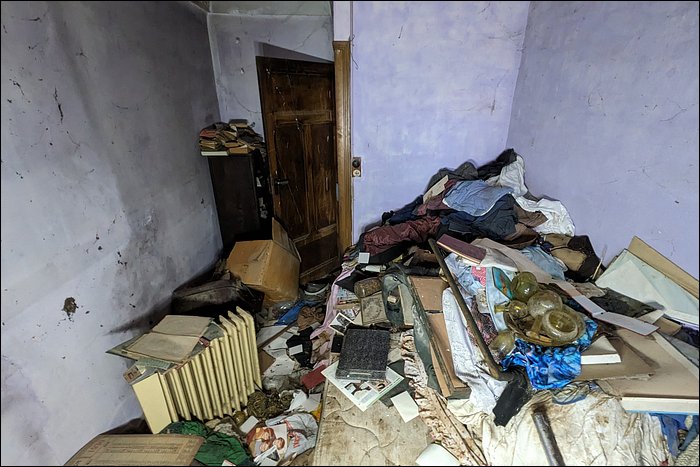
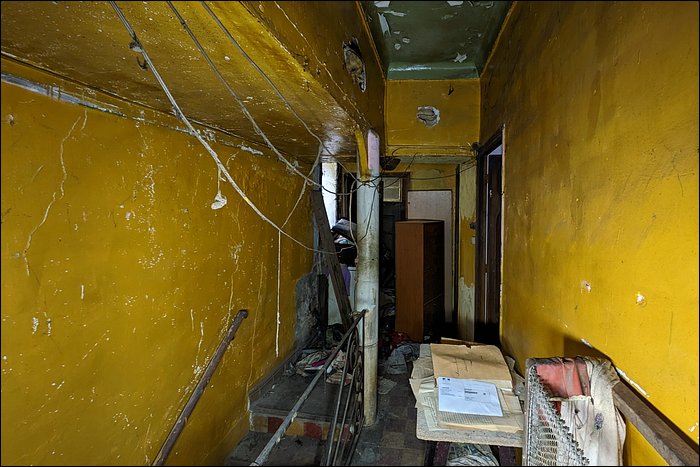
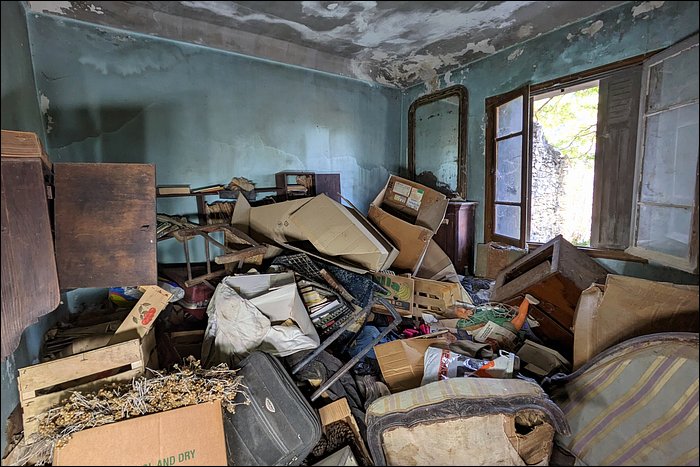
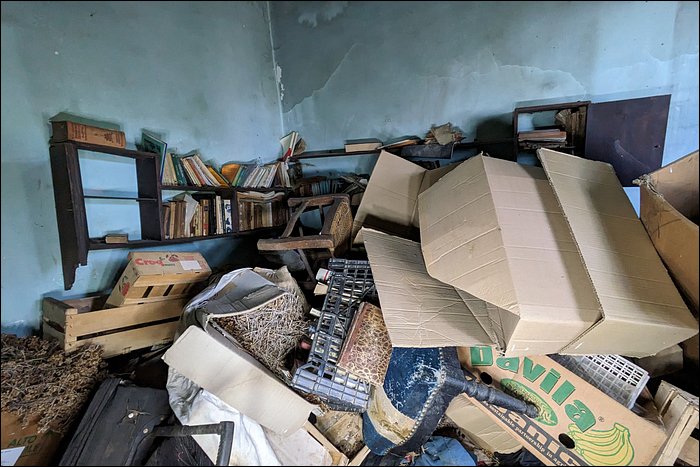
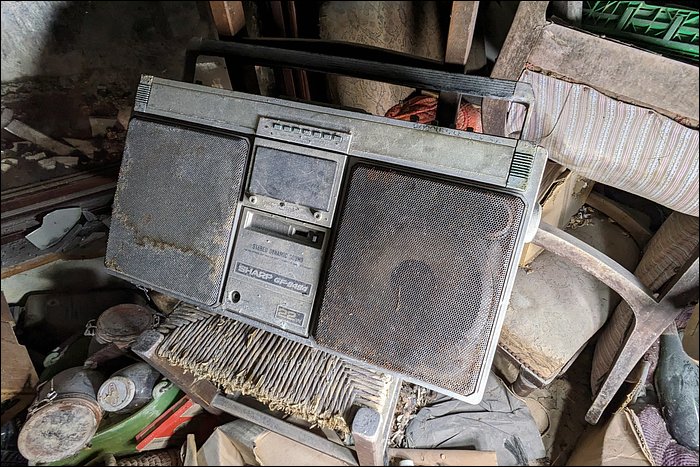
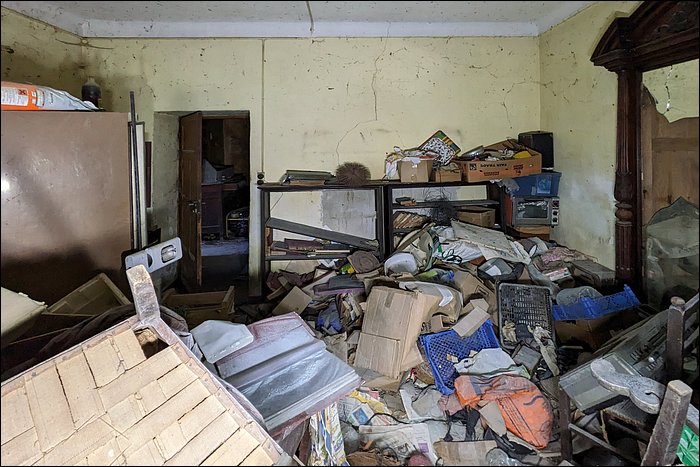
Here is a tour of the abandoned house known as “des sables” (of the sands). It is located at a large confluence of sandy terrain, which profoundly marks its environment and isolation. The house has been unoccupied for quite some time. Its history is completely unclear and involves at least three family lines.
The house is mentioned on the 1820 military map. It is therefore an old building, whose environment has been completely and fundamentally transformed.
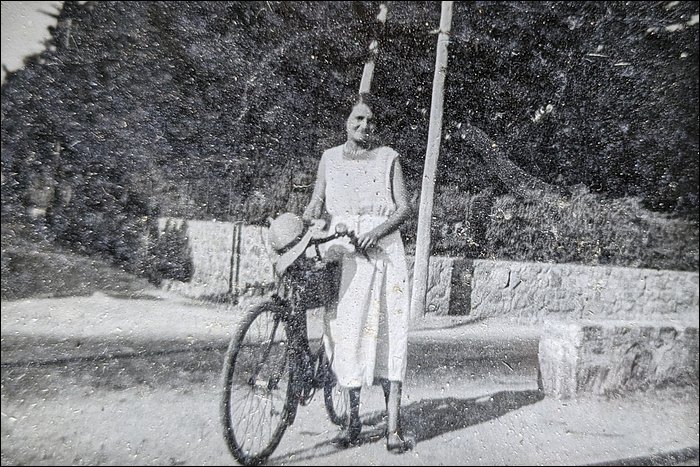
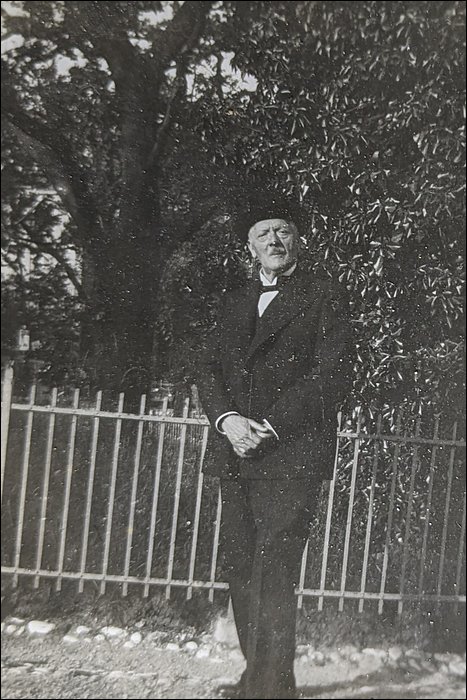
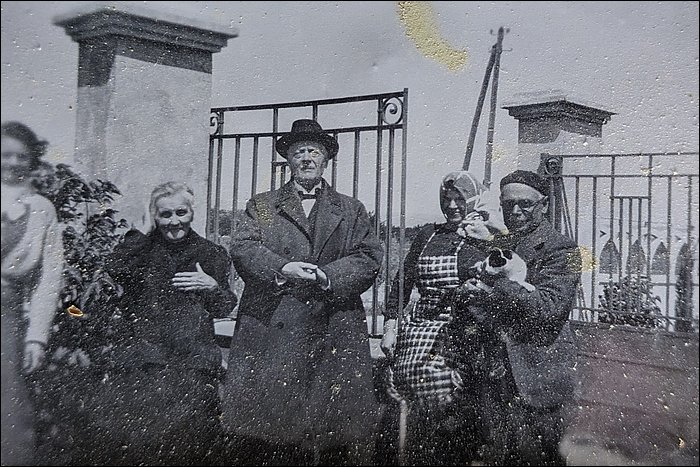
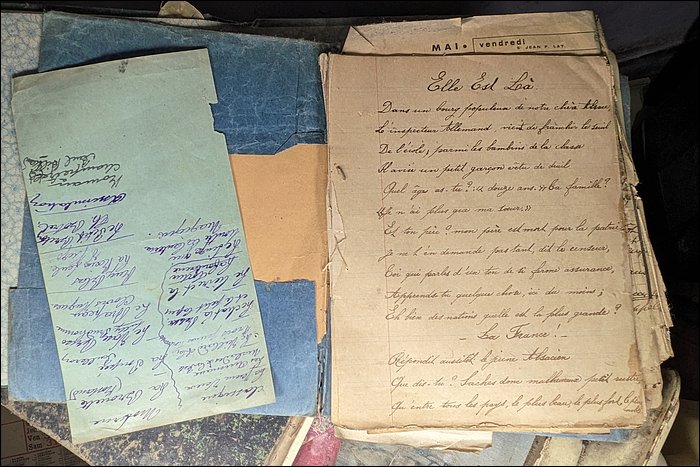
At the very beginning, we come across traces of Martial MONNET. He is an individual about whom most of the information dates from around 1915-1930. There are two hypotheses concerning him:
1) Either the house was a second home for him.
2) Or the photos come from the last occupant of the house.
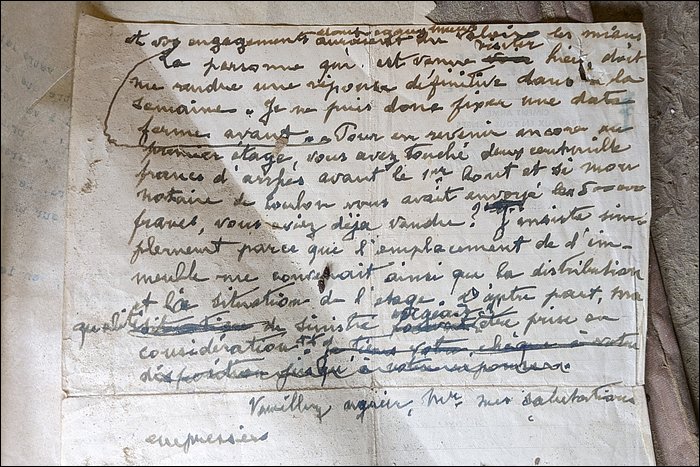
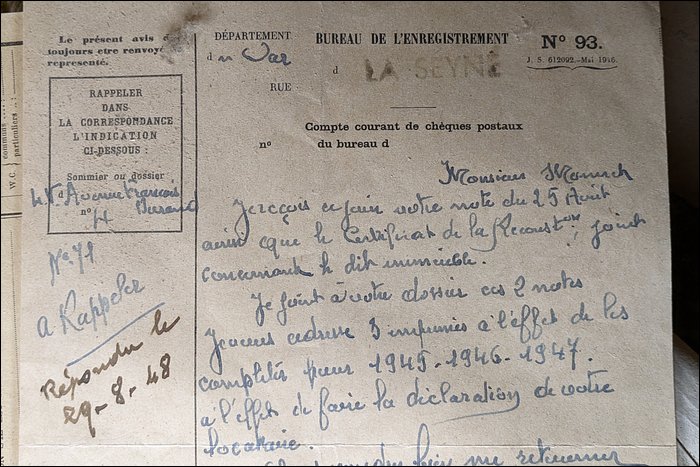
Untangling this information is like a treasure hunt. It turns out that in the multiple piles of letters, we identify him as being from Marseille, then later located in Bollène. This has nothing to do with our house. The hypothesis of the last tenant is strong.
Martial MONNET is known to have been a postal clerk in Marseille around 1917. However, the numerous old photos are fairly consistent. Louis Charles Martial MONNET was born on June 27, 1881, to Paulin MONNET and Marie CHAPUIS. The latter is referred to in correspondence by her middle name: Aimée. Martial married Marie Claire Louise ANTOINE on February 22, 1917, in Marseille.
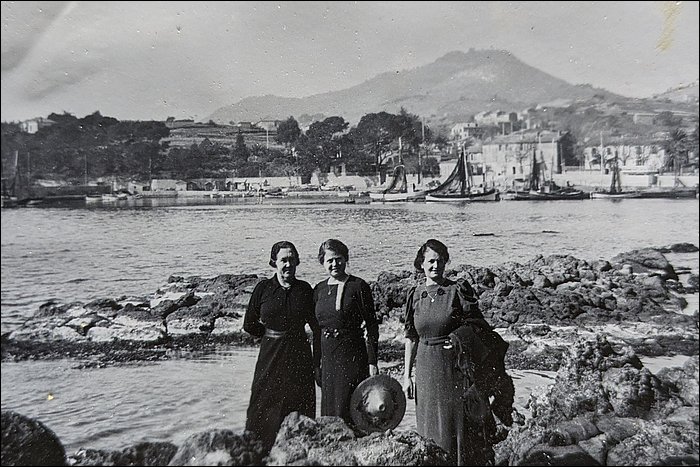
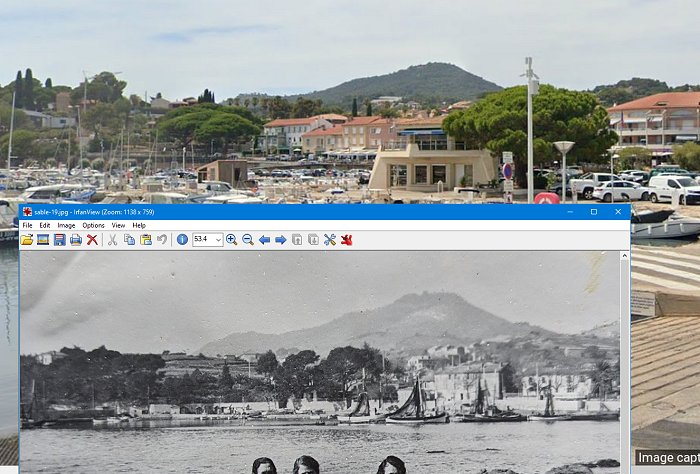
The port of Carqueiranne.
Later on, and much later in fact, we find traces of a certain Vincent BONOT, who receives his bills at Pigralier in Bollène. This appears to be a variation on the spelling of Pigrallier, a neighborhood in the southernmost part of the city. Upon comparison, none of the houses in the old photos can be linked to the current houses, which are too modern.
However, BONOT is linked to MONNET, as Martial also receives mail in Bollène, in the same hamlet. The photo taken at the seaside was taken at the port of Carqueiranne in the Var. So we can see that there is one layer in the Bouches-du-Rhône or the Var, and another layer in Bollène.
Later, and much later in fact, the house was inhabited by Valérie. The logical structure would be that she raised goats in the area. She left the premises after 2004. She now lives in the Aude department.
When you look at the location of the house, you immediately understand that it is under immense threat from the advance of a huge quarry. Will it disappear in the coming weeks? Yet this is far from easy to imagine. In short, this is a house that raises many more questions than it answers.
Why are there old photos here, many of which depict the sea and the Bouches-du-Rhône region? Why are there so many old documents related to Bollène and La Seyne-sur-Mer? Why have no graves been found in the two cemeteries? If there is an investigation, it will certainly be a long one. The truth is certainly not where we imagine it to be.