Urban Exploration - The Cyclopean Underground
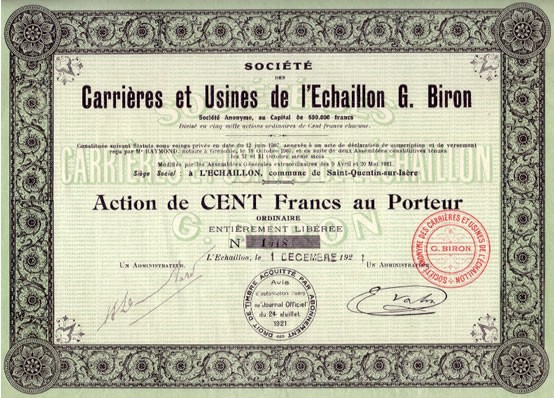
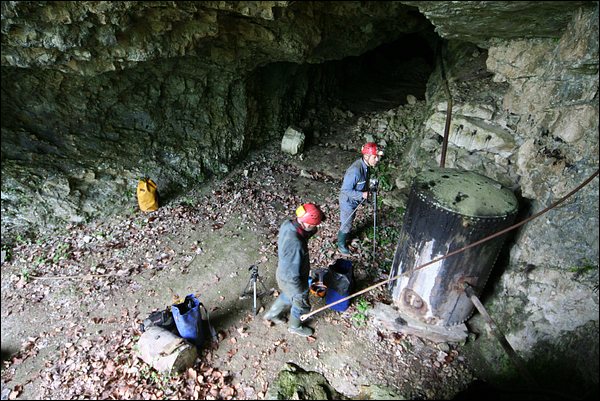
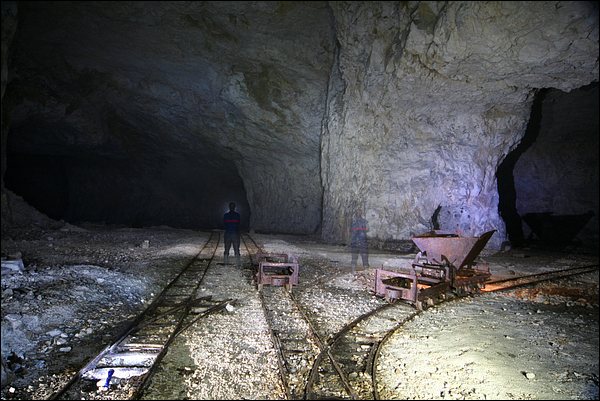
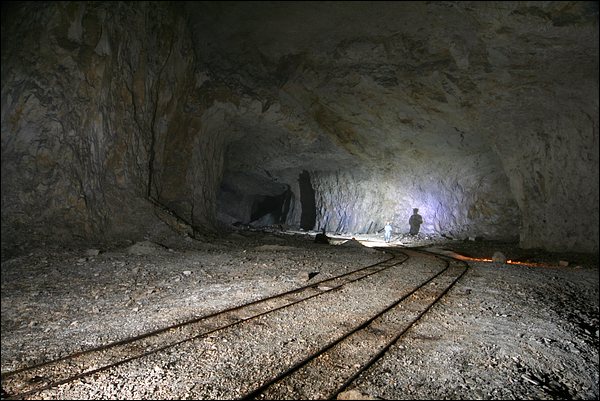
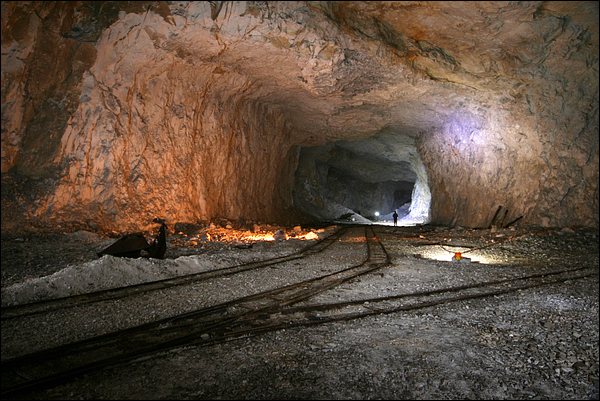
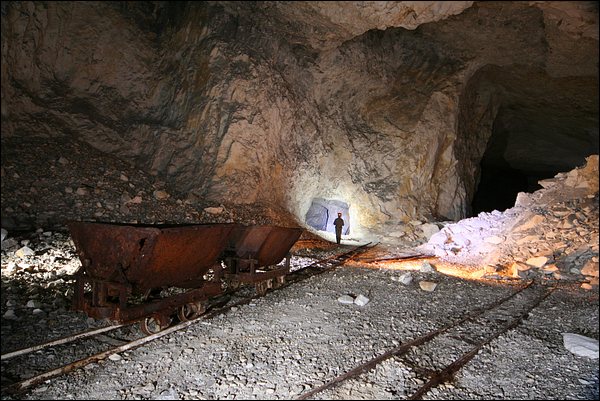
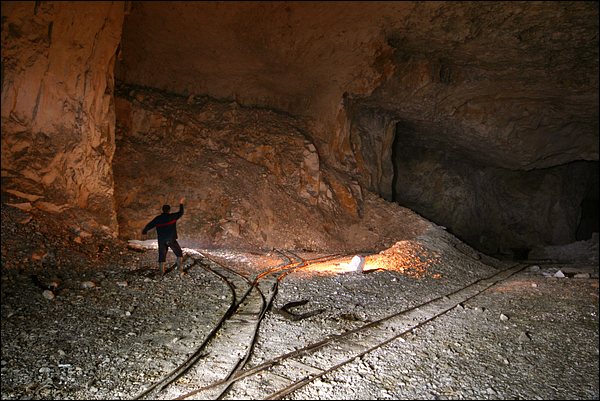
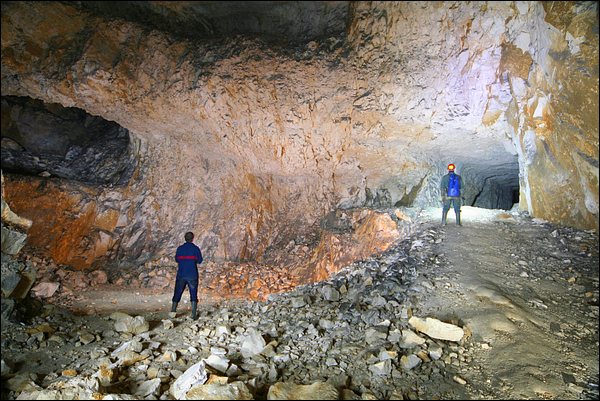
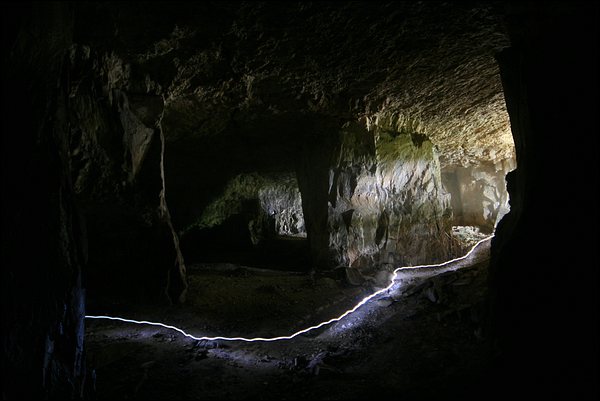
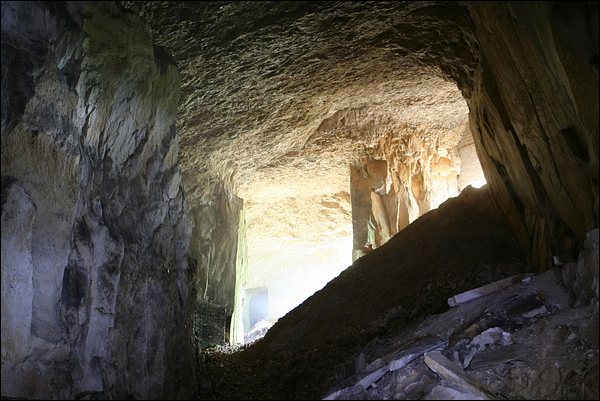
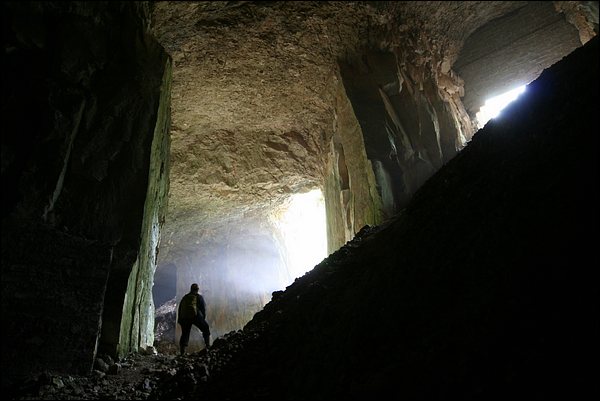
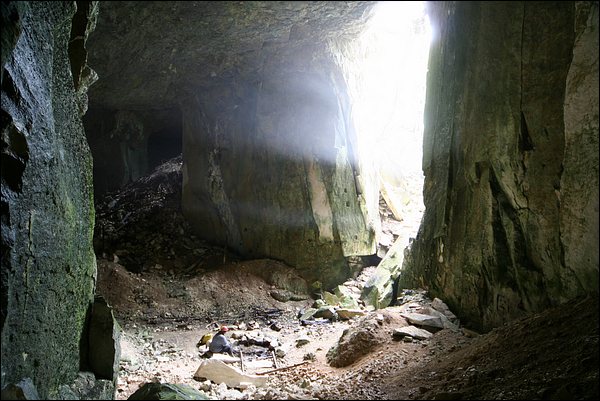
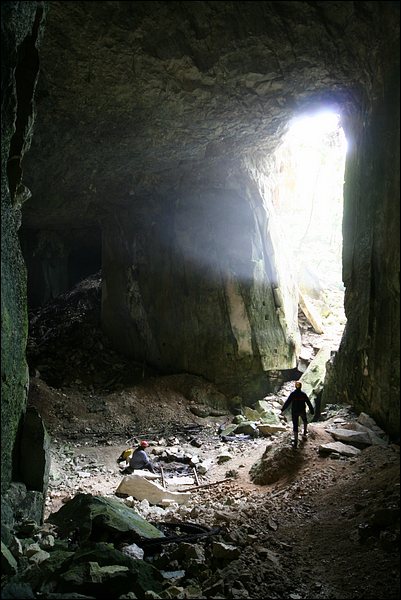
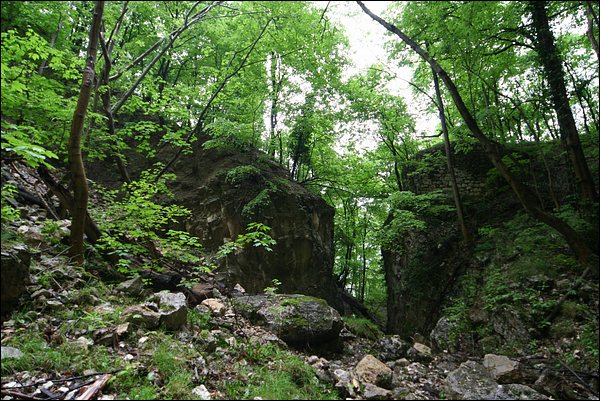
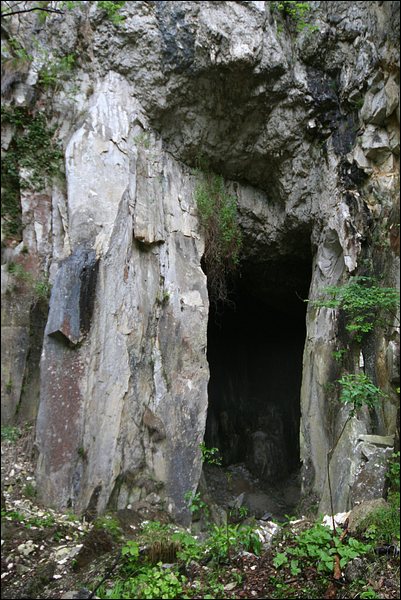
This photographic walk takes place in Saint-Quentin-sur-Isère at the marble quarry known as Le Bec de l'Echaillon. It is an astonishing and strikingly beautiful site. Several chambers boast massive hollow volumes, reaching approximately 20 meters in height and 30 meters in width. Some areas within these halls stretch 100 meters long. As a titanic industrial operation, it is deeply impressive and nearly unique of its kind.
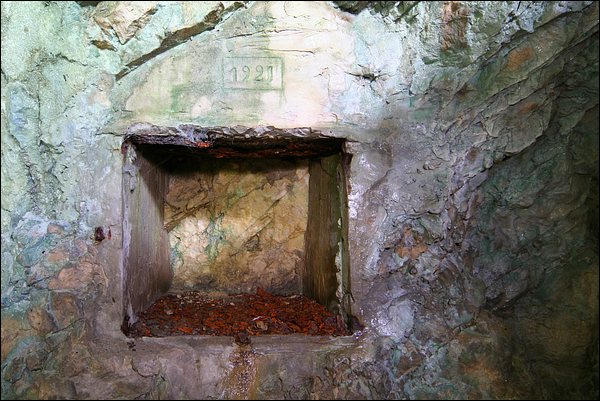
Very little historical information exists regarding the development of this industry, and geological data is scarce. Vague observations made on-site help piece together its story, though they fall short of providing concrete conclusions. We do know that the director was Belgian and, in 1943, he welcomed many workers seeking to escape the STO (Compulsory Work Service during WWII).
The local marble is frequently mentioned in literature: "Saint-Quentin marble is a blue or grey limestone, quite hard and capable of taking a beautiful polish, but it is sensitive to frost. It can only be successfully used for interiors."
The aisles and sacristy of the Vienne Cathedral are paved with this marble. Furthermore, records indicate that some of the stones used in the facade of the Paris Opera (Palais Garnier) originated from these quarries. This suggests a stone of very high quality - distinctly white and durable.
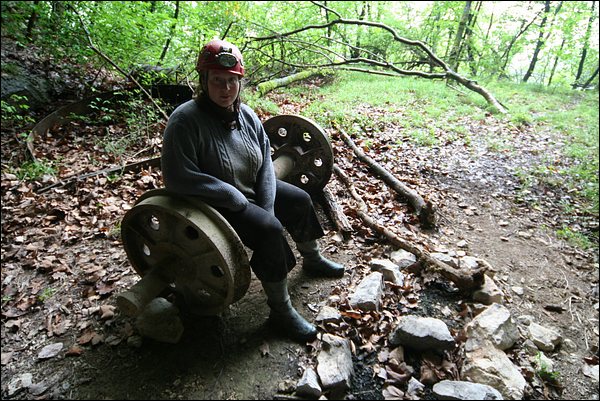
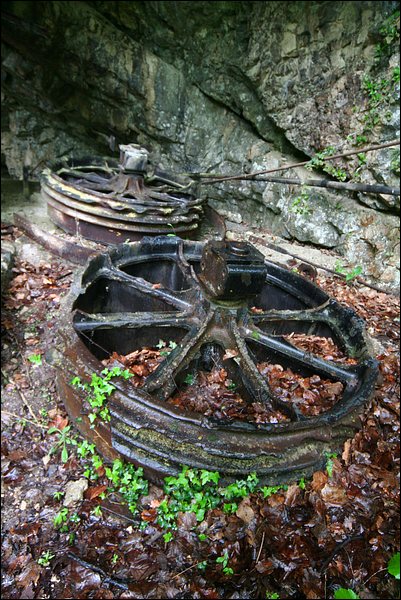
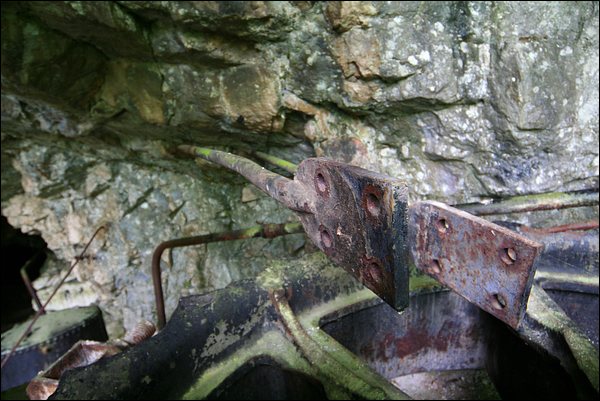
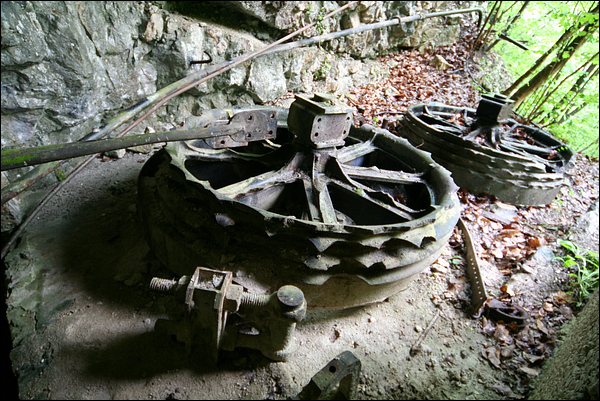
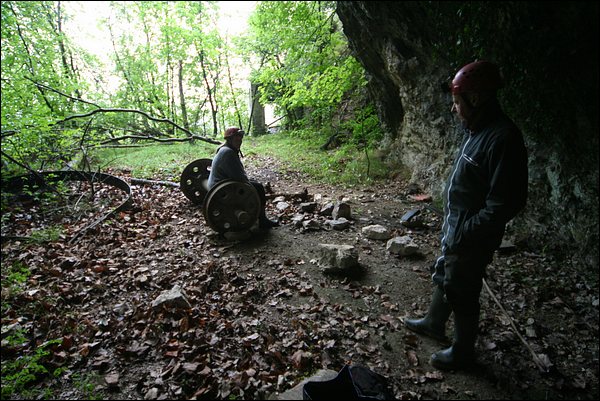
The most surprising discovery is the presence of two railway tracks: one with a 50cm gauge and a second with a 75cm gauge. The narrow track appears to have been used for extraction, while the standard track was used for waste rock (spoil). The latter leads to an inclined plane, still visible today, which ends at a site featuring lime kilns. Could the rubble have been repurposed for lime production? It is entirely possible.
At the foot of the Bec de l'Echaillon, a former quarry serves as an explosives depot. It is a cavernous space where 25 tons of titanite (explosive) are currently stored.