Urbex - The Borgoumont Sanatorium

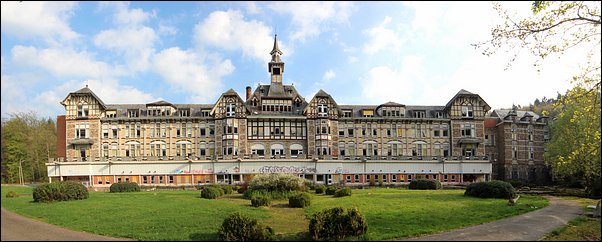
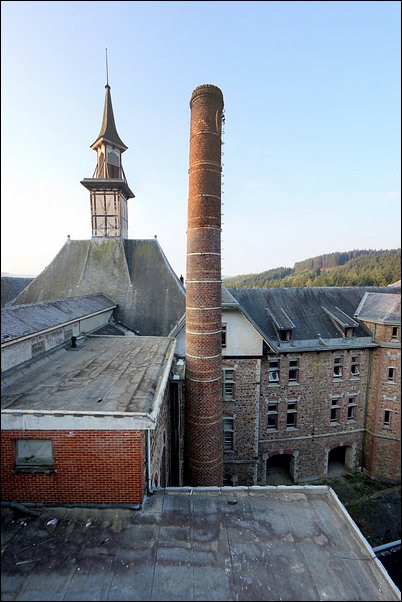
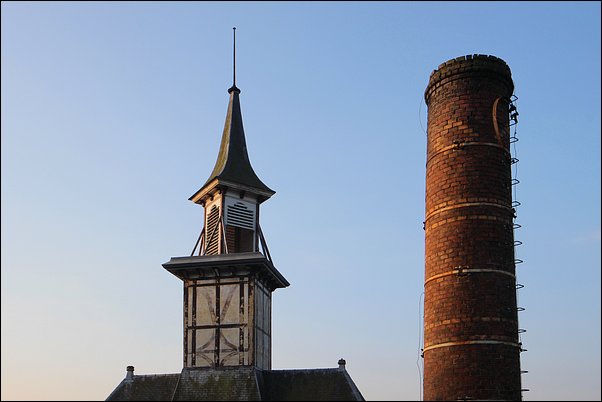
This documentary describes the infrastructure of the Le Basil Sanatorium, located in the hamlet of Borgoumont, within the territory of Stoumont. Numerous pages already exist on this subject; therefore, without claiming great originality, we offer only our own personal contribution.
Very little historical documentation is accessible regarding this building. Furthermore, successive layers of occupation have erased the past, making it difficult to retrace the history of this grand structure. In the past, the site was known as the "Sanatorium Populaire" (People's Sanatorium) and also the "Medical Institute of Borgoumont La Gleize." The curious name "Sanatorium du Basil" seems to originate from Google and, strangely, appears to have no historical foundation. At least, we have found no trace of it.
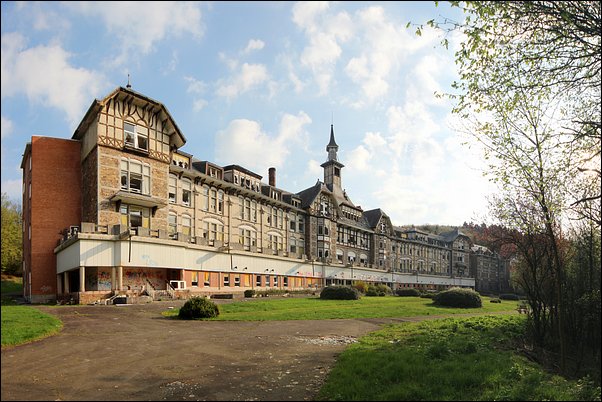
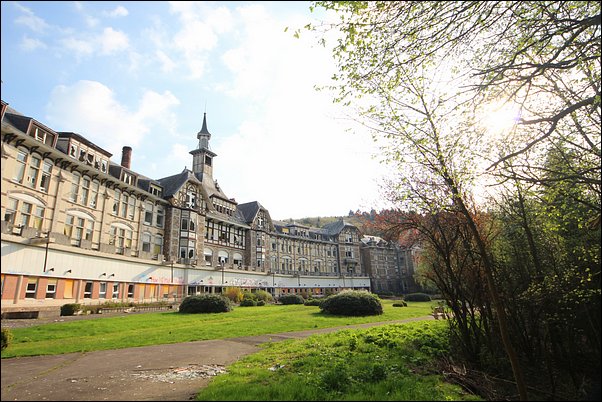
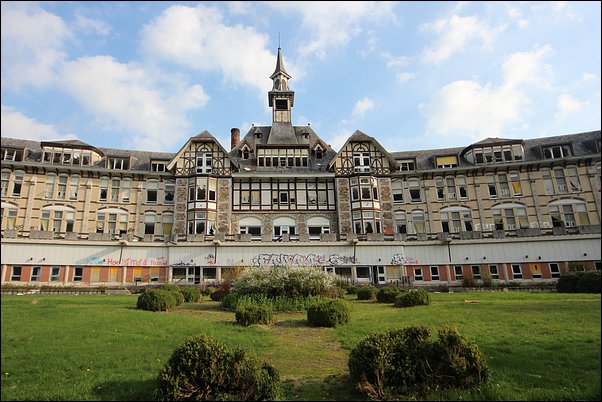
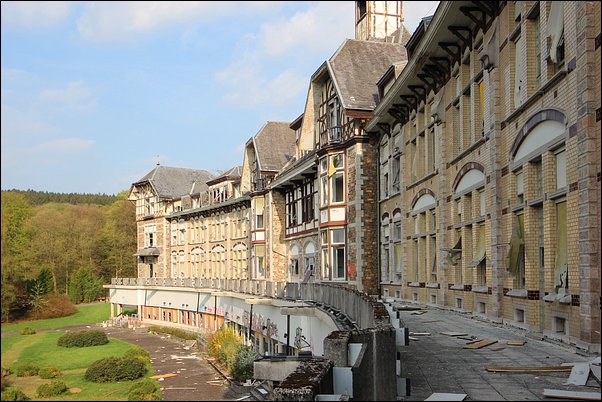
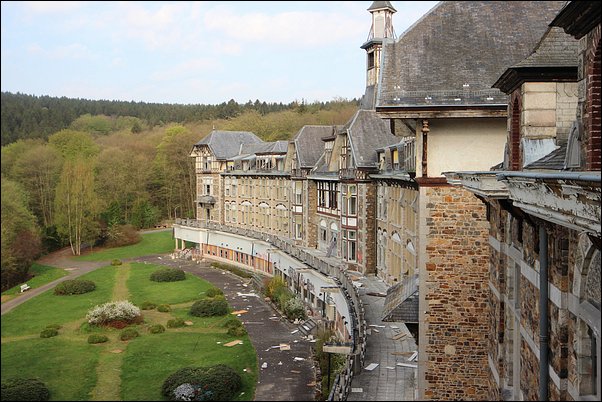
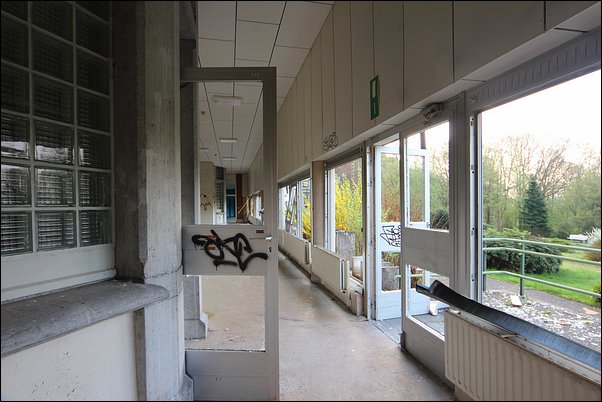
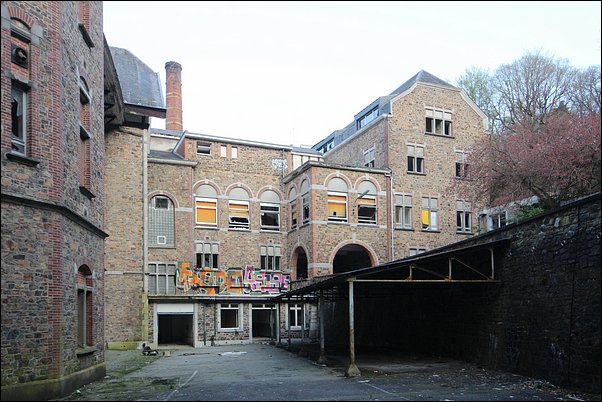
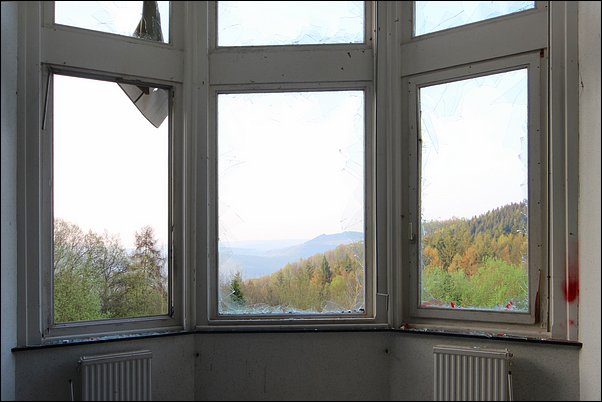
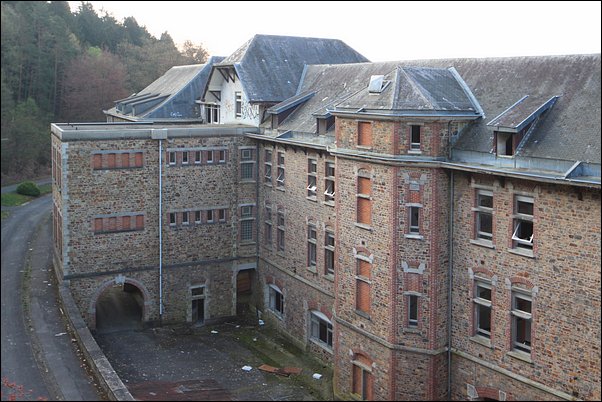
Like the sanatoria built en masse at the beginning of the 20th century, the building faces due south to benefit from maximum sunlight. At the time, the treatment for tuberculosis relied on prolonged sun exposure. Similarly, many sites were chosen for the benefits of nature; here, deep in the countryside near Spa within the immense High Fens (Fagnes) estate, it is clearly a haven of peace. A unique feature of this location regarding sun exposure is that the entire southern facade is curved. Otherwise, one finds the classic, gigantic terrace designed for lounge chairs.
The idea to establish a facility here was born in 1899, during the peak of the sanatorium boom. It was erected between 1900 and 1903 at the urging of Ernest Malvoz, director of the bacteriological laboratory for the Province of Liège. Thanks to provincial support at the time, the Borgoumont Sanatorium was specifically reserved for workers - a first of its kind. Ernest Malvoz contributed enormously to medicine through his intensive research. The structure is built to last, using Ardennes sandstone and a natural slate roof, reflecting very high-quality materials.
From 1903 to 1941, the sanatorium was inevitably a place of death, as penicillin had not yet been discovered. Few left alive, and the estate is naturally imbued with a profound sadness. It seems surprising that there is no small cemetery attached to the building; neither Cour nor Borgoumont possesses one. From 1941 to 1947, treatments inevitably improved.
Later, though the exact date is unknown, the building was converted into a rehabilitation center and a retirement home. According to rare scattered documents, the site was named "Centre Princesse Astrid La Gleize." To complete the timeline: in 2010, the Province of Liège parted with the building, selling it for a symbolic euro to the CHR of Verviers. Between 2010 and 2013, the site was used by Fedasil to house asylum seekers. In 2013, the owner stopped leasing to Fedasil, and the site has remained abandoned ever since.
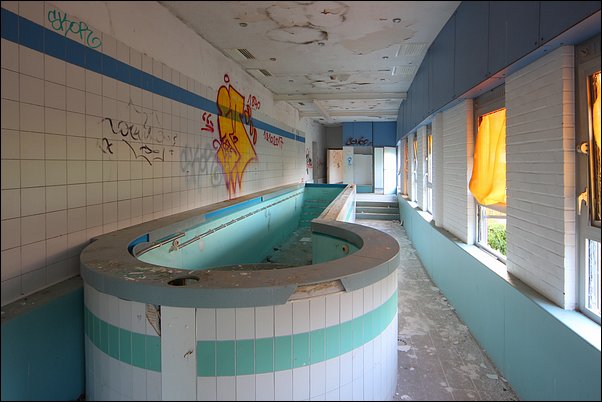
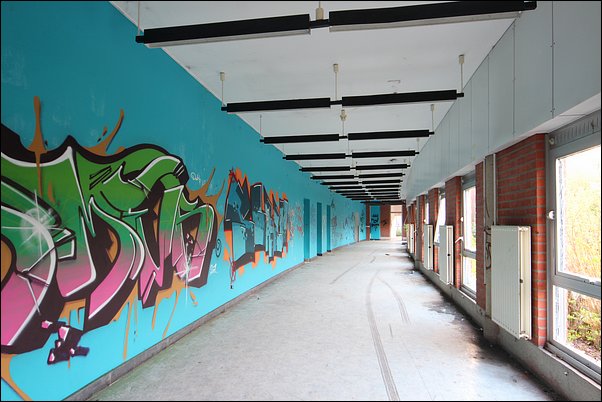
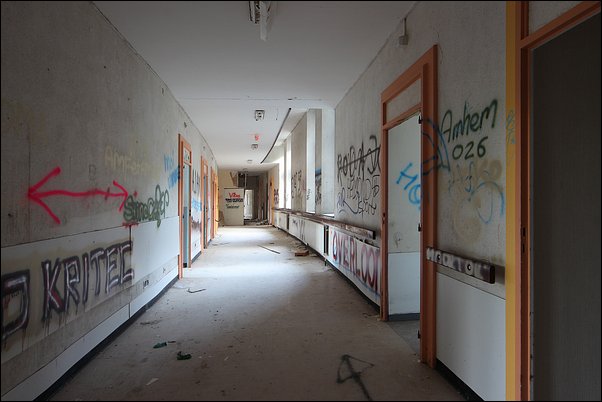
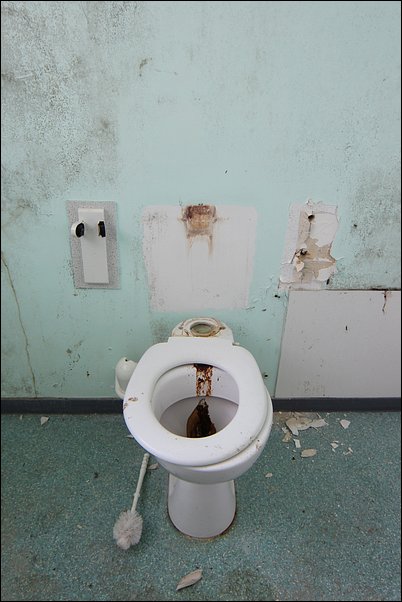
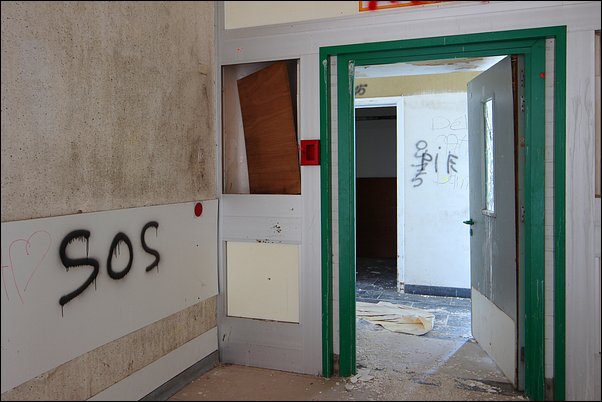
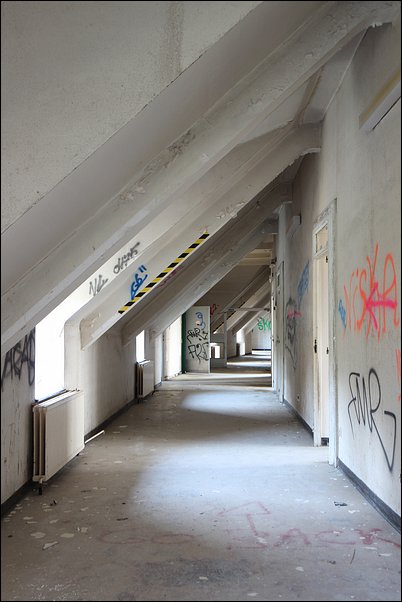
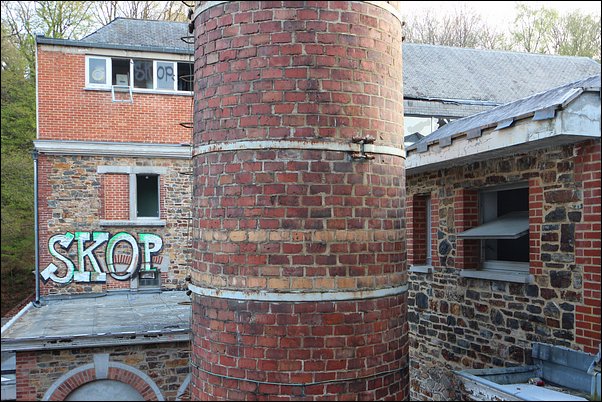
The building is currently for sale for 1,436,000 euros. It has found no buyer due to two major drawbacks. First, the impossibility of obtaining subsidies, as the site can only accommodate 74 beds; 100 would be required for financial subsidies and balance. The Walloon region remains an obstacle. Second, the necessary renovations are massive; no less than 10 million euros are required to bring it up to code. Meanwhile, the building suffers the ravages of the "urbex" world (why bother denying it with your "footprints" talk when I've seen that word tagged hundreds of times in the rooms, amidst piss and shit on the walls?). Given the asking price and the furious vandalism, one wonders if there is still a pilot in the plane.
A few words about the visit.
It is an evening in a splendid April. After a difficult drive (an hour and fifteen minutes of traffic at Hingeon due to an accident), it is a great joy to finally reach the destination. I was initially aiming for a night under the stars at the Bérinzenne estate, but I quickly realized it was neither the time nor the place. Delinquents were shouting along to trash rap. Granted, as far as I know, that place is designed for such things! Anyway, let them enjoy their evening; I'll go enjoy mine - somewhere far away.
I take a forest path and head into the Fens. It is 9:30 PM; darkness invades the woods, and a deer watches me from afar. Very quickly, I find the perfect spot, a clearing among the spruces (Dessus le Sousseu, Malchamps Fen). The ground consists of sphagnum moss; it is royal. My bivy bag saves me from any worry, even though the ground is damp. No tent, no tarp - tonight it's the open air! I am immediately struck by the infinitely deep silence of the forest. There is no wildlife making itself known, no one complaining. It is curious and unusual. Then, naturally, sleep takes me.
The night was cold but incredibly pleasant. After a hearty breakfast, I head toward the sanatorium from Cour. I certainly won't pass in front of "Les Heures Claires" (the nursing home) like everyone else. Why risk worrying an insomniac elderly resident? Not I. Instead, I take the paths and the forests. Through the woods, no one will see me. Approaching the site from the back allows it to reveal itself bit by bit.
It is 5:40 AM. I record the birds waking up. In the distance, a cuckoo calls methodically, finches are out in force, chiffchaffs are unperturbed, and blackbirds are already at work. The sanatorium is vast. In the park's grass, car tracks have left deep ruts: do they really drive all the way here just to vandalize? A forester has since laid trees across the road. Problem solved.
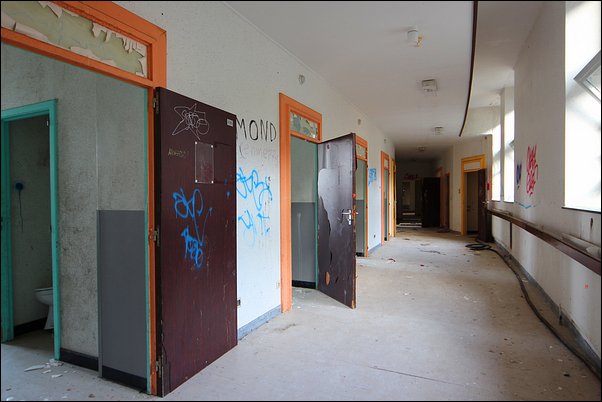
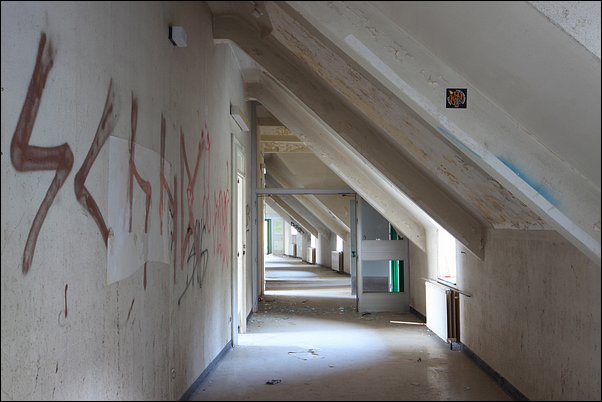
The visit is melancholy. Everywhere is that smell of stale, moldy, rancid air - a very sticky scent that stays with you for hours, sometimes days. I call it the "urbex smell"; it's quite specific. Often, I think to myself that this building has frozen people's misfortune in time. The walls breathe suffering, especially the terrace. I leave by the same path. Calves call for their mothers. Down below, local residents are about. I know they struggle with the rave parties. It's a non-stop party, which must be unpleasant in such a small village. They catch me feeding grass from the ditch to the goats, who are living their very best life.
As I leave, the blackbirds are singing. Soon they disappear into the thickets, searching for worms. Shortly before 6:00 AM, the finches take over, though not without a fight, as heard in their shrill cries. The end of the recording takes place under a blackbird's nest; you can hear the parents coming and going, the rustling of wings, and the squabbles of the fledglings.