The hangman's underground mine
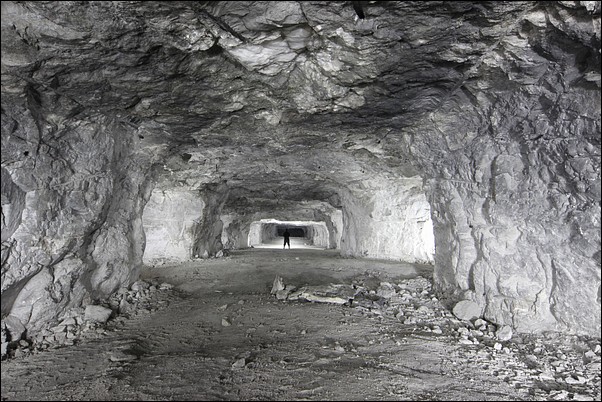
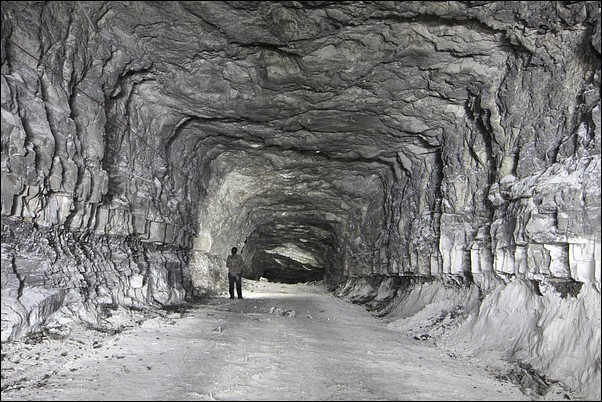
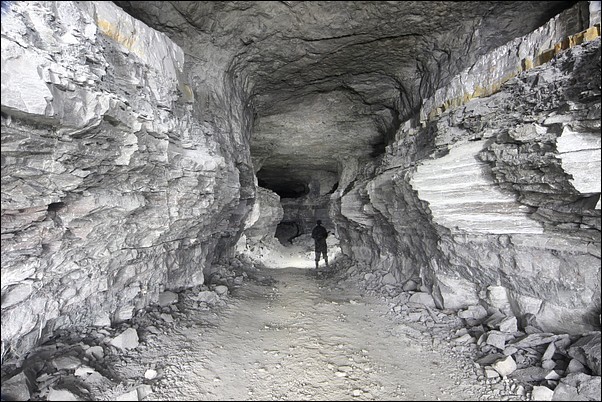
This is an underground gypsum mine located in the Jura region in France. "Immense" would be the keyword; within this inextricable labyrinth, there is never a single moment where you feel you've reached the end. It is astonishing, almost staggering, nearly paralyzing. At a certain point while progressing through this empty maze, the mind can no longer even construct a mental map. It isn't fear - we are organized - it is a psychological weight: a feeling of being overwhelmed.
The large official entrance features a curious concrete hump. This concreting leaves no possibility for climbing. The unofficial entrance most likely stems from an old ventilation shaft. It is hidden by a sheet of metal and covered by both plating and foliage. Without specific knowledge, it is dreadfully impossible to find. Fact is, that suits everyone just fine.
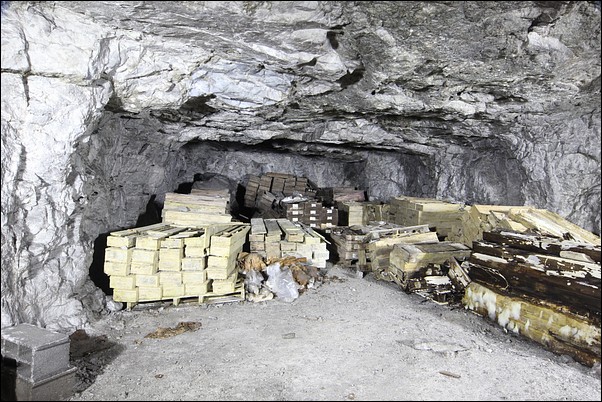
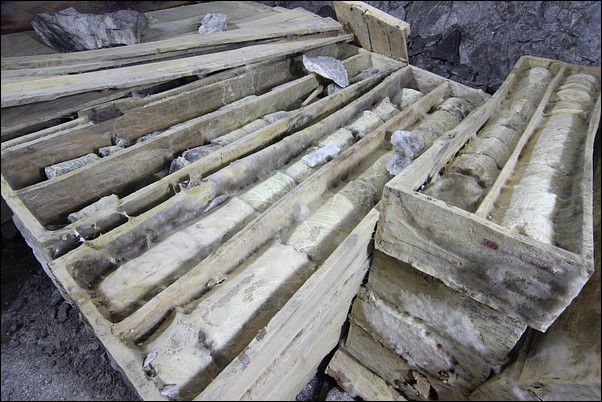
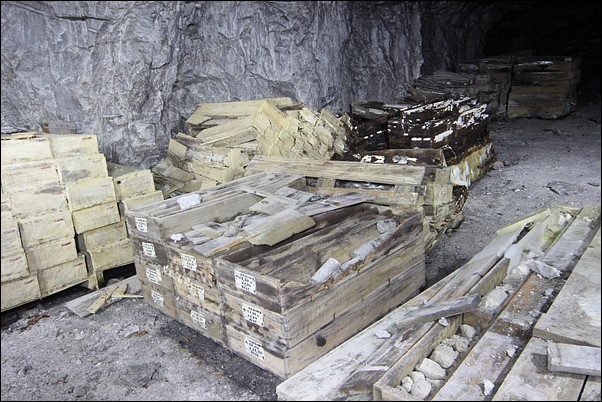
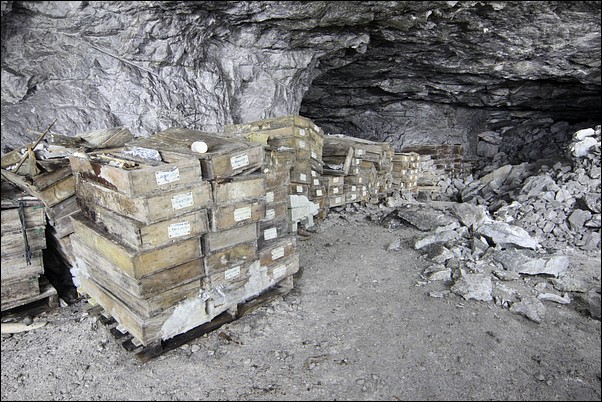
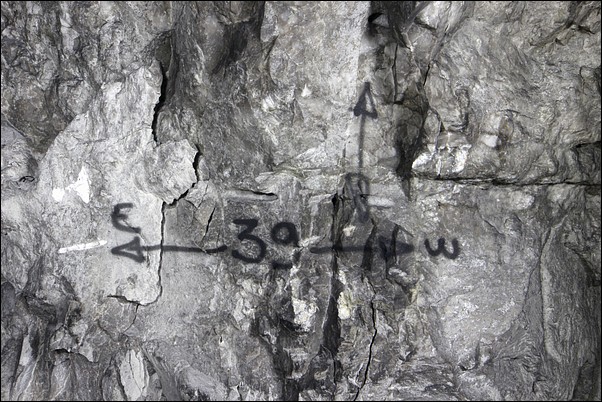
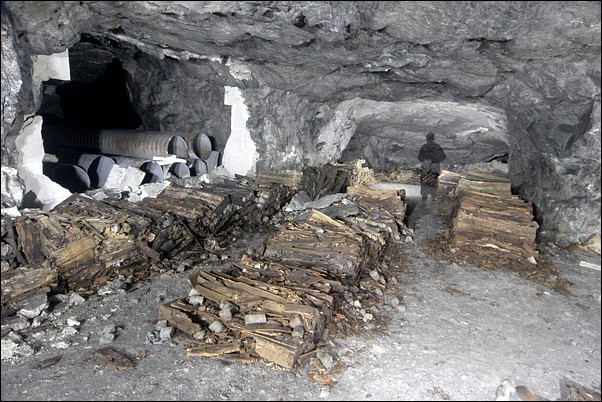
This gypsum quarry is of vast proportions in terms of gallery length. Calling it "infinite" is hardly an exaggeration. According to the operator's old, obsolete reports, the network is thought to form a grid of 200 kilometers of various and diverse tunnels. One might almost believe it is even more in reality. The beginning of the route is dotted with a large quantity of core samples in wooden bins. They are moldy and look like Fourme d'Ambert cheese.
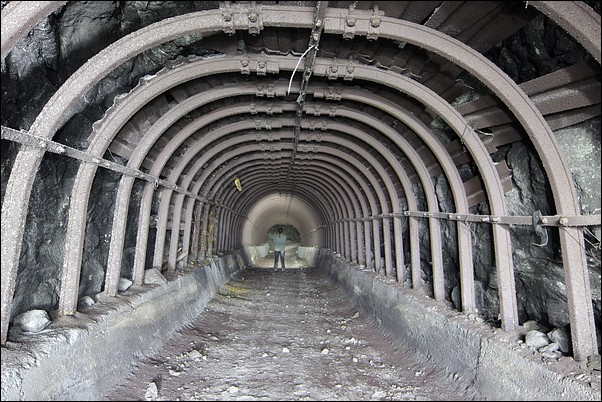
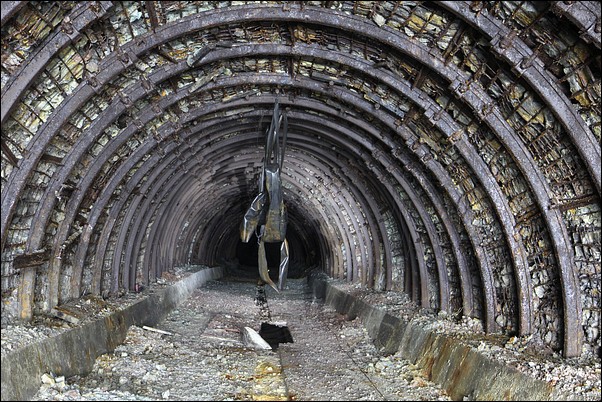
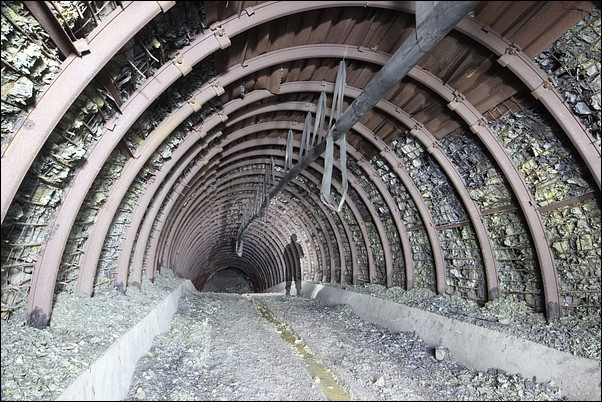
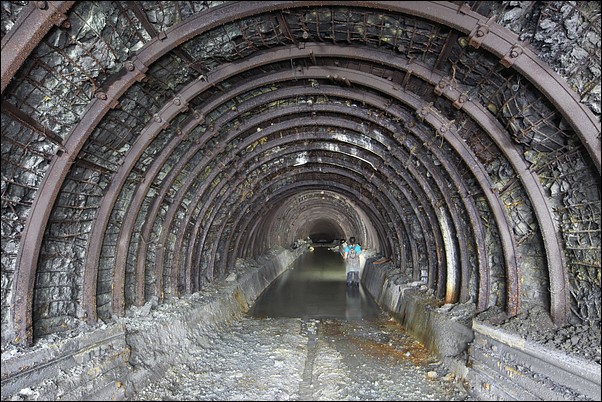
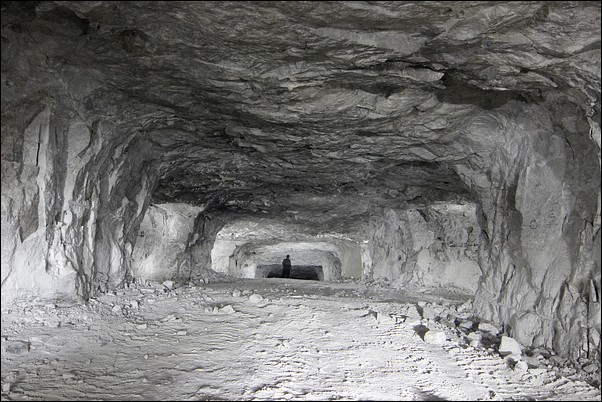
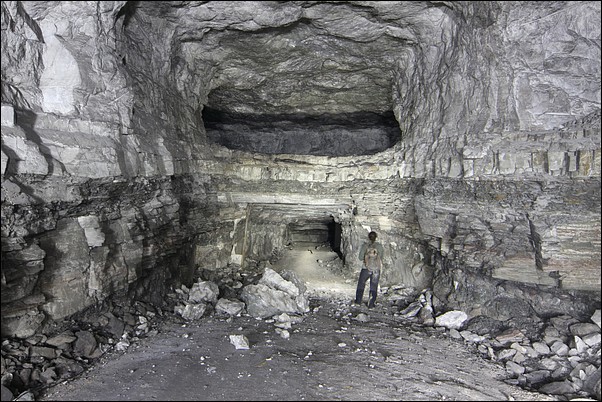
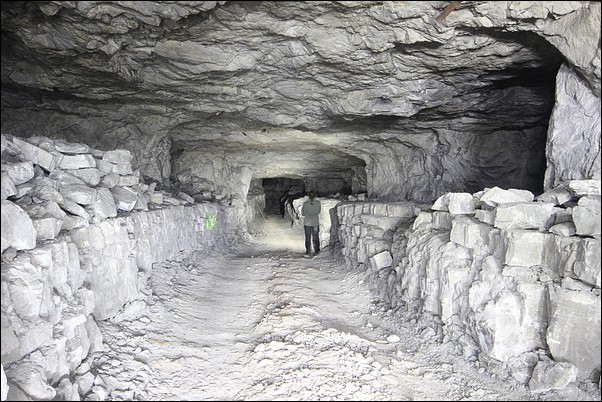
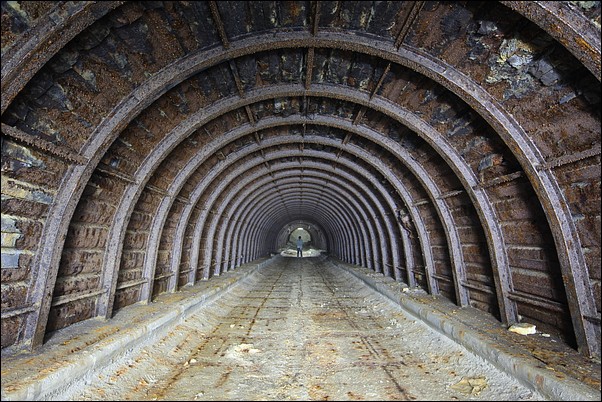
From a simplified perspective, one could say there is a section that can be described as very modern and another older, somewhat degraded sector. On the whole, the galleries are extremely empty, except for the occasional arched tunnels or a few faint vestiges. The modern sections, in particular, give a terrible and oppressive sense of infinitude. Without ever being able to truly reach an end (new stretches reveal themselves constantly), the monotony is almost crushing; yet, it remains a pleasant and intriguing underground site. There are a great many variations in floor levels.
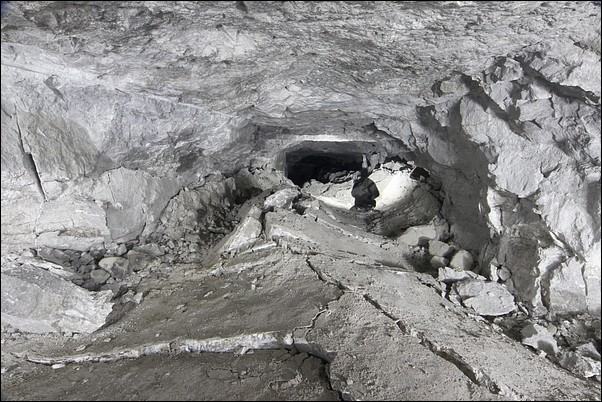
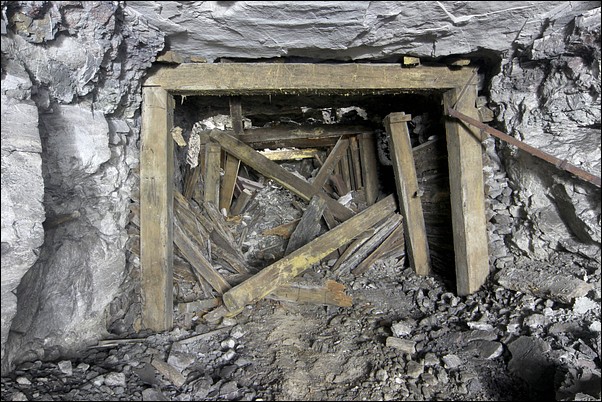
After a fair amount of wandering through these modern quarters, the old sections prove to be more interesting. The atmosphere there is a bit less "trucks and heavy bulldozers," with more variation in the appearance of the tunnels. The trade-off is that some areas are degraded. We observed some serious roof peeling (décollements de voûte). At the very back of the back, one would expect to find an old entrance, but no, nothing of the sort. On the way back, we briefly visited a lower-level working, but it is heavily damaged everywhere.
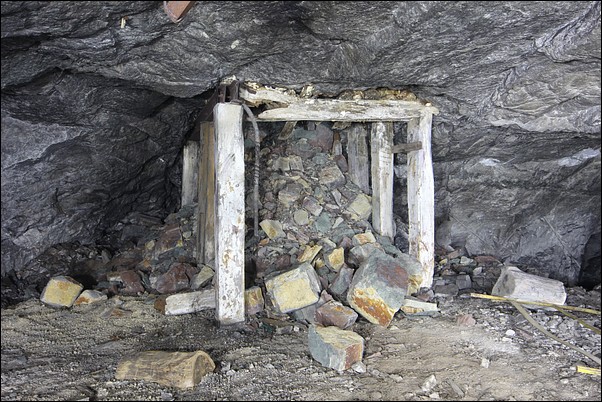
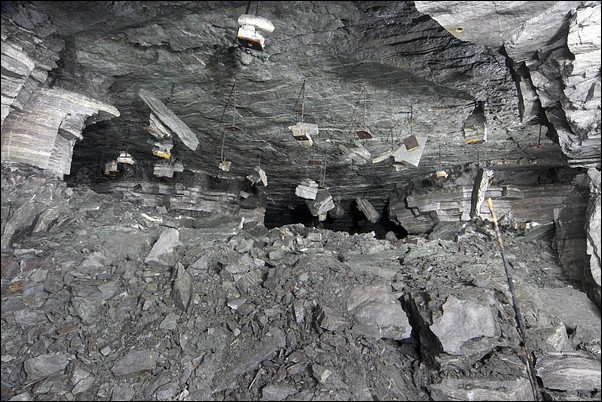
Returning, we found an old subsidence measuring station, partially dismantled. Nearby, a floor heave (soufflage) created an impressive "teepee." The ground, compressed laterally, rose up and vomited into the shape of an Indian tent. A floor heave in a mine gallery occurs where the pillars exert horizontal stress on the floor which, fractured by the pressure, ends up forming a tent shape. It can sometimes touch the ceiling, or, of course, the whole thing can collapse. Time passes; outside, nightfall is likely waiting for us.
Once outside, a heavy storm, opaque with threats, looms in the distance. This underground site will remain largely mysterious, suggesting a lack of historical data and testimonies from former workers. Nevertheless, it is anchored deeply in the memory as a place of asphyxiation; proof that gigantism also has the power to induce vertigo. In a way, it is truly the first time.