Urban Exploration - The Artoire underground aqueduct
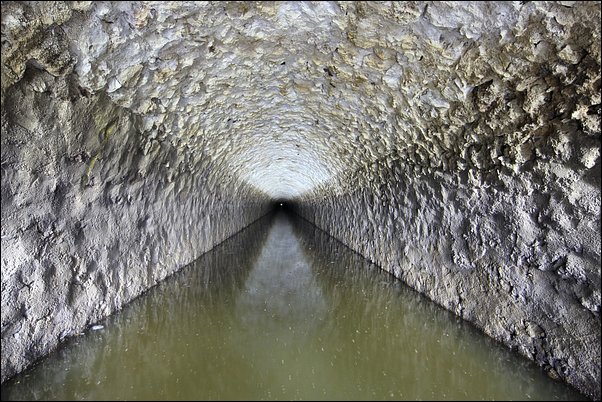
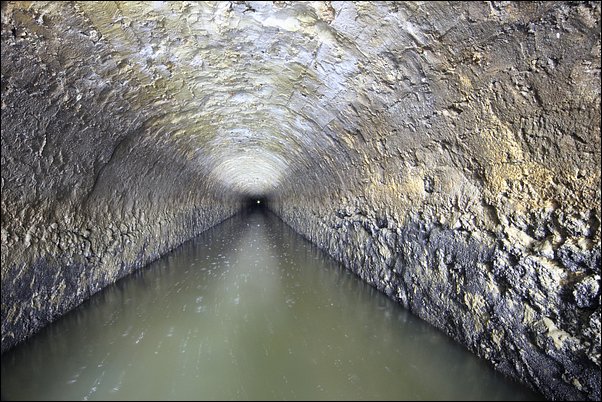
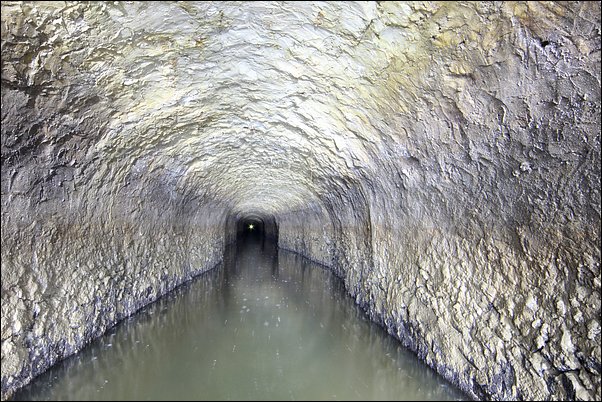
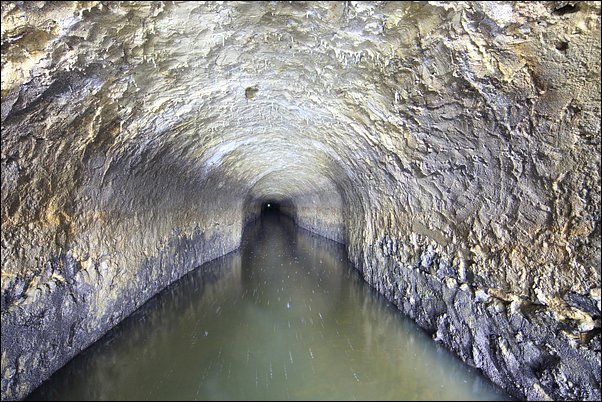
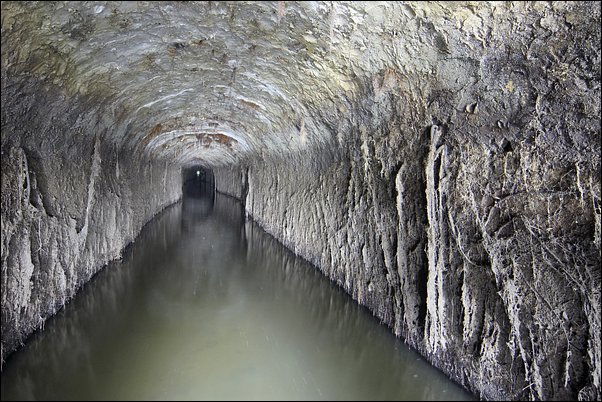
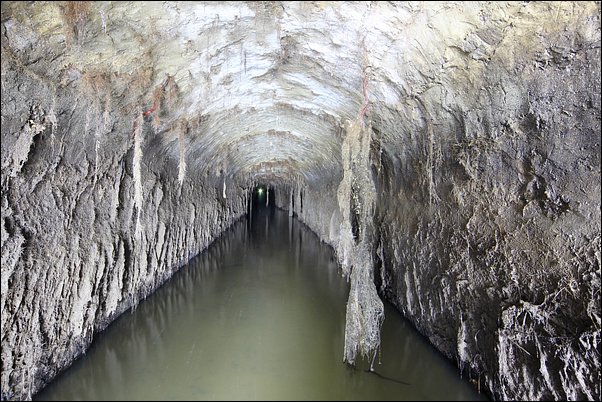
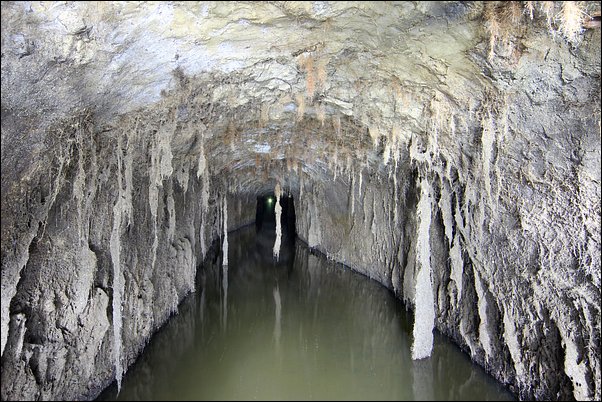
This photographic report is a study of the Artoire aqueduct, located across the territories of Le Perray-en-Yvelines and Les Essarts-le-Roi. Before this documentary, the site was a true terra incognita; while a few historical fragments are fairly easy to find, any written account of an actual visit to the tunnel was completely non-existent. Consequently, anything was possible: wall-ins, total flooding, or simply a lack of interest.
Prior to detailing this incursion, I must issue two important warnings:
Stagnant waters. The mud level is significant. Walking through it releases colossal amounts of methane. Beware: this is an explosive gas; visiting without ATEX-rated equipment is dangerous.
Bat colonies. The tunnel shelters opportunistic bats in autumn and a major nesting colony in winter. Any visit during these periods is problematic, especially since they have nowhere else to "crash" in the Paris region. While bothering a guard is a personal choice, endangering bats is everyone's business.
The Artoire aqueduct is a Vauban structure, born from the megalomaniacal delusions of King Louis XIV. It is part of a dense network of open-air channels designed to collect rainwater from the Saclay and Rambouillet plateaux to feed the fountains of the Palace of Versailles. It is the same kind of architectural madness that led to the construction of the Maintenon aqueduct.
Within a complex mesh of channels - many of which are referred to as aqueducts - the Artoire is an underground structure ensuring the transit of water from the Saint-Hubert pond toward Saint-Quentin-en-Yvelines. Following a staggering and fabulous route through the Mauregard aqueduct and the "River Bed" (Lit de Rivière), the water flows toward Versailles. The Artoire is not the only such structure, but it is certainly emblematic.
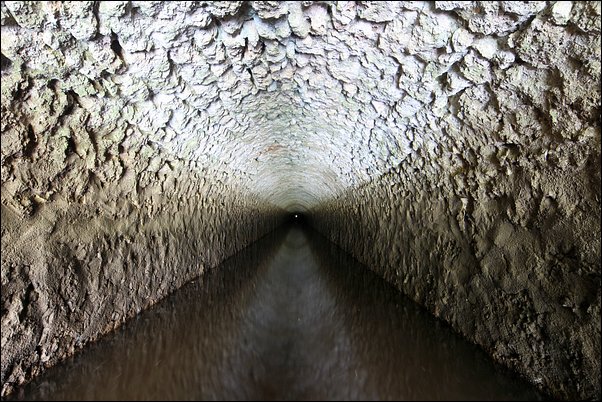
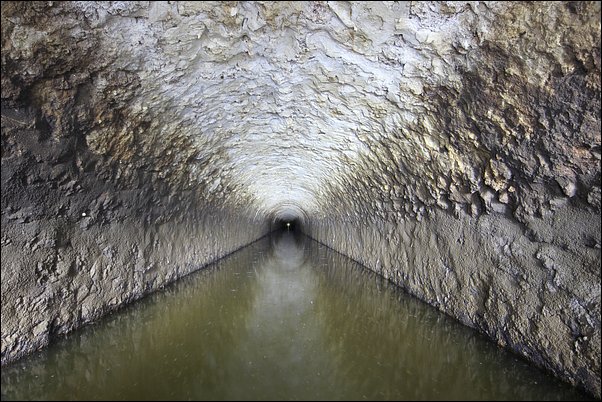
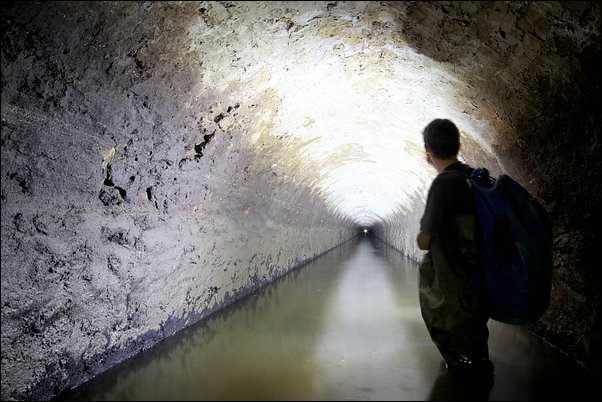
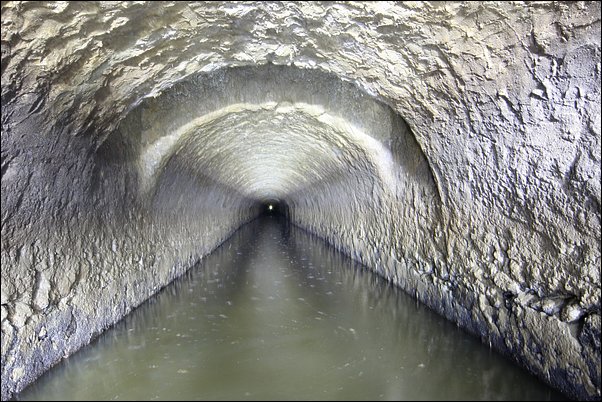
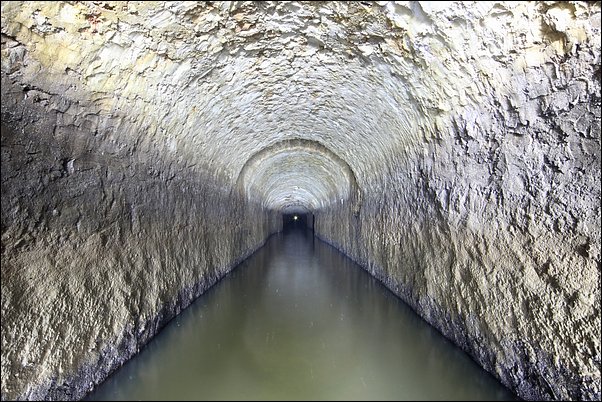
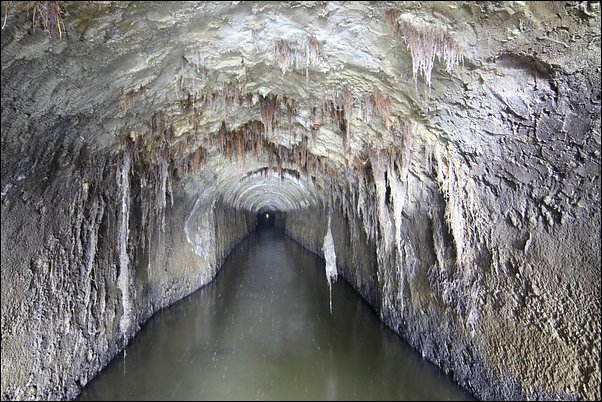
The tunnel is carved into the chalk and spans a length of 1,900 meters. In reality, this length is somewhat difficult to estimate due to a few slight curves, though these remain modest overall. Some authors suggest 1,875 meters. One might think this place is abandoned, but that is certainly not the case. It has, in fact, been entirely repointed. Hats off to the workers who had to operate under such conditions. The gallery is equipped with a dozen inspection manholes, all of them ancient. The journey is not particularly easy, partly due to the mud and partly due to the aforementioned gas fumes.
A very special shout-out to the frogs, who all jumped into the water at the same time without warning! To say it was a jump-scare would be an understatement!