Urban Exploration - The Carbon Plant
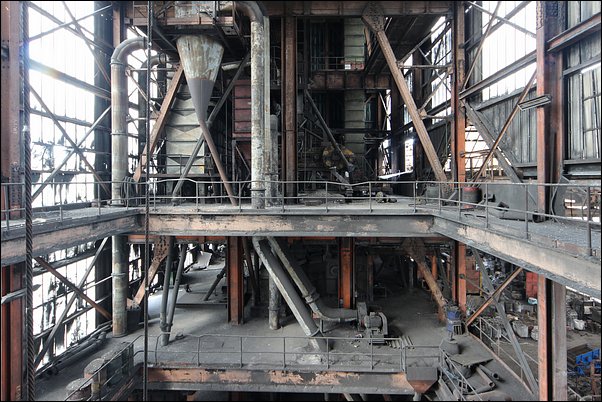
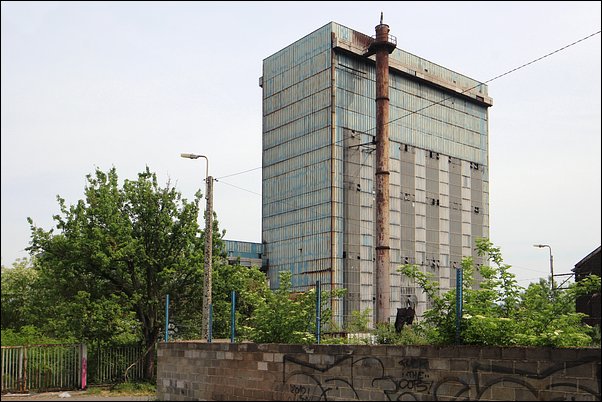
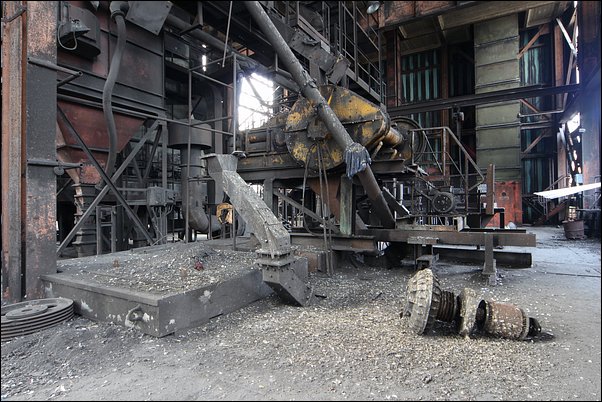
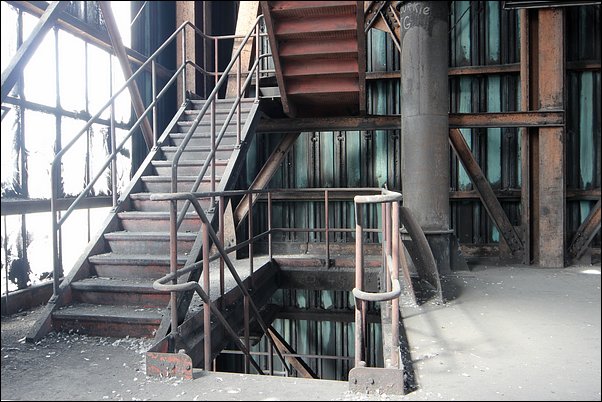
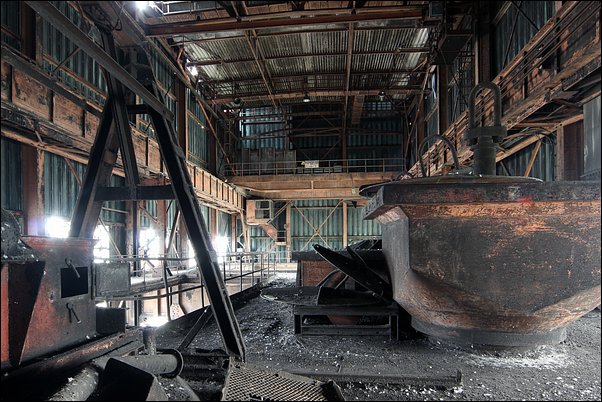
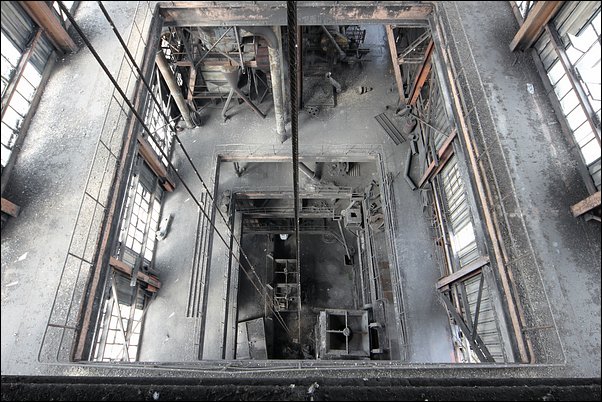
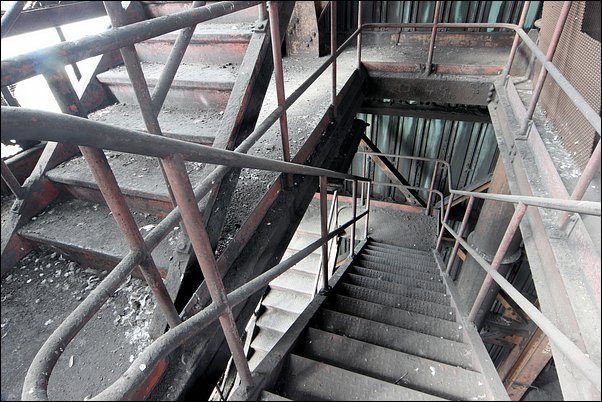
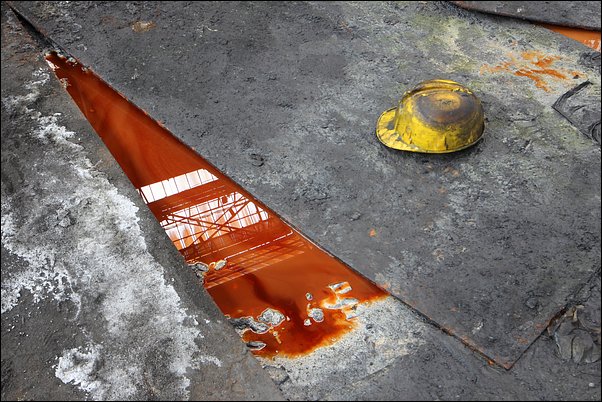
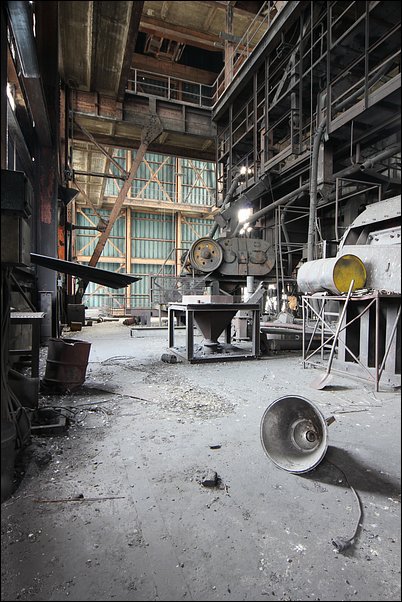
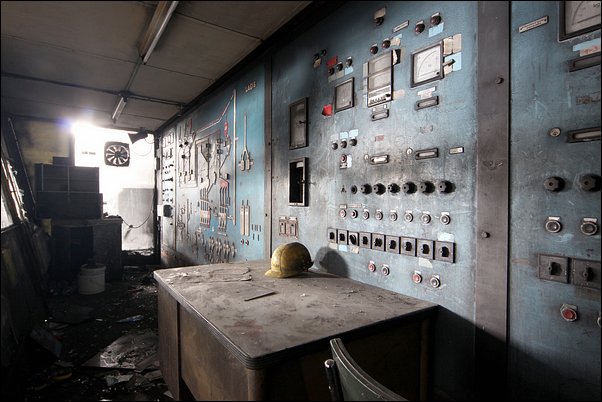
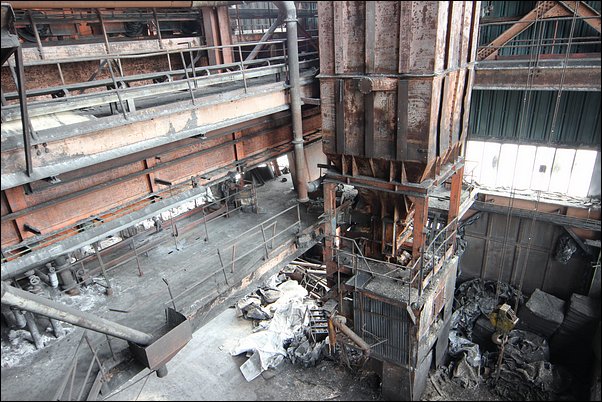
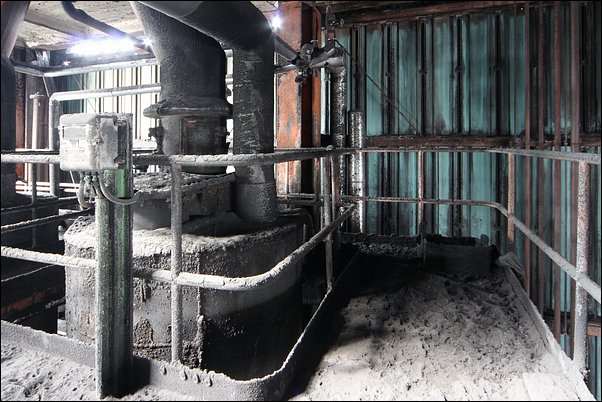
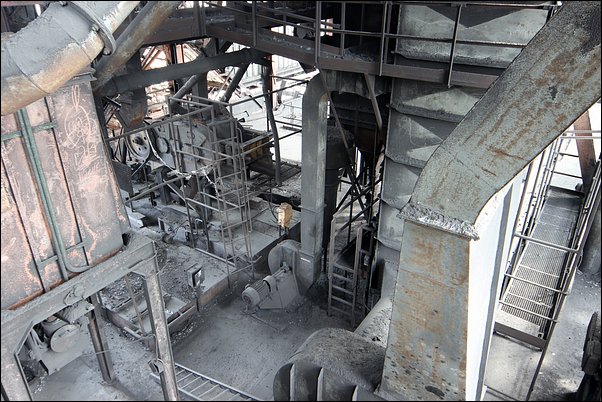
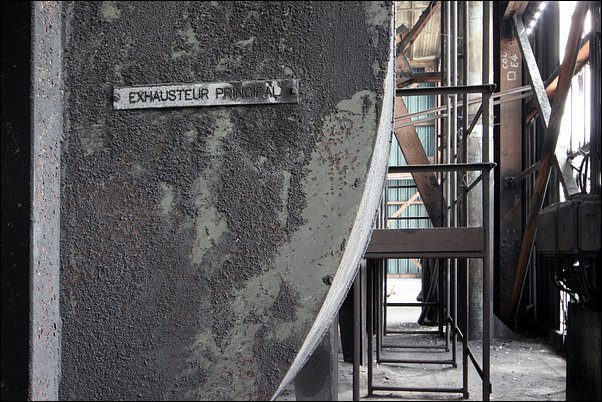
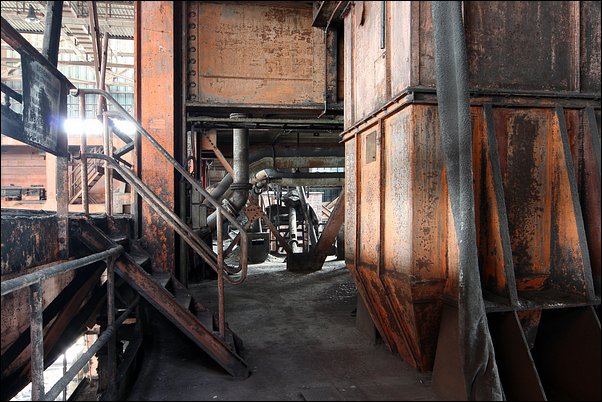
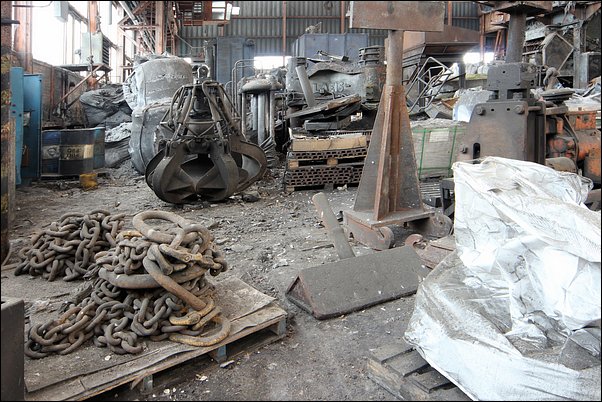
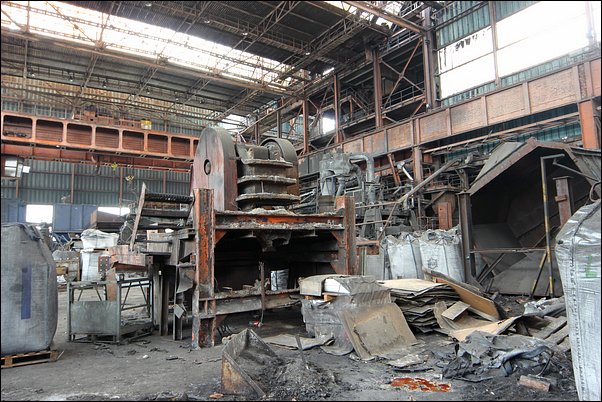
This facility, known as the "Carbon Plant," is the former BOMA site in Seraing. The establishment has since been razed. I didn't feel any particular connection to the aesthetics of the place. With shattered windows, torn cladding, grimy black dust coating the structures, total disarray, and devastated machine tools, visiting this site was far from a "love at first sight" experience.
As incongruous as it may seem, the factory site was actually a cemetery back in 1865. The remains were relocated - poor souls! Later, the site was repurposed for coal screening to feed a blast furnace. This operation has been at a standstill for many years.
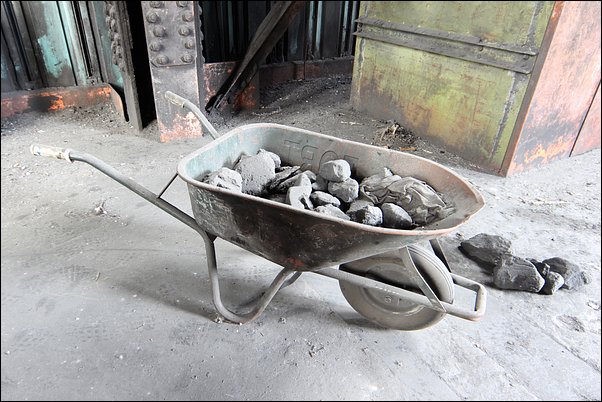
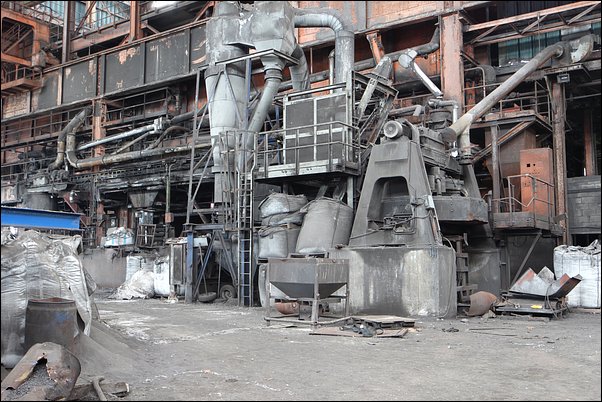
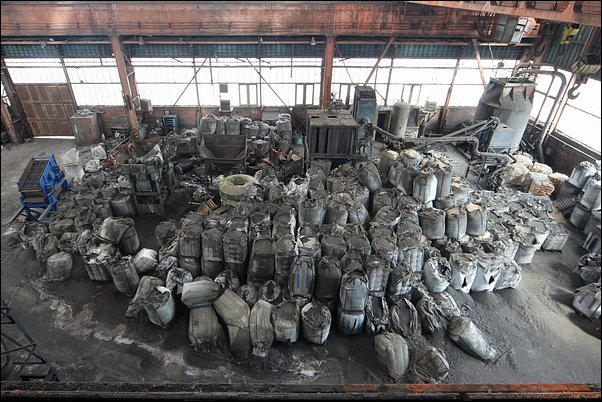
The plant was a hybrid facility, part semi-metallurgical and part waste treatment. In steel and glass factories, carbon deposits form on the refractory bricks of the furnaces. Through complex milling processes, these undesirable materials are removed - particularly in blast furnace and coking plant operations. These by-products cannot remain on-site, so they are sent for processing. The factory visited here handled the crushing of these carbonaceous materials, packaging them into big-bags, and shipping them out.
A cleaning phase does exist, although, in reality, graphite is usually formed under relatively pure conditions. No chemical transformation occurs during the graphite recycling process. The materials are purified, processed into pellets, briquettes, or powders, and then sold. This is what is known as synthetic graphite. The primary issue with this type of process lies in the crushing stage, as it produces massive quantities of micronized dust.
The main application for synthetic graphite is its sale in powder form to foundries to increase the carbon content of molten steel. For use in coking plants, the graphite is pelletized into small calibers - a process called granulation. In the factory I visited, I simply couldn't identify this pelletizing stage. It should be noted that the use of graphite in coking plants is somewhat secondary.
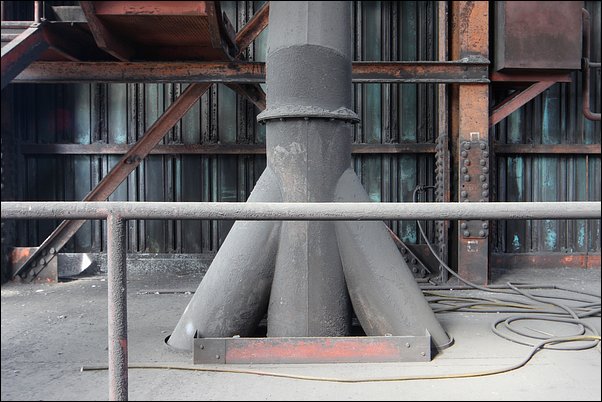
The factory's structure is in such a state of decay that it was virtually impossible to identify the machine tools. Due to an absolute surplus of graphite, combined with a globally stagnant steel industry and a slow-growing automotive sector, the factory has no future other than demolition. Situated within a ravaged metallurgical consortium in the heart of a residential area, it's easy to see why no other path forward was possible.