Abandoned factory - The coal washery
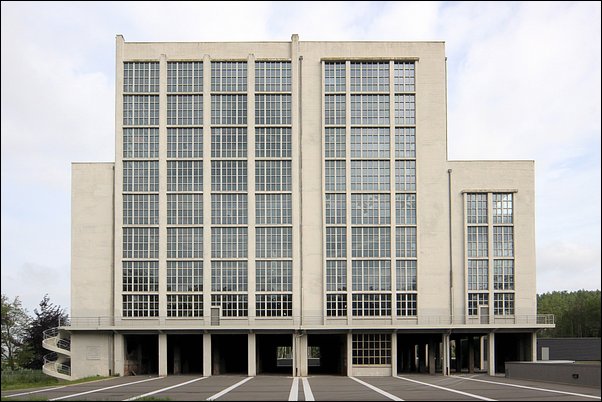
In Belgium, the Péronnes-Lez-Binche coal washing and sorting plant is a decommissioned industrial facility located along the National 55 road between Binche and Le Roeulx. This building is extremely well-known as an exemplary witness to "Grand Travaux Inutiles" (Great Useless Projects). It is, in a sense, an industrial structure plagued by extraordinary bad luck almost since its conception - a series of facts we will explore further. The following photos supplement visits conducted in 2002, 2004, and 2007.
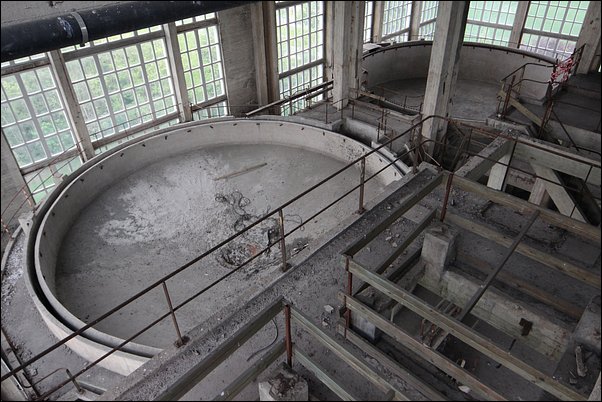
A coal washery is an industrial building designed to sort coal from shale. When extracted from the mine (particularly in more recent extractions using shearer-loaders), coal contains a large number of impurities, primarily shale. The coal is separated from these rocks through flotation. The mixture is immersed in a liquid of intermediate density: the coal floats while the shale sinks. This is the "sorting" function. Next, the coal is rinsed to remove the dense liquid - this is the "washing" function.
Following this process, a second sorting stage occurs. The coal is poured into a "drew boy," which is a screening machine. The coal is sorted by size and sold in grades corresponding to industrial demands. The coal dust, also known as schlamms, is destined for thermal power plants.
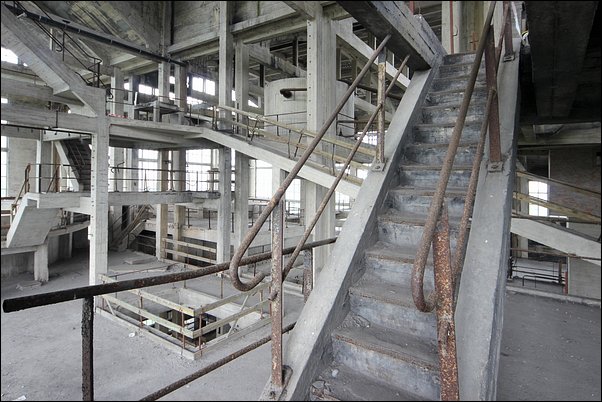
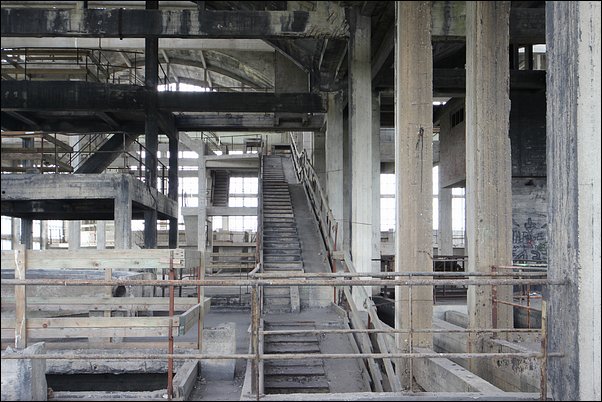
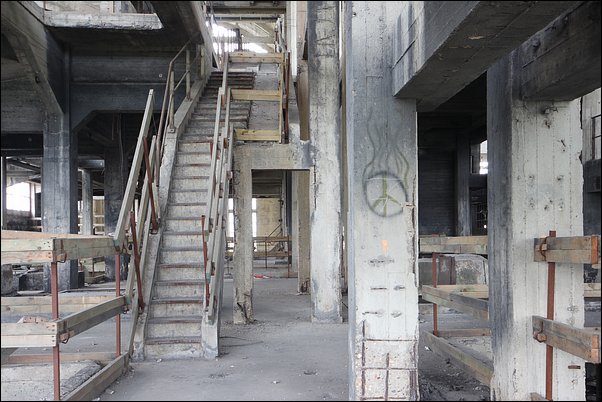
The Péronnes washery was built in 1954, thanks to Marshall Plan funding. A commemorative plaque located near a spiral staircase describes how the building was erected through the generosity of the American people. It is a massive cube measuring 30 meters wide, 34 meters long, and approximately 30 meters high.
The facility had the capacity to process 3,000 tons of coal per day. A conveyor - now dismantled - brought coal directly from the Saint-Albert pit in Ressaix. In 1969, said mine pit was closed, rendering the washery immediately useless and forcing its inevitable shutdown. The industrial site had only operated for 15 years; this was the very beginning of its "bad luck."
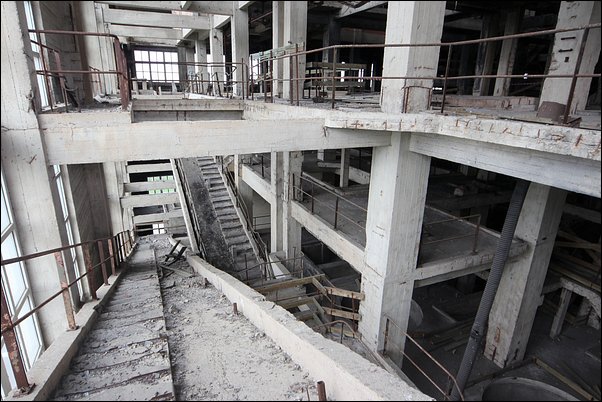
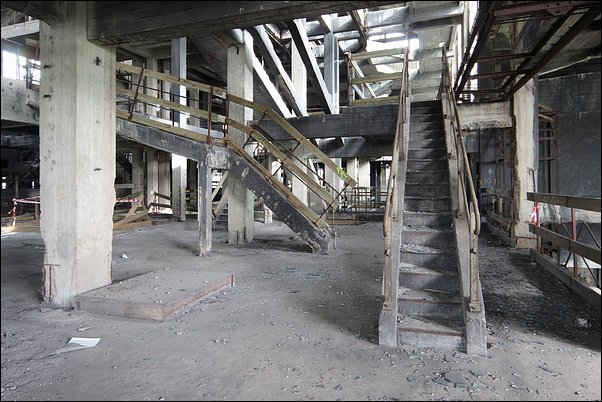
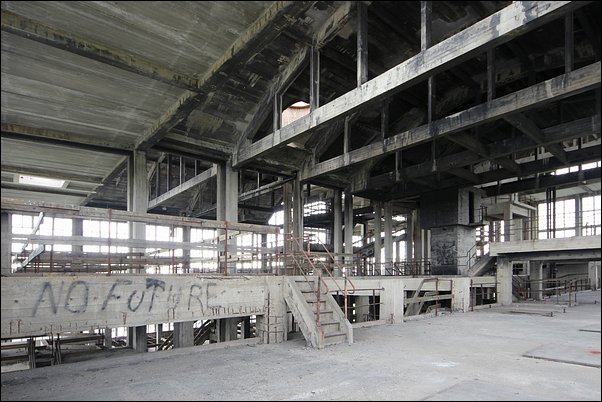
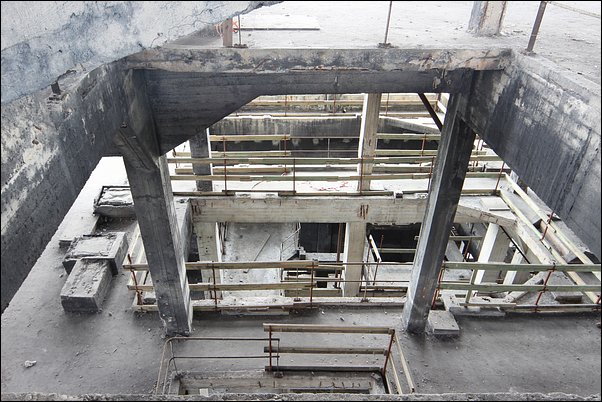
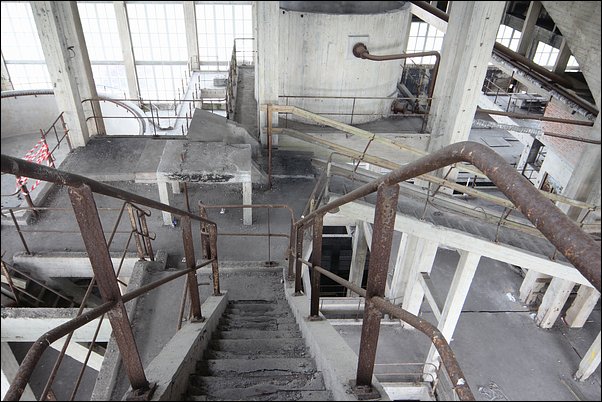
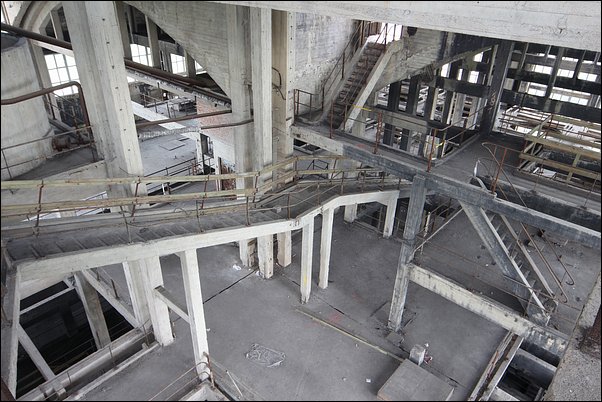
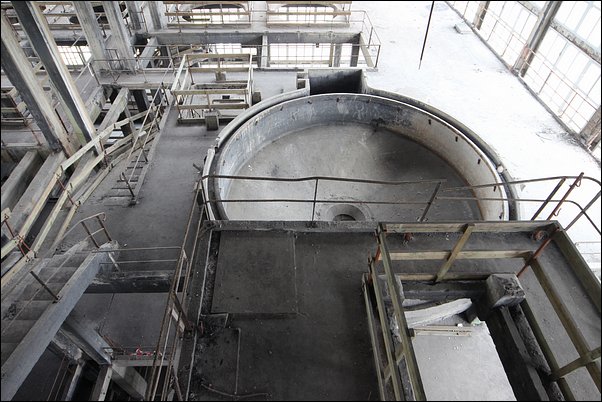
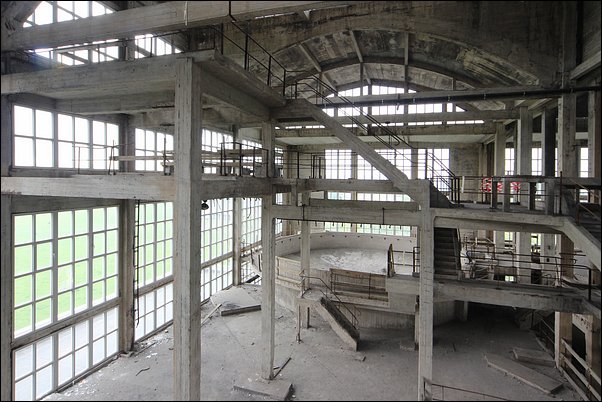
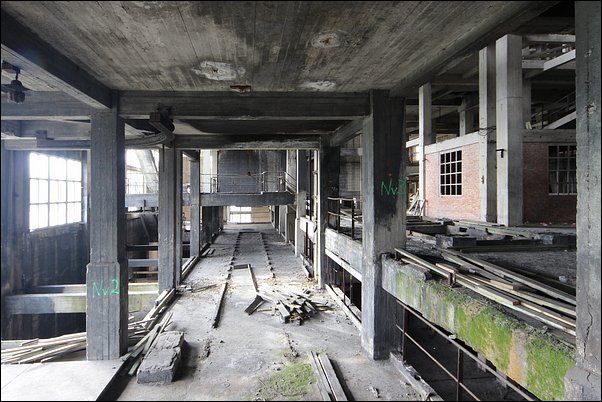
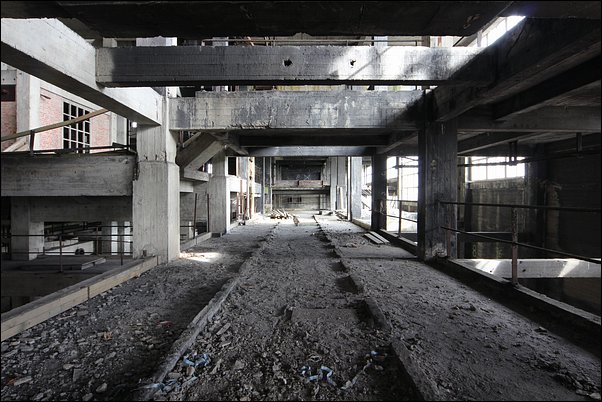
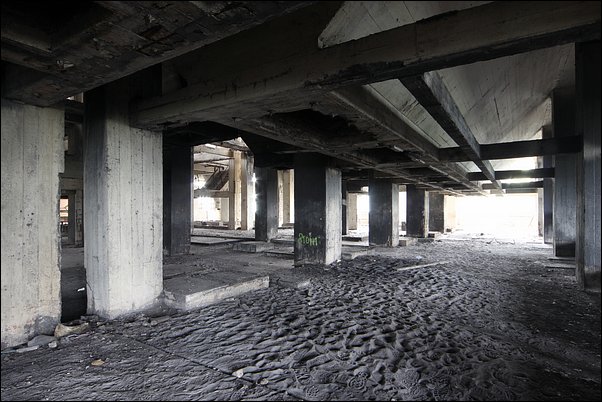
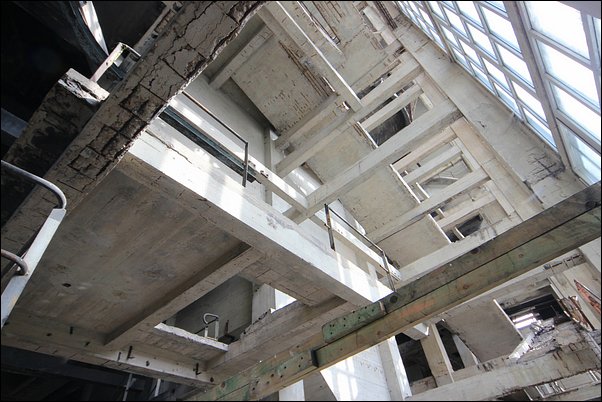
Immediately after the closure, the metal equipment was extracted and scrapped. A very long period of abandonment began. Vandalism followed shortly after. During our 2002 visit, nothing remained but a gigantic concrete carcass stained by coal. Not a single window pane survived, and in many places, the rusting rebar had caused the concrete to burst.
Threatened with demolition in 2000, the site was finally listed as a historic monument on May 15, 2003, ensuring the protection of its structure. Around this time, on May 18, 2003, the pop star 'Alizée' filmed her memorable music video "À contre-courant" there. Provided one has earplugs, it is quite easy to recognize the industrial structure of the era.
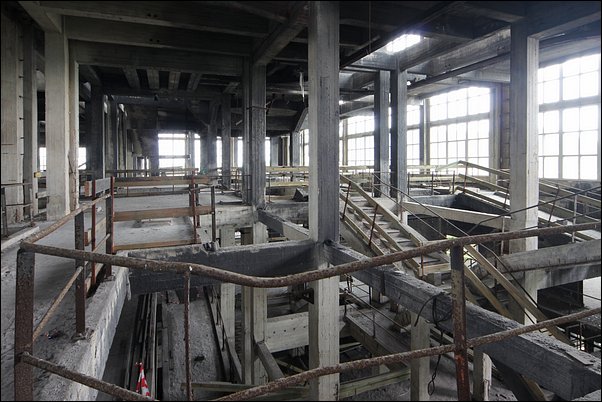
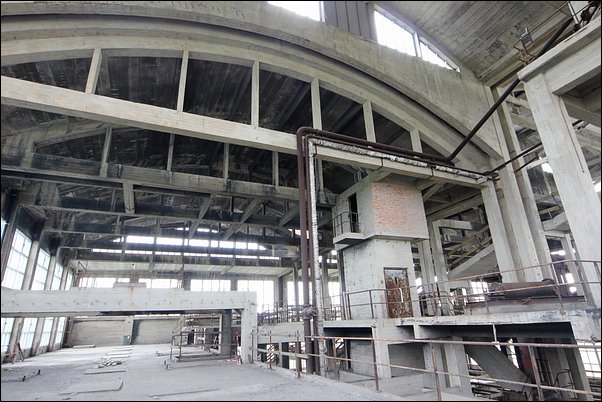
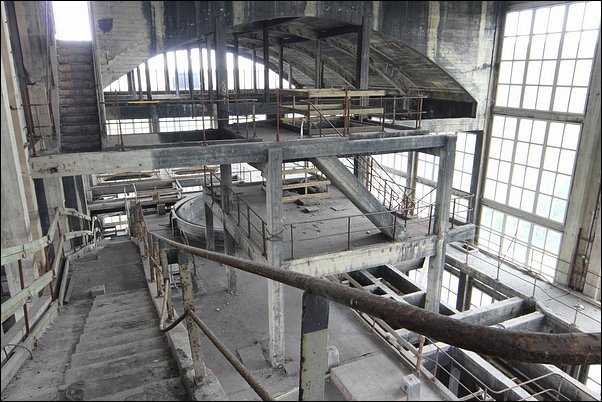
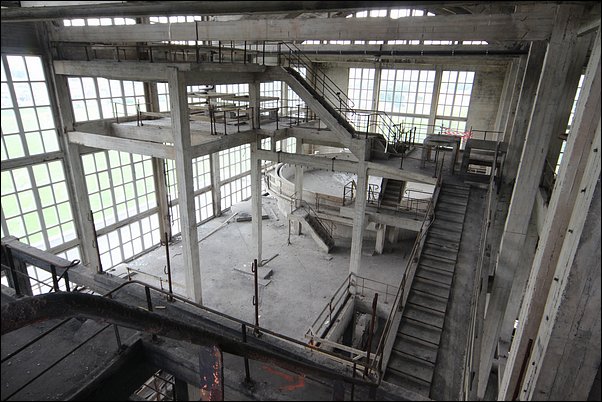
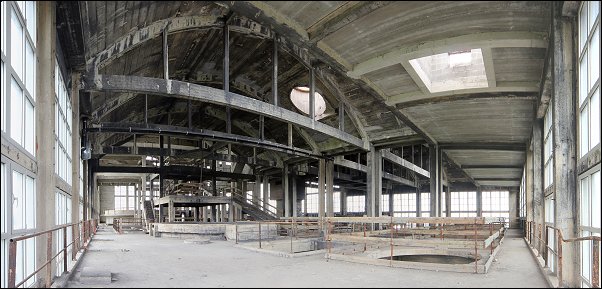
Gradually, a renovation project emerged. This led the Walloon Region to initiate works in 2005. The exterior shell was fully restored: the concrete was shotcreted, and the site was entirely repainted. The window openings were renovated and fitted with double glazing. The interior structure, however, received no modifications other than general cleaning and the securing of walkways with wooden planks. The building's mad design required the installation of over 3,500 square meters of glass roofs.
However, this renovation bogged down and ultimately resulted in failure. Initially intended to store core samples for the Belgian Geological Survey and fossil collections, the project shifted toward housing the State Archives. This was the most publicized plan. Yet, the interior proved too complex to adapt due to its irregular layout. A large part of the project was abandoned. To date, only a semi-underground annex building is functional. Another project aimed to establish a center for arts and design, but it ended in total failure.
The site is not without a project today, but no details regarding its nature have leaked. The interior of the building has been de-listed, which inevitably places it in a danger zone. The site has become such a regional political catastrophe that concessions must be made. Many heritage defenders are worried, which is entirely logical.
Today, the site is enclosed and guarded. However, gaping openings have allowed pigeons to enter, particularly through the glass roofs on the terraces near the roofline. The birds break the glass by flying into it, leading to significant degradation akin to vandalism. And yet, it is only the birds, and certainly not stones. In fact, there are no stones left.
This infrastructure remains a highly exceptional feature in the increasingly rare landscape of coal washeries - others, like Les Chavannes or Beringen, are also gradually threatened. From a photographic perspective, it is a stunning web of concrete, perpetually backlit by the enormous glass walls. There is no situation more difficult to manage from a photographic standpoint.