Urban Exploration - The Old Forgotten Forge
We received photos from a traveler and compiled them into a historical summary.
Today, we embark on a visit that is nothing short of exceptional. This is a former factory for agricultural tools - a true witness to the Industrial Revolution. The premises are typical of an English-style establishment; you find an extraordinary armada of machinery here. It takes very little imagination to conjure up the gray skies of London: the smog, the rain, and the dense plumes of reddish-black smoke.
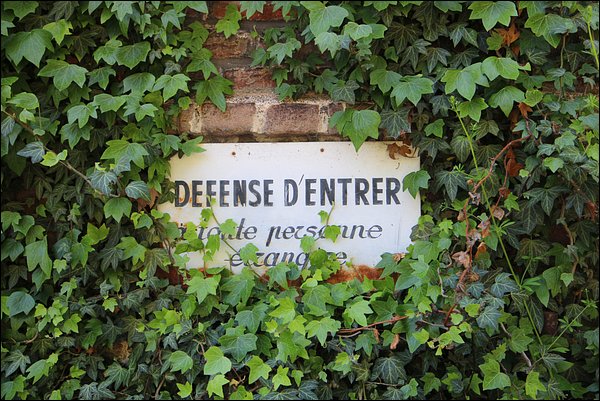
The location of this site will not be disclosed for two reasons. First, as one might expect, to protect this heritage. It is extremely rare to come across something of this caliber; we have only ever seen this quality at the Boël bolt-works in La Louvière. That speaks volumes about its rarity. The second reason is far more troubling: the industrial complex is highly dangerous due to its current occupation. Without going into further detail, I hope we understand each other. If you recognize the place, do not ignore this second warning.
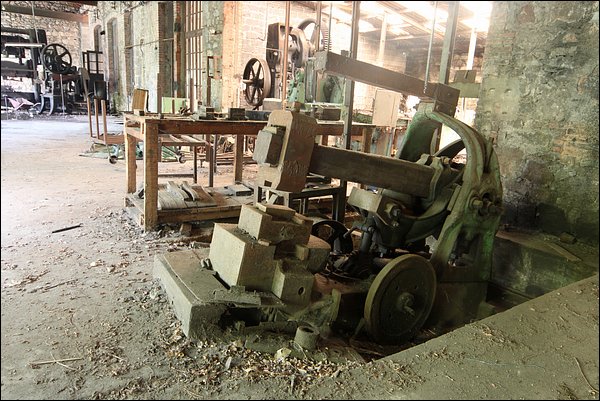
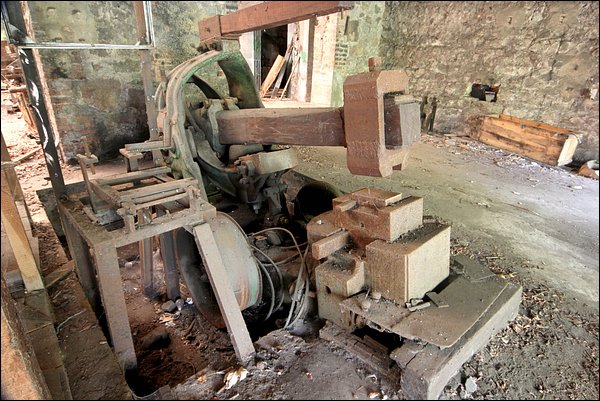
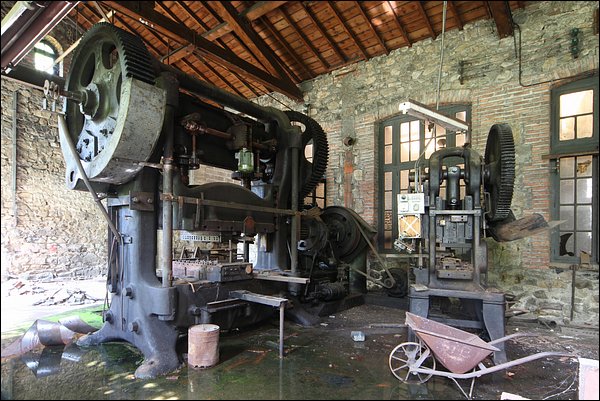
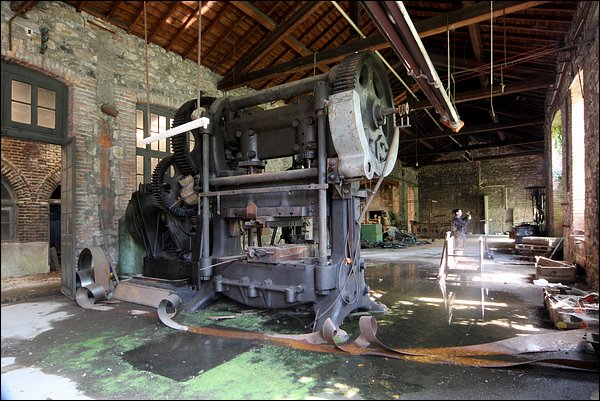
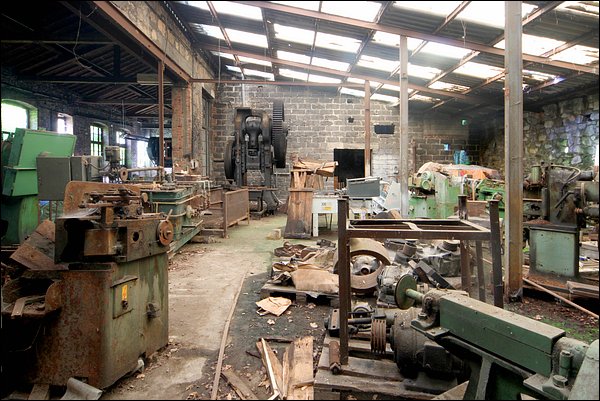
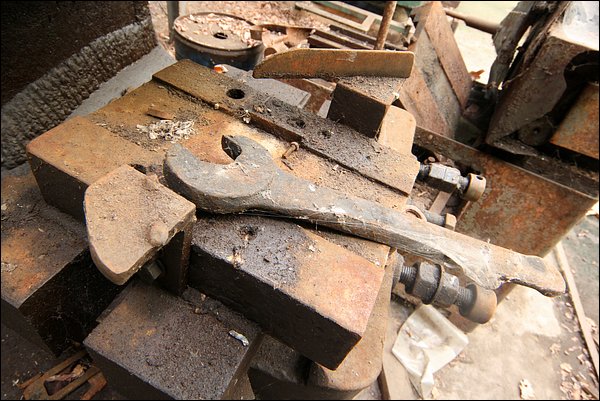
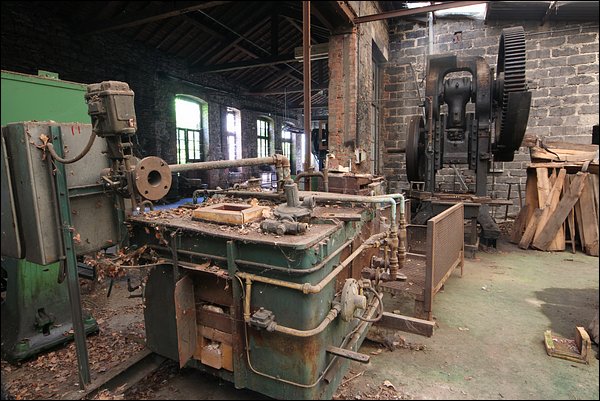
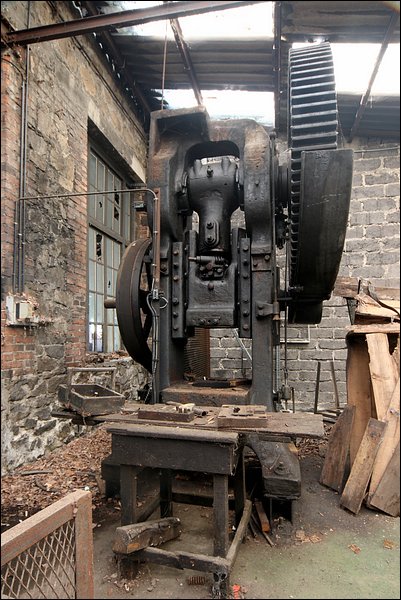
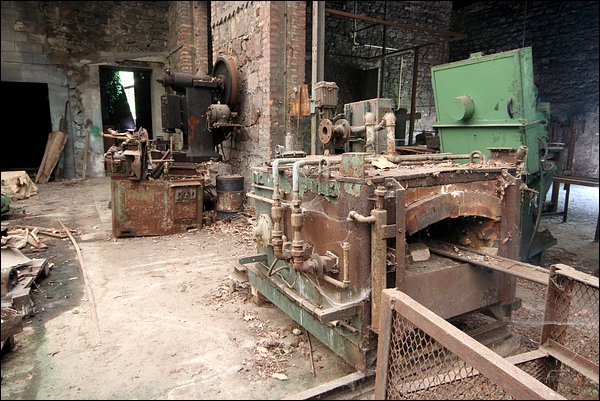
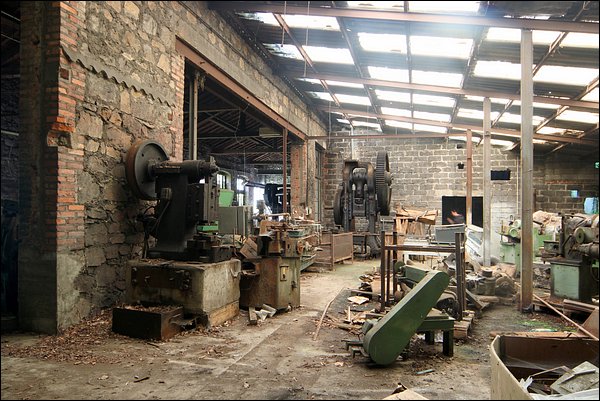
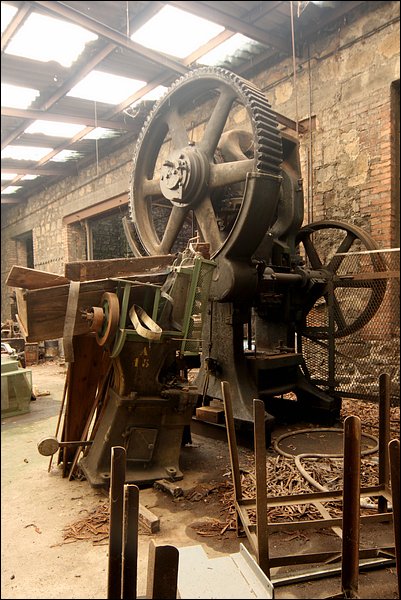
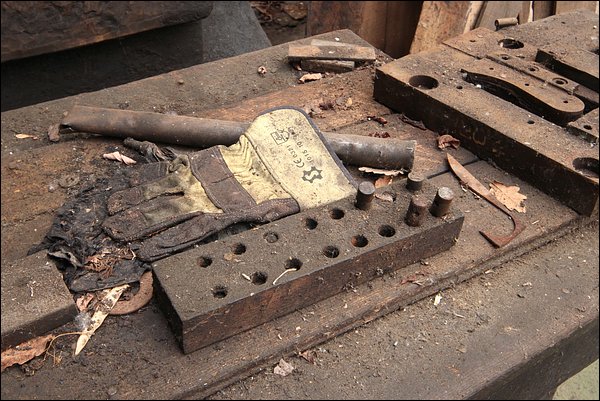
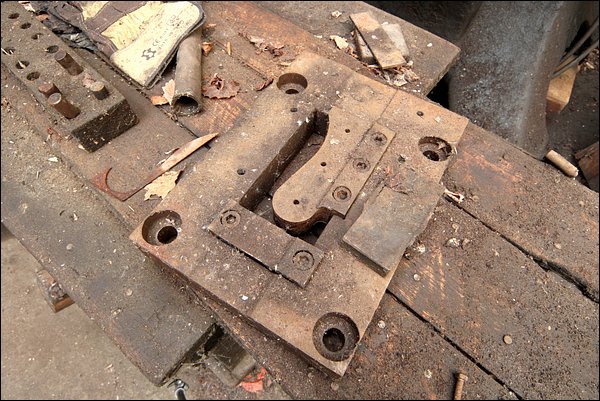
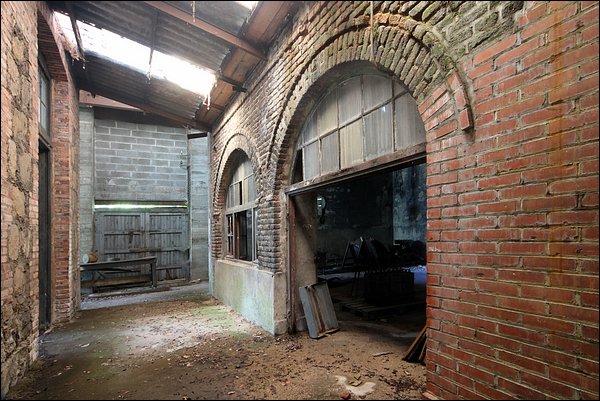
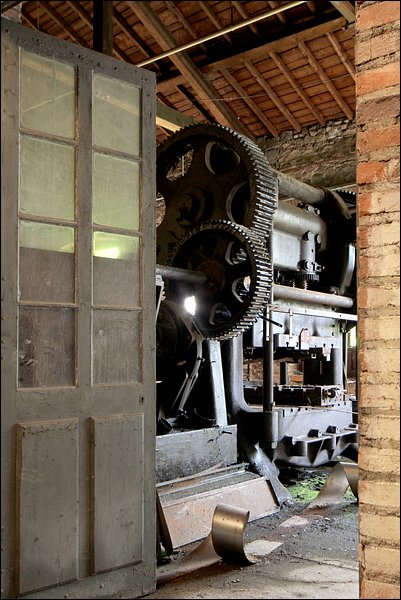
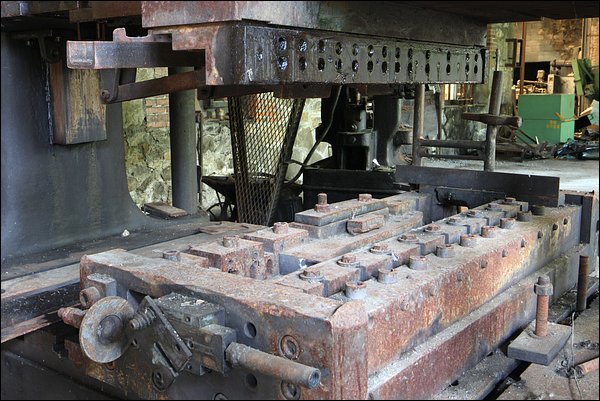
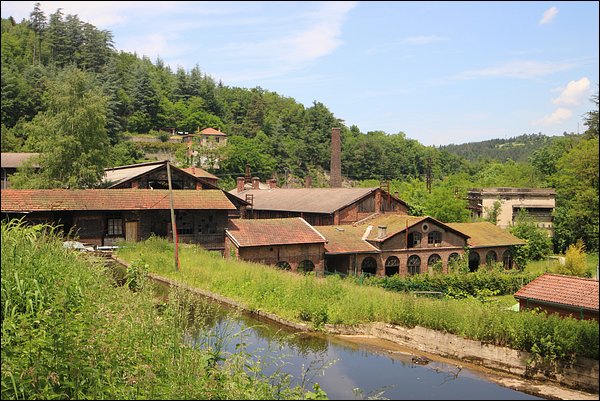
The factory consists of a significant number of long, linear buildings. Some are in good condition, part of them are occupied, and some are crumbling. Regardless, every single building without exception contains a vast number of machine tools. These are primarily power hammers. We also found forging hammers, preheating furnaces, blowers, and a colossal hydraulic installation. Indeed, the energy used was harnessed from the adjacent river. Consequently, there is an imposing system of watermills housed in a vast building. Again, I must insist: this equipment is of the utmost rarity.
Technical Power & Fourierism
The specifications are dizzying. The factories include 12 water wheels with a force of 180 horsepower and 3 turbines of 75 horsepower. These forces drive 35 tilt hammers and 9 blowers. The latter provide the air for 35 forge fires, 7 reheating furnaces, 1 gas furnace for tempering, 4 annealing furnaces, 2 blueing furnaces, and 4 forge fires. To this, add roughly ten power hammers, some of which are more recent - likely from the factory's final days in the 1980s.
The philosophy behind this industrial complex is what is known as Fourierism. In this production space, it means that industry is directly linked to agriculture. This allowed for highly integrated, vertical processes, from initial design to final destination. They used "earth coal" - actually pit coal - sourced from the nearby basin, making it much cheaper. Combined with hydroelectric production, this was a high-performance industrial ensemble.
Decline and Cinema
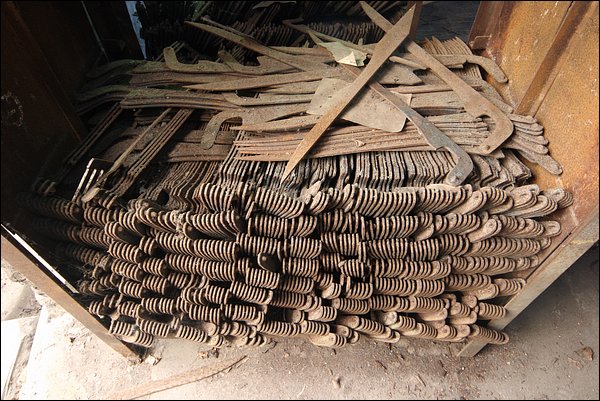
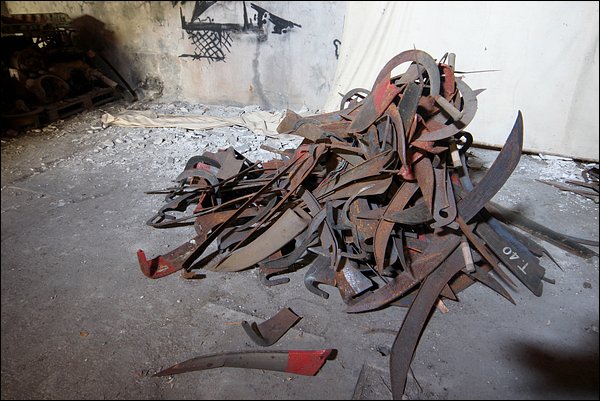
The decline likely began just before the 1980s, with the emergence of electric lawnmowers and materials imported from China. The manufacturing of scythes and sickles requires high-precision work. One can easily imagine that for a brush cutter or a mower blade, the precision required is not the same. Consequently, the company was completely overtaken by Chinese labor and materials. During this time, they attempted to diversify by making gardening tools like rakes or pruning shears, but it wasn't enough.
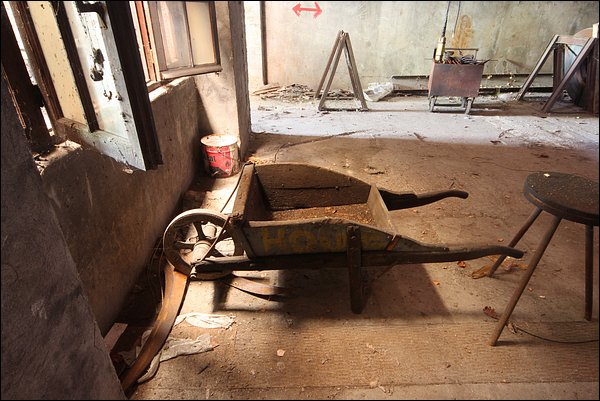
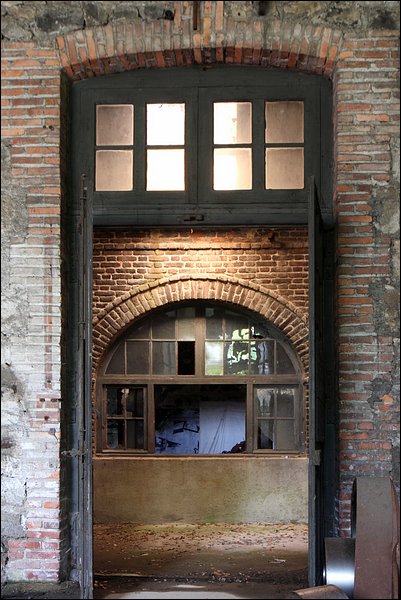
The current state of the factory is somewhat difficult to read because a film was recently shot inside. We were told that a number of sets and filming materials were left in place. According to a brief inquiry with the production company, it seems everything in the factory remains intact, except for the long outdoor corridor which looked "too new"! They sandblasted the ground to mimic the era, redid all the gutters, and replaced the cellar doors with brand-new ones painted in burgundy. It is, in fact, beautiful. A few doors were replaced and some machines moved; for everything else, we are almost certain the ensemble is authentic. To be honest, so many people have intervened that, as of today, no one is really sure anymore.
This is a magnificent visit filled with heavy machinery. As I said before, it is exceptional. The town in question actually has four such factories. I invite you to this beautiful journey into industrial poetry. Immerse yourself in the old London of yesteryear.