The Belgrade crypt, an underground necropolis

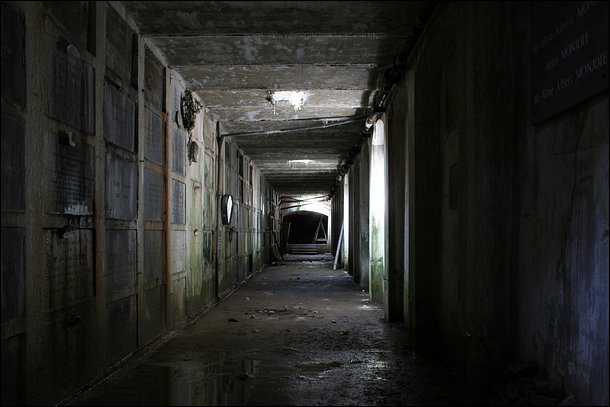
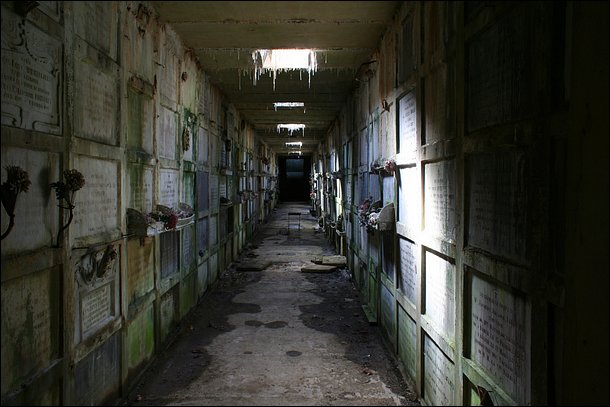
This report focuses on the underground crypt of the Saint-Servais cemetery, known as the Belgrade Crypt, located in Belgium.
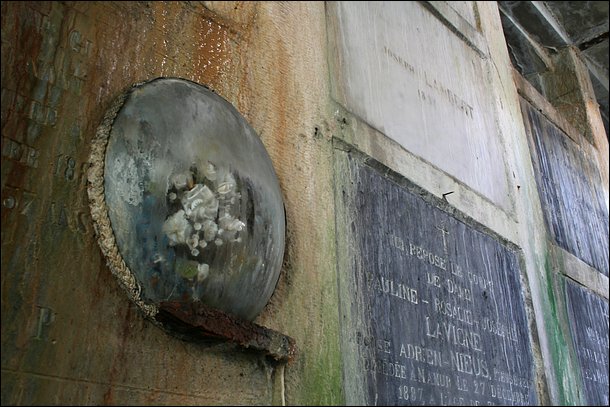
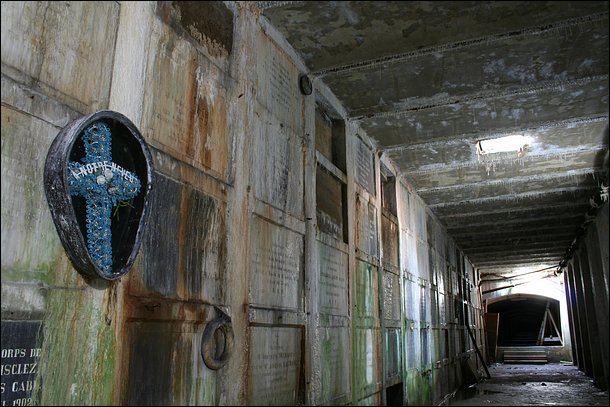
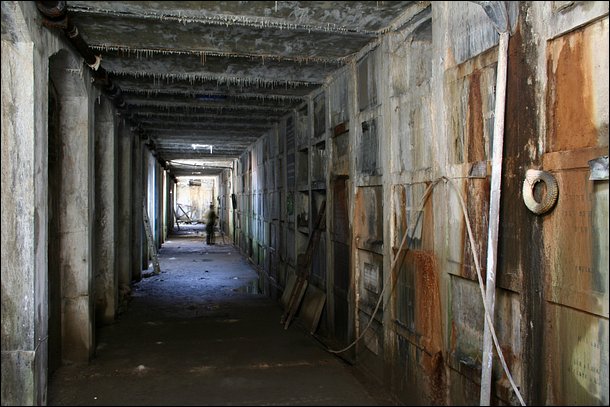
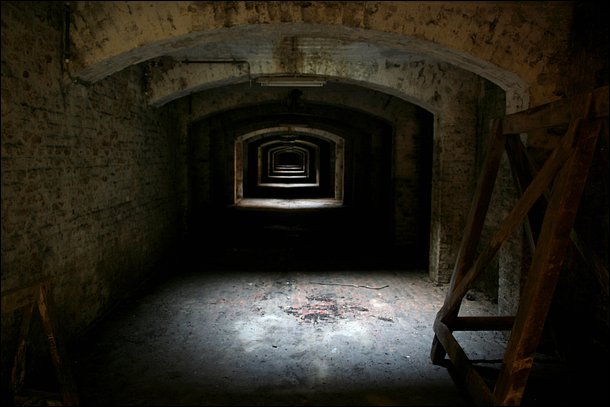
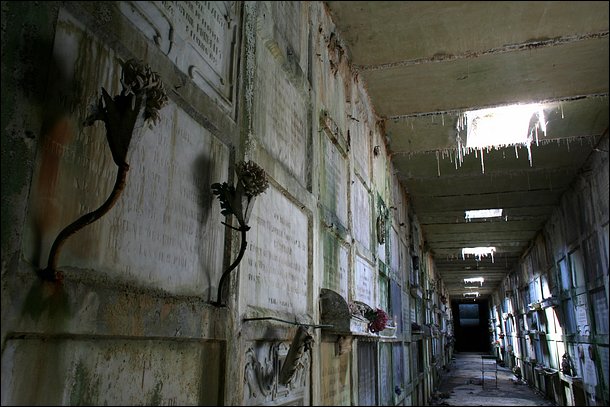
Following a City Council decision, the crypt opened in 1882 with a single gallery. Today, it features three galleries, one of which runs perpendicular to the other two. The second gallery was added in 1899, followed shortly by the third. Each gallery contains approximately 400 niches.
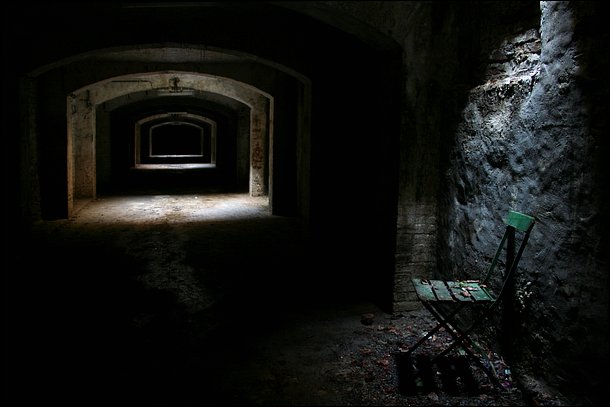
Access to the crypt is provided by a staircase and a freight elevator. The elevator is essential, as the stairs are notably cramped for gravediggers. It allows the deceased to be lowered in what is colloquially called a "bathtub" - a fiberglass shell in which the coffin is placed. While two of the galleries are lit, the last one remains in deep shadow.
This site is the largest underground cemetery in Wallonia. To my knowledge, only one other large-scale crypt exists in Wavre. Other notable crypts include Laeken (in the Brussels-Capital Region) and a few smaller ones in Flanders.
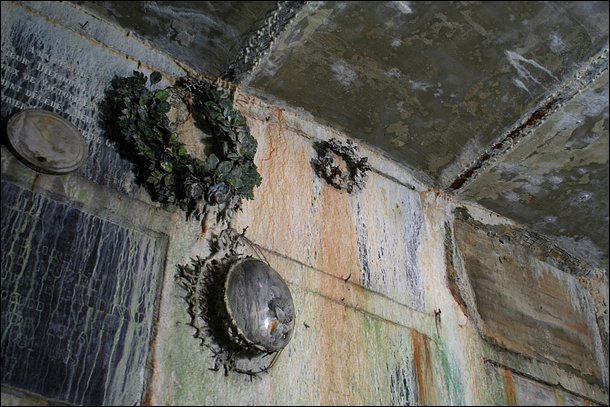
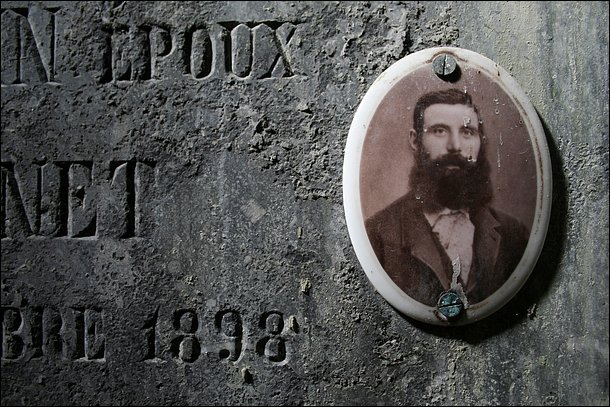
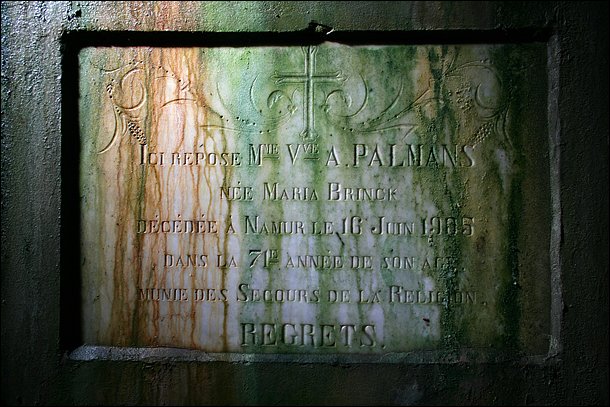
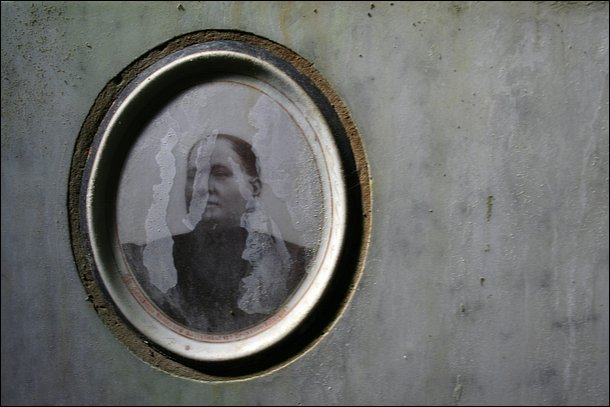
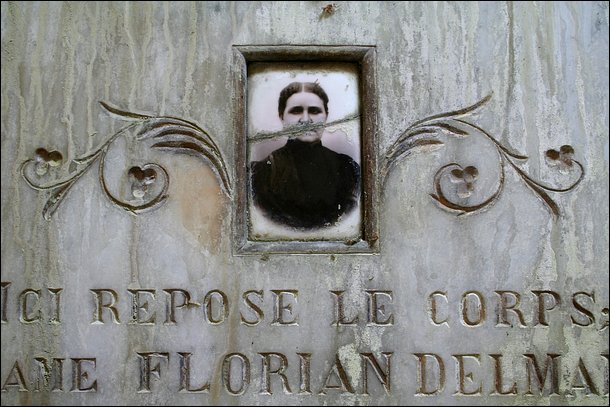
Currently, the Belgrade crypt is rarely used because the niches are full. However, many of the tombs are abandoned concessions. Fortunately, the City of Namur has decided to preserve the site as a historical monument. At the request of the College, a procedure was launched to list the crypt, its entrance building, and the underground sections as protected heritage. The last burial reportedly took place in 2001.
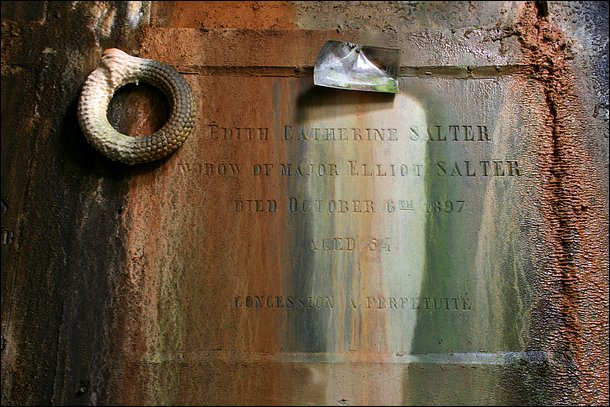
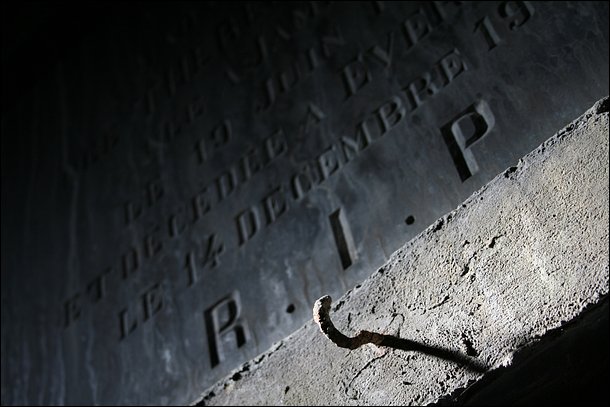
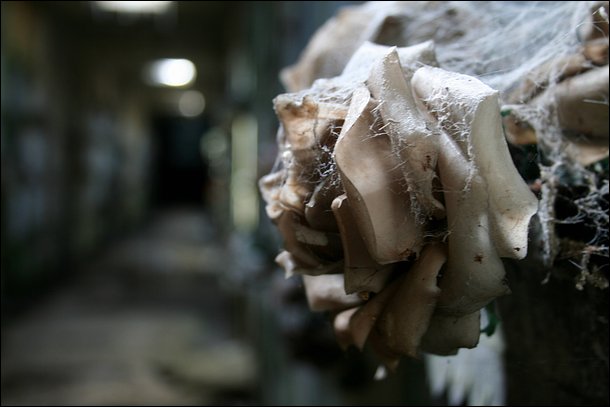
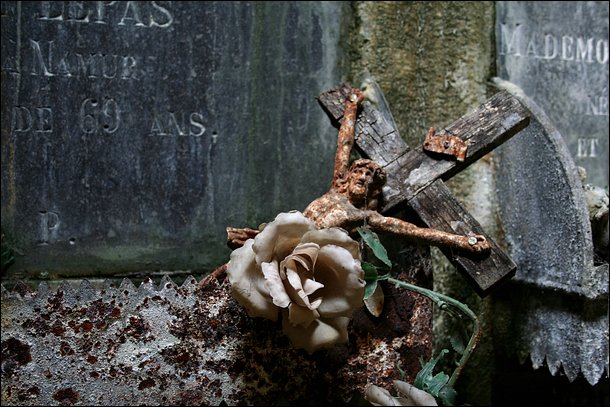
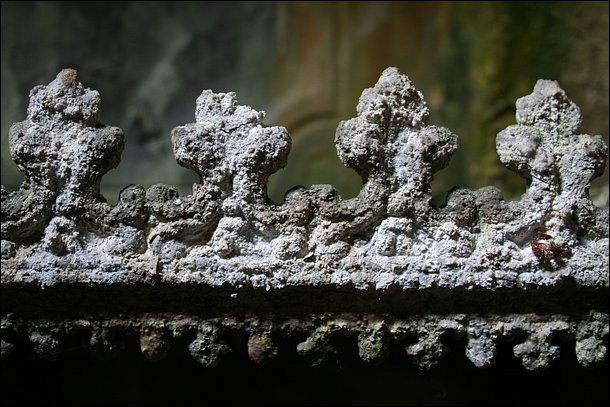
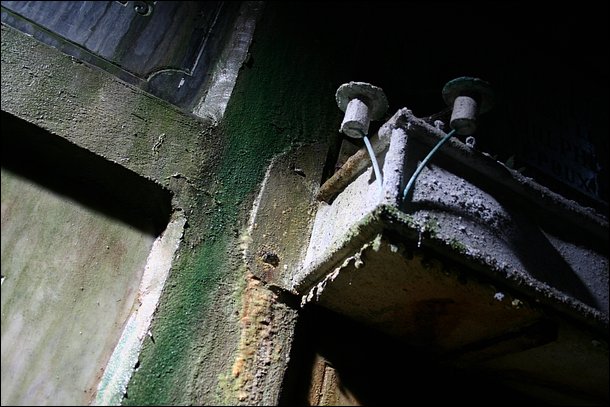
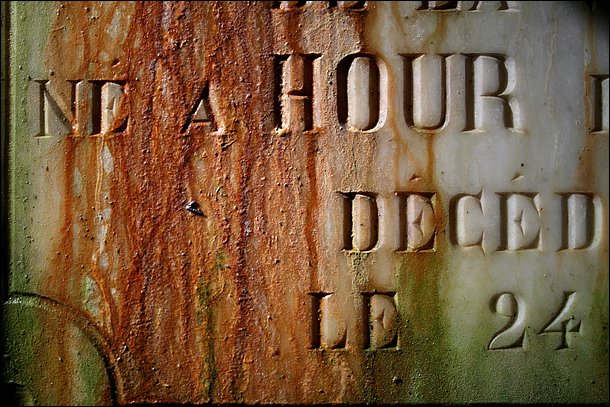
Much like the Laeken crypt - built during the same era - the site is currently deteriorating. The primary issues are Water infiltration: Leading to the growth of plants (particularly ferns/maidenhairs) and fungi. Also, structural wear: The cement on the pediments has degraded significantly due to age.
A meticulous renovation will be required to restore this location to its former glory.