
Urbex magazine in France: Exploring abandoned houses, disused factories, and ghost towns
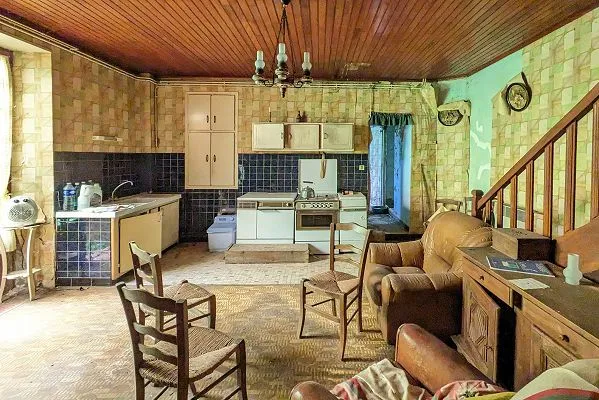
Urbex, or urban exploration, involves visiting abandoned sites: forgotten houses, derelict factories, and hidden underground tunnels. At Tchorski Magazine, our approach involves researching the history of these locations to better understand their past lives. Our mission is entirely dedicated to showcasing the beauty and heritage of these sites.
Our flagship reports, translated into English
Medical & Institutional
The Ultra-Violence Clinic (La clinique Ultra-Violence)
The Abandoned Hospital (L'hôpital abandonné)
The Abandoned Clinic (La clinique abandonnée)
The Vine Clinic (La clinique de la vigne)
The Surprise Hospital (L'hôpital surprise)
The Implosion Hospital (L'hôpital de l'implosion)
The Valleys Sanatorium (Le sanatorium des vallées)
The Heights Sanatorium (Le sanatorium des hauteurs)
The Lipski Nursing Home (La maison de retraite Lipski)
The Clouds Convent (Le couvent des nuages)
The Sunshine Hospital (Le rayon de soleil)
The Pink Thermal Baths (Les thermes roses)
The Blue Thermal Baths (Les thermes bleus)
The Green Thermal Baths (Les thermes verts)
Dreux sanatorium (Le sanatorium de Dreux)
Borgoumont sanatorium (Le sanatorium du Basil)
Angicourt sanatorium (Le sanatorium d'Angicourt)
Jumet Hospital (L'hôpital de Jumet)
The Cevenol college (Le collège cévenol)
The hospital of squales (L'hôpital des écailles)
Residential (Manors, Villas & Houses)
Sands House (La maison des Sables)
Marenych House (La maison Marenych)
Tipi Estate (Le domaine du Tipi)
Georges' Manor (Le manoir de Georges)
Melancholy House (La maison Mélancolie)
Alphonse's House (La maison Alphonse)
TV House (La maison Télés)
Roger's House (La maison Roger)
René's Manor (Le manoir René)
La Source manor (La source)
Gabriele's House (La maison Gabriele)
Christiane's House (La maison Christiane)
Odile's House (La maison Odile)
René's House (La maison René)
Jacqueline's House (La maison Jacqueline)
Monique's House (La maison Monique)
Sadia's House (La maison Sadia)
Roger's House (La maison Roger)
Marie-Jeanne's House (La maison Marie-Jeanne)
Robine's House (La maison Robine)
Ségolène's House (La maison Ségolène)
Villa Flore (La villa Flore)
Michel's House (La maison Michel)
Robert's House (La maison Robert)
Jean's House (La maison Jean)
Pierre's House (La maison Pierre)
The abandoned house of dead pigeons (La maison Ginette)
Camille's House (La maison Camille)
Edmond's House (La maison Edmond)
Granny-Knit's house (La maison Mamie Tricot)
Roland's house (La maison Roland)
Marie-Louise's house (La maison Marie-Louise)
The Wallpaper Manor (Le manoir aux papiers peints)
Happy House (La maison heureuse)
Poulain House (La maison Poulain)
Arthur Naussac's House (La maison Arthur Naussac)
Jeanine's House (La maison à Jeanine)
The Gobba Manor (Le manoir du vitrier)
Lucienne's Manor (Le manoir Lucienne)
Victorine's House (La maison à Victorine)
Léon's House (La maison Léon)
The Antique Dealer's House (La maison du brocanteur)
The Japanese Manor (Le manoir japonais)
Jean-Claude's House (La maison Jean-Claude)
Nicole's House (La maison à Nicole)
Marie-Rose's House (La maison à Marie-Rose)
Anne's House (La maison à Anne)
Ché House (La maison Ché)
Cat House (La maison Chat)
Aimé's House (La maison à Aimé)
Mamette's House (La maison à Mamette)
The Dwarve's House (La maison aux Nains)
The Two Sisters' Troglodyte (Le troglodyte des deux soeurs)
Doel ghost town (Village abandonné de Doel)
The Courouge affair (L'affaire Courouge)
Raymond's House (La maison Raymond)
The Flag Manor (Le manoir aux drapeaux)
Marie-Odile's House (La maison Marie-Odile)
Marielle's house (La maison Marielle)
Maugé's house (La maison Maugé)
Janine's house (La maison Janine)
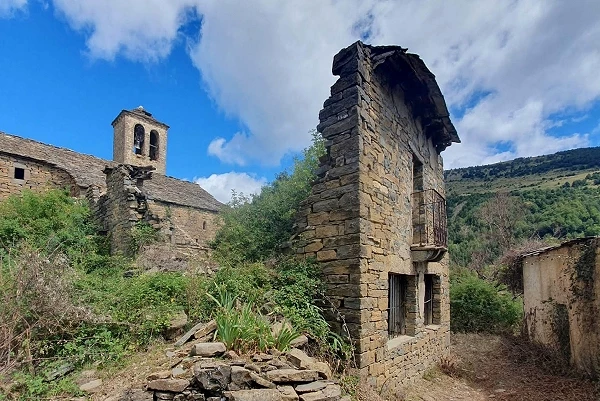
Castles & Heritage (Châteaux)
Largentière Castle (Le château de Largentière)
Syndrome Castle (Le château Syndrome)
Safari Castle (Le château Safari)
Helix Castle (Le château Hélix)
Snails Castle (Le château Escargots)
The Fables Castle (Le chateau des Fables)
Amay priory (Le prieuré d'Amay)
Markus Castle (Le château Markus)
The Saudi Woman's Castle (Le château de la Saoudienne)
Billard Castle (Le château Billard)
Loyasse Fort (Le fort de Loyasse)
Church of the Good Shepherd (L'église du Bon Pasteur)
The abandoned Mining Town (La cité vulnérable)
Farms & Agriculture
Hornet Farm (La ferme Frelons)
Félicie Farm (La ferme Félicie)
Léna's Farm (La ferme à Léna)
Viper Farm (La ferme Vipère)
Silent Farm (La ferme silencieuse)
Jungle Farm (La ferme de la jungle)
Wilfrid Farm (La ferme Wilfrid)
Eugène Farm (La ferme Eugène)
Yvonne Farm (La ferme Yvonne)
Etienne Farm (La ferme Etienne)
Gérard Farm (La ferme Gérard)
Chapieu Farm (La ferme de Chapieu)
The Abandoned Apiary (Le rucher abandonné)
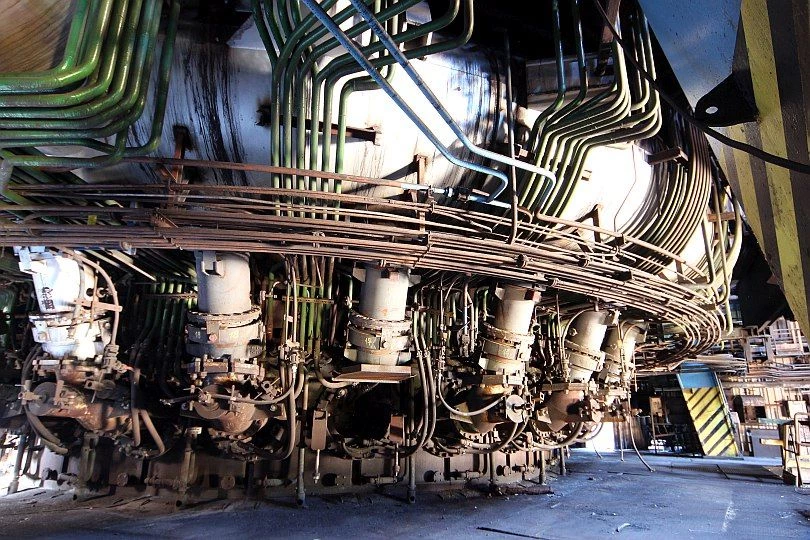
Underground mines and rivers
The Chlorine Gallery (La galerie du chlore)
The Underground Furan (Le Furan souterrain)
The Angry Spiders' Tunnel (Le souterrain des araignées colériques)
The Sand Mine (La mine des sables)
The Bollène Mines (Les mines de Bollène)
The Penicillium Tunnel (Le souterrain Pénicillium)
The Bitter Beaver's Tunnel (Le souterrain du castor aigri)
The cyclopean underground (Le Bec de l'Echaillon)
Rhonelle underground river (La Rhonelle souterraine)
Belgrade undergound crypt (La crypte de Belgrade)
Artoire aqueduct (L'aqueduc de l'Artoire)
The funicular of the Dead (La ficelle des morts)
A Lyon Underground Tunnel (Un souterrain de Lyon)
The Red Mine (La mine rouge)
The purely terrifying coal mine (La mine angoissante)
The Punishment Mine (La mine de la punition)
The anthracite Mine of Horror (La mine des mikados)
Orne underground river (La rivière Orne)
Hangman's underground mine (La mine du pendu)
Black Stone Mine (La mine de la pierre noire)
Derelict factories
The Coal Washery (Le lavoir à charbon)
Charles' Flour Mill (La minoterie Charles)
The Paper Mill (La papeterie)
The Abandoned Paper Mill (La papeterie abandonnée)
The Green Factory (L'usine verte)
The Shoe Factory (L'usine des chaussures)
The Extinction Factory (L'usine de l'extinction)
The carbon factory (L'usine carbone)
The Silk Mill (L'usine à soie)
The Logistics Platform (La plateforme de logistique)
The Baballe Factory (L'usine Baballe)
The Cement Works (La cimenterie)
The Red Wine Cellar (Le chai rouge)
The Wine Storehouse (Le chai à vin)
The Abandoned Rice Mill (La rizerie abandonnée)
The Abandoned Slaughterhouse (L'abattoir abandonné)
The Old Forgotten Forge (La vieille forge oubliée)
The Micronization Tower (L'usine de micronisation)
Green Glass factory (L'usine du verre vert)
The Burning Slag Heap (Le crassier brûlant)
The coal washery (Le triage-lavoir)
The Goss factory (Goss Montataire)
The Black Factory (L'usine Noire)
Transport & Leisure
The Cariatides Nightclub (La discothèque des Cariatides)
The Tropical Club (La boîte Tropicale)
The Abandoned Hotel (L'hôtel abandonné)
The Orange Hotel (L'hôtel orange)
Solange's Hotel (L'hôtel à Solange)
The Station Hotel (L'hôtel de la gare)
Joseph's Hotel (L'hôtel à Joseph)
The Oak Hotel (L'hôtel du Chêne)
The Sunflower Pool (La piscine tournesol)
The Surprise Pool (La piscine surprise)
Radar Antennas (Les antennes radar)
The Abandoned Pool (La piscine abandonnée)
The Olympic Ski Jump (Le tremplin olympique)
The Train Graveyard (Le cimetiere des trains)
The abandoned airbase (La base aérienne)
The Northern Station (La gare nordique)
The Truck Garage (Le garage des camions)
The Abandoned Barge (La péniche abandonnée)
The abandoned disco in Groslée (Le Moulin du Chant à Groslée)
The Airplane Colony (La colonie des avions)
The Diogenes Hangar (Le hangar Diogène)
The Leisure Centre (La base de loisirs)
The burning stonecrop campsite (Le camping abandonné)
The Radar Antennas of Lessive (Les radars de Lessive)
Brussels's Ghost Metro (Le métro de Bruxelles)
Charleroi's Ghost Metro (Le métro de Charleroi)
Brussels Central underground (La Gare Centrale)
The Abba summer camp (La colonie Abba)
Urban exploration in France - A guide for english speakers
What is urban exploration (urbex) like specifically in France if you are an English speaker planning a trip?
Urbex in France is governed by dynamics that are vastly different from neighboring countries like Belgium, the Netherlands, Germany, or the UK. Overall, you will be struck by two fundamental cultural aspects: first, the extreme volatility of locations, and second, the rise of a litigation culture. Understanding these two points is crucial for your visit.
The Volatility of French Urbex Sites
In France, urbex locations do not last long. This is due to a rather surprising cultural practice: "trashing" a site as soon as it is opened. Once a location becomes known within the community, it is often looted within a very short timeframe - belongings are broken or stolen, and walls are tagged.
This culture of degradation is non-existent in Japan, where abandoned sites remain intact for decades, weathered only by time. In Japan, people do not destroy; in France, they do. This situation is revolting, deplorable, and systematic. While explorers loudly claim they never vandalize and "leave no trace," there is a clear correlation between the sharing of GPS coordinates and the rapid destruction of a site.
This means that compared to the photos you see online, a site may suffer from vandalism within weeks - sometimes even less than a month. In this regard, the French cultural landscape is extremely disappointing. This has led to mutual distrust, with people sharing information less and less in order to protect what remains.
The Rise of Legal Prosecution
Urban exploration is generally illegal in France. In the past, if you were caught, the atmosphere was usually benevolent. A quick explanation of your passion for photography or history would often lead to a peaceful resolution. Those days are over.
For civil structures - such as abandoned factories, underground mines, or hospitals - the risks remain relatively low. There is a general feeling that these places "belong to no one," and the act of exploring is seen as relatively harmless (though, we must stress, it is still prohibited).
However, the situation regarding private houses has deteriorated significantly. This is why we no longer visit them. You must realize that if you enter an abandoned house, it is usually because a thief got there first and smashed a door or window. Therefore, you are entering a crime scene (breaking and entering) in the wake of a criminal. This is a very delicate legal position to be in.
Beyond this negative spiral, even if a house is in a state of manifest neglect - windows torn out, furniture overturned - you will almost always find a disgruntled owner claiming, "It's not abandoned." It is a uniquely French trait to let a property rot in total abandonment, refuse to sell it, and yet still pursue legal action against trespassers.
I say this sincerely: if you are traveling to France, be extremely cautious with abandoned houses, manors, and castles - or simply give up the idea of visiting them altogether. While civil structures feel "ownerless," houses are governed by a different cultural mindset. In France, exploring houses is common among locals, but from a judicial standpoint, it is viewed very unfavorably.
This shift is understandable. A property that is difficult to maintain is systematically looted in short order, which inevitably leads to radicalization from owners. Consequently, while urbex was viewed relatively well in the 2010s, today it is widely associated with looting.
You will see countless castles and houses on social media. But as looting increases, these sites prove one thing: with every explorer who passes through to take the same photos as the last, objects go missing - yet no one ever claims responsibility. For this reason, we have completely stopped visiting abandoned residential properties.